
Stop Using Stock-Style Photos: How Authenticity Increased One Host's Bookings by 27%
- Thomas Garner

- Apr 4
- 12 min read
Updated: Jul 15

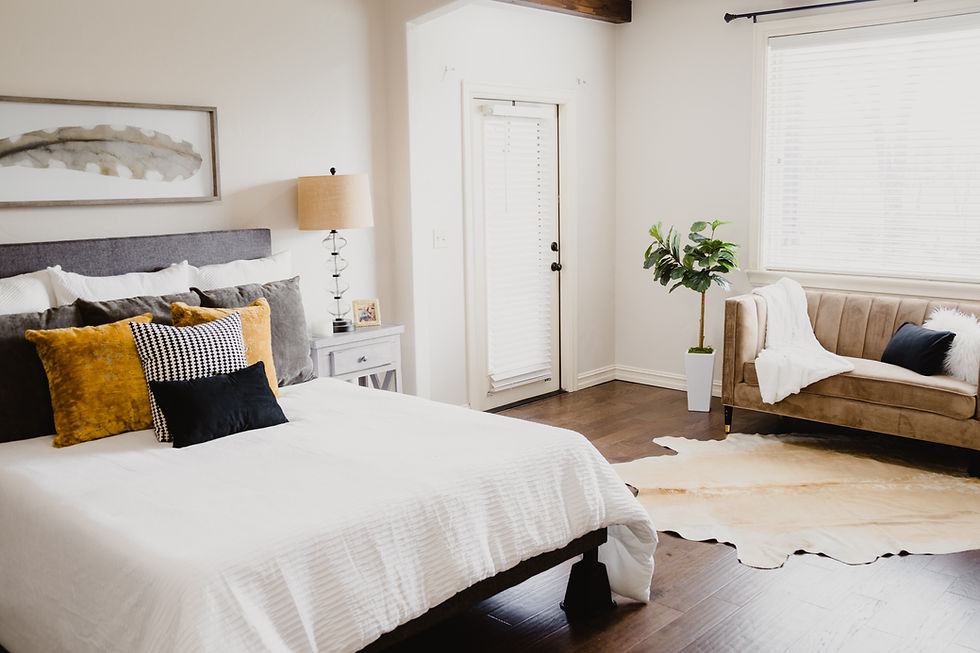
There's a photography aesthetic that spread through vacation rental listings somewhere around 2019 and hasn't quite died yet — the stock-magazine look. Perfectly styled throws, a bowl of lemons no real guest would eat, staged wine glasses, a book prop positioned at 45 degrees on the nightstand. It photographs beautifully and it converts badly, because the guest reading the listing can tell instantly that nobody actually lives here, and what they're looking at is an image of a rental pretending to be a home. The inverse — deliberate, unapologetic authenticity — has been quietly outperforming the stock look for the last two years, and the gap is widening.
This style — I'll call it stock-style photography — has a specific, well-documented problem: it looks exactly like every other listing in the market. Guests scrolling through Airbnb see thumbnail after thumbnail with the same aesthetic repeated across hundreds of listings, producing a visual blur that the industry doesn't talk about enough. Listings that look indistinguishable from one another aren't remembered, aren't saved to wishlists, aren't shared with travel companions, and aren't booked at the rates their actual quality warrants.
The case for authentic photography — images that show the property as a real, distinctive, lived-in place — is increasingly supported by performance data from STR markets where hosts have made the switch. This isn't a stylistic preference. It's a conversion rate argument.
What Authenticity Actually Means in STR Photography
Authentic vacation rental photography is not unprofessional photography. That distinction matters because when hosts hear "don't over-stage the shots," they sometimes interpret it as license to grab their iPhone during a quick gap between guests and hope for the best. That's not what we're talking about.
Authenticity in this context means photographs that show the property's specific character, in its specific setting, with visual elements that communicate what makes this particular place worth booking — as opposed to photographs optimized to make the space look maximally large, maximally clean, and maximally identical to every other professionally photographed rental in the same price tier.
For a mountain cabin in North Georgia or western North Carolina, authentic means a porch photograph that shows the actual view rather than the porch furniture rearranged to maximize apparent square footage — shot at the time of day when the light is genuinely beautiful, with the surrounding landscape visible in the background in a way that communicates what the guest will see when they step outside with a cup of coffee in the morning. It means a kitchen photograph that suggests the kitchen being used: a cutting board with a few ingredients, a pot on the stove, a mug on the counter next to the coffee maker, a bottle of wine from a nearby vineyard sitting on the island. It means a fireplace photograph taken when the fire is actually burning — low ambient light, warm tones, the kind of mood that midday daylight can never replicate no matter how technically proficient the photographer is.
These choices communicate something the stock-style photograph fundamentally cannot: this is a real place where real experiences happen. Guests don't book vacation rentals for the appliances. They don't choose one mountain cabin over another because one has a more symmetrically staged bed. They book experiences — specific, sensory, emotionally resonant experiences that they want to inhabit for a few days. Photography that shows those experiences converts at a higher rate than photography that shows objects. This is not a subjective claim. It shows up in the booking data.
The Conversion Science Behind Authentic Photography
Before the case study, it helps to understand why authentic photography works mechanically — because there's a specific behavioral psychology driving the effect, making it predictable and replicable.
When a guest encounters a stock-style photograph of a vacation rental, their brain processes it as information. Ceiling height, floor plan, appliance quality, bed count, and general cleanliness. They build a mental checklist. They evaluate whether the property meets their functional requirements. This is rational processing, and rational processing is slow, cautious, and easily disrupted by price sensitivity. A guest who is evaluating your property against its checklist is also evaluating your nightly rate against its checklist.
When a guest encounters an authentic photograph — a cabin porch at golden hour with mountains in the background and a fire in the foreground — their brain processes it differently. It activates the imaginative and anticipatory centers rather than the evaluative ones. The guest doesn't analyze the photograph. They enter it. They're already imagining themselves sitting in that chair, holding that mug, watching the sun drop below that ridge. In that imaginative state, price sensitivity decreases and booking intent increases. The photograph has done the work that no amount of clever copywriting in the listing description can replicate.
This is why authentic photography tends to improve not just booking volume but also nightly rate tolerance. A guest who has emotionally committed to a specific experience before they've seen the price is a guest who adjusts their budget to make it work. A guest who is still in rational evaluation mode when they see the price is a guest who compares it to every other option at a similar nightly rate.
If you want to know where your listing is losing visibility — and what to fix first — request a free STR audit: crestcove.co/audit.
The Case Study: A Dahlonega Host's 27% Booking Increase
A two-bedroom cabin in the Dahlonega wine country corridor had been performing at the market median for two years — reasonable occupancy during peak fall foliage and spring wildflower season, significant softness in shoulder months, and an ADR that was competitive but not exceptional for a property of its quality and amenity profile. The listing had been photographed at move-in by a competent real estate photographer working in the standard mode: wide-angle interiors showing maximum square footage, a daylight exterior shot from the driveway, and a hero image of the living room with the furniture arranged symmetrically. Clean, professional, thoroughly forgettable.
The host made a deliberate decision to replace the listing's photography entirely, working with a photographer familiar with the North Georgia mountain market over two separate sessions: a twilight exterior session in early October timed to capture peak foliage, and a lifestyle interior session in early November designed around the property's specific character rather than its floor plan.
The hero image became the twilight exterior — the cabin lit from within, surrounded by orange and red hardwoods, against a darkening mountain sky. The interior photographs were taken with the ambient light already in the space rather than added lighting equipment, with staging that suggested genuine use rather than catalog perfection: a wine bottle and two glasses from a vineyard three miles down the road, an open book on the coffee table, the deck table set as if a couple were about to sit down for dinner. The fireplace was lit for the living room shots, and the photographer waited for late afternoon light to reach the primary bedroom windows before shooting that space.
In the ninety days following the photography update, the listing's total impressions held relatively steady — the algorithm doesn't immediately reward an existing listing just because the photos changed — but click-through rate from impressions to listing page views increased by approximately 19 percent. The booking conversion rate, measuring the ratio of listing page views to actual reservations, increased by approximately 14 percent. The compound effect of both improvements over the following six-month comparison window produced a 27 percent increase in total bookings relative to the same six-month period from the prior year, with an average nightly rate 9 percent higher. The broader Dahlonega market grew modestly over the same comparison period, but this listing's improvement substantially outpaced overall market growth — meaning the gains were attributable to the listing change rather than market conditions.
The total cost of the two photography sessions is approximately $1,100. The incremental annual revenue produced by the photography upgrade is well into five figures. The ROI calculation doesn't require a spreadsheet.
Why the Effect Is Larger in Mountain Destination Markets
The photography authenticity effect is measurable across STR market types, but its magnitude is consistently larger in mountain destination markets than in urban or event-driven markets. The reason is specific and worth understanding if you're operating in North Georgia, western North Carolina, eastern Tennessee, or the broader Southeast mountain corridor.
An urban STR guest often books primarily on proximity. They need to be near a conference center, a wedding venue, a sporting event, or a family member. The location does most of the conversion work, and the photograph's primary job is simply not to disqualify the property. A guest booking a Nashville property near a concert venue uses the photograph to confirm the space is clean and functional, then makes their decision on location and price. The emotional resonance of the photography is a secondary factor at best.
A mountain cabin guest is making a fundamentally different decision. They're choosing between multiple markets, multiple destination types, and multiple experiences — the Blue Ridge wine tour weekend, the Bryson City national park trip, and the Chattanooga city-and-mountains hybrid. The destination itself is partly the product, but so is the specific experience the property offers. The photographer is doing most of the conversion work for these guests because it's the primary medium through which they're evaluating what four days in that specific place will actually feel like.
A stock-style photograph of a North Georgia cabin interior — furniture arranged symmetrically, staging pushed to the maximum, a wide-angle lens making the living room look 15% larger than it is — tells the guest almost nothing about what it's like to be in that cabin. An authentic photograph of the same cabin — porch fire lit at dusk, mountains layered in the background, a wine glass catching the last light — tells them exactly what the experience looks like, sounds like, and feels like, and creates the emotional connection that converts casual browsing into committed booking.
This is also why authentic photography has an outsized impact on ADR in mountain markets specifically. A guest who has emotionally committed to a specific experience before they see the price will stretch their budget to accommodate it. A guest who is still in rational comparison mode when they see the price will use it as a filter. The photograph determines which mode the guest is in when the price appears.
Ready to turn that data into more bookings? We'll show you exactly what's costing you revenue. Book a free audit here.
Seasonal Photography Strategy: One Shoot Is Not Enough
One of the most consistent mistakes in STR photography strategy — even among hosts who have invested in professional photography — is treating a single photo set as a permanent asset rather than a seasonal one.
A mountain cabin's authentic character changes dramatically across the calendar. The same cabin that looks dormant and bare in February looks electric in October. The same porch view that shows a green canopy in July shows a completely different landscape during spring wildflower bloom or winter snowfall. A listing that shows its October photography in February is asking guests to imagine an experience that doesn't match what they'll find when they arrive, and it's missing the specific visual triggers that convert guests who are planning a winter getaway or a spring hiking trip.
Seasonal photography updates — even a single new hero image and three or four supporting images rotated in for each major season — accomplish two things simultaneously. They keep the listing visually current and algorithmically fresh because Airbnb and VRBO both use content recency as a secondary ranking signal. And they allow the listing to show the property in the specific light, foliage, and atmospheric conditions that resonate with guests planning trips during that season. A guest planning a late October trip to the North Georgia mountains is responding to completely different visual triggers than a guest planning a June long weekend, and a listing that speaks directly to seasonal experience converts that guest more effectively than a listing with evergreen photography that was shot in whatever season the photographer happened to visit.
The practical cadence for mountain market properties is a minimum of two annual photography sessions: one in the fall color window and one in late spring when wildflowers and fresh foliage create their own distinctive appeal. A third session capturing winter conditions — if your property shows well in snow or has a fireplace and hot tub that are primary cold-weather amenities — adds a meaningful third conversion layer for the November through February planning window.
Making the Switch Without a Professional Photographer
Professional photography is the highest-ROI investment most STR hosts can make, and for properties operating at or above the luxury tier in markets like Asheville, Blue Ridge, or the Smoky Mountains, hiring a photographer who understands an authentic approach is the right call. The revenue premium more than covers the cost within a single booking season.
If budget or timing prevents a full professional shoot in the near term, the authenticity principles are applicable with a smartphone and some intentionality. The gap between a professional authentic photograph and a thoughtfully executed smartphone authentic photograph is real, but it's much smaller than the gap between any authentic photograph and a stock-style shot, regardless of the equipment used.
Shoot during golden hour or blue hour rather than midday. Turn on every interior light before shooting inside. Open all curtains and blinds to let natural light enter from multiple angles, rather than creating harsh directional shadows. Remove anything that looks like it was placed specifically for a photograph — symmetrical fruit bowls, decorative candles arranged by someone who isn't the guest — and replace it with things that look like actual use: a book left open on the coffee table, a coffee mug on the nightstand, a blanket draped naturally over an arm of the couch. If you have a fireplace, light it before photographing the living room. If you have a view, center your composition on what the guest will see rather than on the room furniture that frames the window.
The goal isn't photographic perfection. The goal is to communicate that this cabin is a real place where real experiences happen, and that the specific experience it offers is the one your target guest is already imagining.
The Visibility Connection: Photography as Search Infrastructure
There's a dimension to authentic photography that most hosts think about purely as a listing conversion tool, but which has become infrastructure-level important in 2026: the role of your photographs in how Gemini AI represents your property in Google search.
When a guest asks Google "what's a good mountain cabin near Asheville with a fireplace and views," Gemini synthesizes a response from multiple data sources — your Google Business Profile, your website, your citations, and critically, your photographs. Gemini interprets photo content to understand what your property actually offers. Generic stock-style photographs — a bed, a couch, an appliance — give Gemini a limited signal to work with. Authentic photographs that show a fireplace in use, a mountain view from the deck, a hot tub in a forested setting, or a table set for dinner give Gemini specific, interpretable content that maps directly to what guests are searching for.
Properties with visually rich, descriptively authentic photography appear in Gemini AI summaries with more accuracy, more specificity, and more credibility than properties whose photographs could belong to any of the hundreds of cabins in the market. The same authenticity that converts guests on Airbnb also converts the AI layer that is increasingly mediating how guests find you before they ever reach Airbnb.
Photography is no longer just a listing asset. It's search infrastructure. The investment case for getting it right is stronger in 2026 than ever before.
If you want a professional assessment of whether your current listing photography is costing you bookings — or if you're ready to plan an authentic shoot with a photographer who understands this region's markets, seasonal rhythms, and the specific visual language that converts mountain destination travelers into committed guests — Crest & Cove Creative's Visibility Package includes professional batch-shoot photography as one of its six integrated pillars. It's a competitive monthly rate, month-to-month, with a a one-time setup fee. No long-term contracts. Book a free visibility audit, and we'll evaluate your current photography alongside your full listing presence and show you exactly what's working and what's holding your bookings back.
Start with a free visibility audit at crestcove.co/audit.
Work with Crest & Cove Creative
Ready to put this strategy to work in North Carolina?
Crest & Cove Creative partners with a select group of independent hosts in the Southeast each quarter — focused on listing quality, organic search visibility, and direct booking growth. If your property isn't reaching the guests it should be, that's exactly the kind of problem we solve. Reach out directly at crestcove.co or call (256) 998-7502 — we'll take an honest look at where your listing stands and tell you plainly whether we can help.
Frequently Asked Questions
About the Authors
Crest & Cove Creative is a Southeast-focused short-term rental marketing agency founded by Thomas Garner and Jacob Mishalanie. We build direct-booking brands, listing optimization systems, and market-specific content strategies for independent STR operators across the Gulf Coast, Appalachian Mountains, Coastal Georgia, and Southeast lake country.
Related Reading
Explore more related Crest & Cove market analysis and host guides:
Why Every Chimney Rock Airbnb Should Have a Property Video by End of Year
What Professional Photography Actually Costs a Lake Lure STR Host — and What It Returns
Photo Captions That Sell: How to Write Listing Image Descriptions That Convert
Seasonal Photo Updates: Why Changing Your Listing Photos Four Times a Year Boosts Bookings
How to Photograph Small Spaces So They Look Inviting (Not Cramped)
Virtual Tours for STR Listings: Worth the Investment or Expensive Gimmick?
Drone Photography for STR Listings: When It Converts and When It Doesn't
Twilight Photography for Vacation Rentals: The Golden Hour Trick That Increases Saves by 31%
How to Market a Short-Term Rental on Santa Rosa Beach & 30A, FL: Selling the Scenic Corridor
How to Market a Short-Term Rental in Seaside, FL: Selling the Original New Urbanist Postcard
How to Market a Short-Term Rental in Miramar Beach, FL: Sandestin, Pools, and the Value Play
How to Market a Short-Term Rental in Destin, FL: The World's Luckiest Fishing Village Playbook
STR Listing Description Copywriting: How to Write the Listing That Converts Browsers Into Bookers

Comments