
Accessible Vacation Rentals Marketing: Honesty Beats Overclaiming

Updated: Aug 27
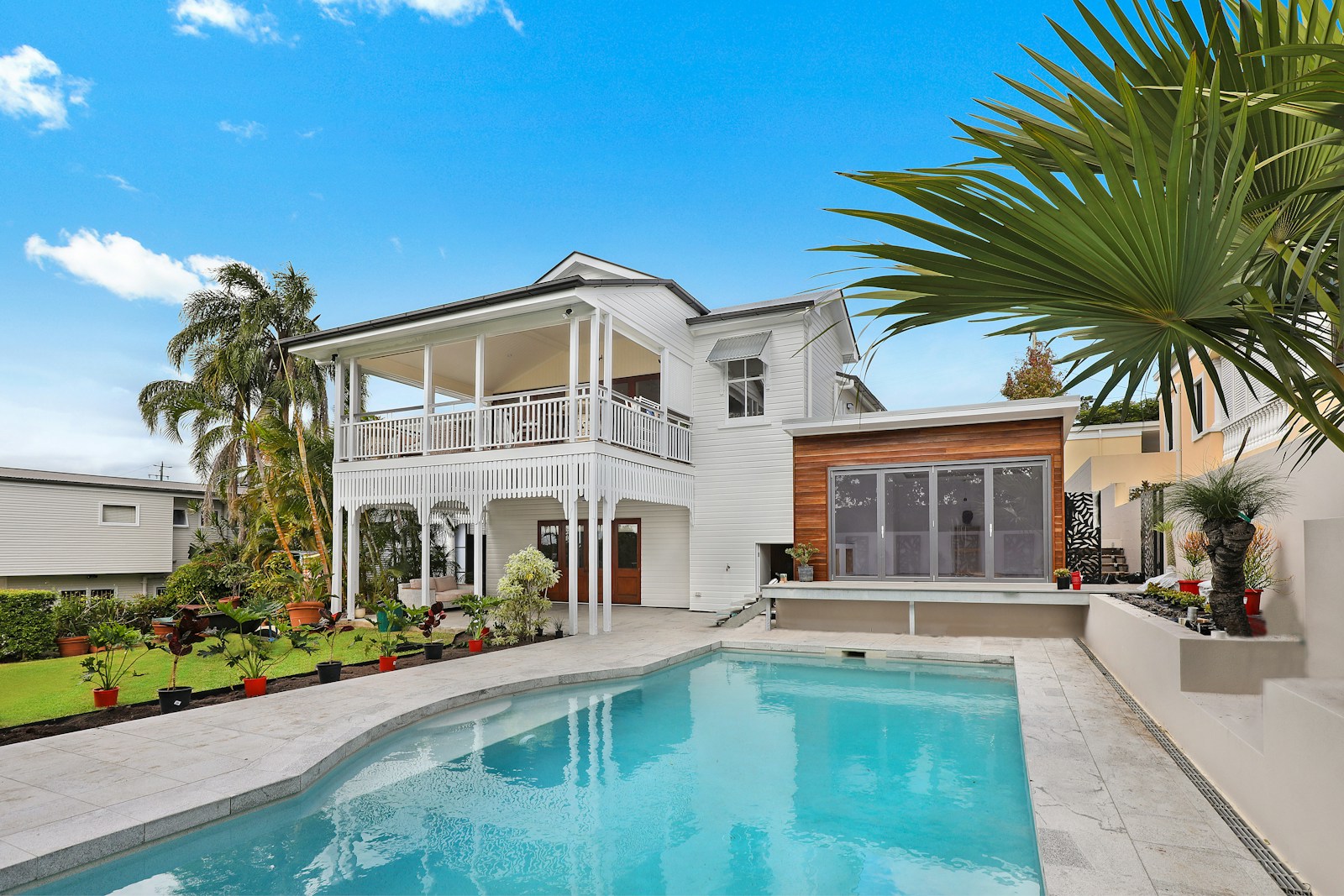
Accessibility marketing carries real consequences that most other listing claims don't: a guest with a specific mobility, sensory, or other access need is often planning an entire trip around a claim that turns out, on arrival, to be technically true but practically insufficient - a step-free entry that leads to a doorway too narrow for their actual wheelchair.
The instinct to broadly label a property "accessible" comes from a genuine desire to be inclusive and welcoming, but a broad claim without specific measurements or detail often does more harm than no accessibility claim at all, because it sets an expectation the property may not actually meet for a specific guest's specific needs.
This is a case for specific, measured, honest accessibility description over broad labeling - not because accessibility marketing should be avoided, but because it needs a level of precision that most other marketing claims don't require to actually be useful and trustworthy. This is not legal advice.
Why Broad Accessibility Labels Fail Guests
Accessibility needs vary enormously between individuals - a guest using a manual wheelchair, a power wheelchair, a walker, or navigating with a visual impairment each have genuinely different, specific requirements that a single broad "accessible" label can't meaningfully capture.
A property that's accessible for one specific need may be completely unsuitable for another, which means a broad claim, however well-intentioned, is functionally guessing at whether it applies to any specific guest's actual situation.
The guest bears the real cost of an inaccurate broad claim - arriving to find a doorway too narrow, a step where none was expected, a bathroom that doesn't actually accommodate their equipment - often with no easy way to correct the situation once they've already traveled to the property.
Measure and State Specific, Verifiable Details
Provide actual measurements where they matter most - doorway widths, step heights, bathroom clearance, hallway widths - rather than a general description, since a specific number lets a guest determine for themselves whether it meets their actual need.
Describe the actual path of travel from arrival to key areas of the property - parking to entry, entry to bedroom, entry to bathroom - noting any step, threshold, or narrow point along the entire route, not just the main entrance.
Photograph these specific features directly - the actual doorway, the actual bathroom layout, the actual entry path - so a guest can visually verify the measurements against their own equipment or needs before booking.
Being Honest About What's Not Accessible
State plainly what a property does not accommodate, rather than only listing what it does - a second-floor bedroom with no elevator, a bathroom without grab bars, a gravel path that may be difficult for certain wheeled mobility devices.
This kind of direct disclosure isn't a negative marketing choice - it's the information a guest with specific access needs actually needs to make an informed decision, and it protects the host from a guest arriving with incompatible expectations.
A guest who reads honest, specific limitations and determines the property still works for their needs arrives confident and prepared; a guest who discovers an unstated limitation on arrival arrives frustrated and without options.
Avoid Assuming What a Specific Guest Needs
Rather than guessing whether a feature qualifies as "accessible enough," state the specific, factual detail and let the guest determine fit for their own specific situation, since only the guest knows their own equipment and requirements precisely.
Invite direct questions from a guest with specific access needs before booking, and be prepared to answer with additional specific detail - an exact measurement, an additional photo - rather than a general reassurance.
If a specific detail isn't something you've measured or verified, say so honestly rather than guessing or estimating, and offer to check and follow up with an accurate answer rather than providing an unverified guess.
Sensory and Other Non-Mobility Access Needs Deserve the Same Specificity
Accessibility marketing often focuses narrowly on mobility and wheelchair access, but sensory needs - lighting for visual impairment, quiet features for auditory sensitivity or autism, allergen considerations - deserve the same specific, honest description rather than being overlooked entirely.
Describe specific features relevant to these needs directly - whether visual smoke alarms are installed, whether the property has been kept free of specific common allergens, what ambient noise levels are typical - rather than a general claim of being "sensory-friendly" without detail behind it.
As with mobility access, being honest about what isn't currently accommodated is as valuable to a guest with these needs as accurately describing what is, since it lets them assess fit rather than discovering a mismatch after arrival.
What Marketing Language Should Avoid Entirely
Avoid the word "accessible" as a standalone, unqualified claim without specific supporting detail, since the word alone doesn't convey which specific needs the property actually accommodates.
Avoid comparing your property's accessibility favorably against a general industry standard or competitor claim you can't actually verify, since accessibility standards and terminology vary and an unverified comparison risks being both inaccurate and legally sensitive.
Avoid using accessibility as a purely promotional angle disconnected from the actual, specific, verified features - accessibility marketing works best when it's a direct, factual extension of what's actually true about the property, not a separate marketing narrative layered on top.
Updating Accessibility Content When the Property Changes
Any renovation or change that affects accessibility - a new step added, a doorway widened, a ramp installed or removed - needs a prompt update to accessibility-related content, since outdated accessibility information carries more consequence for a guest than most other outdated details.
Re-measure and re-verify accessibility features periodically even without a known change, since wear, settling, or a change a host didn't personally notice can shift a measurement enough to matter for a specific guest's needs.
Treat accessibility content with the same or greater update discipline applied to safety-related content generally, since the consequences of stale accessibility information can be just as significant as a stale safety claim.
This Isn't Legal Advice on Accessibility Compliance
This page describes marketing communication practice, not legal accessibility compliance requirements, which vary by jurisdiction and property type and require guidance from a qualified professional familiar with applicable law.
Confirm any specific legal accessibility requirement directly with a professional rather than assuming that accurate marketing description alone satisfies any separate compliance obligation that might apply to your specific property.
The overlap between good marketing practice and legal compliance is real but not complete - honest, specific accessibility marketing is good practice regardless, but it doesn't substitute for confirming actual legal requirements separately.
Related Reading
More independent-host accessibility and inclusive-hosting reading already live on Crest & Cove.
Frequently Asked Questions
Why is a broad 'wheelchair accessible' label often not enough?
Accessibility needs vary enormously between individuals - a property suitable for one specific need may not work for another. A broad label can't meaningfully capture that variation, leaving a guest to guess whether it applies to their situation.
What specific details should accessibility content include?
Actual measurements - doorway widths, step heights, bathroom clearance - and a description of the full path of travel from arrival through key areas, noting any step or narrow point along the entire route.
Should a listing mention what's not accessible, not just what is?
Yes - stating limitations plainly (a second-floor bedroom with no elevator, a bathroom without grab bars) gives a guest the information they need to decide for themselves, and prevents an unstated mismatch discovered on arrival.
Does accessibility marketing only apply to mobility needs?
No - sensory and other non-mobility needs (lighting, noise levels, allergen considerations) deserve the same specific, honest description, even though accessibility marketing often focuses narrowly on mobility alone.
What should a host say if a specific measurement hasn't been verified?
Say so honestly rather than guessing, and offer to check and follow up with an accurate answer. An unverified guess presented as fact can lead a guest to plan around information that turns out to be wrong.
Should accessibility content be updated after a renovation?
Yes, promptly - any change affecting accessibility (a new step, a widened doorway) needs an immediate content update, since outdated accessibility information carries more consequence for a guest than most other outdated details.
Is 'accessible' as a standalone word ever appropriate to use alone?
It's best avoided without specific supporting detail attached, since the word alone doesn't convey which specific needs the property actually accommodates for any individual guest's situation.
Does accurate accessibility marketing satisfy legal accessibility compliance requirements?
Not necessarily - this page describes marketing communication practice, not legal compliance, which varies by jurisdiction and requires guidance from a qualified professional familiar with applicable law.
Does Airbnb verify accessibility features before showing them on a listing?
Yes, through its own review process - Airbnb's Accessibility Review will not display a claimed feature like a step-free entrance or a grab bar until agents confirm it against a submitted photo. As of May 2022, that process had confirmed more than 150,000 accessibility features across nearly 100,000 stays, which is a useful reminder that a photo-verified claim carries more weight with a guest than an unverified checkbox ever will.
What doorway-width standard is commonly used as a reference point for accessible rooms?
A 2022 short-term vacation rental ADA FAQ published by PVA states accessible rooms generally need doorways at least 32 inches wide, with at least 36 inches of clear passage around beds and furniture. That's a useful measurement to hold your own listing against when writing specific, honest doorway and clearance details - though confirming your property's actual legal obligations still requires a qualified professional, not this page.
Work with Crest & Cove Creative
A broad accessibility claim can send a guest into a trip-ending disappointment the moment they arrive at a doorway that's technically step-free but too narrow for their chair. Specific measurements protect the guest and the host far better than a.
We help hosts write specific, honest accessibility content that actually helps guests decide whether a property fits their needs. Reach out at crestcove.co or (256) 998-7502. Keep the accessible line labeled. Send the live listing draft and the facts you can actually cite.
Reach out at crestcove.co or (256) 998-7502.


Comments