
AI Images: Trust Risks and Platform Policies Hosts Should Keep

Updated: Aug 27
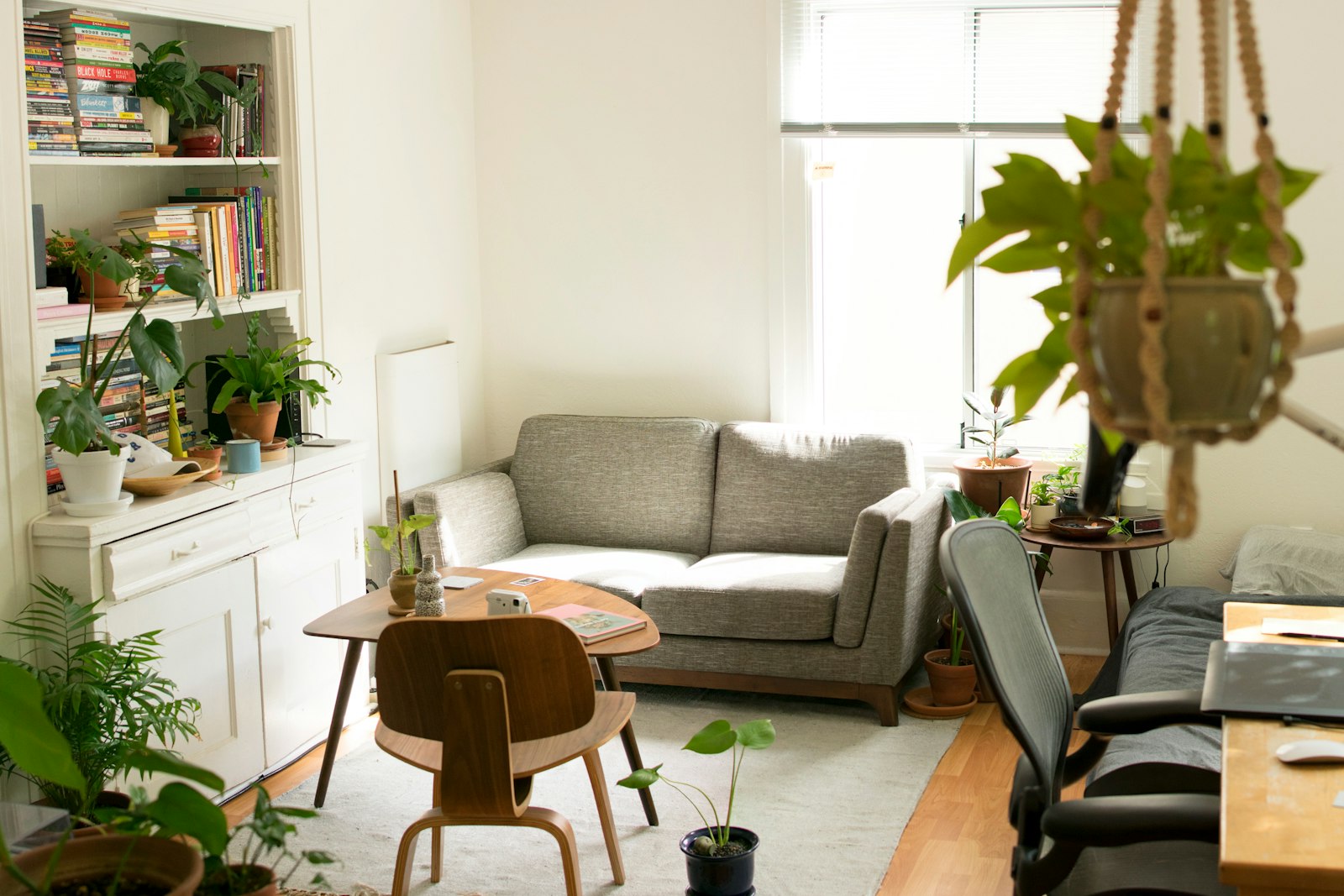
AI image tools can enhance lighting, remove clutter, or even generate entirely synthetic representations of a space, and the temptation to use them on listing photos is real - a slightly better-looking photo seems like an easy win. The risk is that many of these edits cross from enhancement into misrepresentation, and guests increasingly notice.
Most major booking platforms have specific policies about photo accuracy and, increasingly, about AI-generated or AI-altered imagery specifically, and violating those policies can carry real consequences beyond just guest trust - from listing removal to account penalties.
This is a practical look at where AI image tools are reasonably safe to use, where they cross into risky territory, and why the trust cost of an inaccurate photo usually outweighs whatever visual improvement the edit provided.
None of this requires a host to become a policy expert or a forensic photo analyst before every upload. It mostly requires a consistent habit: before publishing an edited image, ask what a guest standing in that room would actually see, and treat any gap between that answer and the photo as the real risk, not the tool that produced it. This is not legal advice.
The Core Distinction: Enhancement Versus Misrepresentation
Basic photo enhancement - adjusting brightness, correcting color balance, straightening a crooked shot - has long been standard, accepted practice and generally doesn't misrepresent what a space actually looks like in person.
AI-specific edits that add, remove, or alter actual physical elements of a space - virtually staging furniture that isn't there, removing a visible flaw, generating a view or feature that doesn't exist - cross into misrepresentation regardless of how technically impressive the edit looks.
The test isn't whether AI was involved in the edit - it's whether the resulting image accurately represents what a guest will actually see and experience in person, which is the same standard that's always applied to photo editing generally.
This distinction matters because the tools themselves aren't the problem. A host using an AI tool to correct white balance is doing the same job a manual editing pass would have done, just faster. The moment the tool starts adding or subtracting real, physical content from the scene, the job it's doing changes from correction to fabrication - and that shift is what platforms and guests actually care about, not the software label on the edit.
What Most Platforms Actually Require
Major booking platforms generally require listing photos to accurately represent the property, and most have specific enforcement mechanisms - guest reporting, internal review - for photos found to misrepresent a space.
Some platforms have added or clarified specific policy language addressing AI-generated or AI-altered imagery directly, given the increasing availability and sophistication of these tools, and it's worth checking your specific platform's current, specific policy rather than assuming general photo-accuracy rules automatically cover every AI-specific edge case.
Policy specifics change as platforms adapt to these tools, so this page can't state a fixed, universal rule that applies identically across every platform and every point in time - checking the specific platform's current policy directly is the reliable source, not a general marketing guide.
A practical habit worth building is checking the photo-content policy of each platform you list on at least once a season, not just at signup. Enforcement approaches, appeal processes, and the specific language used to describe prohibited edits are all things platforms revise as the underlying AI tools change, and a policy you read a year ago may no longer describe today's enforcement in full.
Virtual Staging: A Common Gray Area Worth Extra Caution
Virtually staging an empty or under-furnished room with AI-generated furniture is common in real estate marketing for a property being sold, but is a riskier practice for a short-term rental listing, since a guest booking the space expects to see and use what's actually there.
If virtual staging is used at all for a short-term rental listing, it needs extremely clear disclosure - a caption explicitly noting the image is a virtual representation, not the property's actual current furnishing - and even then, carries real risk of guest disappointment on arrival.
The safer practice for a short-term rental specifically is avoiding virtual staging that shows furniture or decor that won't actually be present when a guest arrives, since the gap between a virtually staged photo and reality is discovered immediately and unavoidably at check-in.
The real estate comparison is worth sitting with for a moment, because it's exactly where the risk diverges. A home sale buyer tours the actual house before closing and has professional inspection and disclosure processes standing between the marketing photo and the transaction. A short-term rental guest's first real look at the space often happens after they've already paid and traveled, which removes the safety net that makes virtual staging tolerable in a sale listing.
Removing Real Flaws Versus Fixing Technical Issues
Using AI tools to fix a genuine technical photo issue - excessive noise, an odd color cast, minor lens distortion - is generally safe, since it corrects how the camera captured the space rather than altering what's actually there.
Using AI tools to remove an actual, persistent physical flaw in the property itself - a visible crack, a worn spot, a genuine maintenance issue - crosses into misrepresentation, since it shows a guest a version of the space that doesn't currently exist.
If a flaw shown in a removed-and-edited photo is temporary and will genuinely be fixed before a guest's stay, it's more honest to either wait to photograph until after the actual fix, or note the timeline explicitly rather than editing the flaw out of a current photo.
It's worth naming the underlying temptation directly: a visible flaw feels like it's costing bookings today, while the trust risk of editing it out feels abstract and future-dated. In practice the order runs the other way. A flaw a guest can see and accept before booking rarely produces a bad review; a flaw a guest discovers only after arrival, because a photo hid it, almost always does.
Generating Views, Amenities, or Features That Don't Exist
Using AI to generate or dramatically enhance a view, add an amenity, or depict a feature not actually present at the property is one of the clearest and highest-risk forms of misrepresentation, likely to violate platform policy directly and to produce a guest's immediate, unavoidable disappointment on arrival.
This category carries the same fundamental risk as fabricating a written claim about an amenity that doesn't exist - the medium (image versus text) doesn't change the underlying dishonesty or its consequences.
There's no legitimate marketing justification for this category of edit. Any short-term visual improvement is vastly outweighed by the guest-trust damage and platform-policy risk once discovered.
This is also the category most likely to generate a direct platform penalty rather than just a bad review, because a fabricated view or amenity is comparatively easy for a reviewer or an automated system to verify against the property's actual listing details, location data, or prior photo history. Where enhancement disputes can be subjective, a generated feature that simply doesn't exist is not.
What Guests Are Getting Better at Spotting
Increasing public awareness of AI image generation and editing capability means guests are becoming more attentive to subtle signs of image manipulation - unnatural lighting, inconsistent shadows, textures that look slightly artificial - that might have gone unnoticed a few years ago.
A guest who suspects a listing's photos have been misleadingly altered often extends that suspicion to the rest of the listing's claims, which means a single questionable image can undermine trust in content that's actually accurate.
This growing scrutiny is a practical reason, beyond platform policy risk alone, to stay firmly on the safe, accurate side of the enhancement-versus-misrepresentation line even where a specific edit might not technically violate a written policy.
This heightened scrutiny cuts both ways, which is worth remembering when it feels discouraging. A listing with photos that are consistently, verifiably accurate builds a specific kind of credibility with guests who have learned to be skeptical - the same skepticism that makes a misleading photo costly also makes an honest, unglamorous photo more persuasive than it would have been a few years ago.
A Practical Checklist Before Using an AI Image Tool on Listing Photos
Ask whether the edit changes what's actually, physically true about the space, or only how well the camera captured an accurate representation of it - the former is risky, the latter is generally safe.
Ask whether a guest arriving in person would see something meaningfully different from what the edited photo shows - if yes, the edit likely crosses into misrepresentation regardless of the specific tool or technique used.
Check your specific platform's current, actual policy on AI-generated or altered imagery directly, rather than assuming a general industry norm or another platform's policy applies identically to your specific listing.
Keep a simple internal record of which listing photos have received AI edits and what those edits changed. This isn't a legal requirement on most platforms today, but it's a low-effort habit that makes it easy to answer a guest question or a platform inquiry about a specific photo quickly and accurately, rather than having to reconstruct the editing history after the fact.
When in Doubt, Choose Honest Over Impressive
A less visually polished but completely accurate photo consistently outperforms a more impressive but misleading one over the long run, once you account for the guest-trust cost of a mismatch discovered on arrival.
If a property genuinely has a visual flaw that basic photography and lighting can't fully hide, addressing the underlying issue directly - an actual repair, an actual decor change - is a more durable solution than an AI edit that only masks it in the photo.
Treat any AI image tool as useful for the same purpose traditional photo editing has always served - presenting an accurate space as attractively as possible - not as a way to present a space as something it currently isn't.
If you're unsure whether a specific edit belongs on the safe or risky side of this line, the simplest fallback is to run it past someone who hasn't seen the property in person: describe the edit, then ask whether they'd expect the actual space to match. A second, unbiased perspective often catches a misrepresentation risk that's easy to miss when you already know what the property looks like.
The Cost of Getting This Wrong Reaches Past a Single Listing
A single misleading photo rarely causes damage in isolation. It shows up as a bad review that references the mismatch specifically, which future guests read before booking, which lowers conversion on that listing well after the photo itself has been swapped out or removed.
On platforms with account-level enforcement, a photo-accuracy violation on one listing can also affect a host's standing across every other listing they manage under the same account, which turns what looked like a single-property shortcut into a multi-property liability.
Repeat or severe misrepresentation findings are the kind of thing platforms tend to treat as a pattern rather than a one-off, which is part of why the safest approach is never letting an obviously risky edit go live in the first place rather than planning to fix it if it gets flagged.
None of this means a host needs to over-correct into publishing unflattering, poorly lit photos out of caution. Good, honest photography - correct lighting, a clean and staged-but-real room, a well-chosen angle - can present a property at its best without ever crossing into the kind of alteration that creates this downstream risk.
Where This Fits Into a Broader Listing Trust Strategy
Photo accuracy is one piece of a larger pattern of trust signals a listing sends - description accuracy, amenity lists, house rules, and review responses all work together to either build or undermine a guest's confidence before they book.
A listing that's rigorously accurate in its photos but vague or inflated in its written description sends a mixed signal, and the same underlying discipline - say only what's verifiably true - applies equally to both.
Treating photo honesty as part of that same overall standard, rather than as a separate, tool-specific compliance question, makes the day-to-day decision easier: if a written claim in that spot would be dishonest, the visual equivalent is dishonest too, regardless of which tool produced it.
Related Reading
More independent-host ethical AI-tool reading already live on Crest & Cove.
Frequently Asked Questions
Is basic AI photo enhancement, like lighting correction, generally safe to use?
Yes - adjusting brightness, correcting color balance, and straightening a crooked shot don't misrepresent the actual space and are consistent with standard, long-accepted photo editing practice. A host using an AI tool to correct white balance is doing the same job a manual editing pass would have done, just faster. The line moves only once a tool starts adding or subtracting real, physical content from the scene, since that shift changes correction into fabrication.
Is virtual staging safe to use for a short-term rental listing?
It's riskier than for a real estate sale listing, since a guest booking the space expects to see and use what's actually there. A home buyer tours the house before closing with inspection and disclosure steps in between; a rental guest's first real look often happens after they've already paid and traveled. If used at all, virtual staging needs extremely clear disclosure that the image is a representation, not the current furnishing, and still carries real risk.
Can AI tools be used to remove a genuine physical flaw from a listing photo?
No - that crosses into misrepresentation, since it shows a guest a version of the space that doesn't currently exist. A visible flaw feels like it's costing bookings today, while the trust risk of editing it out feels abstract and future-dated, but in practice the order runs the other way: a flaw a guest can see and accept before booking rarely produces a bad review, while one discovered only after arrival almost always does.
What's the highest-risk category of AI image editing for a listing?
Generating or dramatically enhancing a view, amenity, or feature that doesn't actually exist at the property - a clear form of misrepresentation likely to violate platform policy and cause immediate guest disappointment. It's also the category most likely to trigger a direct platform penalty rather than just a bad review, because a fabricated view or amenity is comparatively easy for a reviewer or automated system to verify against the listing's actual details and location data.
Do platforms have specific rules about AI-generated listing images?
Many major booking platforms have added or clarified policy language addressing AI-generated or AI-altered imagery directly, given how available and sophisticated these tools have become, though the specifics vary and change over time. Checking your specific platform's current policy at least once a season is a more reliable habit than assuming a general photo-accuracy rule automatically covers every AI-specific edge case, since enforcement approaches and prohibited-edit language both get revised as the tools change.
Are guests getting better at noticing AI-altered listing photos?
Yes - increasing public awareness of AI image tools means guests are more attentive to subtle signs of manipulation, like unnatural lighting, inconsistent shadows, or textures that look slightly artificial. A guest who suspects one photo was misleadingly altered often extends that suspicion to the rest of the listing's claims, so a single questionable image can undermine trust in content that's actually accurate elsewhere in the listing.
What's a simple test for whether an AI image edit is safe to use?
Ask whether a guest arriving in person would see something meaningfully different from what the edited photo shows. If yes, the edit likely crosses from enhancement into misrepresentation, regardless of the specific tool or technique used. When you're unsure, run it past someone who hasn't seen the property in person - describe the edit and ask whether they'd expect the actual space to match, since a second, unbiased perspective often catches a risk you'd otherwise miss.
Is it ever worth using an AI edit to mask a persistent property flaw long-term?
No - a durable fix, an actual repair or a decor change, is a better long-term solution than an edit that only masks the flaw in photos, since the gap is discovered immediately and unavoidably once a guest arrives. On platforms with account-level enforcement, a photo-accuracy violation on one listing can also affect a host's standing across every other listing under the same account, turning a single-property shortcut into a multi-property liability.
Work with Crest & Cove Creative
An AI-enhanced photo can make a property look better than it actually is, right up until a guest walks in and sees the difference. The trust cost of that gap almost always outweighs the visual upgrade.
We help hosts use photo editing tools that make a property look its best without crossing into misrepresentation. Reach out at crestcove.co or (256) 998-7502. Send the live listing draft and the facts you can actually cite.
Reach out at crestcove.co or (256) 998-7502.


Comments