
The Five-Minute QA Pass Every Host Should Run Before Publishing a

Updated: Aug 27
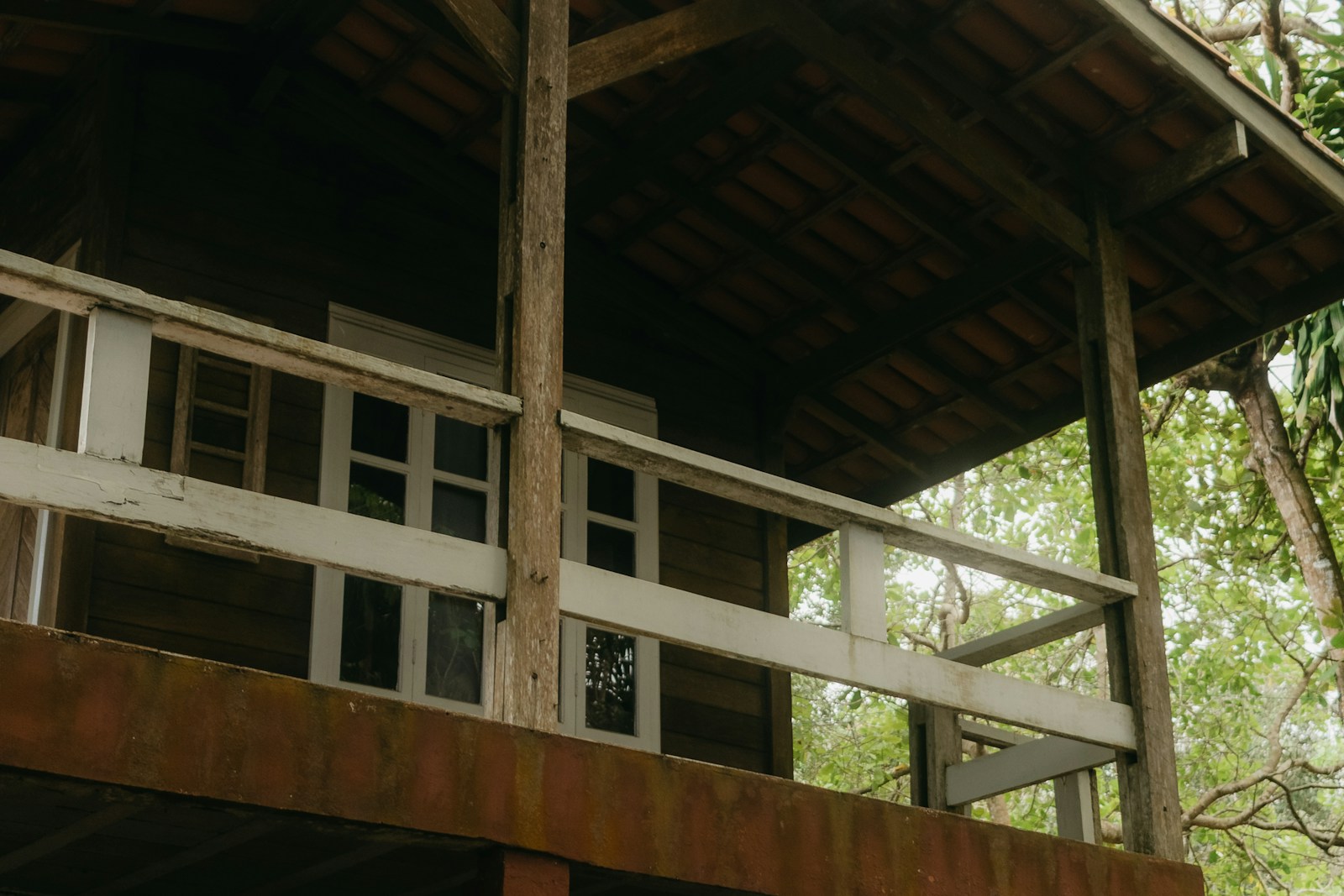
A host updates one line of a description — fixes a typo, adds a sentence about a new grill — hits publish, and moves on. Three weeks later a guest messages asking why the listing says the hot tub works when it's been drained since spring. Nobody lied. Nobody meant to mislead anyone. An old sentence just sat there, technically true when it was written, quietly false by the time a guest read it.
That's the pattern behind almost every listing error worth worrying about. It's rarely a host guessing an amenity that never existed. It's an old detail that stopped being true and nobody reread the paragraph it was sitting in. A phone number with a transposed digit. An occupancy count that no longer matches the actual bed setup after a bunk was swapped for a queen. A photo caption describing a room that got renovated last year.
None of these make a dramatic story. They just quietly cost bookings, generate a confused guest message at the worst possible time, or show up as a minor ding in a review that could have been avoided with a five-minute pass before the change went live. This is not legal advice — it's a working checklist, built to run every time, not just when something feels risky.
Check Every Number Against Reality, Not Against Memory
Maximum occupancy, bedroom count, bathroom count, and any specific quantity mentioned in the description — towel count, parking spots, the number of kayaks included — should be checked against what's actually true right now, not what was true when the listing was first written. A listing that still says "sleeps 8" after a host converted the bunk room into a home office is not a small mismatch; it's the first thing a returning group notices when they arrive and start counting beds.
Prices, fees, and minimum-stay requirements mentioned in the body of the description — not just the booking calendar — need to match the current, actual terms exactly. It's easy to update the calendar's pricing rules and forget that the description still says "two-night minimum" from two seasons ago. A guest who reads one number in the text and sees a different one at checkout doesn't read that as a rounding error; they read it as a listing that isn't being maintained, and that impression follows them into the review.
Every phone number, email address, and contact detail listed should be tested, not just glanced at. A single transposed digit in a contact number is one of the most common and most avoidable listing errors, and it's invisible on a silent read-through — the number looks fine sitting on the page. The only way to catch it is to actually dial it or send the test message.
Check Every Claim Against the Current Property, Not the Property When Photographed
Any amenity mentioned in the description should currently exist and currently work. A hot tub that's out of service, a grill that was removed after a lease change, a streaming subscription that lapsed — all of these need to be reflected in the listing the moment they change, not at the next scheduled refresh. A guest doesn't distinguish between "we forgot to update it" and "it was never true"; both land as a broken promise once they're standing in front of a hot tub that doesn't turn on.
Photos should reflect the current state of the property, not a renovation-era or seasonal version that no longer matches what a guest will see on arrival. If a room changed since the last photo update — new paint, new furniture, a wall removed — that's worth flagging even if a full reshoot isn't happening this week. A single outdated hero photo can undo the credibility of ten accurate ones sitting next to it.
Any reference to a nearby business, trail, or attraction should be checked for whether it's still open or operating as described. Local businesses close, change hours, or move more often than a host remembers to check, and a listing that still recommends a restaurant that closed eighteen months ago reads as neglected the moment a guest tries to go there.
Check the Copy Itself — Not Just the Facts Inside It
Read the full description aloud once before publishing. Awkward phrasing, run-on sentences, and repeated words are much easier to catch by ear than by a silent read-through, where the eye tends to skim past exactly the kind of clunky sentence a guest will stumble over. A sentence that reads fine silently often reveals itself as confusing the moment it has to be spoken in order.
Check that any internal links — to a house manual, a related post, another listing — actually work and go where they're supposed to, rather than assuming a link that worked once still works now. Links break quietly. A house manual moved to a new URL, a related listing got unlisted, a PDF got renamed — none of these throw an error a host would notice unless the link is actually clicked.
Check for consistency in terminology within the listing itself. If the hot tub is called a "spa" in one paragraph and a "jacuzzi" in another, a guest notices even if it doesn't feel like a big deal while writing it — small inconsistencies read as a listing that was patched together over time rather than written and maintained as one coherent document.
The Five-Minute Checklist Worth Running Every Time
Do the occupancy, bed, and bathroom counts match reality right now? Do all prices, fees, and minimum-stay mentions in the description match the current terms, not just the calendar? Does every amenity mentioned currently exist and work — tested, not assumed? Do the photos reflect the property as it currently looks, including any change made since the last photo update?
Does every phone number, email, and link actually work when tested — dialed, clicked, or sent, not just glanced at on the page? Did you read the full text aloud at least once before publishing, listening specifically for repeated words and run-on phrasing? Is the terminology consistent for the same amenity or feature across every paragraph it appears in? And for a bigger periodic refresh rather than a single quick edit: did you read the listing once as if you were a first-time guest with no context, looking only for what's unclear or outdated?
None of these steps take more than a minute individually. Run together, in order, they take about five — which is short enough to do every single time a listing changes, not just when a host suspects something might be wrong.
What Happens When This Gets Skipped — and Why the Isolated-Edit Pattern Is the Real Risk
The riskiest moment for a listing isn't a big overhaul — it's a small, isolated edit made in a hurry. A host fixes one typo, adds one sentence, and publishes without rereading the rest of the description. That's exactly when an older, unrelated error — a stale price, a dead link, a renovated room still described in its old layout — is most likely to still be sitting live, because nobody's attention was on that paragraph during the quick fix.
The pattern compounds over time. Each small, unreviewed edit leaves the surrounding text untouched, and errors accumulate quietly across months without any single edit being the obvious cause. A listing that's been live for two years with dozens of small, isolated edits along the way is far more likely to contain at least one stale claim than a listing that gets the same full five-minute pass every time something changes.
This is also why Airbnb treats listing accuracy as an enforceable standard rather than a suggestion. Ground rules for home hosts (help article 2895) require the listing page at booking, plus any additional host statements, to accurately describe the home and the features and amenities available from check-in to checkout — the same page has to stay true across the whole stay, not just at the moment it was published.
What Airbnb's Accuracy Rules Actually Cover
Article 2895 goes well beyond amenities. It requires accurate location information — the map town and address — and disclosure of surroundings that may impact expected noise, which is exactly the kind of detail a host might describe once at listing setup and never revisit even as the neighborhood changes. It also requires accurate type, size, and privacy details: private room versus entire home, the actual number of bedrooms, the size of the beds, and whether an on-site property manager or other guests will be present during the stay.
On amenities specifically, the rule is direct: features like a hot tub, kitchen, or gym must be accurately represented, every essential amenity advertised must actually be available, and any restriction — a pool that's only open certain hours or months — has to be fully disclosed on the listing page itself, not left for a guest to discover on arrival. Airbnb will also ask hosts to remove content if AI or other digital editing was used to hide damage, add amenities that aren't part of the listing, or otherwise misrepresent the property — which puts real weight behind photo accuracy specifically.
The response-time layer matters too, and it's easy to forget it's part of the same accuracy standard. Near check-in or for time-sensitive trip issues, Airbnb expects hosts to respond within one hour to guest messages received during local daytime hours; otherwise within twelve hours for inquiries during the stay or within five days of arrival, and within three days if check-in is more than five days away. Superhost status adds its own bar on top: the Superhost Resource Center, updated March 19, 2025, measures response rate as the share of new guest inquiries answered within 24 hours, with a Superhost threshold of 90 percent or higher over a trailing 365 days. Enforcement for accuracy failures under article 2895 can include warnings, required removal of misleading content, listing suspension or removal, loss of Superhost status, changes to payout timing, reservation cancellation, and refunds pulled from a host's payout — which is a meaningful amount of downside for what usually started as one unreviewed sentence.
Photos Deserve Their Own Pass
Airbnb's own Refresh Your Listing guidance is specific about what guests are actually scanning for in photos: they want the place to look just like the photos, amenities easy to find and use in the images, and Airbnb recommends landscape orientation with ample lighting and uploads of at least 1024 by 683 pixels. A photo that technically shows the room but was shot in poor light or at an awkward angle doesn't just look worse — it reads as a mismatch between the promise and the property, even when nothing about the room itself has changed.
This is where the QA pass and the photo refresh overlap: a photo that was accurate the day it was taken can become inaccurate without anyone touching the camera, simply because the room around it changed. Treating photo accuracy as part of the same five-minute pass — not a separate, occasional project — catches that drift before a guest does.
Building the Checklist Into a Habit, Not a Memory Test
The checklist works better as a physical or digital artifact a host actually opens every time than as a mental list they trust themselves to remember under time pressure. A sticky note near the listing dashboard, a saved note on a phone, or a recurring calendar reminder tied to "before I publish" all beat relying on memory in the exact moment a host is focused on the one edit they meant to make, not the nine other things that could have drifted since the last pass.
For hosts managing more than one listing, the habit matters even more, because the isolated-edit risk multiplies across properties. A change made to a shared house-manual link, a shared phone number, or a shared amenity description across multiple listings means one stale detail can now be wrong in several places at once rather than one — which makes the five-minute pass, run consistently, proportionally more valuable the more listings a host manages, not less.
When the Five Minutes Is Worth Extending to Fifteen
Not every change needs the full periodic-refresh treatment, but a few situations are worth the extra ten minutes. Any change involving a price, fee, or occupancy number deserves a second look specifically at whether that number appears anywhere else in the listing text, since these details tend to get repeated in a house rules section, a cancellation note, or an FAQ block a host might not think to check when editing the main description.
A change made after a season change or a major booking gap is also worth the longer pass, since these are the moments when the property itself is most likely to have changed in ways the listing hasn't caught up with yet — a new appliance, a repaired deck, a repainted room. Running the fifteen-minute version at these specific checkpoints, and the five-minute version every other time, keeps the habit sustainable without turning every small edit into a full audit.
Related Reading
More independent-host content-system and editorial-calendar reading already live on Crest & Cove.
Frequently Asked Questions
What kind of listing errors does a QA checklist actually catch?
Mostly small, easily missed mistakes rather than dramatic ones — a wrong phone number, an occupancy count that no longer matches the actual bed setup, a price mentioned in the description that doesn't match the current terms, or a photo that no longer reflects the property as it looks today. None of these are the kind of error that makes a memorable story, which is exactly why they're easy to leave live for months without noticing.
Why do small listing errors matter if they seem minor?
Because guests don't read them as minor. A stale hot tub claim, a wrong phone digit, or an occupancy count that doesn't match the beds all read as a listing that isn't being maintained, and that impression shows up in confused pre-arrival messages, a rockier check-in, or a review that mentions the mismatch specifically rather than the stay overall.
What should be checked every time before publishing a listing change?
Occupancy and room counts, all prices and fees mentioned in the body text, whether every listed amenity currently exists and works, whether photos reflect the current property, and whether every phone number, email, and link actually works when tested rather than just glanced at.
Is reading the listing aloud actually useful?
Yes — awkward phrasing, run-on sentences, and repeated words are much easier to catch by ear than in a silent read-through, where the eye tends to skim past exactly the kind of clunky sentence a guest will stumble over when reading the same page.
What's a good extra step for a bigger periodic listing refresh?
Read the listing once as if you were a first-time guest with no prior context, specifically looking for anything unclear or outdated that a familiar, frequent reader would tend to skip past without noticing. That single read often surfaces the older errors that a quick, targeted edit never would.
When is an older, unrelated listing error most likely to still be sitting live?
Right after a quick, isolated edit made in a hurry — fixing one typo or adding one sentence — which is exactly when a host's attention is narrowly focused on the new change and least likely to catch an unrelated error sitting elsewhere in the same description.
What does Airbnb's Ground Rules article actually require of a listing's accuracy?
Help article 2895 requires the listing page at booking, plus any additional host statements, to accurately describe the home and the features and amenities available from check-in through checkout — covering location and surroundings, room type and size, privacy details, and whether every advertised amenity is actually available and working.
Can editing photos to hide damage or add amenities that don't exist violate Airbnb's rules?
Yes. Article 2895 states Airbnb will ask hosts to remove content if AI or other digital technology was used to edit flaws, hide damage, add amenities that are not part of the listing, or otherwise misrepresent the listing.
What response time does Airbnb expect near check-in or during a time-sensitive issue?
Within one hour to guest messages received during local daytime hours near check-in or for time-sensitive trip issues; otherwise within twelve hours for inquiries during the stay or within five days of arrival, and within three days if check-in is more than five days away.
What's the Superhost bar for response rate, and how is it measured?
The Airbnb Superhost Resource Center, updated March 19, 2025, measures response rate as the share of new guest inquiries answered within 24 hours, with a Superhost threshold of 90 percent or higher maintained over a trailing 365 days.
What can happen if a listing is found to violate the accuracy rules in article 2895?
Enforcement can range from a warning and required removal of the misleading content up to listing suspension or removal, loss of Superhost status, changes to payout timing, reservation cancellation, and refunds issued from the host's payout — a real range of consequences for what often started as a single unreviewed sentence.
What photo specs does Airbnb recommend for a listing refresh?
Airbnb's Refresh Your Listing guidance recommends landscape-orientation photos with ample lighting and a minimum upload size of 1024 by 683 pixels, framed so amenities are easy to find and identify within the shot.
Work with Crest & Cove Creative
The guest didn't complain about the stay. They complained about a hot tub that hadn't worked since spring — and the listing still said it did.
Send us your listing and we'll run this exact pass on it before your next change goes live. Reach out at crestcove.co or (256) 998-7502. Send the live listing draft and the facts you can actually cite.
Reach out at crestcove.co or (256) 998-7502.


Comments