
Grayland, WA STR Market Report for Independent Hosts

Updated: Aug 28

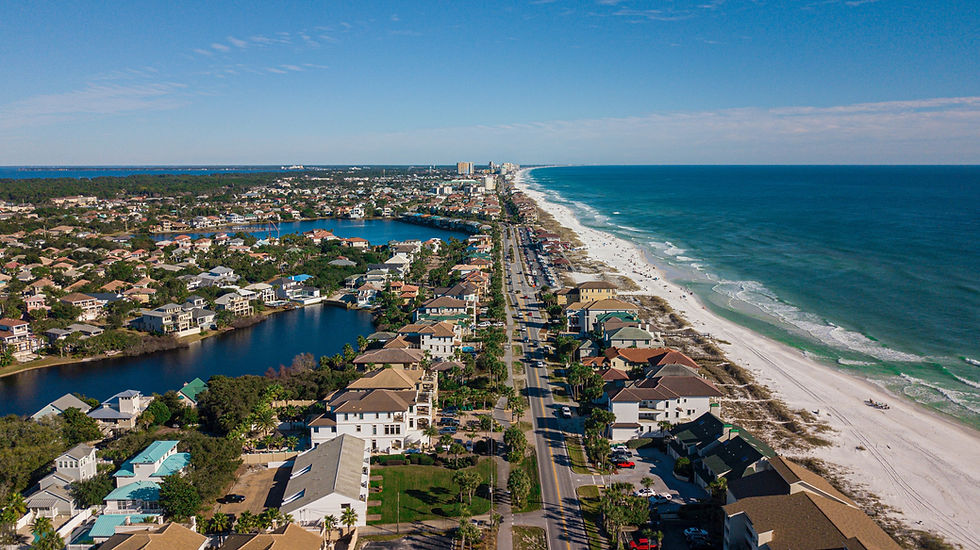
Grayland sits seven miles south of Westport in Grays Harbor County, under the same county STR ordinance (469/498, Smart Gov-administered) already covering Ocean Shores and Westport in this cluster's existing pillar , but its identity is genuinely distinct. This is Washington's Cranberry Coast: commercial bog cultivation dating to 1872-1877 land purchases, Finnish-settler bog development expanding through the 1910s, and the Furford Berry Picker, invented in 1957 and now the subject of the Furford Cranberry Museum. Paired with the quieter, less-developed Grayland Beach State Park , 412 acres and over 7,400 feet of shoreline , Grayland offers an explicit, marketable contrast to Westport's busier surf-town crowds.
A Real Industry, Not a Nostalgia Story
The cranberry industry here is still active, with a genuine harvest and museum culture, not a "used to be" story told for effect. The annual Cranberry Harvest Festival , a long-running event, 32nd annual edition referenced in current sources, typically the second weekend of October , features a cook-off, bog tours, and a Firefly Parade, and gives the market its clearest dated demand driver.
The First Named Competitor in This Expansion
Grayland has something no other market in this batch does: a confirmed, named regional property manager already active here. Beachy Day (Beachy Day.com) explicitly serves Westport, Grayland, and Tokeland beaches and is a member of the Westport-Grayland Chamber of Commerce. That presence is worth citing directly , it signals real, if modest, professional-management interest already exists in this specific market, changing the competitive picture from a vacuum to a real, if still limited, field.
What the Data Shows , and Where It Disagrees
Two available sources broadly agree on annual revenue but diverge on the specifics. Rabbu reports 76 active listings, named-town occupancy pins as of 2026-07-31, and a $166 average daily rate (2023 data); strprofitmap.com reports a $209 ADR and named-town occupancy pins as of 2026-07-31. Both land in the same rough annual revenue range despite the divergent ADR and occupancy figures. Report both, attributed, rather than picking one as authoritative , the disagreement itself is informative about how immature this specific market's public data still is.
The Shared Regulatory Framework
Grayland hosts operate under the identical Grays Harbor County ordinance already covering Ocean Shores and Westport in the existing pillar post , a genuine ease-of-entry point for anyone already familiar with that framework, and one that should be stated plainly rather than re-explained from scratch.
Grayland Beach State Park: The Quiet Alternative, By the Numbers
Grayland Beach State Park anchors the town's quieter positioning with real, specific scale: 412 acres and more than 7,400 feet of shoreline, giving guests genuine room to spread out compared to the busier, more concentrated beach access points in Westport just seven miles north. This isn't a vague "less crowded" claim , it's a park large enough to absorb visitor traffic without the packed-parking-lot feeling that can define a peak-season Westport weekend, and that difference is exactly what a guest actively choosing Grayland over Westport is looking for.
For a property marketed near the park, that scale is a concrete selling point: space for beach walks, kite flying, and quiet mornings without needing to arrive early to beat a crowd. Framing the park by its actual size and shoreline length, rather than a generic "beautiful beach nearby" line, gives a prospective guest something specific to picture and gives search engines and AI assistants a concrete fact to associate with a Grayland stay.
The Cranberry Harvest Festival as a Demand Anchor
Grayland's cranberry identity isn't just a historical footnote , it's an active, still-running annual event. The Cranberry Harvest Festival, with a 32nd annual edition referenced in current sources, typically lands the second weekend of October and features a cook-off, bog tours, and a Firefly Parade. That's a real, dated demand driver sitting in a shoulder season most coastal markets in this cluster don't have a comparable event for, since most of the outer-coast cluster's programming concentrates in summer.
For an investor, that October timing is worth noting specifically: it extends Grayland's realistic demand calendar beyond the summer beach season that dominates Westport and Ocean Shores, giving a Grayland property a second, distinct booking opportunity tied to a genuinely unique local industry rather than generic fall coastal tourism. Bog tours and a cook-off built around an actual working agricultural product , one still cultivated commercially in the area , give this event a specificity that a generic "fall festival" elsewhere on the coast can't match.
Positioning Grayland Against Westport for an Investor Weighing Both
Because Grayland shares Grays Harbor County's regulatory framework with Westport and Ocean Shores, an investor already evaluating those markets can weigh Grayland with minimal additional regulatory research , the compliance picture doesn't change, only the town does. What does change is the guest profile and the competitive intensity: Westport's surf-town identity draws a younger, more activity-driven crowd competing across a larger number of listings, while Grayland's cranberry-heritage and quiet-beach positioning draws a guest who has already decided against that busier scene, competing across a smaller, less saturated set of listings with at least one confirmed, named professional operator already active.
That combination , genuine differentiation, a real if secondary industry story, and a smaller competitive field , makes Grayland a reasonable second look for an investor who has already priced Westport and found it more competitive, or more expensive, than expected. It is not a straightforward substitute for Westport's higher-traffic summer demand, and this report should be read as positioning Grayland as a distinct, quieter tier rather than an equally strong but overlooked twin.
The Furford Berry Picker and What It Signals About This Market
The Furford Berry Picker, invented in 1957 and now the subject of the Furford Cranberry Museum, is more than a curiosity , it's a genuine, locally invented piece of agricultural technology that changed how cranberries are commercially harvested, and it gives Grayland's cranberry-coast identity a real innovation story rather than a purely nostalgic one. That distinction matters for content and marketing purposes: a market that can point to a specific invention, a specific museum, and a still-active annual harvest has a depth of story most "heritage" branding in coastal tourism can't actually back up with anything beyond a vague reference to "history."
This depth also gives Grayland content , market reports, listing copy, guidebook material , a genuine edge for AI-citation and search-visibility purposes, in the same way this cluster's other reports lean on specific, checkable facts rather than generic scenery description. A report or a listing that names the Furford Berry Picker, its 1957 invention date, and the museum built around it gives an AI assistant or search engine something concrete and unique to point to when someone asks what actually makes Grayland different from any other small Washington coastal town.
What an Owner Should Verify Before Trusting Any Single Figure
Because Grayland's two available data sources , Rabbu and strprofitmap.com , disagree meaningfully on ADR ($166 versus $209) and occupancy (49% versus 45%) while roughly agreeing on annual revenue (~), an owner or investor should treat any single number pulled from either source in isolation with real caution. The safer approach is to report both figures with their source attributed, as this report does, and to re-confirm both against live listings before making a purchase or pricing decision , a $43 gap in reported ADR is large enough to meaningfully change a return projection depending on which source is trusted.
This kind of source disagreement is common in smaller, less-tracked STR markets, and Grayland's case is a useful reminder that third-party aggregator data should be treated as a directional estimate rather than ground truth, particularly in a market this size where the underlying sample of tracked listings (Rabbu's cited 76 active listings) is small enough that individual outliers can meaningfully shift the reported average.
What to Verify Before Publishing Firm Numbers
Given the pace at which small-market STR data can shift, an owner or investor relying on this report should re-confirm current listing counts and rate data against live Rabbu and strprofitmap sources rather than treating the figures here as permanently current, and should confirm the exact current-year Cranberry Harvest Festival dates directly rather than assuming the second-weekend-of-October pattern holds every year without exception.
Taken together, the state park's scale, the cranberry industry's genuine depth, the confirmed presence of a named professional operator, and the shared Grays Harbor County regulatory framework give Grayland a more complete, evidence-backed profile than most small markets in this regional expansion , even with the data gaps and source disagreements this report has been careful to name directly rather than paper over.
An owner or investor who reads only one takeaway from this report should take this one: Grayland rewards specificity, not vagueness, and the market's real facts already give any listing or investment thesis more than enough distinctive, checkable material to work with.
the Crest & Cove intro·local SEO keywords that actually book·the five elements of a converting hero·how to compare STR marketing agencies·Asheville paddling spots worth the drive·this cluster against named-town AirROI pins·Destin against AirROI, not leftover year·prior cluster against AirROI pins.
Related Reading
Keep reading on same-cluster Crest & Cove pages that stay on labeled local lines without costume-corridor copy.
How to Market a Short-Term Rental in Grayland for Independent Hosts
DIY vs. Hire in Many, LA: Why Independent Hosts Still Run Most Listings
DIY or Hire in Depoe Bay: What the Numbers Say for STR hosts
DIY vs Hire in Seattle: Independents Still Write Most Listings
Financing a Springfield, MA Rental Without a Neighbor City Year
Financing a Grove, OK Rental: What a DSCR Underwriter Actually Wants
What It Actually Costs to Start a Grove OK STR: The One Published Fee
Frequently Asked Questions
What makes Grayland WA different from Westport?
Grayland's identity is built on commercial cranberry cultivation dating to the 1870s and the quieter, less-crowded Grayland Beach State Park, in deliberate contrast to Westport's busier surf-town scene seven miles north - even though both sit under the same Grays Harbor County regulatory framework. The real difference shows up in guest profile and competitive intensity: Westport draws a younger, activity-driven crowd across a larger set of listings, while Grayland draws a guest who has already decided against that busier scene, competing across a smaller, less saturated set of listings.
Is Grayland a good vacation rental market for a new investor?
The market has real differentiation working in its favor: a genuine cranberry-heritage identity, a confirmed active regional manager (Beachy Day) already operating here, and a dated demand anchor in the annual Cranberry Harvest Festival. That said, this is a small, less-tracked market where the two available third-party data sources - Rabbu and strprofitmap.com - disagree meaningfully on both ADR and occupancy, so any single number pulled from either source should be treated with real caution rather than as settled fact.
What STR ordinance applies in Grayland?
Grayland operates under the Grays Harbor County ordinance (469/498, administered through Smart Gov) - the same framework already covering Ocean Shores and Westport in this cluster. Grayland sits about seven miles south of Westport within that same county jurisdiction, so a host already familiar with the Ocean Shores or Westport rules is working from the same regulatory baseline here, even though Grayland's market identity is genuinely distinct from either.
Who is Beachy Day, and why does it matter for Grayland hosts?
Beachy Day is a confirmed, named regional property manager explicitly serving Westport, Grayland, and Tokeland beaches, and a member of the Westport-Grayland Chamber of Commerce. That makes it the first concretely named competitor identified in this stretch of the regional expansion - a useful benchmark for an independent host trying to understand who else is actively managing listings in the same three-beach corridor.
What is the Cranberry Harvest Festival, and when does it happen?
The Cranberry Harvest Festival is a long-running annual event - the 32nd edition was referenced in current sources - typically held the second weekend of October. It features a cook-off, bog tours, and a Firefly Parade, and it functions as Grayland's clearest dated demand driver, giving hosts a specific weekend to price and market around rather than a vague 'fall season' claim.
What is the average daily rate for a Grayland vacation rental?
The two available data sources disagree. Rabbu reports 76 active listings and a $166 average daily rate; strprofitmap.com reports $209. The two sources also disagree on occupancy - 49 percent versus 45 percent. Neither figure should be treated as settled without checking both, and a host or investor pricing a Grayland listing should report both numbers with attribution rather than picking whichever one looks better.
How does Grayland Beach State Park factor into the market's positioning against Westport?
The park is genuinely large enough to absorb visitor traffic without the packed-parking-lot feeling that can define a peak-season Westport weekend, which is exactly the difference a guest actively choosing Grayland over Westport is looking for. It's not a vague 'less crowded' marketing claim - it's a specific, checkable feature of the park itself that supports Grayland's quieter positioning in a way a listing can honestly describe.
What should an owner verify before trusting any single revenue figure for Grayland?
Source disagreement like the ADR and occupancy gap between Rabbu and strprofitmap.com is common in smaller, less-tracked STR markets, and Grayland is a useful reminder that third-party aggregator data should be treated as directional rather than as ground truth. An owner should pull both sources, note where they agree and disagree, and lean on their own trailing-twelve-month data once a listing has enough booking history to generate it.
Work with Crest & Cove Creative
Grayland Beach State Park absorbs visitor traffic without the packed-lot feeling of a peak Westport weekend, and even Rabbu and strprofitmap.com disagree on this market's own ADR and occupancy.
We help independent Grayland hosts market this town's real position against Westport instead of one smoothed regional average.
Reach out at crestcove.co or (256) 998-7502.


Comments