
Finance Purchase Woodstock V Peak Occupancy Is Not the Year

Updated: Aug 28
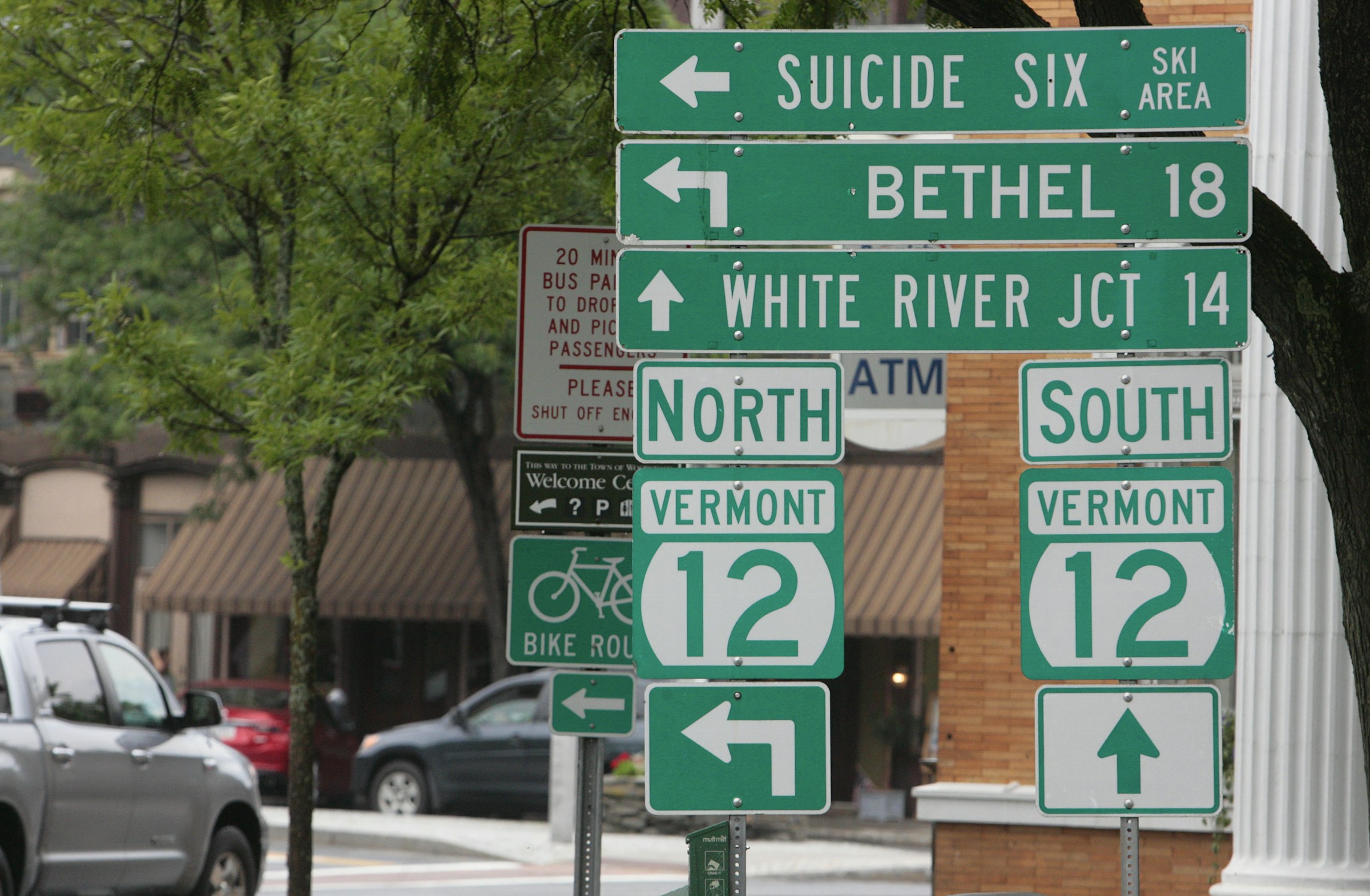
Buying a short-term rental in Woodstock, VT is not the same underwriting problem as buying a long-term rental in a city with year-round W-2 tenants. Lenders who understand DSCR will still ask what happens inmud season, whether the Village cap applies, and whether the house is in the Village, the Town, or Hartford (Quechee). Ask whether they will accept short-term rental income at all, at what haircut, and whether a Village cap problem is a decline or a condition.
This is general information for hosts and buyers, not a loan offer and not advice from a mortgage broker. Rates move. Programs change. Confirm every number with a lender who has closed a Vermont investment property recently. A conventional investment-property mortgage still starts with your income, credit, and reserves. What blows up a file: no permit path in the Village; treating Quechee as Village of Woodstock; using statewide hotel occupancy as if it were this house; ignoring the 3% surcharge plus 9% rooms tax plus local option when you model net; a contractor bid that appears after you locked the loan amount.
The locked AirROI TTM for this cluster (Airbnb-only, August 2025–July 2026, updated 2026-08-08) shows median per month, peak months October, August, and February,. That seasonality is the underwriting story. It is not a rent roll a conventional lender will treat like a 12-month lease. AirROI’s locked TTM for this cluster still peaks in October, August, and February, median per month,.
Cost on this clusteris what you spend before the loan story. Regulation and investment are whether the cap lets you operate.Tourism data is why guests existin the county. This post is how a lender will treat that story.Visitor guide is what you tell guestsafter you close. Read them in that order if you are buying. Read this one last if you already own and want cash-out.
Read This Before You Underwrite: Village, Town, Hartford
TheVillage of Woodstock’s short-term rental capis a credit risk if your business plan requires nightly guests. A loan that only works if the house is a legal STR does not work if the permit never issues. Read thecap postand the ordinance. Confirm with the clerk whether a permit is available for that parcel. The55-permit frameworkis a legal-use question before it is a coverage-ratio question.
Town of Woodstock parcels are not automatically under the Village cap. They are also not automatically easier. Different walk, different rules. A Town file that is labeled “Woodstock” in the lender’s system still needs the Town clerk, not the Village clerk. Town of Woodstock parcels are not automatically under that cap. Send: address, Village versus Town versus Hartford, permit status, tax stack you actually owe, trailing twelve if it exists, a 12-month occupancy that includes mud season, HOA or historic-district rules if any, and who will manage turns.
Quechee is the Town of Hartford. Local option tax is a Hartford question — the Department of Taxes footnote says Hartford includes Quechee, White River Junction, West Hartford, and Wilder. A lender’s “Woodstock” file that is actually Hartford will get the wrong tax stack if nobody checks. Hartford — which the department’s footnote says includes Quechee — dates to October 2017.
Put the jurisdiction on the first page of the loan package. Appraisers and underwriters do not walk the green for fun. They use the address you give them. Clerk first if you do not know the jurisdiction and the permit. Lender first if you already operate and need cash-out on a proven file. Photographer last. A lender conversation before a clerk conversation is how people fall in love with a house they cannot rent.
Conventional Investment Mortgages Versus DSCR
A conventional investment-property mortgage still starts with your income, credit, and reserves. Projected Airbnb income is often discounted or ignored until there is a track record. If you have strong W-2 or other qualifying income, this path can be cheaper than DSCR. If the house only “works” on peak October nights, a conventional underwriter may not care.
DSCR (debt service coverage ratio) loans qualify the property more than the person. The lender divides expected annual income by annual debt service. Short-term rental income is usually treated as riskier than a long-term lease, which is why DSCR pricing is often higher and down-payment expectations are often 20–25% in the broader market. Those ranges are industry norms, not a Woodstock rate sheet. Confirm with the lender.
If you have strong qualifying income and want a cheaper conventional investment loan, do not let a DSCR ad talk you out of it. If the house cannot legally operate as an STR, DSCR on projected Airbnb income is the wrong conversation. If you need the house as a second home, say second home. The product should follow the facts of the parcel. Do not send a lender the VDTM Windsor County $484.9 million visitor-spend table as if it were your rent roll. That number is county tourism, not your nights.
After a decline, ask why. If it was the cap, you have a clerk problem. If it was income, you have a product problem. If it was comps, you have an appraisal problem. Do not apply to six lenders with the same broken story and a tourism brochure attached. Do not apply to six lenders with the same broken story.
How Lenders See Seasonality Here
October, August, and February lead thelocked AirROI sample. Mud season does not. A 12-month DSCR that assumes October every month will not match deposits. Be ready to show an actual trailing twelve if the house already operates, a conservative occupancy that does not pretend mud season is foliage, and the Village cap or Town/Hartford rule that lets you operate at all.
If the underwriter asks why December is empty, you do not owe a novel. You owe: foliage and late-summer and a February ski-adjacent bump show up in this cluster’s locked TTM; mud season is quiet; here is mytrailing twelve; here is a conservative year-two. That is a better letter than “Vermont is magical year-round.”. Be ready to show an actual trailing twelve if the house already operates, a conservative occupancy that does not pretend mud season is foliage, and the Village cap or Town/Hartford rule that lets you operate at all.
Second-home programs are a different box. If you will use the house yourself and rent part of the year, say so. Mixing “full-time STR” language with “second home” documents is how files stall. A file that is a primary residence in the letter and a full-time STR in the listing will get someone in trouble. Occupancy rules and occupancy intent have to match. Second-home programs usually want your use. If you will rent most weekends in October, say so early. Investment programs usually want distance and income. If you live upstairs and rent the ell, that is a different product again — and a different Village question. Pick one story. Write the listing after the loan story is stable, not before.
Statewide hotel occupancy on VDTM’s research page (64.6% in 2024, 59.4% in 2025) is a hotel series, not Woodstock STR. The same page’s Key Data vacation-rental series is statewide. Do not drop either number into a DSCR worksheet as if it were this house. Do not send Windsor County’s $484.9 million 2024 visitor spend (Vermont Department of Tourism and Marketing / Tourism Economics, published November 2025) as if it were this house’s rent roll.
Down Payment, Reserves, and Appraisal
Down payment for investment and DSCR products is commonly higher than a primary residence. We are not going to invent a Woodstock-specific percentage. Ask for the program’s current minimum and the rate difference if you put more down. Ask for the rate, the points, the prepay penalty, and whether the DSCR test is monthly or annual. Ask what happens if foliage is late and October is soft. Ask whether they need an entity and whether they will lend to that entity. None of those answers are in the VDTM report.
Reserves: expect the lender to want cash after closing. A village house with old mechanicals is not the place to be empty the week the boiler fails. Hosts who already own in Woodstock sometimes want to pull cash to furnish or to buy a second parcel. Whether a cash-out or HELOC is available depends on the first lien, occupancy, and the bank. We will not invent a village LTV. What you can prepare: permit status, tax returns, a conservative rent history, and a contractor bid if the cash is for work. If thesecond parcel cannot get a permit, you are financing a house, not an STR.
Appraisal: comparable sales in a 55-permit village are scarce. An appraiser who pulls lake cabins from the next county is not doing you a favor. Local comps, permitted versus unpermitted, Village versus Town, matter. If the appraisal comes in low, your DSCR and your cash-to-close both move. Club memberships, if any, are usually separate from the real estate. Do not assume a club bill belongs in the loan. After 12–24 months of clean books, a refinance conversation is about your actual nights, not VDTM. Keep monthly statements, permit renewals, and insurance declarations.
Put the Tax Stack in the File, Not in a Brochure
Lenders who will count short-term rental income will ask what you keep after tax. Use the Department of Taxes stack: 9% rooms tax, the 3% surcharge on rents collected on or after August 1, 2024 (Act 183), and a 1% local option if the municipality is on the official list. Woodstock’s meals-and-rooms local option dates to July 2015. Hartford — which the department’s footnote says includes Quechee — dates to October 2017. Combined 13% when all three apply is a modeling input, not a rate lock.
If the file is platform-only, the platform remits the rooms stack. If you will take any direct nights, you register (free) and file Form MRT-441 electronically when you remit the surcharge. A loan package that ignores independent nights is not conservative. It is incomplete. A lender’s “Woodstock” file that is actually Hartford will get the wrong tax stack if nobody checks.
Do not send Windsor County’s $484.9 million 2024 visitor spend (Vermont Department of Tourism and Marketing / Tourism Economics, published November 2025) as if it were this house’s rent roll. Lodging in that county table was $184.7 million — inns, hotels, campgrounds, and short-term rentals together. Direct visitor jobs in Windsor were 3,569. Those figures explain why a foliage Saturday feels busy. They do not replace a trailing twelve. Marsh-Billings-Rockefeller’s 2024 NPS Visitor Spending Effects line is 81,713 recreation visits and about $5.75 million in gateway spending, supporting an estimated 51 jobs. That is park-gateway economics. It is not occupancy for a Village farmhouse and it is not an appraisal exhibit.
Lamoille County (Stowe) recorded $612.0 million in visitor spending in 2024. That is a larger, more ski-weighted visitor machine.Woodstock versus Stoweis a different playbook — thiscluster already has that comparison post. Do not underwrite a Village farmhouse as if it were a Stowe slope-side condo, and do not send the Lamoille table as proof your Quechee nights will look like Stowe.
Stay Length Is an Underwriting Fact
Vermont’s short-term rental definition — fewer than 30 consecutive days, and more than 14 days in a calendar year — is how the surcharge attaches. A 30-or-more consecutive-day occupant is a permanent resident on the tax page. If your DSCR story is nightly guests in a capped Village, a file that quietly assumes winter-long tenants is a different product. Say which one you are buying.
The Village 55-permit cap is a legal-use question before it is a coverage-ratio question. Town of Woodstock parcels are not automatically under that cap. Quechee is Hartford. Put the jurisdiction on page one of the package so the appraiser does not treat a Hartford house as a Village walk. Town of Woodstock parcels are not automatically under the Village cap.
AirROI’s locked TTM for this cluster still peaks in October, August, and February, median per month,. A 12-month DSCR that annualizes October is the file that later needs a letter of explanation. Use a full year that includes mud season. After you close: insurance binder that allows short-term rental, tax registration live, permit in hand before the first night, photos after furniture, and a calendar that does not promise October if you close in September and the house is still a job site.
How to Talk to a Lender Without Sending Them Tourism Brochures
Send: address, Village versus Town versus Hartford, permit status, tax stack you actually owe, trailing twelve if it exists, a 12-month occupancy that includes mud season, HOA or historic-district rules if any, and who will manage turns. Do not send: Windsor County $484.9 million as “demand proof” that replaces a rent roll, a blog ADR, or a claim that AirROI’s median is this house.
If the lender has never closed in Windsor County, expect extra time. That is not an insult. It is a scarce-comp market. Ask whether they will accept short-term rental income at all, at what haircut, and whether a Village cap problem is a decline or a condition. A local mortgage person who has closed on the green is worth more than a national DSCR landing page. Ask how many Windsor County investment files they funded in the last year. If the answer is zero, keep shopping.
What blows up a file: no permit path in the Village; treating Quechee as Village of Woodstock; using statewide hotel occupancy as if it were this house; ignoring the 3% surcharge plus 9% rooms tax plus local option when you model net; a contractor bid that appears after you locked the loan amount. Lenders condition on insurance, a permit letter, reserves landing, an entity document, a well test. A Village permit letter that is “in process” is not the same as a permit. Do not let a loan close on a hope.
Have a folder ready: entity papers if any, two years of tax returns, current mortgage statement if cash-out, insurance declarations, permit or clerk email, a 12-month calendar export if the house already operates, HOA docs if any, well/septic inspection if relevant. On the pre-application call you give address, jurisdiction, permit status, intended use, occupancy story, target close date, and cash on hand. They give the product they would even offer, income they will count, reserve requirement, appraisal approach, and conditions they already know. If they cannot answer jurisdiction, find another lender. If a file is declined, ask why. If it was the cap, you have a clerk problem. If it was income, you have a product problem. If it was comps, you have an appraisal problem. Do not apply to six lenders with the same broken story.
Frequently Asked Questions
Can I get a DSCR loan on a Woodstock Village house?
Often yes if the property can legally operate and the numbers meet that lender’s DSCR. The Village cap and zoning are the first questions, not the last. A loan that only works if the house is a legal short-term rental does not work if the permit never issues. Confirm the parcel with the clerk before you shop programs.
Will a lender use AirROI’s /month median as my income?
Not as a substitute for this property’s actual or conservative pro forma. That figure is a cluster TTM sample — Airbnb-only, August 2025–July 2026, updated 2026-08-08,, peak months October, August, and February. It is not an appraisal exhibit and it is not this house’s rent roll. Keep it out of the income line. The locked AirROI TTM for this cluster (Airbnb-only, August 2025–July 2026, updated 2026-08-08) shows median per month, peak months October, August, and February,.
Is Quechee underwritten like the Village of Woodstock?
Quechee is the Town of Hartford. Different rules, a different local-option date (October 2017 on the Department of Taxes list), and often an HOA. A lender file labeled “Woodstock” that is actually Hartford will get the wrong tax stack if nobody checks. Put the jurisdiction on page one of the package. A lender’s “Woodstock” file that is actually Hartford will get the wrong tax stack if nobody checks.
Do I need 20–25% down?
Many DSCR programs live in that band nationally. Those ranges are industry norms, not a Village ordinance and not a Woodstock rate sheet. Ask for the program’s current minimum and the rate difference if you put more down. Confirm with a lender who has closed a Vermont investment property recently. Confirm every number with a lender who has closed a Vermont investment property recently.
How does mud season affect DSCR?
If income is seasonal, a lender who annualizes peak months only will overstate coverage. October, August, and February lead this cluster’s locked AirROI sample. Use a full year that includes the shoulder. A letter that says “Vermont is magical year-round” is worse than a trailing twelve. AirROI’s locked TTM for this cluster still peaks in October, August, and February, median per month,.
Should I use a local lender?
Use someone who has closed Vermont investment or DSCR files and understands Village versus Town versus Hartford. Ask how many Windsor County investment files they funded in the last year. If the answer is zero, keep shopping. A national DSCR landing page will not walk the green for you or name the cap. A local mortgage person who has closed on the green is worth more than a national DSCR landing page.
Does the 55-permit cap affect my mortgage?
It affects whether the business plan is legal. That is an underwriting issue if the loan depends on short-term rental income. A permit letter that is “in process” is not a permit. Do not let a loan close on a hope. Town parcels are not automatically under the Village cap. After you close: insurance binder that allows short-term rental, tax registration live, permit in hand before the first night, photos after furniture, and a calendar that does not promise October if you close in September and the house is still a job site.
Where do I confirm taxes that hit net income?
Vermont Department of Taxes: rooms tax 9%, short-term rental surcharge 3% on rents collected on or after August 1, 2024, and local option if the municipality is on the list. Woodstock meals-and-rooms local option dates to July 2015. Hartford (Quechee) dates to October 2017. Use the Department of Taxes stack: 9% rooms tax, the 3% surcharge on rents collected on or after August 1, 2024 (Act 183), and a 1% local option if the municipality is on the official list.
Keep going on Crest & Cove:the Crest & Cove intro·local SEO keywords that actually book·the five elements of a converting hero·how to compare STR marketing agencies·Asheville paddling spots worth the drive·this cluster against named-town AirROI pins·Destin against AirROI, not leftover year·prior cluster against AirROI pins.
Related Reading
Keep reading on same-cluster Crest & Cove pages that stay on labeled local lines without costume-corridor copy.
How to Market a Geneva-on-the-Lake Rental (Without Generic Lake Copy)
Market Holland by Eighth Street and De Zwaan, Not Generic Lakeshore
How to Market a Sonoita Stay: The AVA, Not a Tucson Wine Caption
How to Market a Union Pier, MI STR With a Fixed Permit Field
Market Marathon by Seven Mile Bridge, Not Key West's Sunset Costume
How to Market a Rochester, NY Rental Around Lilacs, Jazz, and Eastman
How to Market a Lubec, Maine Rental to the Guest Who Already Knows
How to Market a Winterset Stay: Roseman, Holliwell, and Cedar
Work with Crest & Cove Creative
Peak occupancy is not the year. Named-town AirROI pins only.crestcove.coor(256) 998-7502.
Peak occupancy is not the year. Named-town AirROI pins only.crestcove.coor(256) 998-7502.
Peak occupancy is not the year. Named-town AirROI pins only.crestcove.coor(256) 998-7502.
Peak occupancy is not the year. Named-town AirROI pins only.crestcove.coor(256) 998-7502.
A Woodstock, VT loan file still has to name the permit, the tax stack, and the mud-season months — not a county tourism brochure.
Crest & Cove Creative works with independent short-term rental hosts who want marketing built around how their specific property and market actually work — not a franchise playbook. See what we do atcrestcove.co, or call (256) 998-7502 to talk through your situation. Reach out at crestcove.co or (256) 998-7502.


Comments