
Marketing a Registered Bar Harbor VR-2 Under a Capped Permit System

Updated: Aug 27
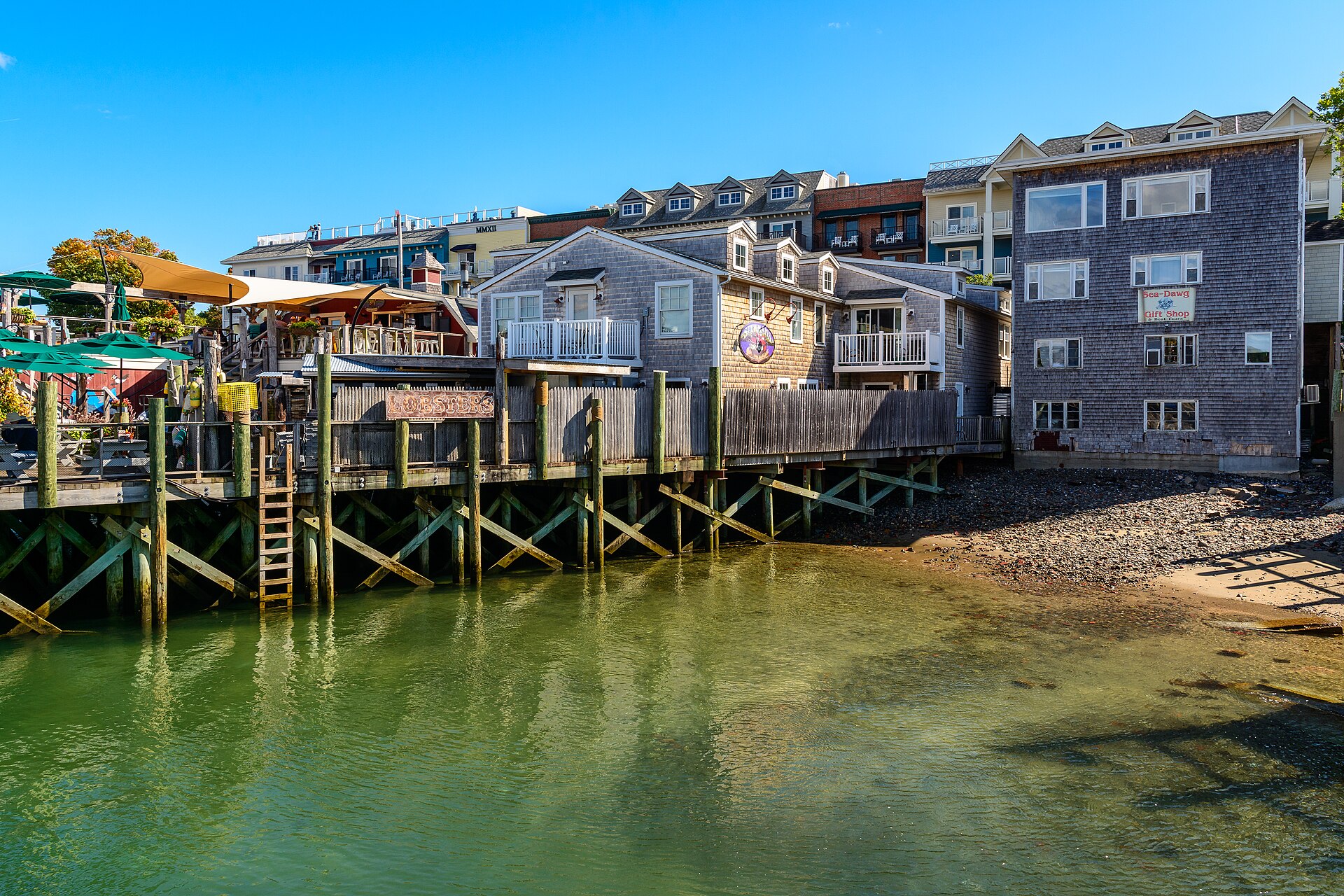
A Bar Harbor VR-2 registration is scarce, and it is tied to the individual holder — a status that shapes almost every marketing decision that follows. The town's short-term rental registration system runs under a local cap, commonly cited around 9 percent, and the published market year for a registered stay inside the incorporated town is a materially different product than an unregistered house being marketed as though it might come online eventually. That distinction has to be settled before a single photo gets taken or a line of listing copy gets written, and it should stay settled throughout the rest of the marketing process rather than fading into the background once the listing goes live.
Once that distinction is settled, the honest marketing conversation for a Bar Harbor Airbnb is less about clever positioning and more about resisting the temptation to borrow numbers, comps, and imagery that don't actually belong to the specific parcel being marketed. A registered, incorporated-town VR-2 has a real year to market — a clear year around $47,850 with a median month around $4,686 is closer to what this profile actually produces than the vague, larger figures that tend to circulate informally. The job is to build a listing and a marketing story around that real number and this specific driveway, not around Mount Desert Island's broader visitor economy or a neighboring town's comp set. This is not legal advice.
Town the Registered Stay, Not a Leftover Number
The published market year for a Bar Harbor short-term rental only applies to a registered Chapter 174 stay inside the incorporated town. If a property is not registered, it is not a stay that can legally be advertised as available, regardless of how the listing describes it — an unregistered house is not a listing that can be dressed up as 'coming soon.' Confirming registration status under Chapter 174 is the first and most important step, before any conversation about photography, pricing, or copywriting begins.
It's also worth being direct about what not to market. You'll see generic figures thrown around for 'a Bar Harbor Airbnb' — informal ranges in the neighborhood of $45,000 to $100,000 for a year, or references to a single Memorial Day weekend peak as if that one weekend represents the whole season. Those are not real numbers for a specific, registered VR-2, and using them anywhere in a listing or a marketing conversation with a buyer or guest sets an expectation the actual property may not be able to meet. The more defensible number for a registered incorporated-town stay is the clear year of roughly $47,850 with a median month around $4,686 — a real, specific figure that a specific registered VR-2 can be expected to approach, rather than a rounder, larger number pulled from somewhere else.
A VR-2 is scarce and tied to the holder, which means the registration itself is part of the property's marketable value — a fact that matters as much to a prospective buyer as to a guest deciding where to book. If you are marketing the property for sale as much as for nightly bookings, the registration status and its non-transferability should be disclosed clearly rather than implied through an inflated income projection built on numbers the specific parcel has never actually produced.
Photograph What the Guest Can Actually Reach
Photograph the village if the guest can walk it. Photograph the Shore Path and the timed drive into town if the house sits off the sidewalk, further from the walkable core. Show the parking situation and what the last stretch of road looks like after dark — those are the details a guest actually needs before arriving, not an afterthought to a scenic gallery. Photos have to stand up next to the honest numbers the property produces; a fake Shore Path stroll or an implied walk-to-everything narrative for a house that actually requires a drive is a review risk, not a marketing win.
This matters more in Bar Harbor than in a market with looser listing stock, precisely because the registration cap makes every registered listing more visible and more scrutinized. Guests booking a scarce, capped-market property are paying a premium for that scarcity, and an inaccurate walkability claim in the photos or copy is the fastest way to turn that premium booking into a critical review. The photography job here is not to compete on drama — it is to be honest about exactly what a guest gets: the village, the Shore Path, a drive, a parking spot, a specific house.
Name Southwest Harbor as a Day Trip, Not the Bed
Southwest Harbor and the working harbor are a genuine day trip from a Bar Harbor driveway — worth mentioning in a listing's local guide — but they are not the bed being marketed, and they should not be treated as a comparable property when building a pricing or income story. Southwest Harbor's own market runs on its own numbers: a watch year around $40,007 across roughly 268 listings, with no local cap reported as of the most recent data. That is a meaningfully different regulatory and listing stock environment than incorporated Bar Harbor's capped, registration-scarce system.
If you are choosing which Mount Desert Island published market year a specific parcel actually fits, use Bar Harbor versus Southwest Harbor as the comparison, and keep each town's figures on its own labeled line rather than blending them into a single 'Mount Desert Island' number. Keep the quiet working-harbor docks in Southwest Harbor as a wake-up call for the local guide section of a listing, not as the year you use to justify a Bar Harbor rate. Keep this property's own $47,850 host year, and treat the absence of a comparable published year for an unregistered house as exactly that — an absence, not a number to fill in with someone else's town.
Know Where the Bookings Actually Come From
New York, then Boston, book this market — the two dominant origin markets for Bar Harbor guests, in that order. That matters for where any paid promotion or content effort gets targeted, and it matters for how a listing's copy frames drive time and travel logistics. A guest coming from New York is thinking about a longer trip and a bigger commitment than a guest coming from within New England, and the listing description should speak to that traveler's actual planning horizon rather than assuming every guest is a short regional drive away.
Summer remains the core booking season, with August, September, and June carrying the heaviest demand. The market also shows meaningful activity in the January-through-March window, which is worth tracking separately rather than assuming winter is dead simply because it isn't summer — January in particular has been noted as a comparatively softer shoulder point within that winter activity. The takeaway for a host building a year-round calendar is to treat the shoulder and winter months as their own smaller opportunity with their own honest story, rather than either ignoring them entirely or promising a summer-level experience the property and the town can't actually deliver in February.
Do Not Borrow Acadia's Regional Number as the Property's Own Year
Mount Desert Island and Acadia National Park support a very large regional visitor economy — one of the reasons Bar Harbor's registration is so tightly capped and so competitively sought after in the first place. But a region's total visitor spending is not the same thing as any single registered VR-2's realistic booking year, and the two should never be conflated in a listing or a pitch to a prospective buyer. Borrowing the scale of the region's overall tourism economy to imply a specific property's income potential is the same mistake as borrowing Southwest Harbor's numbers or a generic 'Bar Harbor Airbnb' range — it describes something real, just not the thing actually being marketed.
The property being marketed is one house, with one registration status, producing one real, verifiable year of activity. That is a smaller, more specific, and more defensible story than a regional visitor-spending figure, and it is the story that survives scrutiny from a skeptical guest, a careful buyer, or a Chapter 174 compliance conversation.
This distinction matters even more in a market where a single high-profile regional statistic is easy to find and easy to repeat. A prospective buyer researching Bar Harbor will run across the island's overall visitor-economy scale within minutes of searching. The temptation to fold that number into a pitch for a single house is understandable, but it does not survive even mild scrutiny — a specific buyer or agent asking 'is that the region's number or this house's number' deserves a direct, honest answer, and the honest answer should already be built into the listing and the pitch before that question gets asked.
Write Copy That Survives a Chapter 174 Call
Every claim in a Bar Harbor listing — walkability, occupancy limits, parking, the registration status itself — should be written so it would survive a direct compliance question from the town under Chapter 174. That standard is a higher bar than most generic vacation-rental copywriting advice, and it is the right bar for a market this scrutinized. If a claim in the listing could not be defended in a conversation with the town's registration office, it should not be in the listing.
That discipline extends to what the listing implies about income or occupancy status to a prospective buyer as much as to a guest. A registered VR-2 is scarce and valuable precisely because the registration is hard to get and does not automatically transfer with a sale. Marketing copy — whether aimed at booking guests or at a future buyer — that treats the registration as more transferable, more permanent, or more universally available than it actually is sets up exactly the kind of expectation gap that a capped, closely watched market like Bar Harbor has little tolerance for.
This same discipline should extend to how a listing talks about occupancy limits, quiet hours, and parking rules that come attached to a Chapter 174 registration. Guests booking a scarce, well-reviewed property in a capped market are often paying a premium precisely because the town has kept the overall supply tight and orderly. A listing that quietly glosses over a house rule tied to the registration — an occupancy cap, a parking restriction, a quiet-hours window — is not just risking a bad review; it is risking the kind of complaint that draws the town's attention back to the registration itself.
DIY or Hire: What Changes Once the Registration Is Confirmed
Once Chapter 174 registration is confirmed, the DIY-versus-hire question for a Bar Harbor host looks a lot like it does in any other scarce, high-scrutiny short-term rental market: the decision hinges on whether the host can produce photography and copy that is both honest and competitive against other registered listings, or whether that work is better handed to someone who does it for a living. A host who can walk their own village or Shore Path proximity, shoot it honestly in good light, and write copy that would survive a direct compliance question has a real path to running this DIY. A host whose property sits further from the walkable core, or who has struggled to write copy that doesn't quietly oversell the location, is a better candidate for outside help specifically on photography and listing architecture.
The scarcity of the registration itself changes the stakes of that decision in a way that a market with looser listing stock doesn't share. In an uncapped market, a mediocre listing simply underperforms; the guest who would have booked it books a comparable property instead, and the cost is lost revenue. In Bar Harbor, a registered VR-2 is a limited, hard-to-replace asset, and a listing that undersells or misrepresents it is wasting a scarce resource rather than just underperforming a crowded field. That is a real argument for treating professional photography and careful copywriting as a higher-priority investment here than in a market where registration is easy to come by.
None of that changes the sequence, though. Registration confirmation still comes first. A beautifully photographed, perfectly worded listing for a property that isn't actually registered under Chapter 174 is not a marketing asset — it's a compliance problem waiting to surface, and no amount of photography spend fixes that. The order is registration, then honest numbers, then photography and copy — not the reverse.
Related Reading
Keep reading in the Bar Harbor market spine and nearby towns in the same region: same-cluster pages hosts can use without costume-corridor copy.
Frequently Asked Questions
What does it mean that a Bar Harbor VR-2 is scarce and tied to the holder?
It means the short-term rental registration under the town's Chapter 174 system is capped, commonly cited around 9 percent, and the registration is tied to the individual holder rather than automatically transferring with a property sale. That scarcity should be treated as part of the property's marketable value, not an afterthought.
What is a realistic income year to market for a registered Bar Harbor VR-2?
A clear year around $47,850 with a median month around $4,686 is a more defensible figure for a registered, incorporated-town stay than the vague, larger informal ranges — often cited between $45,000 and $100,000 — that circulate without reference to a specific registered property.
Can I advertise an unregistered Bar Harbor house as a short-term rental?
No. The published market year and any legitimate booking activity applies only to a registered Chapter 174 stay inside the incorporated town. An unregistered house is not a stay that may be advertised, including as a 'coming soon' listing.
Should I photograph the Shore Path and village if my house isn't actually walkable to them?
No. Photograph the village and Shore Path only if the guest can genuinely walk there. If the house sits off the sidewalk and requires a drive, photograph the actual drive, the parking situation, and what the last stretch of road looks like after dark, rather than implying a walkability the property doesn't have.
Is Southwest Harbor a good comparison for pricing a Bar Harbor listing?
No. Southwest Harbor is a separate market with its own numbers — a watch year around $40,007 across roughly 268 listings and no local cap reported as of the most recent data — and it should be treated as a day-trip mention in a local guide, not as a comparable property for pricing or income projections.
Where do most Bar Harbor Airbnb guests come from?
New York and Boston are the two dominant origin markets, with New York booking ahead of Boston. Listing copy and any promotional targeting should account for the longer planning horizon of a guest traveling from further away, like New York, rather than assuming every guest is a short regional drive away.
When is the strongest booking season in Bar Harbor?
Summer is the core season, with August, September, and June carrying the heaviest demand. The market also shows meaningful winter activity in the January-through-March window, with January noted as a comparatively softer point within that stretch — worth marketing as its own smaller opportunity rather than ignoring.
Can I use Acadia National Park's overall visitor spending as my property's income story?
No. The region's total visitor economy is a real number, but it describes Mount Desert Island as a whole, not any single registered property's realistic year. Conflating the two overstates what an individual VR-2 can actually be expected to earn.
What does it mean to write listing copy that 'survives a Chapter 174 call'?
It means every claim in the listing — walkability, occupancy limits, parking, registration status — should be accurate enough to hold up if the town's registration office asked about it directly. If a claim couldn't be defended in that conversation, it shouldn't be in the listing.
Does a Bar Harbor VR-2 registration transfer automatically when the property is sold?
No. The registration is tied to the individual holder, which is part of why it should be treated as scarce and disclosed clearly to a prospective buyer rather than implied as an automatic, transferable feature of the property.
Should I compare my Bar Harbor listing against Mount Desert Island as a whole?
No. Use Bar Harbor versus a specific neighboring town, such as Southwest Harbor, when comparing published market years, and keep each town's figures on its own labeled line rather than blending them into one Mount Desert Island number.
Should occupancy limits and parking rules tied to my registration appear in the listing?
Yes. House rules tied directly to a Chapter 174 registration, such as occupancy caps, quiet hours, and parking restrictions, should be stated clearly in the listing. Glossing over them risks both a poor guest experience and drawing renewed attention to the registration itself.
Work with Crest & Cove Creative
A Bar Harbor VR-2 is capped, scarce, and tied to the holder — which means the honest marketing story starts with the registration, not the photography. Name the failure mode the guest can check on the listing.
If your Bar Harbor property's Chapter 174 registration is confirmed and the question is now honest photography, pricing, or listing copy for the real year this house produces, reach out at crestcove.co or call (256) 998-7502. Name the failure mode the guest can check on the listing.
Reach out at crestcove.co or (256) 998-7502.


Comments