
How to Market a Londonderry, VT Rental Beyond 'Cozy Ski Chalet'
- Thomas Garner

- Aug 2
- 10 min read
Updated: 1 day ago
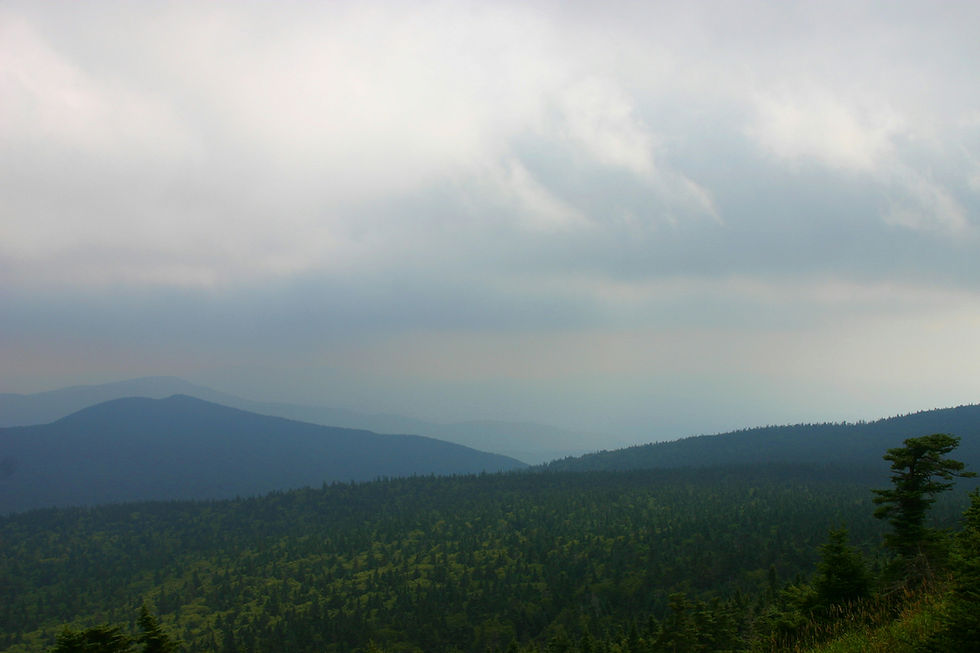
A short-term rental in Londonderry isn't really competing with the town next door — it's competing with three full-scale mountain resorts. Bromley, Stratton, and Okemo all sit within a short drive, and each comes with its own base-village retail strip, its own on-mountain lodging listing stock, and its own marketing machine built to make 'ski-in, ski-out' feel like the only reasonable choice. A Londonderry listing that tries to mimic that polish — generic 'ski chalet' copy, stock powder-day photos, vague gestures at 'ski country' — is competing on the resorts' terms, in a category where it will always read as the smaller, less-branded option.
The better move is to stop competing on resort polish altogether. Guests who choose a Londonderry rental over on-mountain lodging usually aren't settling for a lesser location — they're actively seeking something the base villages don't offer: a real Vermont town with a diner and a general store, a quieter home base along the West River, and access to Magic Mountain, still known as 'the anti-Vail' for how little it's commercialized, plus easy reach of all three larger resorts depending on the day's conditions or mood.
This piece works through how to build photography, copy, and a listing description around that actual identity, and — just as important — how to keep the calendar from going quiet once ski season ends and the resort-driven traffic dries up. This is not legal advice.
Lean Into What Londonderry Actually Is
The fastest way to blend in with every other Vermont ski rental is to describe a property in ski-rental clichés — 'cozy chalet,' 'minutes from the slopes,' 'perfect ski getaway.' That language could apply to a listing in Killington, Stowe, or a hundred other Vermont towns, and it tells a guest nothing about why they should book this property in this specific town. Londonderry's actual identity is more specific, and more marketable, than 'generic ski town,' and it's built on three things only Londonderry can credibly claim.
West River frontage or proximity is the first: if a property sits on or near the river, that's a headline feature, not a footnote. Photograph it across seasons — ice-rimmed in January, running high with spring melt, calm for summer wading — since a guest searching 'West River Vermont vacation rental' is picturing exactly that, and most Bromley- or Stratton-adjacent listings simply can't offer it.
The second is a walkable, working village: Londonderry has a diner, a general store, and a town center guests can walk to, not a base-village retail strip built around ski shops and rental counters. Photograph Main Street, not just the mountain view — guests choosing an independent town over a resort base are telling you, through their booking behavior, that this is part of the appeal. The third is proximity to Lowell Lake State Park, a short drive or walk away, centered on a 100-acre lake where only non-motorized boats are allowed, with a car-top launch and a flat, easy 3.5-mile trail past a Revolutionary War-era cemetery and stands of old white pine.
Photograph and Write Toward the Town, Not Just the Mountain
Once a host has identified what makes Londonderry distinct, photography and copy should follow through consistently, not appear in one gallery section and disappear from the rest. The West River doesn't stop being an asset when the snow melts — paddling and fishing on the same river photographed in winter are legitimate warm-weather draws, and the gallery should show it across all four seasons rather than leaning entirely on snow.
For copy specifically, name concrete, verifiable things instead of adjectives. 'Ten minutes to Taylor Farm' does more work than 'close to local attractions.' Taylor Farm is a genuine working farm just outside Londonderry with cows, goats, pigs, and draft horses guests can visit, a farm store stocked with Vermont-made products, and reservation-only winter sleigh rides with a warming stop and hot cider along the route — a specific, bookable family activity no Bromley base-village unit can offer at all.
The same goes for Weston, about six miles up Route 100: home to the Vermont Country Store, the classic Vermont general store selling everything from penny candy to flannel, and the historic Weston Playhouse, home to the oldest professional theater company in Vermont. Naming both by name in a description or a 'nearby' guidebook section gives guests something concrete to plan a day around, rather than a vague promise of 'charming Vermont towns nearby.'
Make the Multi-Mountain Pitch Explicit
This is the argument only a Londonderry-based listing can make honestly, and it's worth stating outright rather than hinting at it. A guest staying at a Bromley base-village condo is, practically speaking, staying at Bromley for the week. A guest staying in Londonderry can ski four different mountains without changing lodging — Magic, Bromley, Stratton, and Okemo are all within a manageable drive, each with its own base-village retail strip and its own marketing machine built around exclusivity to that one mountain.
Say this directly in the listing description, by name, with realistic drive times — not 'close to multiple ski resorts.' A family with a beginner and an expert can split up for the day: one skis Magic's old-school, low-key terrain, the other heads to Stratton's larger network, and everyone regroups back in Londonderry that night. That flexibility — not being locked into one mountain's terrain, lift lines, or price point for an entire week — is a genuine advantage of this location and the core of the multi-mountain pitch worth building a winter listing description around.
Don't Let the Listing Go Quiet After Ski Season
Londonderry's booking pattern is sharply seasonal, with winter months carrying meaningfully more revenue than the spring trough that follows once the snow melts. A listing description that only talks about skiing is, in effect, telling guests not to book outside of winter — a self-inflicted vacancy problem, and one that's fixable with the same approach used for winter: name the specific, verifiable things Londonderry offers in the off-season.
The Viking Nordic Center, one of the oldest cross-country ski centers in North America, grooms roughly 35 km of trails along the West River and around a beaver pond, with additional snowshoe trails and night skiing on lit loops — worth calling out as a genuine alternative to downhill lift tickets for guests who want a quieter, lower-cost ski day or are traveling with kids not ready for lift lines. Green Mountain National Forest surrounds the area and is worth naming directly for hiking, foliage, and backcountry access in the warmer months, another concrete asset that has nothing to do with lift tickets.
The goal isn't to abandon the winter-ski positioning that drives peak revenue — it's to make sure the listing has a second and third story to tell once that peak passes, so April and May don't sit empty by default. A seasonality calendar built around the market's actual month-by-month demand curve should inform both pricing and photography for these shoulder months, rather than treating them as an afterthought once the ski-season copy has already been written.
Writing a Description That Answers the Questions a Guest Actually Has
Beyond naming Magic Mountain, Taylor Farm, or the Vermont Country Store, a strong Londonderry description answers the practical questions a guest is actually weighing when comparing a town rental against a resort condo: how far is the drive to each mountain, is there a real grocery store nearby or just a convenience stop, and what does a typical evening in town actually look like once the skiing is done for the day. A guest choosing Londonderry over Bromley's base village already wants a real town — the description's job is to prove that town delivers on ordinary, practical terms, not just scenic ones.
This is also where honest seasonal framing earns its keep: a description that promises 'ski-in, ski-out convenience' when the actual drive to Bromley or Stratton takes fifteen or twenty minutes sets an expectation the property can't meet, and it's exactly the kind of overreach that erodes trust with a guest who chose an independent town specifically because they wanted something more honest than a resort's marketing copy in the first place.
Where Reviews Fit Into the Londonderry Pitch
Once a listing accumulates guest history, reviews become a powerful confirmation of the multi-mountain and real-town pitch this piece has built. A review that specifically mentions splitting a ski day between Magic and Stratton, or stopping at Taylor Farm on the drive in, does real marketing work that a host's own copy can't fully replicate — it's independent confirmation from someone who actually lived the pitch, not just read it.
A host can encourage that kind of specific feedback with a targeted post-stay question, asking guests whether the drive times to each mountain matched what the listing promised, or whether the off-season activities mentioned in the description were genuinely worth the visit. That kind of concrete, verifiable review content is exactly what a prospective guest comparing a Londonderry rental against a resort condo is scanning for before they commit.
Title and Headline Formulas That Actually Signal the Difference
A listing title has limited characters and needs to do real work fast, so it should lean on the two things a Londonderry property can claim that a generic 'ski chalet' title can't: a named local landmark and an honest sense of the multi-mountain access. 'Londonderry Farmhouse on the West River, 15 Min to Magic & Stratton' does more work than 'Cozy Vermont Ski Retreat' because it's specific, verifiable, and answers the two questions a mountain-shopping guest is actually asking — what's actually here, and how far is it really.
The same discipline should carry into the opening line of the description itself. Leading with a concrete detail — the river, the walk to Main Street, the drive time to Magic — earns more trust in the first sentence than leading with an adjective a guest has already read on a dozen other Vermont listings this week. A guest scanning search results quickly rewards the listing that sounds like it was written by someone who actually knows the property, not a template filled in with a new town name.
A Practical Listing-Copy Checklist for Londonderry Hosts
Pulling the whole approach together: lead photography and copy with the West River, Main Street, or Lowell Lake State Park rather than a generic mountain-view shot; name Magic Mountain specifically alongside honest drive times to Bromley, Stratton, and Okemo rather than a vague 'close to skiing' claim; reference Taylor Farm and the Vermont Country Store in Weston by name for guests planning a day beyond the slopes; and build a second, warm-weather gallery and description around the Viking Nordic Center's summer trails and Green Mountain National Forest access so the listing doesn't go quiet once the snow melts.
None of this requires a large budget or professional photography crew — it requires the same discipline running through this whole piece: naming specific, verifiable things about Londonderry rather than defaulting to language that could describe any Vermont ski-adjacent rental, and treating the town's genuine multi-mountain access and real-village character as the actual selling point it is, rather than hiding it behind resort-imitation copy that undersells what only this location can honestly claim.
Related Reading
Keep reading in the Londonderry market spine and nearby towns in the same region , same-cluster pages hosts can use without costume-corridor copy.
Frequently Asked Questions
How should a Londonderry listing differentiate itself from ski-in/ski-out condos at Bromley, Stratton, or Okemo?
Focus on what a resort base village can't offer: a real Vermont town with a diner and general store, a home base along the West River, and easy access to Magic Mountain's low-key character. Naming these specifics signals the property to travelers who already want that trade-off, rather than competing head-on with resort marketing.
What makes Magic Mountain worth naming specifically in listing copy?
Magic has kept a genuinely low-commercialization character earning it a reputation as Vermont's 'anti-Vail,' and it's the one mountain a Londonderry-based listing can call truly local. Pairing it with honest drive times to Bromley, Stratton, and Okemo shows a family they can split up by skill level and regroup at the same house each night.
What's a specific, bookable activity worth naming near Londonderry?
Taylor Farm, a working farm just outside town, is a strong example: guests can visit cows, goats, pigs, and draft horses, shop a farm store of Vermont-made products, and book a reservation-only winter sleigh ride with a warming stop and hot cider. Naming it specifically beats a vague 'close to attractions' line.
What can Lowell Lake State Park offer guests staying in Londonderry?
A 100-acre lake restricted to non-motorized boats, with a car-top launch and no on-site rentals, plus a flat, easy 3.5-mile trail past a Revolutionary War-era cemetery and stands of old white pine. It's a photogenic outing worth naming in a listing description or 'things to do nearby' section.
What's worth mentioning about Weston, the town near Londonderry?
Weston sits about six miles up Route 100 and is home to the Vermont Country Store and the Weston Playhouse, home to the oldest professional theater company in Vermont. Naming both specifically gives guests something concrete to plan around, rather than a vague promise of 'charming Vermont towns nearby.'
How should a listing photograph the West River?
Across seasons, not just as a summer amenity — ice-rimmed in January, running high with spring melt, calm for wading or paddling in summer. A property on or near the river should treat that frontage as a headline feature, since it's something most resort-adjacent listings can't offer at all.
How does Londonderry's booking calendar change once ski season ends?
Londonderry sees a sharp seasonal swing, with winter months bringing significantly more revenue than the spring trough that follows. A listing built entirely around skiing effectively tells guests not to book outside winter, so pairing the ski pitch with a second, warm-weather story is what keeps the calendar from going quiet.
What can a Londonderry listing offer guests once ski season ends?
The West River doesn't stop being an asset when the snow melts, so paddling and fishing photography carries into the warm-weather pitch. The Viking Nordic Center grooms roughly 35 km of trails plus snowshoe and night-skiing loops, and Green Mountain National Forest surrounds the area with hiking and foliage access worth naming directly.
Do I need professional photography to market a Londonderry rental well?
Not necessarily professional-grade, but the photos need to show the town, the river, and more than one season, not just a snowy exterior shot. A gallery limited to winter imagery quietly discourages off-season bookings.
What should a Londonderry listing description name instead of generic ski-rental language?
Skip phrases like 'cozy chalet' or 'minutes from the slopes,' which could describe a listing in any Vermont ski town. Instead name Magic Mountain, Bromley, Stratton, and Okemo with realistic drive times, along with Lowell Lake State Park, Taylor Farm, the Vermont Country Store in Weston, and the Viking Nordic Center.
Work with Crest & Cove Creative
How to Market a Londonderry, VT Rental Beyond 'Cozy Ski Chalet' only works when the listing shows operable facts guests can check. Cut soft slogans that hide the real stay.
Rebuild your Londonderry listing around the West River, Main Street, and the honest multi-mountain drive times this town can actually claim, then give it a second story for the months after ski season ends. Start at crestcove.co/audit or call (256) 998-7502.
Reach out at crestcove.co or (256) 998-7502.


Comments