
How Tourism Recovery Trajectories Are Reshaping Robbinsville's Economy

Updated: Aug 28
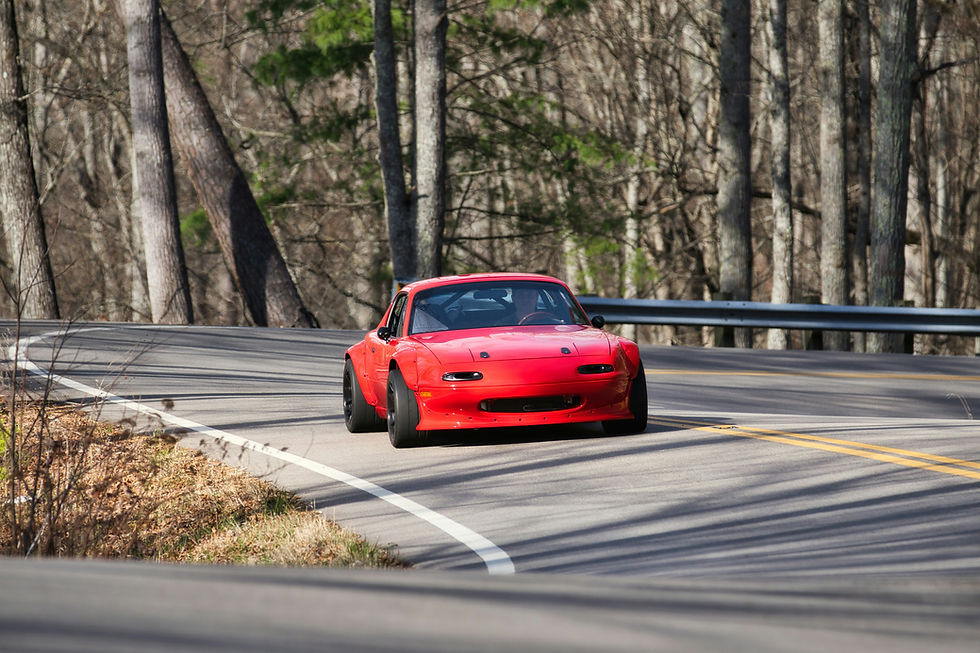
Robbinsville is one of the more unusual tourism economies in Western NC — a small Graham County seat that draws a specific, loyal visitor type almost entirely through two mountain roads: the Tail of the Dragon on US-129 and the Cherohala Skyway, which connects to Tellico Plains, Tennessee. The recovery trajectory here has been shaped by the specific character of that demand, and the patterns emerging through 2025 and into 2026 have implications for STR hosts and local businesses that the broader WNC recovery narrative doesn't capture.
We're cautious about specific metrics for Robbinsville — Graham County is a very small market where individual property performance and seasonal events can shift aggregate numbers in ways that don't reflect the underlying trend. Treat these as directional patterns rather than precise benchmarks.
The Dragon and the Skyway: Demand Anchors That Run on Their Own Calendar
The Tail of the Dragon — 318 curves in 11 miles on US-129 near Deals Gap — is one of the most recognized motorcycle and sports-car driving roads in the world. It draws a visitor type that's largely independent of the standard mountain tourism calendar: riders and drivers who plan trips specifically around road conditions, motorcycle rally seasons, and personal riding schedules rather than around foliage windows or school breaks. This independence from the standard tourism calendar is one of Robbinsville's most distinctive economic features.
The Cherohala Skyway — a National Scenic Byway connecting Robbinsville to Tellico Plains across the Tennessee border — provides a second premium driving experience that extends the Dragon visitor's trip and attracts scenic-drive tourists who may not be motorcyclists but who value a mountain driving experience without commercial strip pressure. The Skyway's elevation and views produce a spring-to-fall demand layer that complements the Dragon's year-round motorcycle draw.
Together, these two roads create an anchor demand base in Robbinsville that's meaningfully different from the foliage-and-outdoor-recreation demand that drives most WNC mountain tourism. Recovery for this specific demand type has followed a different curve than that of general leisure mountain tourism, and operators in the area benefit from understanding this distinction rather than importing assumptions from Asheville or Bryson City data.
The Recovery Pattern: Loyal Base, Slow Growth
Robbinsville's recovery has been steady but not dramatic. The motorcycle tourism base — which forms the core demand layer — was less disrupted by the pandemic period than many other visitor types because it's car-based, outdoor-oriented, and requires minimal congregation in enclosed commercial spaces. The initial recovery in this segment was faster than in hotel-and-event-dependent tourism, but the growth ceiling is constrained by Robbinsville's physical size and infrastructure capacity.
The longer-stay trend that's visible across Western NC has appeared in Robbinsville as well, though with a motorcycle-tourism twist: riders who base in Robbinsville for multiple nights rather than day-tripping the Dragon from a distant basecamp have grown as a share of the total visitor mix. This multi-day riding itinerary pattern — Dragon one day, Cherohala the next, local exploration the third — produces 3–5 night stays that are more valuable for STR operators than the historical 1–2 night weekend drive-through pattern.
The outdoor recreation layer — Joyce Kilmer Memorial Forest, Lake Santeetlah, and the surrounding Nantahala National Forest — has recovered at rates consistent with broader WNC outdoor-recreation trends. Hikers, anglers, and paddlers using Robbinsville as a basecamp for the surrounding national forest add demand that's independent of the driving-tourism calendar, providing a modest but real demand layer in the spring and fall windows when the forest is most rewarding.
What Visitor Spending Looks Like in Robbinsville
Robbinsville's visitor spending pattern is shaped by the motorcycle demographic's specific consumption habits. Riders traveling the Dragon and Cherohala stop for fuel, food, and memorabilia at the Deals Gap area commercial cluster; they often seek the same categories in Robbinsville's small downtown. Local restaurants and fuel stations benefit from this traffic; retail and gallery-type businesses have a harder time capturing the passing-through motorcycle visitor who isn't in a browsing mindset.
The multi-night stay visitor — who bases in Robbinsville for several days — spends more broadly in the local economy than the day-tripper or one-night through-traveler. Repeat dinners, grocery runs, and the slower engagement with downtown that come with a longer stay benefit Robbinsville's small restaurant and retail economy in ways that high visitor counts but short stays don't. The longer-stay trend, if it continues, is a meaningful economic development story for the town.
Lake Santeetlah and Outdoor Recreation Recovery
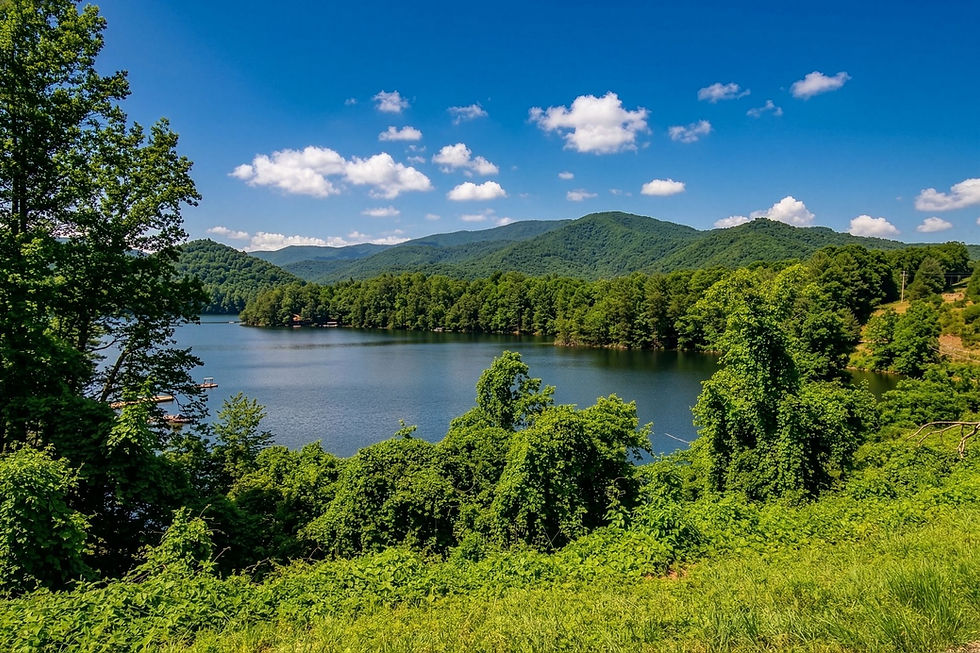
Lake Santeetlah, managed by Alcoa Power Generating adjacent to the Nantahala National Forest, is one of the cleaner and more scenic lakes in Western NC and an increasingly recognized outdoor recreation asset for the Robbinsville area. The lake's trout fishing, kayaking, and shoreline hiking have drawn increasing visitor interest through the recovery period as word-of-mouth and travel content have expanded awareness of Santeetlah beyond its traditional local-knowledge status.
For STR operators in Robbinsville, lake-adjacent positioning — explicit listing content about Santeetlah access, fishing opportunities, and paddling — captures a demand segment that the motorcycle-tourism positioning misses entirely. A property that markets both Dragon proximity and Santeetlah lake access reaches a wider guest funnel than one that leads only with the road-trip identity.
Want a free audit of your listing's visibility? Get your free visibility score to see exactly where your property stands.
Joyce Kilmer: An Undermarketed Asset
Joyce Kilmer Memorial Forest — one of the largest tracts of old-growth forest in the Eastern United States, home to trees over 400 years old — sits less than 10 miles from Robbinsville and represents one of the most genuinely unusual natural assets in the Southern Appalachians. The scale and age of the forest's tulip poplar and hemlock stands create a visitor experience unlike standard Appalachian forest hiking, and guests who visit consistently describe it as a highlight of their Western NC trip.
Despite this, Joyce Kilmer remains undermarketed in most Robbinsville STR listings and guidebook content. Properties that include a specific Joyce Kilmer recommendation — with trail details, best season for the visit, and what makes it distinctive — capture the outdoor-recreation and natural-wonder guest who might otherwise pass through Robbinsville without stopping. This type of specific, surprising local-knowledge content is what converts a guest who was considering Robbinsville into one who books Robbinsville specifically.
What Hosts Should Adjust
First, multi-anchor marketing captures a larger share of the demand funnel. Dragon and Cherohala positioning reach the motorcycle visitor; Santeetlah and Joyce Kilmer positioning reach the outdoor recreation visitor; the two audiences are distinct and require distinct content to convert.
Second, the longer-stay trend warrants experimentation with minimum-stay requirements. A 3-night minimum during peak Dragon season (May, June, September) that encourages multi-day riding itineraries aligns with actual demand and produces better per-booking economics than 2-night minimums that produce more frequent turnovers without proportionally higher revenue.
Third, motorcycle-accommodation specifics are a genuine competitive differentiator in this market. Covered parking, a secure gear area, and outdoor social space for group gathering after a day on the road address the specific needs of the dominant visitor type in a way that generic 'mountain cabin' framing doesn't. These amenities cost relatively little and produce disproportionate loyalty from the visitor type they serve.
Ready to reposition? Start with our free visibility audit — a complete read on where your listing wins and where it leaves money on the table.
Frequently Asked Questions
What are Robbinsville's two primary tourism demand anchors?
The Tail of the Dragon — 318 curves in 11 miles on US-129 near Deals Gap — and the Cherohala Skyway, a National Scenic Byway connecting Robbinsville to Tellico Plains, Tennessee. The Cherohala Skyway — a National Scenic Byway connecting Robbinsville to Tellico Plains across the Tennessee border — provides a second premium driving experience that extends the Dragon visitor's trip and attracts scenic-drive tourists who may not be motorcyclists but who value a mountain driving experience without commercial strip pressure.
Why is Dragon-driven demand different from typical mountain tourism demand?
Riders and drivers plan trips around road conditions and motorcycle rally seasons rather than foliage windows or school breaks, making it largely independent of the standard tourism calendar. It draws a visitor type that's largely independent of the standard mountain tourism calendar: riders and drivers who plan trips specifically around road conditions, motorcycle rally seasons, and personal riding schedules rather than around foliage windows or school breaks.
How did Robbinsville's motorcycle tourism base fare during the pandemic-era disruption compared to other visitor types?
It recovered faster because it's car-based, outdoor-oriented, and requires minimal congregation in enclosed commercial spaces. The motorcycle tourism base — which forms the core demand layer — was less disrupted by the pandemic period than many other visitor types because it's car-based, outdoor-oriented, and requires minimal congregation in enclosed commercial spaces. The longer-stay trend that's visible across Western NC has appeared in Robbinsville as well, though with a motorcycle-tourism twist: riders who base in Robbinsville for multiple nights rather than day-tripping the Dragon from a distant basecamp have grown as a share of the total visitor mix.
What stay-length shift has emerged among Robbinsville's Dragon and Skyway visitors?
A multi-day riding itinerary — Dragon one day, Cherohala the next, local exploration the third — producing 3-5 night stays instead of the historical 1-2 night weekend drive-through pattern. This multi-day riding itinerary pattern — Dragon one day, Cherohala the next, local exploration the third — produces 3–5 night stays that are more valuable for STR operators than the historical 1–2 night weekend drive-through pattern.
What outdoor recreation demand layer exists in Robbinsville beyond the driving tourism?
Joyce Kilmer Memorial Forest, Lake Santeetlah, and the surrounding Nantahala National Forest draw hikers, anglers, and paddlers, especially in the spring and fall windows. Hikers, anglers, and paddlers using Robbinsville as a basecamp for the surrounding national forest add demand that's independent of the driving-tourism calendar, providing a modest but real demand layer in the spring and fall windows when the forest is most rewarding.
Why shouldn't hosts import Asheville or Bryson City assumptions into Robbinsville?
Graham County is a very small market with a fundamentally different, road-driven demand type, so recovery here has followed a different curve than general leisure mountain tourism. Recovery for this specific demand type has followed a different curve than that of general leisure mountain tourism, and operators in the area benefit from understanding this distinction rather than importing assumptions from Asheville or Bryson City data. Keep going on Crest & Cove: Robbinsville versus Santeetlah against AirROI, what Robbinsville visitor spend measures, Robbinsville paddling spots worth the drive, the Crest & Cove intro, local SEO keywords that actually book, the five elements of a converting hero, how to compare STR marketing.
What Visitor Spending Looks Like in Robbinsville?
Robbinsville is one of the more unusual tourism economies in Western NC — a small Graham County seat that draws a specific, loyal visitor type almost entirely through two mountain roads: the Tail of the Dragon on US-129 and the Cherohala Skyway, which connects to Tellico Plains, Tennessee. The Cherohala Skyway — a National Scenic Byway connecting Robbinsville to Tellico Plains across the Tennessee border — provides a second premium driving experience that extends the Dragon visitor's trip and attracts scenic-drive tourists who may not be motorcyclists but who value a mountain driving experience without commercial strip pressure.
What Hosts Should Adjust?
The recovery trajectory here has been shaped by the specific character of that demand, and the patterns emerging through 2025 and into 2026 have implications for STR hosts and local businesses that the broader WNC recovery narrative doesn't capture. Properties that include a specific Joyce Kilmer recommendation — with trail details, best season for the visit, and what makes it distinctive — capture the outdoor-recreation and natural-wonder guest who might otherwise pass through Robbinsville without stopping.
Related Reading
Keep reading in the Robbinsville market spine and nearby towns in the same region: same-cluster pages hosts can use without costume-corridor copy.
How Tourism Recovery Is Reshaping Black Mountain's Local Economy
Maggie Valley's Recovery Runs Through Cataloochee, Not the Blended
Ranking for "Pet-Friendly Cabin Robbinsville": A Niche-Search Playbook
Robbinsville Kayaking Paddling: Guest Proof to Put in the Listing
What It Actually Costs to Start a Lake James Airbnb , Dock and HOA First
What It Actually Costs to Start an STR in Black Mountain, NC
What It Actually Costs to Start an STR in Hendersonville, NC
Work with Crest & Cove Creative
Write this town's year. Do not file another market's number as this stay.
Reach out at crestcove.co or (256) 998-7502.


Comments