
Isle Palms Short: Host Copy, Not a Visitor Brochure

Updated: Aug 28

Guests searching “Isle of Palms” already have a picture in their head before they ever book: a wide barrier-island beach, a walkable stretch of restaurants and shops at Front Beach, golf carts running Palm Boulevard, and a gated resort community called Wild Dunes anchoring the north end of the island. When a listing description or house guidebook skips those specific, named places in favor of generic beach-town language, it misses the exact terms a guest already typed into a search bar and the exact orientation cues that make a stay feel effortless from the moment they arrive. This guide walks through the real, verifiable places on Isle of Palms a host should know before check-in day — what each one is, what's public versus private, and how to turn it into something useful in a listing or welcome book.
Most Isle of Palms bookings are multi-generational families or larger groups on a week-long summer stay, plus a smaller shoulder-season mix of couples and Charleston day-trippers looking for a quieter beach than the downtown peninsula offers. That guest profile matters for how you write a guidebook — a family arriving with kids, coolers, and beach gear needs different first-hour information than a weekend couple does, and the places below serve both audiences differently depending on how you frame them.
This is a companion piece, not a repeat of ground already covered elsewhere. The marketing playbook for positioning a listing in this market lives in How to Market a Short-Term Rental on Isle of Palms, SC. The permit, cap, and regulation questions are covered in Folly Beach, Isle of Palms & Mount Pleasant: A 2026 STR Cap & Regulation Guide — that's the place to go for compliance detail, and it won't be repeated here. This is the guest-facing counterpart: the places on the island a guest will ask about, search for, or walk to, and what a host needs to know to answer accurately.
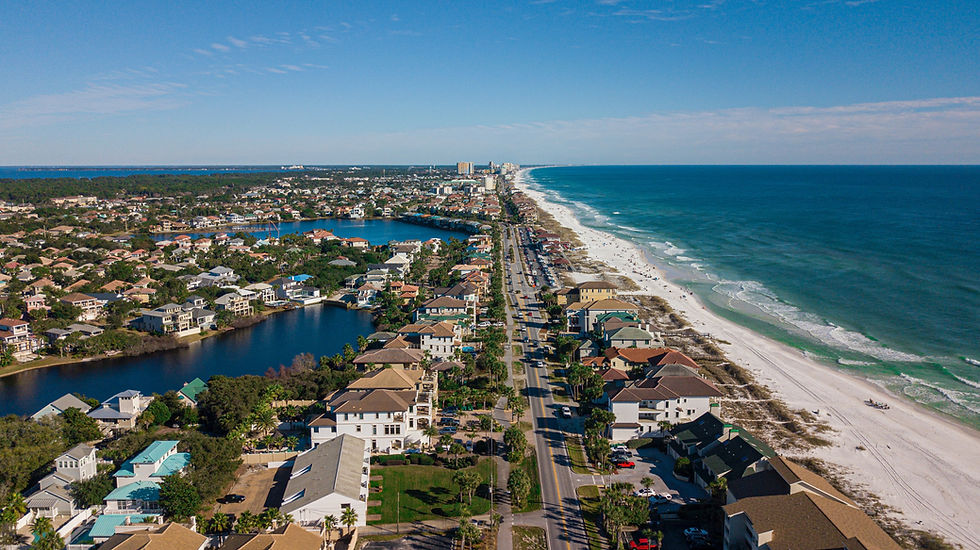
Isle of Palms is roughly seven miles long, a barrier island east of Charleston reached by the Isle of Palms Connector (SC-517) off Mount Pleasant, with Sullivan's Island sitting immediately to the south across Breach Inlet. Everything below is anchored to something a guest can find on a map — a numbered access point, a named park, a specific gate — not a vague sense of “island vibe.” Use it to build out a welcome book section by section, or to sanity-check listing copy that currently leans on generic beach-town phrasing instead of the real geography guests are going to encounter.
The Beach Itself: Front Beach, Public Access Points, and What Guests Search For
“The beach” on Isle of Palms most often means Front Beach — the central stretch of the island along Ocean Boulevard, home to the bulk of the restaurants, ice cream shops, beach gear rental counters, and public parking that make it the default first stop for anyone without deeded beachfront access. If a rental sits a few blocks back from the sand, Front Beach is the answer to “where do we go” — it's the shortest walk from a parking spot to the water, and it's where the boardwalk-adjacent afternoon guests are picturing actually happens.
Public beach access on Isle of Palms runs through numbered street ends and marked walkways along Ocean Boulevard and Palm Boulevard, with the largest concentration of paid public parking clustered near Front Beach. Access itself is free; the parking is metered and enforced, typically April through September. A guidebook that just says “beach access nearby” wastes a guest's first hour of vacation — naming the specific cross street or access number nearest the property, and noting whether it's a walk or a short drive, saves the walk-and-backtrack that comes from guessing.
Beach rules on Isle of Palms are worth a line in the guidebook too, since they change with the season and catch first-time visitors off guard: leashed dogs are generally permitted on the beach only outside of the busiest daytime hours in peak season, glass containers are not allowed on the sand, and fires and fireworks are restricted. Guests who show up with a cooler of glass bottles or a dog off-leash on a July afternoon can end up with an unwanted conversation with a beach patrol officer — a two-line guidebook note prevents it.
Isle of Palms County Park: Where to Send Guests Without a Beach House Boardwalk
Isle of Palms County Park sits at the far southern end of the island near Breach Inlet, and it's the Charleston County Parks-run public beach facility — paid parking, restrooms, outdoor showers, a snack bar, chair and umbrella rentals, and lifeguards during the season. For guests staying anywhere on the island without a short walk to a numbered beach access point, it's the single most reliable “park here and just go to the beach” answer, and it's worth naming directly in a welcome book rather than leaving guests to search for it.
Because it's a county-run facility, it keeps its own hours and lifeguard schedule, charges its own parking fee separate from the metered street spots near Front Beach, and can fill to capacity and temporarily close to additional cars on the busiest summer weekends. A short note on arriving early on July and August Saturdays saves a guest an unnecessary detour. It's also the closest public beach to the northern tip of Sullivan's Island, a useful option for guests who want a quieter stretch of sand a short walk north of the more crowded sections.
Wild Dunes: A Private Gated Resort Community — Not Public Isle of Palms
Wild Dunes occupies the northeastern tip of Isle of Palms and is a private, gated resort community — not a public neighborhood, and not interchangeable with “Isle of Palms” in general. It's built around two golf courses (the Links Course and the Harbor Course), a tennis and pickleball facility, a full-service marina, and Wild Dunes Resort's own hotel and villa inventory, managed under the Destination by Hyatt brand. A rental located on Isle of Palms but outside Wild Dunes does not come with access to the golf courses, the resort's private beach club amenities, or resort-managed facilities — entry is controlled at the gate and tied to resort guests, club members, or paying day guests where that option is offered.
Getting this distinction right in a listing matters for more than etiquette — it prevents a bad first ten minutes when a guest's golf cart gets turned away at a checkpoint they didn't know existed. If a property sits outside Wild Dunes, say so plainly rather than letting “Isle of Palms” imply gated-resort access it doesn't have. If a property is inside Wild Dunes, the reverse applies: spell out exactly which resort amenities are included with the unit versus which require a separate reservation or fee, since access rules vary by building and rental program within the resort.
The Marina and Intracoastal Side: A Different Kind of Isle of Palms Stay
Isle of Palms Marina sits on the Intracoastal Waterway side of the island, near the connector, and serves boating guests with slip rentals, jet ski and boat rentals, a ship's store, and a couple of waterfront restaurants. It's a useful landmark for two distinct kinds of guests: anyone bringing or renting a boat, and anyone looking for a sunset dinner spot away from the busier oceanfront crowds. A rental on the marsh or Intracoastal side of the island is selling a different experience than an oceanfront property — calmer water, boat access, marsh sunsets — and the listing description and photos should reflect that instead of defaulting to generic “beach house” language that sets the wrong expectation.
Marina-side orientation matters practically too. Guests towing a boat trailer, renting a slip, or timing a sunset cruise need marina hours and contact information in the guidebook, not just a pin on a map. Marketing a marsh-side or marina-adjacent property as an oceanfront beach house because it's technically “on Isle of Palms” creates a mismatch between what was booked and what's delivered — accurate proximity and orientation language belongs in the listing itself, not just the in-house guide.
The Sullivan's Island Border and the Isle of Palms Connector
Isle of Palms is separated from Sullivan's Island by Breach Inlet, crossed by a bridge on Highway 703, and both islands are reached from Mount Pleasant via the Isle of Palms Connector (SC-517). Guests frequently assume the two islands are within walking distance of each other — they aren't, and Breach Inlet carries real currents that make swimming near the inlet itself genuinely risky. A rental near the south end of Isle of Palms should tell guests plainly that Sullivan's Island is a short drive across the Breach Inlet bridge, not a walk, and that Sullivan's Island has its own parking rules, its own lighthouse (Charleston Light), and its own restaurant row on Middle Street worth a separate visit.
The connector itself deserves a line in the guidebook too — it's the only vehicle route on and off Isle of Palms, and it backs up predictably on peak summer weekends and around major Charleston-area events. A short note on the best times to cross — early morning, or after roughly 7 p.m. — saves a returning or departing guest a frustrating drive, and it's exactly the kind of specific, locally useful detail that ends up mentioned in a five-star review.
Getting Around: Golf Carts, Parking, and the Island's Speed Limits
Golf carts are a common way to get around Isle of Palms, and many rentals either include one or make one available to rent locally — if yours does, the guidebook should cover street-legal basics: carts generally need to stay off the higher-speed sections of Palm Boulevard and the connector itself, and local rules on operator age and lighting after dark are worth stating plainly rather than assumed. A cart rented for the week is one of the most-mentioned amenities in reviews when it's set up right, and one of the more common sources of a bad review when guests are left to guess the rules.
Island-wide, expect residential speed limits in the 25 mph range and stricter limits near Front Beach and the county park during peak season, with seasonal congestion around the connector and Ocean Boulevard on summer weekends. If a rental doesn't include off-street parking, say so in the listing rather than letting a guest discover it after arrival — numbered street parking near Front Beach fills early on summer weekend mornings, and a guest circling for twenty minutes with a car full of luggage is not the first impression you want to make.
Building Your Guest Guide Around These Places
The pattern across every section above is the same: name the actual place, say plainly what it is, and say what a guest should do about it. “Front Beach” outperforms “the beach.” “Isle of Palms County Park” outperforms “the public beach lot.” “Wild Dunes is a private gated resort” outperforms letting a guest assume it's open to anyone staying on the island. That kind of specificity is also what search engines and AI-driven answer tools reward — a guidebook and listing description built around named, verifiable places reads as more trustworthy than one built around interchangeable beach-town phrasing that could describe almost any barrier island in the Southeast.
Sequence the sections above into a welcome book in the order guests will actually use them: parking, beach access, and beach rules first, since that's day-one information; the golf cart and getting-around notes next; the Wild Dunes boundary note if the property sits near that line; marina details if the property is marsh-side; and the Sullivan's Island connector note toward the end, since it's more relevant to day two or three of a stay than to check-in itself.
Keep going on Crest & Cove:the Crest & Cove intro·local SEO keywords that actually book·the five elements of a converting hero·how to compare STR marketing agencies·OTA fees without leftover occupancy lifts·this cluster against named-town AirROI pins·Destin against AirROI, not leftover year·prior cluster against AirROI pins.
Related Reading
Keep reading on same-cluster Crest & Cove pages that stay on labeled local lines without costume-corridor copy.
Charleston Beach Islands STR Report Folly vs Isle of Palms vs Kiawah
Folly Beach Isle of Palms Mount Pleasant a 2026 STR Cap Regulation
Hiring Property Your Isle DIY Ceiling: AirROI Pins, Not Leftover
Hiring On Isle Palms Agency Math: Costs Without Invented Occupancy
Isle Palms Tourism Data Marketing: AirROI Pins, Not Leftover Occupancy
How to Market a Short-Term Rental in Emerald Isle NC Business
How to Market a Short-Term Rental in Ocean Isle Beach NC South
Emerald Isle vs Outer Banks Where the Smart Crystal Coast Investment
Is an STR Marketing Agency Worth It for Golden Isles Savannah Hosts
Deer Isle, ME vs Eastport two towns: What Independent Hosts Should Fix
Frequently Asked Questions
Is Wild Dunes open to the public, or only to resort guests?
Wild Dunes is a private, gated resort community. Guests who aren't staying in Wild Dunes-affiliated inventory generally cannot access the golf courses, gated beach areas, or resort amenities without a resort reservation, club membership, or an authorized day-guest arrangement — confirm current resort policy before promising any of that access in a listing. A rental located on Isle of Palms but outside Wild Dunes does not come with access to the golf courses, the resort's private beach club amenities, or resort-managed facilities — entry is controlled at the gate and tied to resort guests, club members, or paying day guests where that option is offered.
What is Front Beach on Isle of Palms?
Front Beach is the central stretch of Isle of Palms along Ocean Boulevard, home to most of the island's restaurants, shops, and the largest concentration of public beach access and parking. It's the default answer for guests staying without direct beachfront access. “The beach” on Isle of Palms most often means Front Beach — the central stretch of the island along Ocean Boulevard, home to the bulk of the restaurants, ice cream shops, beach gear rental counters, and public parking that make it the default first stop for anyone without deeded beachfront access.
Where's the closest public beach access with parking, restrooms, and lifeguards?
Isle of Palms County Park, at the south end of the island near Breach Inlet, is the Charleston County Parks facility with paid parking, restrooms, outdoor showers, a snack bar, and seasonal lifeguards. Isle of Palms County Park sits at the far southern end of the island near Breach Inlet, and it's the Charleston County Parks-run public beach facility — paid parking, restrooms, outdoor showers, a snack bar, chair and umbrella rentals, and lifeguards during the season.
Can guests walk from Isle of Palms to Sullivan's Island?
The two islands are separated by Breach Inlet, crossed by a vehicle bridge on Highway 703. Swimming near the inlet is discouraged because of strong currents — guests should drive across, not attempt to walk or swim it. A rental near the south end of Isle of Palms should tell guests plainly that Sullivan's Island is a short drive across the Breach Inlet bridge, not a walk, and that Sullivan's Island has its own parking rules, its own lighthouse (Charleston Light), and its own restaurant row on Middle Street worth a separate visit.
Is beach parking free on Isle of Palms?
Street-side public parking near Front Beach is metered and enforced, typically April through September. Isle of Palms County Park charges its own separate parking fee. Tell guests to budget for parking rather than assume it's free. Because it's a county-run facility, it keeps its own hours and lifeguard schedule, charges its own parking fee separate from the metered street spots near Front Beach, and can fill to capacity and temporarily close to additional cars on the busiest summer weekends.
What's the only road on and off Isle of Palms?
The Isle of Palms Connector (SC-517) from Mount Pleasant is the sole vehicle route to and from the island, and it backs up heavily on summer weekends — mornings and evenings after roughly 7 p.m. The connector itself deserves a line in the guidebook too — it's the only vehicle route on and off Isle of Palms, and it backs up predictably on peak summer weekends and around major Charleston-area events.
Is Isle of Palms Marina the same thing as the beach?
Isle of Palms Marina sits on the Intracoastal Waterway side of the island and serves boating guests, not beachgoers. It's a different orientation from oceanfront Isle of Palms, and it's worth flagging clearly if a rental sits on that side of the island. Isle of Palms Marina sits on the Intracoastal Waterway side of the island, near the connector, and serves boating guests with slip rentals, jet ski and boat rentals, a ship's store, and a couple of waterfront restaurants.
Can guests bring a dog to the Isle of Palms beach?
Leashed dogs are generally permitted, but rules restrict beach access during the busiest daytime hours in peak season. Check current municipal rules before promising unrestricted beach access to guests traveling with pets. Beach rules on Isle of Palms are worth a line in the guidebook too, since they change with the season and catch first-time visitors off guard: leashed dogs are generally permitted on the beach only outside of the busiest daytime hours in peak season, glass containers are not allowed on the sand, and fires and fireworks are restricted.
Work with Crest & Cove Creative
Ready to turn these Isle of Palms landmarks into listing copy and a guest guide that actually sound like someone who knows the island?
Reach out at crestcove.co or (256) 998-7502.


Comments