
Marketing a Short-Term Rental in a Historic District: What Actually Works

Updated: Aug 28
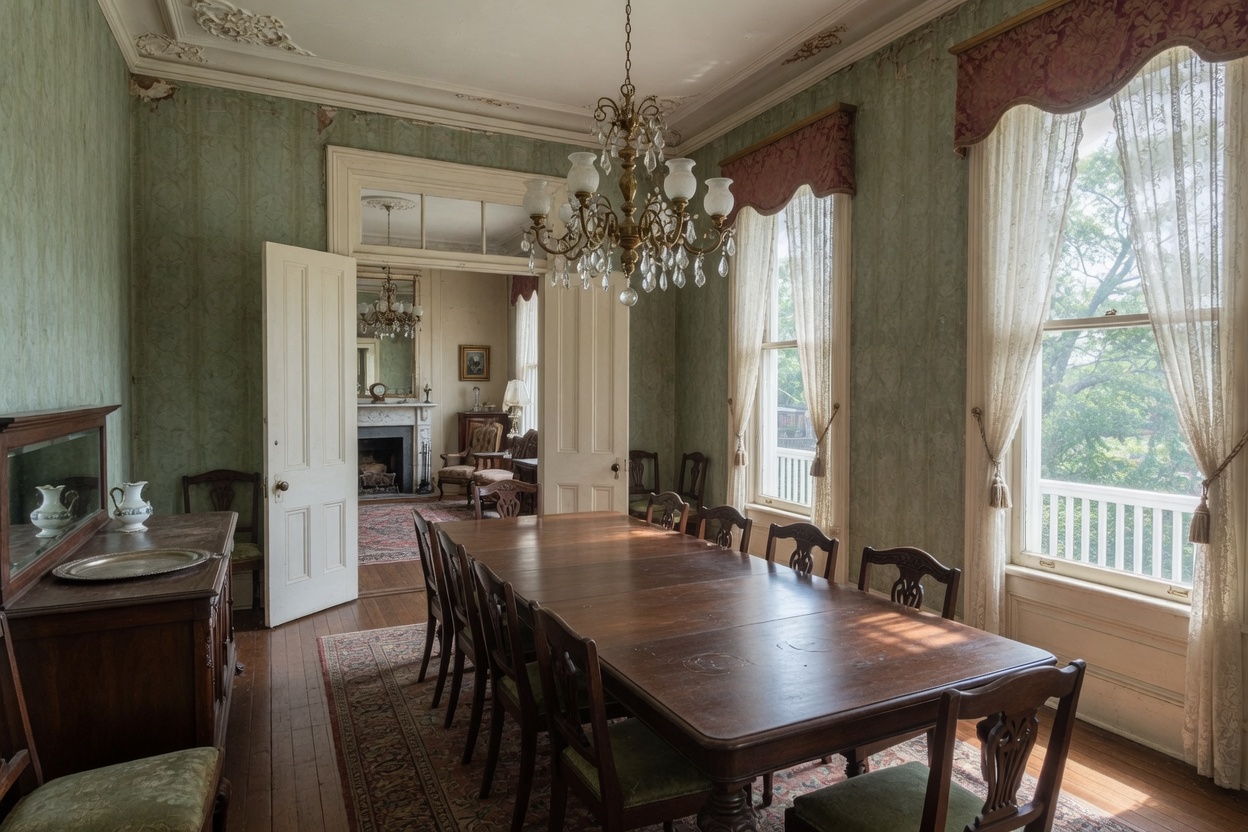
A historic district does a lot of the selling for you before a guest ever reads the listing. Wide porches, original brick, mature trees, and walkable streets photograph beautifully and pull attention in search results. The mistake most independent hosts make is letting that visual pull do all the work, leaving the practical questions guests actually book on, like parking, bed count, noise, and what the neighborhood is really like after dark, thin or missing entirely.
This guide covers how to market a short-term rental in a historic district without overselling the address or underselling the house. That means telling the real story of the property instead of a manufactured one, working with, not around, local preservation rules, and setting expectations that hold up once the guest is standing on the porch.
Why Historic-District Listings Photograph Well But Book Unevenly
Older homes in walkable districts tend to outperform newer builds on click-through in search and OTA browsing. The architecture stands out in a thumbnail grid full of similar-looking modern rentals, and travelers searching for a specific town or neighborhood often want exactly that: a stay that feels like the place, not a generic unit that could be anywhere. That advantage shows up early, in impressions and clicks.
Where historic-district listings lose ground is later in the funnel. A guest who clicks on charm still has to decide whether the house sleeps their group, whether there's a real place to park, and whether the bathroom situation works for six adults sharing one shower. If those answers aren't clear, the same charm that earned the click doesn't convert it, and the listing ends up with strong views but a booking rate that lags newer, blander competitors down the street.
The fix isn't less character in the marketing, it's more specificity everywhere else. Lead with what makes the house distinctive, then answer the logistical questions as directly and completely as a brand-new construction listing would. Guests forgive an older staircase or a smaller closet. They don't forgive finding out about it in a review instead of the listing.
Tell the Real Story , Skip the Manufactured Pedigree
It's tempting to round a build year up to a rounder-sounding era, or to imply a designation the property doesn't actually hold. Resist it. Guests who book historic-district stays are often the type to look the address up, and a mismatch between what the listing claims and what a quick search turns up damages trust fast, both in reviews and in future bookings.
Use facts you can point to: an actual build year from county property records, an architectural style you can name correctly, a specific detail visible in your own photos (original heart-pine floors, a hand-laid brick chimney, plaster crown molding). If the house has a documented connection to local history, a name, an event, a notable former owner, tell that story plainly and cite where it came from. If it doesn't, describe what's actually in front of the camera instead of inventing a narrative to fill the gap.
Specific, checkable details consistently outperform vague superlatives like charming, storied, or one-of-a-kind. Those words show up in thousands of listings and guests have learned to skim past them. A single accurate sentence, like 'built in 1911, one of the last surviving Queen Anne cottages on the block,' does more work than a paragraph of adjectives.
Work With Preservation Rules Instead of Around Them
Most historic districts operate under some form of design review, a local board or commission that governs visible exterior changes: paint colors, signage, fencing, and in many cities, short-term rental placards or exterior notices. Some municipalities also require STR-specific permits or registration for properties inside district boundaries, separate from a standard business license.
None of this limits how you can photograph or describe the house as it currently exists. It does mean your marketing shouldn't promise exterior changes, seasonal decorations, or signage that the district review process wouldn't actually approve. Before you commit to a marketing angle built around an exterior feature you're planning to add, a new paint color, a sign, string lights, check with the local historic preservation office first.
This isn't just risk avoidance. Hosts who can speak knowledgeably about their district's preservation guidelines, in the listing or in guest communication, come across as credible caretakers of the property rather than short-term operators passing through. That credibility matters more in historic neighborhoods, where longtime residents and local boards are often paying closer attention to STR activity than in a typical subdivision.
Photos and Listing Copy That Sell the House, Not a Costume
The strongest historic-district photo sets balance two things: the architectural features that make the property distinctive, and the ordinary comforts every guest is scanning for. A wide shot of the porch or the original fireplace earns attention. A clear, well-lit photo of the actual beds, the working kitchen, and the bathroom layout earns the booking.
Avoid staging the house to look like a museum. Guests are renting a place to sleep, cook, and relax, not tour. Photograph the character features as they naturally sit in a lived-in, comfortable space, rather than styling every room around the historic theme. A kitchen with modern appliances tucked into an older room reads as thoughtfully updated, not a compromise you need to hide.
In the listing copy, put the historic detail in the title or opening line where it earns clicks, then move immediately into the practical facts: bed configuration, parking situation, number of bathrooms, climate control, and WiFi. Guests booking an older home already expect some quirks, narrower stairs, a smaller closet, less soundproofing than new construction. Naming those plainly, briefly, and without apology reads as honest rather than as a weakness.
Set Real Expectations: Noise, Foot Traffic, and Parking
Historic districts are frequently the most walkable part of a town, which is a marketing asset and a guest-experience variable at the same time. Popular blocks near shops, restaurants, or a courthouse square can carry more foot and vehicle traffic than a suburban rental, and older single-pane windows or thinner walls can transmit street noise differently than newer construction.
Parking is the single most common source of friction in older neighborhoods that predate driveways. If parking is on-street, permit-only, or limited to a specific spot, say so clearly in the listing and repeat it in pre-arrival messaging. A guest who circles the block for twenty minutes looking for a spot that was never mentioned starts the stay frustrated, and that frustration tends to land in the review regardless of how nice the house is.
The same goes for quiet hours, trash pickup schedules, and any neighborhood-specific rules, an early garbage truck route, a nearby church with weekend events, a festival that closes the street twice a year. None of these are dealbreakers if a guest knows about them in advance. They become complaints only when the guest finds out the hard way.
Turn Local History Into a Direct-Booking Advantage
OTA listings have limited space and a standardized format, which caps how much local story you can tell before a guest clicks away. A direct-booking page doesn't have that constraint, and it's the natural home for the historic detail, the neighborhood walking guide, and the local recommendations that a marketplace listing has to trim for length.
Build the direct-booking page around what a guest can't get from the OTA: a fuller version of the property's history, a short guide to nearby historic sites and locally owned restaurants, and a direct line to someone who actually knows the block. That local knowledge is difficult for an OTA search result to replicate, and it gives past guests and referrals a real reason to book direct on a return visit instead of defaulting back to the marketplace.
The history is the hook that gets a first-time visitor curious. The ease of direct communication, faster answers about parking or check-in, a real person instead of a marketplace inbox, is what turns a curious visitor into a repeat or referred guest.
A 30-Day Marketing Checklist for Historic-District Hosts
Set a recurring 30-day review instead of treating the listing as finished once it's published. Pull your last month of guest messages and reviews and separate them into two categories: questions guests asked that the listing should have already answered (parking, stairs, noise, check-in access) and comments that specifically mention the history, character, or neighborhood.
If the first pile is long, the listing is under-explaining the practical logistics and needs tightening, regardless of how strong the photos are. If the second pile is thin, the historic angle isn't actually landing with guests and the listing copy or photo order needs sharper, more specific language rather than generic charm words.
Check in parallel whether anything in your marketing has drifted out of step with the property or the district: a planned exterior change that never got approved, a parking arrangement that changed, a new construction project nearby that affects noise or views. A short, honest listing that matches the real house consistently outperforms an elaborate one that guests have to mentally correct once they arrive.
Related Reading
Keep reading on same-cluster Crest & Cove pages that stay on labeled local lines without costume-corridor copy.
DIY vs. Hire in Many, LA: Why Independent Hosts Still Run Most Listings
DIY or Hire in Depoe Bay: What the Numbers Say for STR hosts
DIY vs Hire in Seattle: Independents Still Write Most Listings
Financing a Springfield, MA Rental Without a Neighbor City Year
Financing a Grove, OK Rental: What a DSCR Underwriter Actually Wants
What It Actually Costs to Start a Grove OK STR: The One Published Fee
How to Underwrite an Akron, Ohio Rental With Its Own Numbers
What It Actually Costs to Register a Short-Term Rental in Akron
Frequently Asked Questions
What makes marketing a short-term rental in a historic district different from marketing any other listing?
The property does most of the emotional selling for you, which is exactly the trap. A pretty facade or a plaque on the wall makes it tempting to lean the whole listing on ambiance instead of the practical facts a guest needs before booking: bed count, parking, walkability, and what quiet hours actually mean on that street. Historic-district guests are usually paying a premium for character, so the listing has to prove the character is real without letting basics like WiFi speed, air conditioning, or where to park go unanswered.
Should the listing mention the property's age or historic designation?
Yes, but with a fact you can back up, not a marketing flourish. A specific, verifiable detail, such as a build year, an architectural style, or a documented local designation, builds more trust than adjectives like historic, charming, or storied. If you cannot point to where a claim comes from, county records, a plaque, a local historical society, soften it to what you can see and describe: original hardwood floors, a wraparound porch, high ceilings, deep window trim.
Do local historic district rules affect how I can market or photograph the exterior?
Often, yes, and it is worth checking before you shoot. Many historic districts have design review boards that govern visible exterior changes, from paint color to signage to short-term rental placards, and some municipalities require a specific permit or registration for STRs operating inside district boundaries. None of that stops you from photographing the house as it exists, but it does mean you should not promise exterior changes, seasonal decor installations, or signage in your marketing that the district would not actually allow.
How much should the listing lean on history versus livability?
History earns the click; livability earns the booking. A strong historic-district listing opens with what makes the house distinctive, then moves quickly into the same practical details every guest is scanning for: real bed configuration, working kitchen appliances, climate control, WiFi speed, and where a car actually goes at night. Guests booking an older home already expect some quirks, like narrower stairs or a smaller bathroom, so naming those upfront reduces the negative surprise that shows up in reviews instead of in the listing copy.
What guest-experience issues are unique to older, walkable historic neighborhoods?
Parking, noise, and foot traffic are the three that come up most. Historic districts are frequently walkable and built before driveways were standard, so guests need a straight answer about where to park before they arrive, not after. Sidewalk foot traffic near popular blocks can mean less privacy than a suburban rental, and thin older walls or single-pane windows can carry street noise differently than new construction. Naming these plainly in the listing and house manual heads off frustration that would otherwise land in a review.
Can I use words like landmark or restored in my listing title?
Use them only if they are accurate and, ideally, verifiable. Landmark generally implies an official designation, such as the National Register of Historic Places or a local landmark commission, and using it loosely for a house that simply looks old can read as misleading once a guest checks. Restored is safer if the work actually happened and is visible in photos. When in doubt, describe the specific feature, original mantels, a preserved brick facade, restored heart-pine floors, rather than reaching for a broad label the property may not formally hold.
How do I turn a historic setting into a reason to book direct instead of through an OTA?
Give direct-booking guests something the OTA listing cannot: more of the story, a clearer local guide, and direct contact with someone who knows the neighborhood. A short direct-booking page can include the specific historic details you had to trim from the OTA listing for space, a walking guide to nearby historic sites and restaurants, and a direct line for questions about parking or access that a marketplace inbox makes clunky. The history is the hook; the local knowledge and easier communication are what actually earn the repeat or referred booking.
What's a simple 30-day check to see if the historic-district angle is actually working?
Pull your guest messages and reviews from the last 30 days and sort them into two piles: questions guests asked that the listing should have already answered (parking, stairs, noise, check-in) and comments that specifically mention the history, character, or neighborhood. If the second pile is thin, the historic angle isn't landing in your photos or copy and needs sharper, more specific language. If the first pile is long, the listing is spending too much space on story and not enough on the practical details guests need before they arrive.
Work with Crest & Cove Creative
Historic-district listings sell themselves on porches and brick before a guest ever reads the parking, bed-count, or noise details they actually book on. Letting the facade do all the work leaves the practical questions for check-in day.
We help independent hosts write historic-district copy that pairs the visual appeal with real parking, noise, and preservation-rule details, so nothing surprises a guest at the door. Send us the live listing if the practical details still need filling in.
Reach out at crestcove.co or (256) 998-7502.


Comments