
Neighbor-Friendly Hosting as a Marketing Advantage

Updated: Aug 27
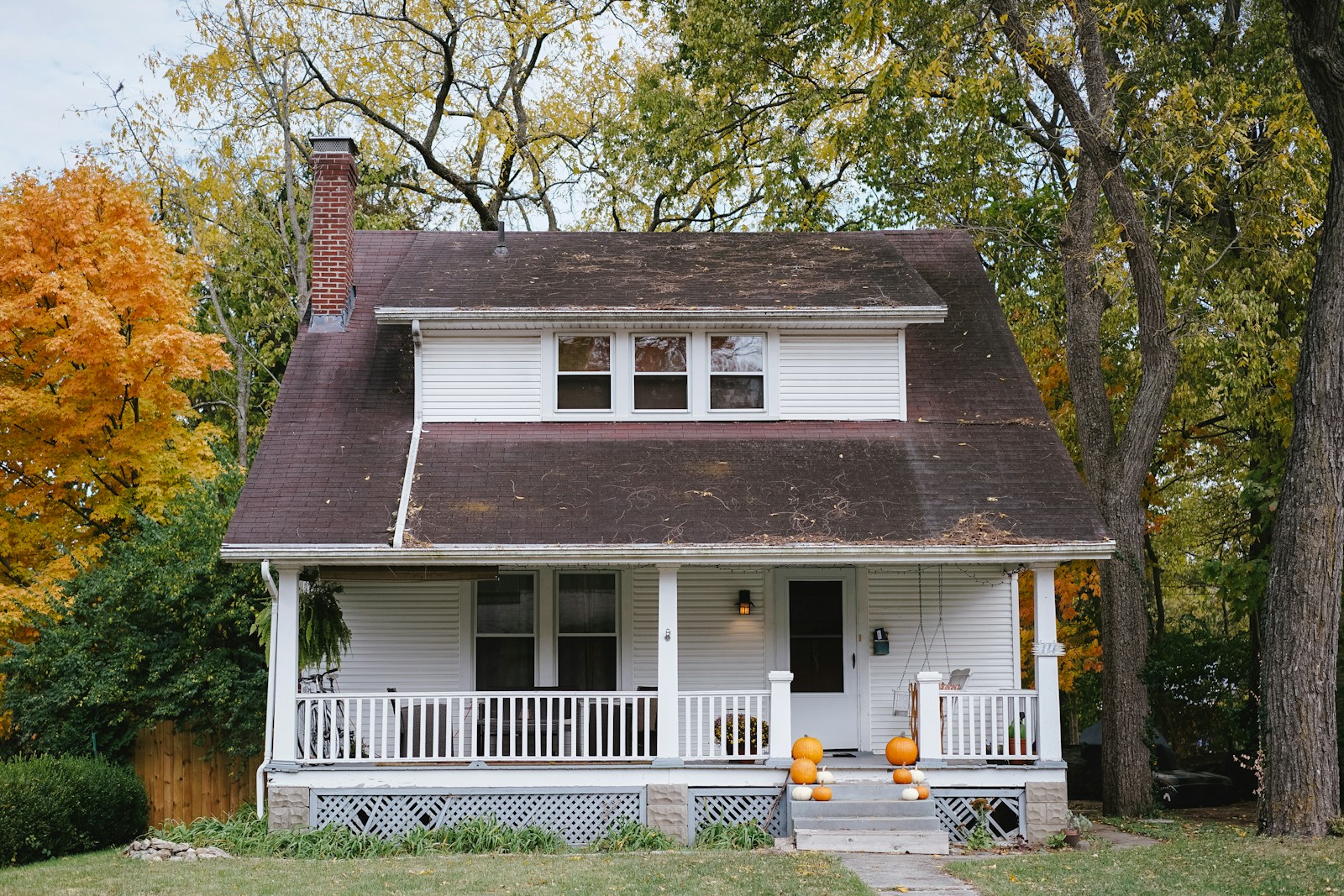
Being genuinely neighbor-friendly is a real marketing advantage for a short-term rental, but only when the listing's actual house rules back up the claim with specific, checkable details - a real quiet-hours time, a real parking instruction, a real trash-night schedule. A vague 'we're respectful of the neighborhood' slogan is extra load if the house-rule box still doesn't say what the block will actually experience on a Saturday night.
This page is one argument: a neighbor-friendly claim only counts as marketing if it points to something specific the property actually does - not a general goodwill statement that doesn't change any guest-facing field, and doesn't tell a neighbor or a guest what to actually expect.
This is not legal advice. It's a practical filter for writing neighbor-friendly language that survives contact with an actual Saturday night, rather than language that just sounds considerate without changing anything real.
A neighbor line is a stay you can keep
The test for any neighbor-friendly claim is whether it names a specific, checkable practice: a stated quiet-hours window, a parking limit tied to actual driveway capacity, a trash-night schedule that matches the block's actual pickup day. A claim that can't be traced to one of those specifics is a slogan, not a marketing advantage.
Marketing is not the lock on the door here either - a listing description promising good-neighbor behavior doesn't enforce it. The house-rule box, and whether guests actually follow it, is what makes the claim real.
What belongs in a repeatable neighbor line
A repeatable neighbor line names the actual quiet-hours time, the actual parking situation (how many cars the driveway holds, where overflow parking is not allowed), and the actual trash and recycling schedule guests need to follow. These are specific enough that both guests and neighbors can hold the host to them.
This kind of specificity does double duty: it sets clear guest expectations, and it demonstrates to a neighbor or a town official that the host has actually thought through the property's impact on the block, rather than just claiming to have.
When a slogan is extra load
A slogan is extra load the moment it can't be traced to a specific house-rule box line. 'We respect our neighbors' or 'quiet neighborhood, quiet guests' sounds nice but doesn't tell a guest what time quiet hours actually start, or tell a neighbor what enforcement actually looks like when a rule gets broken.
The first tile of a listing still sells a version of neighborhood harmony a slogan won't actually keep if the house-rule box doesn't name the specific behaviors that make that harmony real.
When the listing is enough
If the house-rule box already states specific quiet hours, parking limits, and trash-night expectations clearly, no additional neighbor-friendly marketing language is needed. The specificity already does the marketing job - a guest reading clear, concrete rules understands the property runs a considerate operation without needing a separate slogan to say so.
Skip additional goodwill language when the existing house rules already demonstrate the substance. More adjectives on top of already-specific rules don't add credibility.
Composite: a quiet-hours slogan, an unnamed trash night
Picture a listing description that promises 'we're mindful of our neighbors' while the house-rule box says nothing about actual quiet hours, parking limits, or which night trash goes out. A guest reading the slogan has no specific behavior to follow, and a neighbor dealing with a loud Saturday night has no rule to point back to.
That gap surfaces as neighbor complaints that reference the listing's own marketing language - a promise of consideration with nothing concrete behind it. Fixing it means replacing the slogan with the specific quiet-hours time, parking rule, and trash schedule.
Cluster map: what a repeatable neighbor line touches
A genuine neighbor-friendly claim touches four specific fields: the house-rule box's quiet-hours time, its parking instructions, its trash and recycling schedule, and the about block's honest description of the property's actual proximity to neighboring homes.
If a sentence about being a good neighbor can't point to one of those four, it isn't a marketing advantage yet - it's an intention that hasn't been written into anything a guest or a neighbor will actually see.
A thirty and ninety-day check without occupancy as the score
At thirty days, check the house-rule box, not occupancy. Does it name a specific quiet-hours time, parking limit, and trash schedule? Have neighbor-related complaints, if any existed before, actually decreased?
At ninety days, look for the goodwill slogan you still haven't backed up with a specific rule. If neighbor friction keeps showing up despite friendly-sounding listing language, the slogan never became an actual operating practice.
Related Reading
More independent-host neighbor, community, and town-politics reading already live on Crest & Cove.
Frequently Asked Questions
How can being neighbor-friendly actually help my short-term rental's marketing?
By naming specific, checkable practices -- a stated quiet-hours time, a parking limit, a trash schedule -- rather than a vague goodwill statement. Specific rules build trust with both guests and neighbors more than general claims about being considerate.
Is 'we respect our neighbors' enough to include in my listing description?
Not on its own. That phrase doesn't tell a guest what time quiet hours start or what parking is actually allowed. Replace it with the specific rule, and the marketing benefit comes from the clarity, not the sentiment.
Where should quiet-hours and parking rules actually go on my listing?
In the house-rule box, stated specifically: the actual quiet-hours time, how many cars the driveway holds, and which trash night applies. These specifics do more marketing work than a general statement about being a good neighbor.
What happens if my listing promises neighbor-friendliness without specific rules?
Guests have no specific behavior to follow, and neighbors dealing with an actual disturbance have no rule to point back to. That gap often surfaces as complaints referencing the listing's own unfulfilled promise of consideration.
Do I need marketing language about being neighbor-friendly if my house rules are already specific?
No. If the house-rule box already states clear quiet hours, parking limits, and trash expectations, that specificity already demonstrates the substance. Additional slogan language on top doesn't add credibility.
How does neighbor-friendly marketing help with local town relations?
Specific, followed house rules demonstrate to neighbors and town officials that a host has genuinely planned for the property's impact on the block, which matters more in compliance conversations than a general marketing claim.
What's the biggest mistake in neighbor-friendly listing language?
Making a goodwill claim that doesn't correspond to any specific house-rule box line. The gap between the claim and the actual specific rule is what creates neighbor friction and guest confusion.
What should I check to know if my neighbor-friendly approach is working?
At thirty and ninety days, check the house-rule box for specific quiet-hours, parking, and trash rules, and check whether neighbor complaints have actually decreased. If friction continues despite friendly language, the claim hasn't become an actual practice yet.
Work with Crest & Cove Creative
A neighbor line is a stay you can keep. A quiet-hours slogan is extra load if Saturday still doesn't say what the block will actually experience.
Bring us your current house rules and we'll help you turn a vague neighbor-friendly claim into specific quiet-hours, parking, and trash-night rules guests can actually follow. Name the failure mode the guest can check on the listing.
Reach out at crestcove.co or (256) 998-7502.


Comments