
Out-of-State Airbnb Photography Logistics for Remote Hosts

Updated: Aug 21
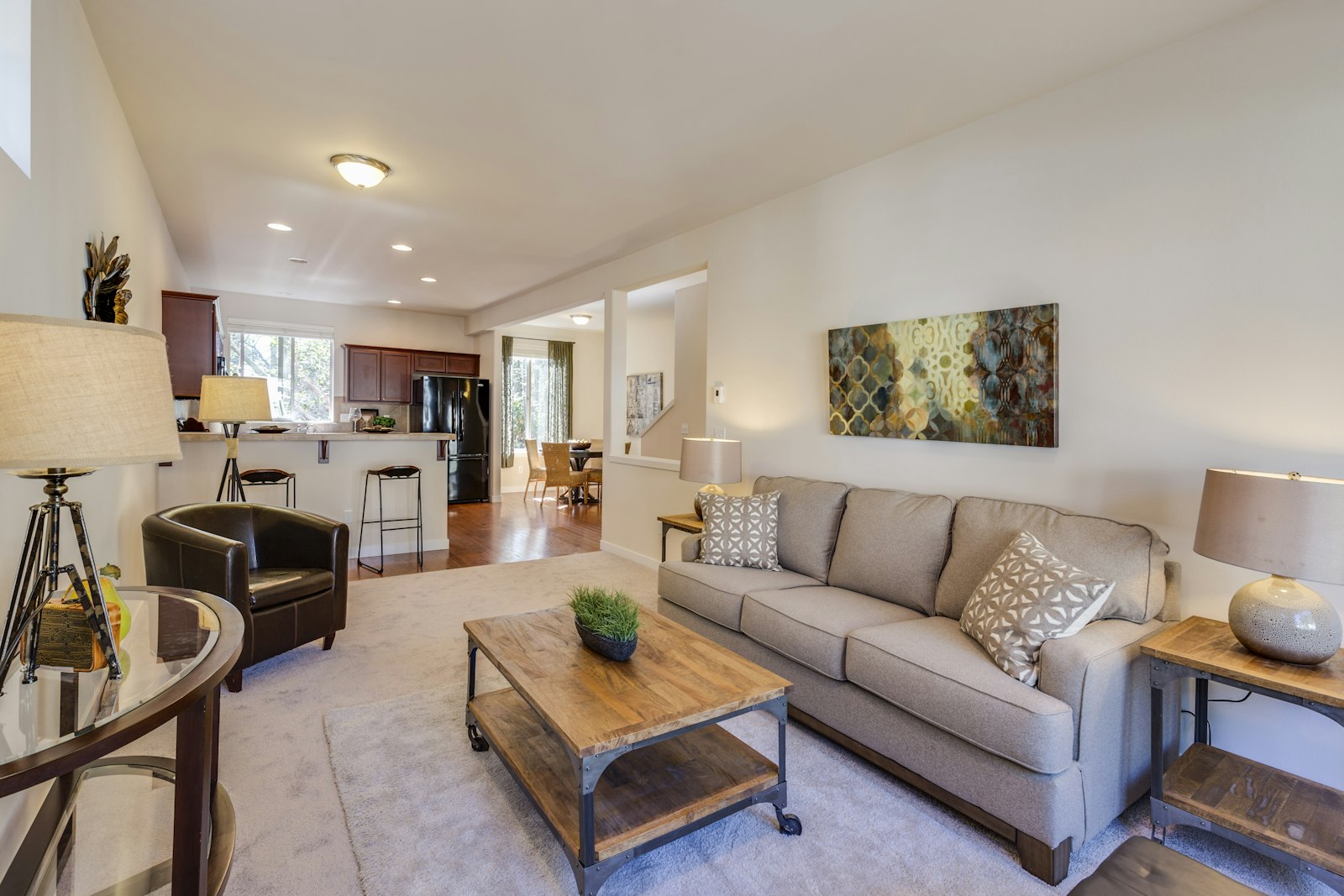
If you will not be in the driveway, write the shoot like a turnover. Out-of-state photography is an access problem, a staging problem, and a recut problem. It is not another lecture on which frame belongs on the cover. The photographer you hire from a listing three states away cannot guess which lamp is seasonal, which kayak lives in your other garage, or which door the guest will actually use. You have to send that packet before they park. You also have to name who holds keys that morning and who can move a chair when the first frame is wrong.
This page owns the logistics of a gallery you cannot walk. Other Crest & Cove systems already cover listing conversion and photo order. Leave those pages their jobs. What remote ownership breaks is the ten-minute recut a local host does without thinking: close the closet, hide the owner bin, flip the pillow, shoot the lockbox post. From another state those ten minutes become a week of texts, a missed weather window, and a set that still shows last Thanksgiving. That visit has to be staffed like a Friday arrival, not like a favor. Own the stay you cannot walk to by treating the shoot as a briefed visit, not as a vibe.
Refuse leftover theater once. Do not invent occupancy from a prettier hero. Do not rent a canoe for the afternoon and leave it in the listing as an amenity. Do not ask a photographer to AI-smooth a stain article 2895 would call an edited flaw. Honesty is the constraint. Distance is the staffing. The rest of this essay is the packet: access, staging, what to send a week out, who owns the recut after the first reviews, when a phone set is enough, and what to ask a vendor you will never meet on site.
This is not a cover-five lecture
Cover order, first-five sequence, and title formulas are not this job. Those lectures already exist, including the first-photos order page, and repeating them here would steal a system this cluster does not own. A remote owner can follow a perfect cover rule and still ship a gallery that lies, because nobody local recut the set. The failure is not that the living room was photo four. The failure is that the living room still held owner coats, a Christmas tree in May, or a lock the guest will never find. Distance turns a styling miss into a trust miss. A local host would have moved the coats before the first frame. You have to assign that move in writing.
What this page will do is name the visit. Who opens the house. Who stages. Who is allowed to move furniture. Who waits if the cleaner is late. Who has authority to kill a frame that does not match the listing. Those are operations questions, and they sit next to the remote-owner map, not next to a search-tile lecture. If you cannot walk the rooms the morning of the shoot, someone else is the on-site editor. A name on a text thread is not enough if that person cannot be in the house when the van arrives. Write that name into the brief or the photographer will edit toward a pretty house that is not your house.
A listing that already converts on fundamentals does not need a second theory of heroes. It needs a gallery that still matches after the owner week ends and the cleaner resets the stay. If the current photos are six years old, dark, or full of people who no longer own the house, schedule the shoot. If the current photos are recent and honest, and the only complaint is tile order, go fix order on the page that owns it. Do not fly a photographer for a sequence problem. Do not skip a photographer for a logistics problem you keep calling creative. The shoot is a visit with a job, not a creative meeting you will join from the airport lounge.
Access, staging, and who recuts the set
Access is the first line of the brief because nothing else happens if the photographer is on the porch with a dead code. Name the method. Name who holds keys or the temporary shoot code the morning of. Name the backup if that person is late. A cleaner who turns the house is not automatically the person who will meet a vendor. A neighbor who waves is not a keyholder. Put the same seriousness into this visit that you put into guest arrival. The local ops roles decide who can walk the door. The shoot brief just cannot be vaguer than a Friday check-in. If the shoot code is the same as last weekend's guest code, change it after the van leaves.
Staging is the second line, and it is not a mood board. It is a list of what must be gone, what must be present, and what must never be invented. Owner food out. Personal photos down. Extra chairs that guests will not have put away. Amenities the listing sells put back where a guest will find them. If the cleaner is also the stager, they need the same turnover brief they use between guests, plus an one-page shoot addendum: which beds get dressed, which lights stay on, which closet stays shut. If you try to stage by text from another airport while they are already inside, you will get a pretty mess.
Recut authority is the third line and the one remote owners skip. Someone on site has to be allowed to move the set when the first frames show a trash can, a stain, or a view the listing does not have. If the only person in the house is a photographer who was told not to touch anything, you will pay for a gallery of the problem. If the only person is a cleaner who is afraid to move a lamp, same result. Write the rule: photographer may reset pillows and doors; cleaner may remove owner leftovers; nobody adds a prop that will not be there for the next guest. That is how a shoot you cannot attend stays honest.
Honesty vs overstaging when you cannot walk the rooms
Overstaging is how remote owners lie without meaning to. A rented art print, a borrowed kayak, a bowl of citrus, a throw that goes home with the stylist: each one is a frame guests will try to find. Article 2895 already treats listing accuracy as location pin, type, size, privacy, amenities, and no AI-edited flaws. A canoe that is not on the property is a false amenity even if the water is real. A digitally emptied driveway is the same class of problem as a pin dropped on the nicer beach. Distance does not create a styling exception, and a retoucher in another city is not a substitute for a walk. It creates a higher chance you will not notice the lie until a review names it.
Honesty is not the same as shooting a dirty house. Clean the stay. Dress the beds the way the cleaner will dress them. Light the rooms the way a guest can light them. Then stop. Do not import a lifestyle the house does not keep. Do not shoot an owner week and call it the guest product. The location pin honesty rule is the same rule in pictures: show the lot you actually rented, the access the guest will actually walk, the rooms they will actually sleep in. If a season changes the yard, plan a later recut instead of planting summer furniture in a January frame you cannot refresh.
The test you can run from another state is simple. For every hero object, write whether a guest arriving next month will still see it. If the answer is no, it is a prop, not a photo. If you are unsure because you have not walked the house since April, you do not have a photography problem yet. You have an inspection problem. Send the cleaner a room-by-room stills request before you book the photographer. A shoot that starts from last year's memory will overstage the gaps. A shoot that starts from this week's stills can stay modest and still sell the stay. If the stills show owner bins in the hall, the staging job is not done, and the photographer should not start.
What to send the photographer the week before
Send a packet, not a vibe paragraph. Include the address, the gate notes, where to park a van, who meets them, the shoot code or lockbox location without publishing that code in a public thread, and a phone that will answer that morning. Include a room list with the shots you need for proof, not for art school: approach, entry, each sleep space, kitchen, baths, the amenity you sell, and the ugly-but-true frames such as the parking pad and the breaker. Attach the current listing amenity list so they do not invent a grill. Attach two or three guest stills if the house has drifted since the last owner visit. If you cannot name those items in one page, you are not ready to book the van.
Send the constraints in the same file. No people in the frames unless you have a signed reason. No personal photos on the mantel. No owner food. No drone pass that implies a beach the lot does not touch. No AI cleanup of stains, cracks, or a view. If the cleaner is staging the day before, put that turnover on the calendar so the photographer is not shooting a stripped bed. If an owner week just ended, the flip has to finish before the first frame. A photographer cannot recut a family occupancy you left in the sink. Do not send a Pinterest board in place of those constraints. The vendor will style the board, not the stay.
Send the recut rule and the delivery rule together. Tell them who on site may move objects, how soon you need a first gallery, and that you will kill any frame that does not match the live listing. Ask for uncropped room plates, not only styled details, so a later listing conversion pass can reorder without a reshoot. You are not teaching cover-five here. You are making sure the files exist. A week-before packet that names access, staging, and kill rules is how a vendor you will never meet still shoots your house instead of a catalog house. If they only deliver tight details, you will be back in the cover-order argument this page refused.
Who owns the recut after the first reviews
The first reviews after a new gallery are an inspection you did not attend. Guests will tell you the loft felt smaller, the hall was dark, the dock was missing, or the lockbox was not where the photo implied. That is not a reason to invent a score or an occupancy swing. It is a reason to assign the recut. Someone has to walk the room, decide whether the photo lied or the stay drifted, and either replace the frame or rewrite the amenity. If you leave that job with "we will crop it later," the lie stays live while you sleep in another zone.
Ownership has to be named before the review lands. The photographer may include one recut visit in the bid. The cleaner may be able to send stills of a fixed lamp. A local contact may hang the missing mirror. You may wait until the next flight if the miss is cosmetic and the listing words already tell the truth. What you may not do is argue with guests in public about a photo you cannot walk. The review system can teach reply posture. It cannot put a kayak back on a rack that never existed. If the frame sold a thing the house does not have, remove the frame the same day you remove the amenity.
Seasonal drift is the recut remote owners forget. A gallery shot in October will not match a July lawn. A gallery shot during your family week will not match a guest-ready Tuesday. Build a stills habit into the turnover: the cleaner sends the same four proof angles after peak season, and you compare them to the live gallery. When the photo and the room diverge, schedule a recut, not a rebrand. Put that comparison on a calendar after the busy months, not in a thread you will lose when the next inquiry lands. Trust content on the remote-owned stay cannot outrun a picture that already broke. The recut is how you keep owning a house you do not visit.
DIY vs pro when you are not in the driveway
A phone set can be honest. A pro set can be a lie. The split is not equipment. It is whether someone who understands the listing can walk the rooms on shoot day. If you are flying in for three days, you can shoot a clean, daylight, proof-first gallery yourself and skip the vendor. If you are not flying in, a local photographer with a ruthless brief beats a remote owner directing a cousin by video. The cousin will shoot the memories. The photographer will shoot what you put on the list. Neither one should invent occupancy or a luxury the house does not run. If the brief cannot name the real access, do not book the hour.
Hire a pro when the house has changed, when the current frames are from an owner occupancy, when you cannot take a daylight window yourself, or when the cleaner cannot stage and shoot without dropping the turnover. Stay DIY when you will be on site, the rooms are simple, and you can still send the same proof list you would send a vendor. Do not hire because a blog said every listing needs a branded set. Do not stay DIY because you are cheap if the only photos you have were taken in the rain from the driveway. The hire trigger is a different job. Photography is one deliverable inside it, not a reason to buy a full brand.
The hybrid that usually works is a local pro for the wide plates and your own phone for the later recut stills. That only works if the first gallery was honest. A styled fantasy cannot be patched with a phone shot of the real sink. If you are choosing vendors from another state, price the recut visit in the first conversation. A cheap hero with no return trip will cost you a second flight or a year of mismatched rooms. Distance makes the second visit the product. Buy it, or plan the next time your own feet will be in the hall. Write the next on-site date in the same brief as the first shoot, even if that date is months out.
Questions to ask a vendor you will never meet on site
Ask who holds keys the morning of the shoot, and ask it twice. Ask what happens if the cleaner is late, if the code fails, if the house is still occupied, and if weather kills the light. Ask whether they will wait, return, or bill a kill fee. Ask who is allowed to move furniture and whether they bring props. If they bring props, ask what happens to those objects after they leave. A vendor who wants to style a life the house does not live is a vendor who will overstage your absence. You want a person who can follow a brief, not a person who will invent a catalog.
Ask for the file list in writing: uncropped room plates, exteriors that show true access, no AI cleanup, no drone implication the lot cannot support. Ask how they deliver, how long they keep raws, and what a recut costs after the first reviews. Ask whether they have shot lockbox and keypad entries before, because a pretty living room with a hidden door is how remote galleries fail. Ask for a same-day text if something in the house does not match the amenity list you sent. That text is your chance to kill a lie before it becomes a hero. A vendor who will not put recut pricing in the first email is a vendor you will argue with from another state.
A composite: an owner two states away hired a photographer off a local page, mailed a vibe paragraph, and left a lockbox code in the public thread. The vendor arrived to a house still in owner-week mode, shot the family clutter, added a borrowed canoe, and delivered a warm gallery that guests could not find. The fix was not a better preset. It was a packet: named keyholder, cleaner staging the day before, no props, proof list, recut rule. Ask those questions before you send a deposit. A vendor you will never meet on site can still shoot a true stay if you write the visit like a turnover and then leave them alone to make the frames.
Frequently Asked Questions
How should independents handle out-of-state photography?
Write the shoot like a turnover you will not attend. Name who holds keys, who stages, and who may recut the set. Send a week-before packet with access, a proof shot list, the live amenity list, and a ban on props and AI-edited flaws. Do not treat this as a cover-five lecture. Honest rooms beat a prettier hero. If you cannot walk the house, someone local has to be the on-site editor or the gallery will shoot last year's memory.
What do generic answers get wrong about remote-owner photography?
They repeat cover-photo formulas and first-five order as if sequence were the remote-owner problem. Sequence is a different system. Distance breaks access, staging, and the recut. Generic posts also tell you to style a lifestyle the house does not keep, or to invent occupancy from a new hero. A borrowed kayak is a false amenity. A Thanksgiving owner week is not the guest product. Order later, on the page that owns order.
When should I ignore a reshoot and fix fundamentals first?
Ignore a reshoot if the current frames are recent and honest and the real problems are a vague access method, a calendar guests cannot trust, or silence on new inquiries. New photos will not fix a dead keypad or a listing that will not name a local path. Reshoot when the gallery is old, shot during an owner occupancy, full of missing amenities, or arguing with the rooms the cleaner now resets. Fundamentals first, then a logistics shoot.
What tools are optional vs mandatory on a single listing?
Mandatory is a way into the house, a staged guest-ready set, and frames that match the live amenities without AI-edited flaws. A named local person who can recut the set is mandatory if you will not be there. Optional are drones, stylists, prop houses, branded presets, and a second photographer for twilight. A phone can be enough when you are on site in daylight. A pro is a logistics hire, not a required brand kit.
Who holds keys the morning of the shoot?
Whoever can walk the door on time and is allowed to let a vendor in. That may be a cleaner, a co-host, a paid access contact, or you if you flew in. It is not a neighbor who only waves, and it is not a code you posted in a public thread. Give the photographer a temporary shoot code or a lockbox plan, a backup number, and a rule for a late cleaner. Treat shoot morning with the same seriousness as guest arrival.
How do I restage after a season I did not visit?
Ask the cleaner or inspector for current stills of the proof angles: entry, each sleep space, kitchen, and the amenity you sell. Compare those stills to the live gallery. Remove frames that show a season that has ended. Only then book a recut or a full shoot. If nobody can walk the rooms, you do not have a photography plan yet.
Can phone photos wait until I fly in?
Yes, if the live gallery is still honest enough to sell the actual rooms and you have a dated flight. No, if the current photos are from an owner week, show amenities you no longer have, or hide the real access. A planned visit is a good DIY window. An open-ended wait while the listing runs on stale frames is how guests write the recut for you. If the flight slips, hire a local pro with the same packet you would have used.
How do I keep the gallery honest if the cleaner staged it?
Give the cleaner the guest turnover standard plus a short shoot addendum, not a Pinterest board. Tell them what must be gone, what must be present, and that they may not add props that leave with them. Ask for a pre-shoot stills set so you can catch owner leftovers before the photographer arrives. After delivery, kill any frame that does not match next month's stay. The cleaner stages the product.
Related Reading
More independent-host remote-owner and second-home reading already live on Crest & Cove.
Work with Crest & Cove Creative
Stop publishing copy a guest cannot verify on this listing.
Bring the current listing and the page that is supposed to do this job. We will rewrite out-of-State Airbnb Photography Logistics for Remote Hosts so it matches what is actually true on the tile. Reach out at crestcove.co or (256) 998-7502.


Comments