
Franklin Recovery: Numbers Hosts Should Actually Read
- Thomas Garner

- May 17
- 7 min read
Updated: 15 hours ago
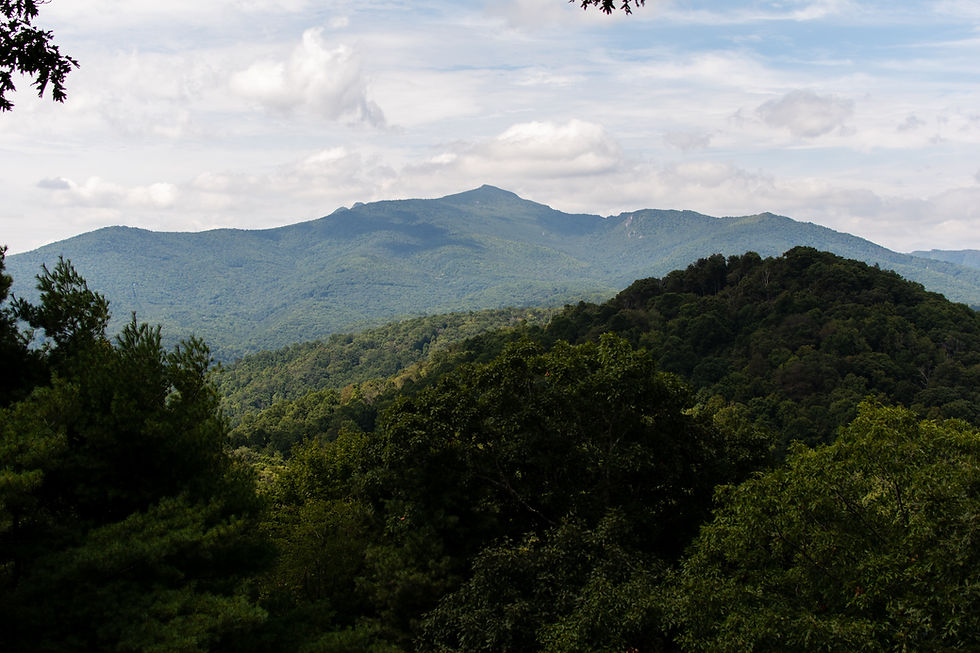
Franklin is one of the more underestimated STR markets in Western North Carolina. Macon County sits at the convergence of several outdoor recreation systems — the Nantahala National Forest, the Appalachian Trail corridor, gem mining along the Corundum Hill belt, and proximity to both the Highlands plateau and the Nantahala Gorge — that produce a visitor profile unlike the more frequently discussed WNC markets. The recovery trajectory here has been shaped by that distinctive character, and operators who understand what's actually driving demand will position their properties more effectively than those importing assumptions from Asheville or Bryson City data.
We approach Franklin data with appropriate caution — Macon County is a small market where large individual properties, seasonal event traffic, and year-to-year weather variation can shift aggregate metrics in ways that don't reflect the underlying trend. The patterns described here are directional reads based on operator benchmarking and market analysis rather than precision statistics.
The Recovery Pattern: Outdoor Recreation Drives the Baseline
Franklin's post-pandemic recovery has been steady and is primarily shaped by demand for outdoor recreation. The Appalachian Trail's approach through Macon County — including the trail's southern terminus area — draws a specific category of traveler who isn't particularly deterred by economic headwinds: the committed outdoor enthusiast who plans trips around trail conditions and seasons rather than around leisure market trends. This demand layer has been among the most consistent in the WNC recovery period.
Gem mining — Franklin's most distinctive tourism identity — has performed well in the recovery period. The tactile, hands-on experience of sluicing for rubies and sapphires in the Cowee Valley draws families and couples seeking a memorable, unusual outdoor activity. This is exactly the experiential tourism category that accelerated during the pandemic period and has held its gains. Properties that market the gem-mining experience — with specific sluice-mine site recommendations and family-friendly framing — capture a demand segment that other WNC markets can't easily replicate.
The Nantahala Gorge and associated whitewater and hiking access add an adventure-tourism layer that complements the gem mining and AT demand. Franklin isn't the closest basecamp to the Gorge (Bryson City and Wesser hold that position), but its combination of outdoor access points — AT, gems, Gorge proximity, Highlands scenic drive — creates a multi-anchor destination character that supports longer stay durations than single-anchor markets.
Hurricane Helene Recovery Context
Franklin and Macon County were affected by Hurricane Helene in the fall of 2024, though generally less severely than some neighboring Western NC communities. The recovery timeline for tourism-adjacent infrastructure in Macon County has been faster than in harder-hit areas, and visitor sentiment toward the broader WNC region — which saw significant hesitation in the immediate post-storm period — has been recovering through 2025. Properties that clearly communicated their specific status and the continued availability of key outdoor recreation assets (gem mines, AT access points, Nantahala Forest trails) retained more bookings during the disruption period than those that relied on guests to research conditions themselves.
The broader WNC recovery narrative has been shifting from 'assessing damage' to 'welcoming visitors back,' and Franklin is well positioned to benefit from this shift, given its infrastructure resilience. Operators should be explicit in their listing content and marketing about property and local amenity status — a guest researching a WNC trip in 2025 or 2026 is actively looking for confirmation that the experience they're planning is available.
Seasonality Patterns and Opportunity Windows
Franklin's seasonality is more extended than many WNC markets. The gem mining season runs from spring through fall and draws visitors who aren't bound by the foliage or ski windows that dominate other mountain markets. Summer is driven by AT-adjacent hikers, families seeking the gem experience, and the proximity of Highlands/Cashiers for day trips. Fall is the foliage and harvest season. Winter, while the softest season, has a growing appeal for properties that market cozy mountain getaway positioning to guests who want to avoid the crowds of peak summer.
The opportunity window that most Franklin operators underutilize is the gem mining spring shoulder: April through mid-June, before summer crowds arrive, when the sluice mines open for the season and AT thru-hikers are moving through the area. A property that markets specifically to this early-season outdoor visitor — gem mining first-timers, families, AT section hikers — captures bookings in a window where softer competition means better rates for guests and better occupancy for operators.
Want a free audit of your listing's visibility? Get your free visibility score to see exactly where your property stands.
What the Recovery Means for Host Strategy
First, multi-anchor marketing is particularly valuable in Franklin because the market has more authentic demand anchors than most comparably-sized WNC towns. A listing that mentions gem mining, AT access, proximity to Nantahala, and the Highlands scenic drive reaches four distinct guest profiles. Most Franklin listings address one or two of these; the ones that address all four consistently see stronger occupancy across a longer seasonal calendar.
Second, the longer-stay trend is a real opportunity in Franklin's market. The combination of outdoor activities — gem mining takes a half-day, AT day hikes take a full day, Gorge visits require another day — produces a natural 3–5 night stay structure for the guest who wants to experience multiple activities. Properties with 3-night minimums during peak season are better aligned with this actual demand than those with 2-night minimums that attract drive-through guests rather than stay-and-explore visitors.
Third, Franklin's gem-mining identity is a genuine competitive differentiator that few hosts actively market online. A property 10 miles from Asheville competes with hundreds of similar listings; a property marketed as 'the best basecamp for Cowee Valley gem mining' faces less direct competition meaningfully. Specific, honest local expertise in listing copy and guidebook content is how Franklin operators build a distinctive brand in a region where generic mountain cabin positioning is abundant.
Ready to reposition? Start with our free visibility audit — a complete read on where your listing wins and where it leaves money on the table.
Frequently Asked Questions
What are Franklin's core outdoor recreation demand anchors?
The Nantahala National Forest, the Appalachian Trail corridor (including its southern terminus area), gem mining in the Cowee Valley, and the Nantahala Gorge's whitewater and hiking access. Macon County sits at the convergence of several outdoor recreation systems — the Nantahala National Forest, the Appalachian Trail corridor, gem mining along the Corundum Hill belt, and proximity to both the Highlands plateau and the Nantahala Gorge — that produce a visitor profile unlike the more frequently discussed WNC markets.
How did Hurricane Helene affect Franklin's tourism economy?
Franklin and Macon County were affected in fall 2024, though generally less severely than some neighboring Western NC communities. Franklin and Macon County were affected by Hurricane Helene in the fall of 2024, though generally less severely than some neighboring Western NC communities. Macon County Tourism Development Authority — Franklin visitor and market research. The recovery timeline for tourism-adjacent infrastructure in Macon County has been faster than in harder-hit areas, and visitor sentiment toward the broader WNC region — which saw significant hesitation in the immediate post-storm period — has been recovering through 2025.
What is Franklin's underutilized opportunity window?
The gem mining spring shoulder — April through mid-June — before summer crowds arrive, when sluice mines open for the season and Appalachian Trail thru-hikers are moving through. The opportunity window that most Franklin operators underutilize is the gem mining spring shoulder: April through mid-June, before summer crowds arrive, when the sluice mines open for the season and AT thru-hikers are moving through the area.
Why is Franklin's seasonality more extended than many WNC markets?
The gem mining season runs spring through fall and draws visitors not bound by the foliage or ski windows that dominate other mountain markets. The gem mining season runs from spring through fall and draws visitors who aren't bound by the foliage or ski windows that dominate other mountain markets. Franklin's seasonality is more extended than many WNC markets.
Why does multi-anchor marketing work particularly well for Franklin listings?
The market has more authentic demand anchors than most comparably-sized WNC towns — gem mining, Appalachian Trail access, and Nantahala Gorge proximity can all be referenced in a single listing. First, multi-anchor marketing is particularly valuable in Franklin because the market has more authentic demand anchors than most comparably-sized WNC towns. Franklin isn't the closest basecamp to the Gorge (Bryson City and Wesser hold that position), but its combination of outdoor access points — AT, gems, Gorge proximity, Highlands scenic drive — creates a multi-anchor destination character that supports longer stay durations than single-anchor markets.
Does Franklin's activity mix support longer average stays?
Yes — gem mining takes a half-day, Appalachian Trail day hikes take a full day, and Nantahala Gorge visits require another day, producing a natural multi-day stay pattern. The combination of outdoor activities — gem mining takes a half-day, AT day hikes take a full day, Gorge visits require another day — produces a natural 3–5 night stay structure for the guest who wants to experience multiple activities. Keep going on Crest & Cove: the Franklin AirROI market file, Franklin paddling spots worth the drive, the Crest & Cove intro, local SEO keywords that actually book, what Robbinsville recovery actually measures, the five elements of a converting hero, how to.
What the Recovery Means for Host Strategy?
The recovery trajectory here has been shaped by that distinctive character, and operators who understand what's actually driving demand will position their properties more effectively than those importing assumptions from Asheville or Bryson City data. Properties that clearly communicated their specific status and the continued availability of key outdoor recreation assets (gem mines, AT access points, Nantahala Forest trails) retained more bookings during the disruption period than those that relied on guests to research conditions themselves.
How should a host read this: The Recovery Pattern: Outdoor Recreation Drives the Baseline?
The Recovery Pattern: Outdoor Recreation Drives the Baseline. Franklin's post-pandemic recovery has been steady and is primarily shaped by demand for outdoor recreation. This demand layer has been among the most consistent in the WNC recovery period. The recovery timeline for tourism-adjacent infrastructure in Macon County has been faster than in harder-hit areas, and visitor sentiment toward the broader WNC region — which saw significant hesitation in the immediate post-storm period — has been recovering through 2025.
Related Reading
Keep reading on same-cluster Crest & Cove pages that stay on labeled local lines without costume-corridor copy.
How Tourism Recovery Is Reshaping Dahlonega GA's Economy in 2026
How Tourism Recovery Is Reshaping Black Mountain's Local Economy
How Tourism Recovery Trajectories Are Reshaping Robbinsville's Economy
Maggie Valley's Recovery Runs Through Cataloochee, Not the Blended
Hendersonville's Recovery Isn't Restoring the Old Market - It's
Jasper Recovery: What Pickens County Tourism Dollars Measure
Lake Lure's Recovery Isn't One Number, It's Four Different Timelines
Helen and Hiawassee Recovery: What Hosts Need to Know in 2026
Blairsville Recovery: What Union County Tourism Dollars Measure
Cherokee's Tourism Recovery: What the Casino, the Park, and the
Work with Crest & Cove Creative
Write this town's year. Do not file another market's number as this stay.
Reach out at crestcove.co or (256) 998-7502.



Comments