
On-Property Details Guests Photograph and Actually Post

Updated: Aug 27
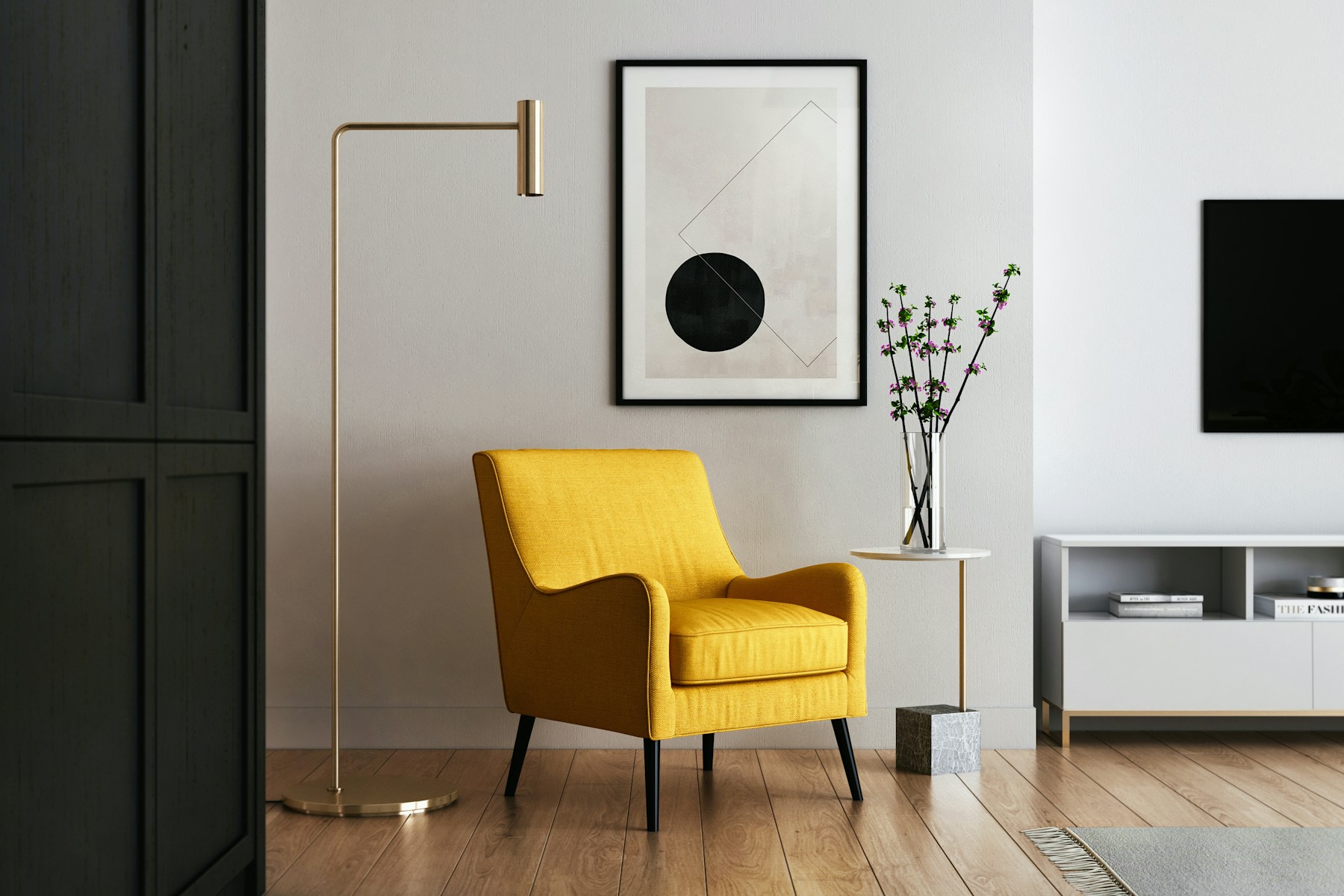
Guests photograph what they can touch, not what a listing description promises in the abstract. A styled coffee tray, a specific reading nook, or a labeled local map become the object a guest picks up their phone for, and that object either survives the next Saturday turnover or it becomes a bare table in someone's photo and a mention in a review.
This page stays on host-useful guest-experience mechanics. It will not guess a guest-happiness score, a share rate, or a review-score lift from any specific detail. Watch whether Saturday kept the object and whether guest photos still match the listing. This is not a promise of any measurable outcome.
The real question for an independent host is not whether to add a nice detail. It is whether the detail can survive the actual turnover schedule this house runs, because a detail that only exists for the first guest is a detail that will disappoint the fifth. This is not legal advice.
Guests photograph what they can touch
A guest's phone comes out for the coffee setup they will actually use, the reading chair they will actually sit in, or the local guidebook they will actually flip through - not for a styled vignette they are told not to disturb.
This is the practical filter for any detail a host is considering: will a guest pick this up, use it, and want a photo of it in use. If the honest answer is no, the detail is decoration, not a guest-experience feature.
Details have to survive Saturday
The real test of any on-property detail is whether the Saturday cleaner can reset it in the time they actually have. A detail that requires careful restyling after every guest is a detail that will slowly degrade, get skipped on a busy turn, or disappear entirely after a few cycles.
Build details around what the cleaning routine can reliably repeat, not around a one-time styling effort a photographer did for the listing photos. The gap between the listing photo and the fifth guest's actual arrival is where trust erodes.
How this sits next to listing photos
Listing photos set the expectation; on-property details either confirm or contradict it. A photo of a beautifully staged kitchen counter that never looks like that again after check-in creates the exact mismatch that shows up in reviews about accuracy, not about cleanliness.
Keep the photographed version and the maintained version close enough that a guest arriving with the listing photos still open on their phone does not feel like they booked a different house.
What not to stage for a stranger's camera
Avoid anything fragile, precious, or emotionally loaded that a guest might feel obligated to protect rather than use. A detail that makes a guest nervous to touch is a detail working against the stay, even if it photographs well for the listing.
Also avoid anything that requires explanation to use correctly. A detail a guest cannot figure out on their own, and does not want to ask about, is a detail that goes unused and unappreciated regardless of how it looks in the listing photos.
A composite: a styled tray the cleaner cannot reset
Picture a composite case: a beautifully styled welcome tray with fresh flowers, a specific arrangement of local snacks, and a handwritten note, photographed once for the listing and never fully recreated again because the cleaning team has fifteen minutes between checkout and check-in.
By the third or fourth guest, the tray is a plate with whatever snacks were on hand, no flowers, and no note. The gap between the listing photo and what actually shows up becomes the detail a guest photographs and posts - not the way the host intended.
When one true object beats a prop wall
A single object the house can reliably keep - a genuinely good local map with real recommendations, a working record player with an actual record, a specific chair by a specific window - beats a whole wall of styled props that only look complete on day one.
Marketing can name that one object honestly. A prop wall that needs a stylist's visit to look right again is not a guest-experience detail; it is a photo shoot that happened once.
A 30-day watch after you add a detail
After adding any new on-property detail, watch it for about 30 days across however many turnovers that covers. Check whether the cleaning team is actually maintaining it, whether guest photos of the space still match what was promised, and whether the detail shows up in guest messages or reviews at all.
If the detail survives that window without extra staff time or complaints, it earned its place. If it needs constant restyling or nobody notices it, that is useful information before investing further in similar details.
Stop doing these five things
Do not add a detail that only your professional photographer's staging could recreate. Do not choose anything fragile enough that a guest hesitates to touch it. Do not let a listing photo represent a one-time styling moment as if it were the permanent state of the house.
Do not add a detail your cleaning team was not told about or trained to reset. Do not assume a nice detail creates a measurable outcome without checking whether it actually survives real turnovers and shows up honestly in guest photos.
Related Reading
More independent-host guest-experience reading already live on Crest & Cove.
Frequently Asked Questions
What kind of on-property details do guests actually photograph?
Guests photograph things they can touch and use, not styled vignettes they are told to leave alone. A coffee setup they will actually use, a reading chair they will actually sit in, or a local guidebook they will actually flip through are the details most likely to end up in a guest's photo, because those are the objects that become part of their actual stay rather than a one-time visual.
How do I know if a detail will survive regular cleaning turnovers?
The practical test is whether your cleaning team can reset the detail in the time they actually have between checkout and check-in, without special instructions or a restyling effort. If a detail requires the kind of careful arrangement a photographer did once for the listing photos, it will degrade or disappear within a few turnover cycles rather than staying consistent for every guest.
Why do listing photos sometimes create a mismatch with the actual stay?
Listing photos often capture a one-time styling moment rather than the ongoing state of the house, so a beautifully staged counter or tray in the photo may never look that way again after the first guest. When a guest arrives with those photos still open on their phone and the house does not match, that gap shows up in reviews about accuracy rather than about cleanliness.
Should I avoid fragile or precious decorative items?
Yes, generally. Anything fragile, sentimental, or that a guest might feel obligated to protect rather than actually use works against the stay experience, even if it photographs well for the listing itself. A detail that makes guests nervous to touch it is a detail that gets avoided, not enjoyed, regardless of its visual appeal.
Is one great detail better than many small staged props?
Often yes. A single reliable object the house can consistently maintain, such as a genuinely useful local map or a working record player, tends to outperform an elaborate prop arrangement that only looks complete on day one and requires constant restyling. Marketing can name one honest detail; a prop wall that needs a stylist's touch-up is a photo shoot, not a guest-experience feature.
How long should I watch a new detail before deciding if it works?
A roughly 30-day watch window, covering however many turnovers occur in that period, is enough to see whether a cleaning team actually maintains the detail, whether guest photos still match what the listing promised, and whether the detail shows up in guest messages or reviews at all. That watch period is more useful than guessing at an outcome from a single guest's reaction.
What should I not tell my cleaning team when adding a new detail?
The mistake is not telling them anything at all. A detail added to a listing without instructions for the cleaning team to reset it is a detail that will look correct for the photographer and incorrect for every guest after the first, since nobody on the ground was told the detail existed or how to maintain it.
Can a nice on-property detail actually increase bookings or reviews?
This page will not guess a specific booking lift or review-score change tied to any particular detail, since that kind of claim is not something a host can verify from a single change. What can be verified is whether the detail survives Saturday, whether guest photos still match the listing, and whether guests mention it - those are the outcomes worth actually watching.
Work with Crest & Cove Creative
Guests photograph what they can touch, not what a listing description promises. A styled prop the cleaner cannot reset becomes a bare-table photo by the third guest.
We help independent hosts pick on-property details that survive real turnover schedules instead of a one-time photo shoot. Bring the current listing and we will name the one object your house can actually keep. Send the live listing draft and the facts you can actually cite.
Reach out at crestcove.co or (256) 998-7502.


Comments