
Video for Vacation Rentals: What Actually Converts Bookings

Updated: Aug 27
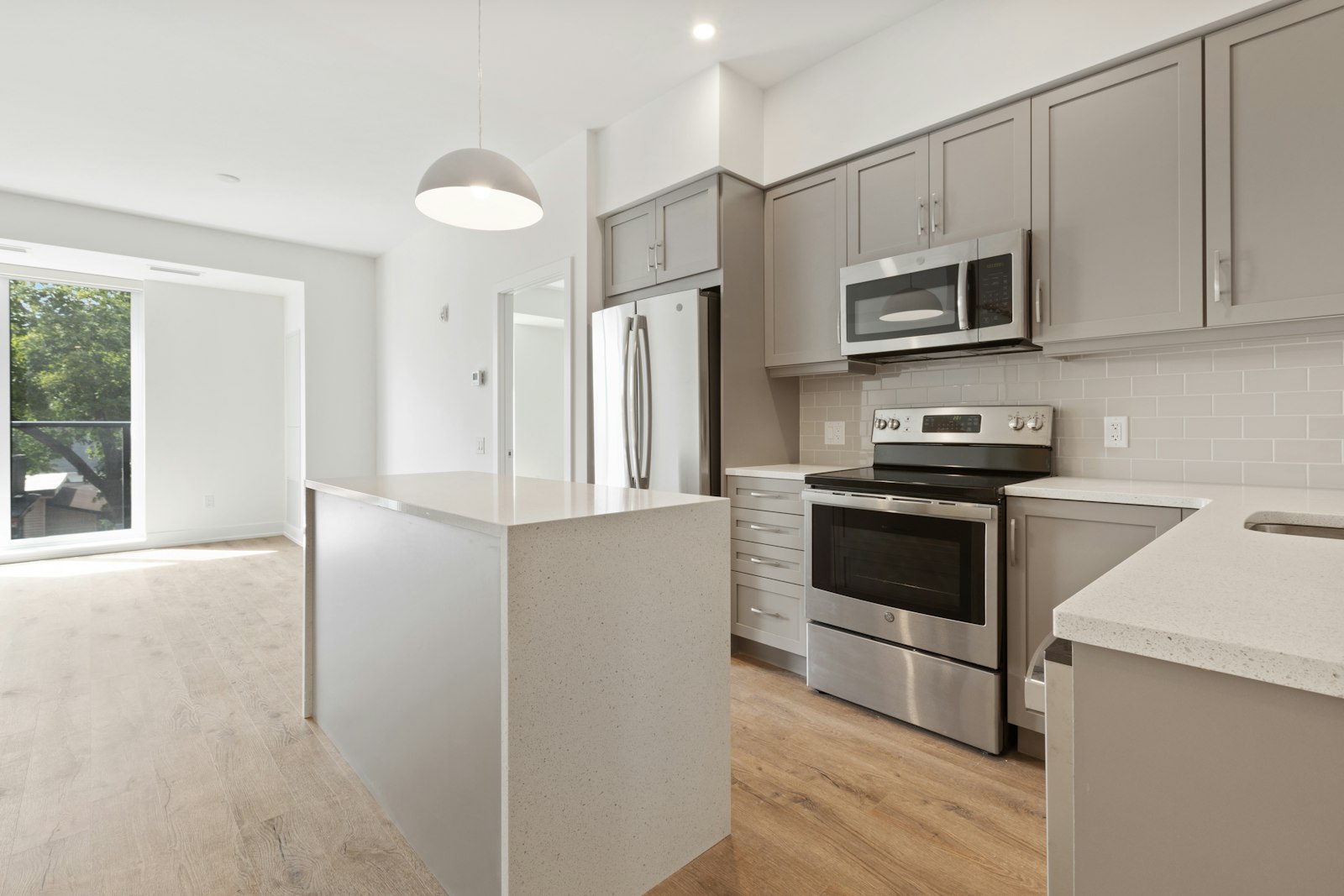
Video on a vacation rental is not a brand film. It is proof that the rooms exist, that a person can walk from the door to the kitchen without hitting a wall the stills hid, and that the light in the listing is the light a guest will get on a Tuesday. Independent hosts buy a drone reel, a logo sting, and a soundtrack because a creator menu said short-form is how listings win. Then they watch the calendar do nothing. That disappointment is a category error. A film sells a feeling. A listing video has to sell a floor plan. If the house is the product, the camera has to behave like an honest walk-through, not like a tourism board.
This page is for the host who has to tell a co-owner why last month’s reel did not produce a Saturday. If the still set is still a lie, start with what professional photography actually changes and come back. If you already measure the week in bookings quality, reviews, and time, keep that scoreboard and treat video as one more object on it, not as a new business. A reel that does not change the calendar is content. Content can be pleasant. It is not automatically marketing.
You do not need a production company to decide this. You need a way to see what video is for, what actually converts a booking, where the file should live first, and when this season’s honest move is to skip the shoot. The sections below keep those lines clean. Photography remains the differentiator. Sequence still matters: stills, accuracy, and reviews before spend. Video is a later proof layer. It is not a strategy, and it is not a reason to starve the listing of a true first frame.
Video is proof of space, not a brand film
Call the job by its right name and the shoot gets cheaper. A guest is trying to answer three spatial questions the stills leave open: how big is the room, how do the rooms connect, and will I feel boxed in. Video answers those questions if you walk at human speed, keep the horizon honest, and stop before the cut becomes a commercial. A brand film answers a fourth question nobody asked: what is the lifestyle of this logo. Lifestyle is how hosts spend a Saturday on a dock they do not own and then wonder why inquirers still ask about parking.
Proof of space is a marketing job, not a property-management job and not a plumbing job. The cleaner does not need a reel. The channel manager will not upload judgment. Someone still has to decide whether the hallway is wide enough to show, whether the basement bedroom needs a five-second hold so the ceiling height is obvious, and whether the soundtrack is covering a lie. Those decisions sit with whoever already owns the listing stills. If that person is you on Sunday night, the video brief is a walk-through list, not a mood board.
Hosts blur the jobs because the same creator who shot the wedding also offers “content for the gram.” That creator may be talented. Talent is not the same as a listing object. A listing object has to survive next to the title, the amenity bullets, and the review that mentions the stairs. If the film would look equally at home on a restaurant account, it is not doing listing work. Ask whether a skeptical guest could pause on a frame and trust the square footage. If the answer is no, you shot a brand film and filed it under marketing.
Keep the ownership explicit when you hire. A videographer delivers a file. A marketer decides whether that file belongs on the listing, on a thin owned page, or in the trash. If the proposal talks only about views, hooks, and posting cadence, they are selling a channel you may not need. Ask them to walk the current still set first. Ask what they would leave still. The right answer names rooms, light, and honesty before it names a trending audio.
What actually converts a booking
Conversion here is not a view count. A booking converts when a stranger who already landed on the listing decides the house is real enough to request or pay. Video helps that decision when it removes a doubt the photos left standing. Typical doubts are scale, flow, outdoor-to-indoor distance, and whether the “open kitchen” is actually a galley with a wide lens. If your inquiries already ask those questions, a short walk-through can earn its minutes. If your inquiries ask about a dirty review or a missing turn, video will not convert anything. Fix the stay.
What converts is also what the review file already taught you. If guests praise the porch and complain about the shower, the converting clip is the shower in honest light, not another golden-hour porch. Hosts film the praise and hide the doubt. That is how you win a click and lose a stay. A converting video is slightly boring on purpose. It shows the bed you will actually sleep in, the parking you will actually use, and the staircase the stills cropped. Boring is a guest-trust word.
Short-form on a social grid converts even less of the booking than hosts want. A stranger who likes a reel has not seen the house rules, the fee display, or the review that mentions the shared driveway. They have seen a mood. Mood is not a reservation. If you insist on posting, treat the post as a pointer back to the listing, not as a storefront. The copy piece already argued that titles are for scan. Video is for proof. Neither object is a campaign.
Do not invent a conversion percentage to sell the shoot to a co-owner. You will not get one from this cluster, and you should not get one from a creator who has never read your inbox. After the file is live, watch whether the same questions disappear, whether requests look more specific, and whether reviews stop mentioning surprises the camera could have shown. That is the measurement this shop can keep. Views, saves, and a spike of followers are not a year.
Length, light, and honesty
Length is a guest’s patience, not a platform’s recommended hook. On the listing, a walk-through that stays under a minute and covers the rooms a guest will actually use will beat a three-minute brand piece that starts on a lake you do not control. Cut the logo sting. Cut the slow drone orbit if the first useful frame is the door. Hold on rooms long enough that a person over forty can understand the furniture. Speed is how hosts hide a low ceiling. If you have to whip the camera to make a bedroom feel large, the stills should have told that truth already.
Light is the same rule as stills. Shoot the house in the light a midweek arrival will get. Late-day interior light that actually falls on the table is more honest than a light kit that turns the living room into a showroom. Guests who arrive to a darker room than the reel promised write the review about the reel. That review is expensive in a way a view count never offsets. If a room is dim, show it dim and let the copy say what the lamps do. Honesty is cheaper than a reshoot after a complaint.
Honesty also means audio, captions, and what you refuse to cover. Do not put music over a road you can hear from the porch. Do not crop the neighbor’s wall out of a clip you will post as “secluded.” Do not promise a sunset the lot only sees in June. The detail-photo sequence exists because stills can prove a coffee station. Video can prove the walk from that station to the table. It cannot invent a setting. If the honest clip is unglamorous, that is information. Unglamorous information is how the right guest self-selects.
A two-person shop can keep a simple spec and still finish the week. One continuous walk if the house is small. A few room holds if the house is large. Natural light a midweek arrival will actually get. No text claims the listing copy does not already make. No voiceover that performs hospitality for a camera. If you need a voice, read the house rules in a normal tone and stop. That file will look less like content. It will look like a host who is not afraid of the floor plan, which is the only personality a listing clip needs.
Where to put it: listing first
The listing is the storefront where strangers already shop. If the file is not on the listing, it is not doing conversion work for the people who can book this week. Social accounts, a YouTube orphan, and a buried site embed are optional after the listing object exists. Hosts reverse that order because posting feels like a finished task and the OTA upload feels like paperwork. Paperwork is the job. Upload the walk-through where the photos already sit. Put it near the stills that the clip explains, not after a carousel of brunch.
Owned pages come second, and only if you already have a reason for a page. A thin site can hold a longer cut for repeats who want to show a spouse the stairs. That is a retain object, not an acquire object. The direct-versus-Airbnb framework keeps those jobs apart. Do not build a domain so a reel has a home. Do not hide the best clip on the domain while the OTA stills stay tired. First-stay shoppers will not hunt your About page for proof of space.
Short-form platforms are third, if they appear at all. A reel can point at the listing. It cannot replace the listing, and it cannot carry house rules or a fee display. If you post, strip the claims, keep the rooms, and write a caption that is a noun list, not a lifestyle paragraph. Then stop posting on a cadence you cannot staff through a busy turn week. A dead account next to a live listing is a trust leak. A live listing with no account is normal. Normal is allowed, and it is how most independent houses actually get booked.
Channel plumbing does not place the file for you. A PMS will not decide whether the clip should lead or follow the hero still, and a channel manager will not watch the first three seconds. Someone still chooses the order, checks the crop on a phone, and watches those seconds the way a skeptic would. That someone is marketing, whether it is you on Sunday night or a partner with a written scope. If you cannot name them, you do not have a video plan. You have a folder of exports that will not convert a hallway.
What short-form cannot carry
Short-form cannot carry a weak still set. Nine stills that lie will not be rescued by a fifteen-second hook. The grid still sells the first image. If that image is a stretched living room or a drone shot of someone else’s shoreline, the reel is a second lie with music. Fix the hero and the room sequence before you argue about posting times. Sequence is the cluster rule. Video is not a shortcut around it.
It cannot carry operations. A charming clip of a clean kitchen does not staff a turn. It does not answer the 11 p.m. lockbox message. It does not make a shared driveway less shared. Hosts who are behind on the stay buy content because content is available at midnight and a cleaner is not. That purchase is a category error the spend framework already named. Marketing hours and management hours are different hours. A reel charged to the wrong column will look like strategy and feel like avoidance.
It cannot carry search. A trending audio will not make the house findable for the nouns a guest already types. If the listing title, the amenity facts, and the local nouns are fog, read the listing-copy file and the search fundamentals before you hire a creator. Short-form is a distribution toy. It is not a ranking plan, and it is not a reason to stuff a caption with town names you cannot prove.
It cannot carry a review problem. Velocity and honest replies still sit on the stay and on the public conversation after the stay, which is why the review file in this cluster comes before any content calendar. A video that performs hospitality while the last three reviews mention a surprise is a dare. Guests watch both, and they believe the written surprise. If you have energy for one object this month, reply and repair before you storyboard. Short-form will happily amplify a house that is not ready to be looked at in motion.
A composite: a reel that did not change the calendar
This is a composite, not a named client and not an occupancy claim. Imagine a two-bedroom with a tired phone set and a new neighbor who makes reels for restaurants. The hosts pay for a weekend of golden-hour clips: coffee on a porch, a slow push toward a lake two lots over, a logo at the end. They post four times. Friends like the posts. The listing still opens on the same dark hallway still. Inquiries still ask whether the living room is as small as it looks. The calendar looks like last shoulder season, because the shoppers who could book never left the OTA grid.
Now imagine the other version, still a composite. The same hosts spend the weekend on stills in honest light, then film one silent walk from the door through the hallway that scared people, into the kitchen, and out to the actual parking pad. They upload that file to the listing under the hallway photos. They do not post. Two weeks later the questions about size drop, and one review mentions that the video matched arrival. No percentage appears. No invented lift. The object did a job. The social reel did a different job, which was making the owners feel current.
What the composite forbids is a case-study ending. We will not say the walk-through “raised conversion” by a number. We will say the doubt either left the inbox or it did not. If you recognize the first version, you do not have a video problem. You have a first-screen problem, and the rebuild sequence is the next page. If you recognize the second version, keep the file boring and keep the posting optional. Calendar silence after a reel is information. It is not a reason to double the posting cadence.
The composite also forbids borrowing a town. A lake two lots over is not your amenity, and a path you do not maintain is not a setting you get to film as if it were. A restaurant creator’s pacing is not your guest. Your guest is the person who will carry a suitcase up the stairs the stills cropped, then decide whether the listing told the truth. Film that person even if they are imaginary. Leave the lifestyle to accounts that sell lifestyle. You sell nights in a specific house, and the camera should behave like it knows that.
When to skip video this season
Skip video when the still set is unfinished. A walk-through of a lie is a longer lie. If you cannot name a true hero, a true room order, and a true amenity sequence, you are not ready to add time. Skip when reviews still mention surprises you have not repaired. The camera will show the same surprise with sound. Skip when you cannot staff the upload and the caption the same week as the shoot. An export sitting in a drive folder is not a listing object.
Skip when the house does not have a spatial doubt. A studio whose stills already show every wall may gain nothing from motion except a weekend you will not get back. A host who already answers size questions with a floor-plan graphic may not need a second file this season. Skip when the only brief you can write is that you need to be on a short-form app because a thread said so. That brief is anxiety. Anxiety is allowed. It should not get a crew, a soundtrack, or a logo sting.
Skip when capacity is the constraint. If the missing resource is a cleaner, a photographer for stills, or a boundary with a co-owner, video is the midnight purchase again. Skip when you would have to invent a setting — a beach path you do not have, a downtown you cannot walk to, a season the house is closed. Drone context has the same honesty test. If the honest sky is wires and a parking lot, a ground still of the lot is kinder than a cinematic approach.
If a reel is being shot to 'do marketing,' we will name whether video is the click or just noise under the stills. Reach out at crestcove.co or call (256) 998-7502. You need a way to see what video is for, what actually converts a booking, where the file should live first, and when this season’s honest move is to skip the shoot.
Stop doing these five things
Video goes wrong in predictable ways, and most of them waste the weekend you needed for stills. The five below are how a house ends up with a soundtrack and the same unanswered size question in the inbox. They look like modernity in a group chat. They look like avoidance on the listing, where a stranger is still trying to decide whether the hallway is a hallway and whether the host is afraid of showing that same hallway in motion.
1. Do not shoot a brand film while the first three stills are still a lie. Motion will not repair a hero. 2. Do not post the reel and forget the listing upload. Shoppers live on the listing. 3. Do not cover a road, a neighbor, or a low ceiling with music and a fast cut. Guests arrive anyway. 4. Do not treat views, saves, or followers as a booking result. Those are vanity on a different app. 5. Do not hire a cadence you cannot staff. A dead social account is a trust leak next to a live house.
If you need a sixth rule, make it this: do not invent a return percentage to justify any of the five. After a quiet calendar, the boring work is still the work. Make the stills truer. Answer the question the inbox already repeats. Film the walk only when that walk removes a doubt. Then stop refreshing a reel like it is a rate. The house will still be there on Monday, and it will still need to be true in stills before it needs to be true in motion.
Frequently Asked Questions
Does a vacation rental need video to convert bookings?
Only if a spatial doubt is still open after honest stills. Video helps when guests cannot tell room size, flow, or how indoor space meets parking and outdoor areas. It does not help when the problem is a dirty review, a missing turn, or a tired first still. Put a short walk-through on the listing if the inbox already asks those space questions. Skip the shoot if you would only be making a brand film for a house the photos have not yet told the truth about.
Where should listing video live first?
On the listing, next to the stills the clip explains. That is where strangers who can book this week already shop. A social reel, a YouTube orphan, or a site embed is optional after the listing object exists. Do not hide the best walk-through on a domain while the OTA gallery stays tired. Channel software will not place the file with judgment. A person still chooses the order and checks the first three seconds on a phone the way a skeptic would.
How long should a short-term rental walk-through be?
Long enough to hold rooms a guest will actually use, and short enough that a person can understand the furniture without a logo sting. On most listings that means well under a minute, not a three-minute brand piece that starts on a lake you do not control. Speed is how hosts hide a low ceiling. If you need a voice, read a true house rule in a normal tone and stop. Entertaining length is a social metric.
Can a reel replace professional still photography?
The grid still sells the first image. Nine stills that lie will not be rescued by a fifteen-second hook. Sequence in this cluster is stills, accuracy, and reviews before spend. Video is a later proof layer for doubts the photos leave open. If you have energy for one object this month, fix the hero and the room order. A reel posted beside a dark hallway still is content.
Why did my Airbnb reel get views but no bookings?
Because views are not a reservation. A stranger who likes a clip has not seen the house rules, the fee display, or the review that mentions the shared driveway. If the listing’s first stills still raise size questions, the shoppers who could book never left the grid. Watch whether the same inbox questions disappear after an honest walk-through is on the listing. Followers and saves are a different app’s vanity, not a year.
When should a host skip video this season?
Skip when the still set is unfinished, when reviews still mention unrepaired surprises, or when you cannot staff the upload the same week as the shoot. Skip when the house has no spatial doubt left, or when the only brief you can write is that you need to be on a short-form app. Skip when the missing resource is a cleaner or a true photo set. A walk-through of a lie is a longer lie.
What should a two-person host put in a video brief?
A walk-through list, not a mood board. Name the rooms that still cause questions, the parking pad, the stairs, and any ceiling or hallway the stills crop. Specify natural light a midweek arrival will actually get. Ban text claims the listing copy does not already make. Ban a soundtrack over a road you can hear from the porch. Ask the shooter what they would leave still. The right partner talks about floor plan and honesty before trending audio.
Is drone footage the same job as listing video?
A drone is a context shot of site, access, and setting. Interior walk-through video is proof of rooms. One file cannot do both jobs well, and a cinematic approach over someone else’s shoreline is not your amenity. If the honest sky is wires and a parking lot, a ground still of the lot is kinder. Read the drone piece in this cluster before you add an orbit to a reel that already needed a quieter hallway hold.
Related Reading
More independent-host marketing-math and creative reading already live on Crest & Cove.
Marketing Spend Math for a Short-Term Rental, Without Fake ROI
Vacation Rental Photography: What a Professional Set Actually Changes
Review Velocity and Listing Conversion: What Hosts Can Control
Airbnb Listing Copy That Converts: Titles and Local Specificity
Drone Photography for STRs: Value, Limits, and Responsible Use
Airbnb Listing Rebuild: A Before-and-After Conversion Playbook
A/B Testing Titles and Thumbnails Without Breaking Your Listing
Pricing Events vs Seasons: Two Calendars Hosts Market Differently
Work with Crest & Cove Creative
Stop shooting video that does not change the first photo.
Bring the first still and any walkthrough you have. We will say whether video earns the click or only fills a drive. Reach out at crestcove.co or (256) 998-7502.


Comments