
Vacation Rental Photography: What a Professional Set Actually Changes

Updated: Aug 27
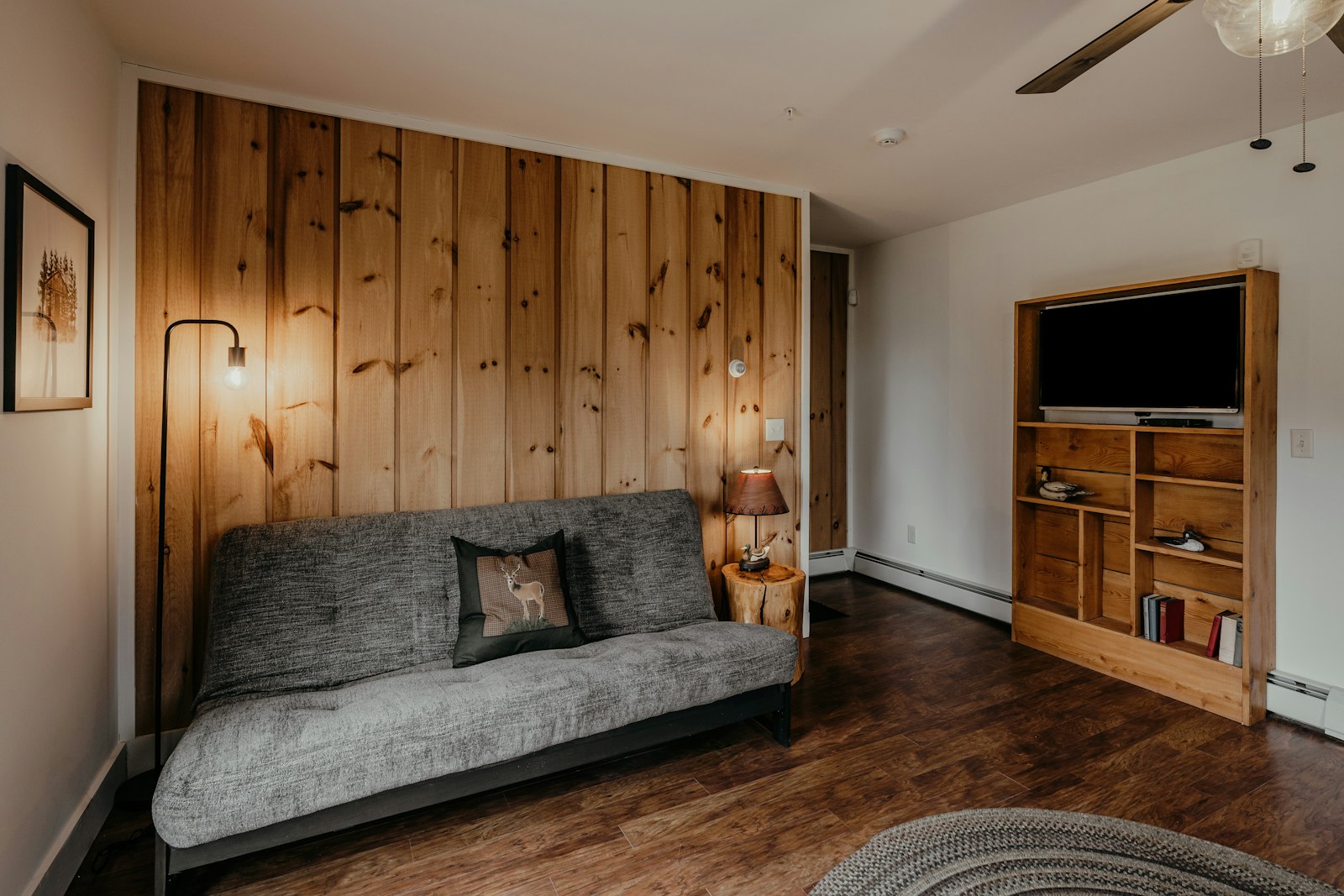
Photos change the booking before they change the invoice. A stranger in an OTA grid is not doing a marketing-math problem. They are deciding, in a second, whether the house looks like a stay they can already imagine. That decision happens on the first image and the two that follow. Spend and leftover ad accounts sit after that decision, or they sit on a page that already lost. Hosts who ask for a photography ROI percentage are usually asking whether they can skip the first screen. They cannot. Creative is not a luxury layer. It is the conversion layer the marketplace gave.
This essay is craft, not a catalog. A professional set replaces a pile of owner phone photos that contradict each other, hide the constraint, and make every room look like a different house. It does not replace a broken turn, a missing stair note, or a price the listing cannot explain. It does not mint occupancy. Crest & Cove will not guess a lift. We will talk about sequence: hero, rooms, proof, amenities. We will talk about thirty days and ninety days without a fake return. We will tell you when a recrop is enough and when you are still lying with last year’s dusk.
Read this beside the math flagship. If the honest answer after a scroll-by week is “our first image is still a kitchen at night,” you are in this file. If the answer is “the photos are true and the title is poetry,” go to listing copy. If the answer is “we need a clock that will not flatter us,” keep measurement without vanity open. What follows is the job: what a set changes, what it cannot fix, the sequence, a labeled composite, the 30- and 90-day watch, reshoot versus recrop, and five things to stop. This is not legal advice.
Photos change conversion before they change spend
Conversion on an OTA is the listing. The shopper already found you, or the grid already offered you. The first image is the handshake. If it looks like every other cabin, or like a room the guest will not actually get, the click either never happens or happens under a false promise. That is a convert problem, not an acquire problem, and it is not solved by buying more people to disappoint. Marketing owns the truth of the frame. Management owns whether the room still looks like that frame on a Saturday. Plumbing can push the new file to a second channel. None of those jobs is an ads dashboard.
Hosts feel the opposite in their bodies. A quiet calendar feels like an audience problem. A quiet calendar with a weak hero is usually a belief problem. The people who did land already voted with the back button. Paying for more landings multiplies the vote. That is why this cluster sequences photography before spend. The math essay refuses a percentage. This essay refuses the same number from the other direction: a set can change how the existing click behaves without ever giving you a clean causal story. That is still worth doing. It is just not a slide.
There is a narrower case where photos also change acquisition. Thumbnails compete. Category shelves reward a house that looks like the search the guest typed. A map town next to a dishonest crop still gets opened, then punished. Acquisition repair is still a first-screen repair. It is not a second storefront. It is not a reel you posted to a following that is not your year. If impressions are fine and bookings are not, you are in convert. If impressions are thin and the thumbnail is a dusk kitchen, you are still in convert that is starving acquire. Fix the frame. Then wait before you shop for an audience.
Treat every photography conversation as a guest-facing sentence. “A guest would notice that we finally showed the stairs.” “A guest would notice that the lake is a walk, not a lawn.” Those are real. “A guest would notice that we hired a brand” is not. The set is there to make the stay recognizable. If you cannot say what will be recognizable after the shoot, you are buying a vibe. Vibe is how owners get a pretty house that is not their house, then a review that teaches the next shopper the truth you cropped out.
What a professional set actually replaces
A professional set replaces contradiction. Owner photos taken over three seasons, three phones, and one leftover twilight become a pile that cannot decide what the house is. The living room is warm in one frame and blue in the next. The bedroom that sleeps two is shot like a suite. The driveway never appears. A real set is one visit, one light story, one sequence. It replaces the pile with a walk-through a stranger can finish. That is the product. It is not a mood board. It is not a drone Saturday glued to last year’s interiors.
It also replaces the host as the only person who knows the room order. You have walked the house so many times you no longer see the bottleneck at the landing or the way the bunk room photographs smaller than it lives. A photographer who understands stays, not just interiors, will shoot the path a guest actually takes: arrival, gathering room, sleep, water, the proof that the amenity exists. The amenity and detail essay is the close-up sibling. Here the replacement is simpler. You stop asking a tired owner to be the art director of a storefront they cannot see.
What it does not replace is the listing’s other jobs. Copy still has to name the town and the constraint. Reviews still have to arrive. Rules still have to filter. A set that tells the truth about a steep drive still needs a sentence that tells the same truth. Hosts who treat the shoot as a full rebuild, then leave the title as poetry, have replaced only the pictures. The rebuild checklist exists so photos come first and do not pretend to be the whole page. Finish the set. Then write. Then stop.
A professional set also replaces a certain kind of delay. Owners wait for a remodel, a new sofa, a season with better leaves. Some waiting is honest: do not shoot a room you are about to gut. Most waiting is fear. The house that is bookable this month is the house you should photograph this month. Guests book the stay that exists. A future sofa is not a listing. If the bones are true and the mess is removable, shoot. If the bones are a problem, that is a management or capital job, not a reason to keep the dusk kitchen online while you shop for pillows.
What photos cannot fix
Photos cannot fix a house that does not match the search. If the guest typed walk-to-water and you have a hill and a car, no hero will make the walk true. You can show the hill honestly and keep the people who will still come. You cannot crop the hill out and then argue with the review. Accuracy is a fundamentals job this cluster puts before spend on purpose. Creative that hides a constraint is not marketing. It is a future one-star with a photograph attached.
Photos cannot fix a turn that fails. A beautiful kitchen photographed on a styled Tuesday will be photographed again by a guest on a Sunday if the cleaner could not make the same kitchen. Management owns that. Marketing cannot launder it. If reviews already mention grit, hair, or a leftover smell, you do not have a creative problem first. You have a labor problem. Hire the turn. Then reshoot if the old set now lies about a house you have actually improved. Sequence matters. A new gallery on a dirty Saturday is how pretty pictures earn distrust.
Photos cannot fix a price you will not explain. A luxury crop on a house with a mid stay and a loud cleaning note trains the shopper to feel tricked. A bargain crop on a careful house trains the wrong headcount. Pricing strategy is a different essay, and the slider is not the strategy. The photo job is to make the stay recognizable at the number you are willing to stand behind. If you need the pictures to look like a different product so the number feels fair, the number and the house are the argument. The camera is the witness.
Photos cannot fix silence. A set that works still needs reviews that keep arriving and replies that sound like a person. A listing with strong frames and a six-month review gap looks abandoned. The review-velocity file sits next to this one for that reason. Creative opens the door. Proof that someone recently slept there and was treated like a guest keeps the door from swinging shut. Do not ask a photographer to do a host’s job. Do not ask a new gallery to replace a week you could have spent answering the last three notes.
Sequence: hero, rooms, proof, amenities
The hero is the stay in one frame. Not the prettiest corner. Not the drone context. Not a detail of a faucet. The hero should answer the search the guest typed: the porch that is the point, the living room that holds the headcount, the water you can actually reach. It has to survive as a thumbnail. If it only works on a large screen, it is not a hero. If it could be anyone’s house, it is not a hero. If it requires a caption to explain the lie, it is not a hero. Shoot until the first slot is honest and distinct.
Rooms come next as a walk, not as a pile. Gathering space, then sleep, then bath, then the outdoor room if it is real. Keep the light story consistent enough that the house does not change species between frames. Show scale with a chair, a bed, a door. Do not shoot every closet because you paid for a day. A stranger stops scrolling rooms when they understand where they would sit and sleep. Extra interiors after that point become noise. The rebuild essay treats this order as the first screen. Honor it. Rearrange later only when a guest still cannot find the second bedroom.
Proof is the unpretty truth that prevents the review. The stairs. The parking pad. The walk to the water. The road you can hear. The bunk that is a bunk. These frames feel like they will lose the click. They save the stay. A shopper who sees the constraint and still books is a better booking than a shopper who arrives surprised. Proof photos are marketing and ethics at the same time. They are also why we will not promise a lift: telling the truth can filter. Filtering is a quality metric, not a vanity one.
Amenities come last as proof they exist, not as a catalog of icons. The coffee station, the washer, the grill, the workspace if it is a real workspace. One true frame beats three styled lies. Details belong in the amenity sequence, and a drone shot belongs only as context after the interior is believed. Video can walk the same path if the stills already work. Do not lead with extras. Extras are how sets get expensive and less clear. Hero, rooms, proof, amenities. Stop when the stranger could unpack without writing you.
A composite: the first image that stopped the scroll
This section is a composite, not a named client and not a case study with guessed bookings. Imagine a two-bedroom house near a lake, owned by a couple who shoot on phones after work. The first image is the kitchen at dusk because the lights looked warm that night. The lake appears in frame twelve, cropped so the hill disappears. Reviews mention the walk and the stairs. Inquiries ask whether the water is in the yard. The leftover ad invoice from last spring is in a drawer, which is how this composite sits next to the math flagship. They hire a photographer because they are tired of arguing with the grid.
The new hero is the porch and the actual water, with the hill visible enough that a stranger understands the walk. The second frame is the gathering room at the real headcount. The third is the stair. The lake is no longer a surprise in the middle of the gallery. What happens next is predictable without a percentage. Some shoppers who wanted lawn-to-water leave earlier. Some shoppers who wanted a real lake house stay longer on the page. Inquiry questions shift from “is the water right there” to dates and a dog. A later review names the walk as expected. The ads stay off. The first image, not the invoice, is what changed the scroll.
The useful lesson is not that every house needs a porch hero. The lesson is that the first slot has a job, and the old dusk kitchen was doing a different job: making the owners feel the house was pretty. Pretty is not conversion. Recognizable is conversion. The composite couple still has to write the walk into the copy and keep the turn true. The set does not finish the listing. It stops the listing from lying in the first second. If your own first image is a room no guest would choose as the point of the stay, you are in this composite. Relabel the feeling. Then reshoot the job.
If you recognize the dusk kitchen, do not add a drone or a reel to compensate. Those files are later on purpose. A context shot cannot repair a hero that is the wrong room. A short video cannot repair a gallery that hides the stair. Finish the still sequence. Put the proof where a tired thumb will find it. Then wait thirty days with the measurement clock before you decide the set “did nothing.” Doing nothing extra is allowed. Doing something louder because you are impatient is how composites turn into leftover invoices.
How to know the set worked in 30 and 90 days
Thirty days can show a change in the questions people ask and in how long they stay on the listing before they write. You will not get a clean attribution. You may get fewer “is there really a lake” notes and more date notes. You may get a review that mentions a frame you finally included. You may get a quieter inquiry volume and a better fit. That last one feels like a loss if you are still counting nights as the only score. It can be a quality win. Write down the questions. Write down the declines. That is the thirty-day file. Impressions alone are not.
Ninety days can show whether bookings quality steadied and whether you are still paying time to explain what the photos should have shown. If you are still typing the same driveway paragraph to every guest, the set is incomplete or the copy never caught up. If the driveway now appears and the paragraph has shortened, the set did a job. Reviews over a quarter will either stop teaching the hidden fact or they will keep teaching it. If they keep teaching it, you cropped it out again or the stay changed. Reshoot is not automatic. Honesty is.
What will not show, in either window, is a trustworthy percentage. Season moves. A local weekend moves. A competitor reshoots. The marketplace moves a shelf. Anyone who draws a straight line from invoice to occupancy is doing the calculator theater the math essay already refused. Watch the three host-real metrics: bookings quality, review language, time cost. If the set reduced time spent correcting the page, that is a result. If it did not, look at sequence before you look at another vendor. The hero may still be the wrong room.
Ignore follower counts and save-rates on a reel you posted of the shoot. Those are not a year. The listing is the year. If you want a public town file for context, read a market report as a market report, not as your lift. The Door County report is not your gallery. Your gallery is your gallery. Keep the watch small enough that a two-person shop can keep it. Then leave the photographer out of the weekly panic. They delivered a set. You are now in operations and copy, or you are done for the season.
When to reshoot versus when to recrop
Reshoot when the house changed, the light story is a lie, or the sequence was never a walk. A remodel, a lost tree that was the view, a new parking rule, a room that no longer exists: those are reshoot triggers. So is a gallery that still cannot decide what the house is. Recrop when the bones are true and the first slot is the wrong rectangle. Many tired listings do not need a new day. They need the porch in slot one, the stair in slot three, and the leftover dusk kitchen retired. Rearranging is a Tuesday. A full day is a decision.
Do not reshoot because you are bored or because a competitor just posted a drone still. Boredom is not a guest. A context shot is not a hero. If the interiors still match the stay and the reviews have stopped teaching surprises, leave the set. Spend the day on copy or on the turn. Hosts who reshoot for novelty train themselves to treat creative as content. Content is how you get a fourth version of the same sofa and a confused shopper. Stability is a conversion feature. Guests like to recognize the house they already wanted.
Recrop with a rule. Change one thing if you are also testing a thumbnail. Wait long enough to see questions and fit, not just clicks. A thumbnail that wins the click and loses the scroll is not a win. The first image has to introduce the same house the fifth image finishes. If a tighter crop makes the living room look like a loft you do not have, you did not recrop. You guessed a second product. Parity of truth matters across frames the same way it matters across channels.
When in doubt, walk the listing as a stranger on a phone. If you can unpack the stay in the first eight frames, recrop and stop. If you still cannot find the second bedroom, the bath, or the reason a review mentioned stairs, you need frames you do not have. That is a reshoot. Book it for the house that exists, not the house you will have after a future sofa. And do not pair the reshoot with an ads restart on the same afternoon. Sequence is still the math. Let the new first screen work on the audience you already have.
Stop doing these five things
Stop treating a camera day as a brand launch. Most listings do not need a brand. They need a true first screen and a walk a stranger can finish. The five patterns below are the ones that turn an useful set into another leftover invoice, usually because someone wanted the shoot to feel larger than a listing job. They are all optional. They are also common enough that they need a list instead of another soft paragraph that lets the habit hide.
1. Do not lead with a drone or a dusk kitchen because those frames flatter the owner. Lead with the stay a guest would choose. 2. Do not hide stairs, parking, or a walk in order to protect the click. The review will publish the crop you refused. 3. Do not restart ads the same week the new set goes live so you can force a story. Let the existing grid vote. 4. Do not reshoot because you are bored or because a neighbor hired a flyer. Recrop first. Change one thing. 5. Do not ask a gallery to fix a failed turn, a missing rule, or a price you will not explain. Those are other jobs.
If you are buying a photographer to 'fix marketing,' we will name what a professional set actually changes on the tile. Reach out at crestcove.co or call (256) 998-7502. What follows is the job: what a set changes, what it cannot fix, the sequence, a labeled composite, the 30- and 90-day watch, reshoot versus recrop, and five things to stop.
Related Reading
More independent-host marketing-math and creative reading already live on Crest & Cove.
Marketing Spend Math for a Short-Term Rental, Without Fake ROI
Review Velocity and Listing Conversion: What Hosts Can Control
Airbnb Listing Copy That Converts: Titles and Local Specificity
Drone Photography for STRs: Value, Limits, and Responsible Use
Airbnb Listing Rebuild: A Before-and-After Conversion Playbook
A/B Testing Titles and Thumbnails Without Breaking Your Listing
Pricing Events vs Seasons: Two Calendars Hosts Market Differently
Frequently Asked Questions
Does professional vacation rental photography pay for itself?
Not as a printable percentage. A real set changes conversion on traffic you already have by making the stay recognizable in the first three frames. That can improve bookings quality and cut time spent correcting the page. It will not give you a clean causal return, and it cannot mint occupancy. Judge the set by inquiry questions, review language, and whether the first screen still needs a paragraph of apology. Anyone who quotes a lift before seeing your hero is guessing a slide.
What should be the first photo on an Airbnb listing?
The stay in one frame, not the prettiest corner and not a drone context shot. The hero should answer the search the guest typed and survive as a thumbnail: the porch that is the point, the room that holds the headcount, the water you can actually reach. If it could be anyone’s house, or if it needs a caption to explain a lie, it is not a hero. Put proof of stairs, parking, or a walk close behind so the click matches the night.
Can new photos fix a listing with bad reviews?
Only if the reviews were about a missing visual fact you have now shown, such as a steep drive or a bunk that is a bunk. Photos cannot fix a failed turn, a surprise fee, or a host who disappears. If guests taught you an operations problem, hire the turn or write the rule first. Then reshoot if the old gallery now lies about a house you have actually improved. A pretty set on a dirty Saturday earns distrust faster than last year’s dusk kitchen.
How soon will I know if a new photo set worked?
Thirty days can change the questions people ask and how they move through the listing. Ninety days can show whether you still spend hours explaining what the frames should have shown, and whether reviews stopped teaching the hidden fact. Neither window produces a trustworthy percentage. Season, competitors, and the marketplace all move. Watch bookings quality, review language, and time cost. Ignore follower counts on a reel of the shoot.
Should I hide the driveway or stairs so more people click?
That crop is how you buy a click and earn a review that publishes the truth for you. Proof frames filter people who cannot live with the constraint and keep the people who can. Filtering is a quality metric. A surprise stair is a conversion injury that marketing created. Show the constraint early, write it in the copy, and let the shopper decide. Honest volume beats a pretty bounce.
When is a recrop enough instead of a full reshoot?
When the bones are true and the first slot is simply the wrong rectangle. Many tired listings need the porch in slot one and the dusk kitchen retired, not a new day. Reshoot when the house changed, the light story is a lie, or a stranger still cannot find the second bedroom in the first eight frames. Do not reshoot because you are bored or a neighbor hired a drone. Stability is a conversion feature.
Do I need drone or video in the same week as stills?
Stills do the conversion job on the listing. Drone is a context shot after the interior is believed. Video is proof of space if the walk-through stills already work. Leading with extras makes sets expensive and less clear. Sequence hero, rooms, proof, and amenities first. Skip extras this season if the house is already recognizable and your hours are full. Louder files are not a substitute for a true first image.
What will Crest & Cove not claim about a photo set?
We will not guess a lift, a payback date, or an occupancy story. We will talk about sequence, proof frames, and a thirty- and ninety-day watch on questions, reviews, and time. We will tell you when a recrop is enough and when the house, not the camera, is the problem. See crestcove.co or call (256) 998-7502 with the listing open to the first three frames. Bring the stay that exists, not the sofa you plan to buy.
Work with Crest & Cove Creative
Vacation Rental Photography: What a Professional Set Actually Changes only works when the listing shows operable facts guests can check. Cut soft slogans that hide the real stay.
Bring the current first five photos. We will tell you whether a reshoot, a reorder, or copy is the job. Reach out at crestcove.co or (256) 998-7502. Send the live listing draft and the facts you can actually cite.
Reach out at crestcove.co or (256) 998-7502.


Comments