
Market Your Arizona Gateway Stay on Drive Time, Not Desert Mood

Updated: Aug 25
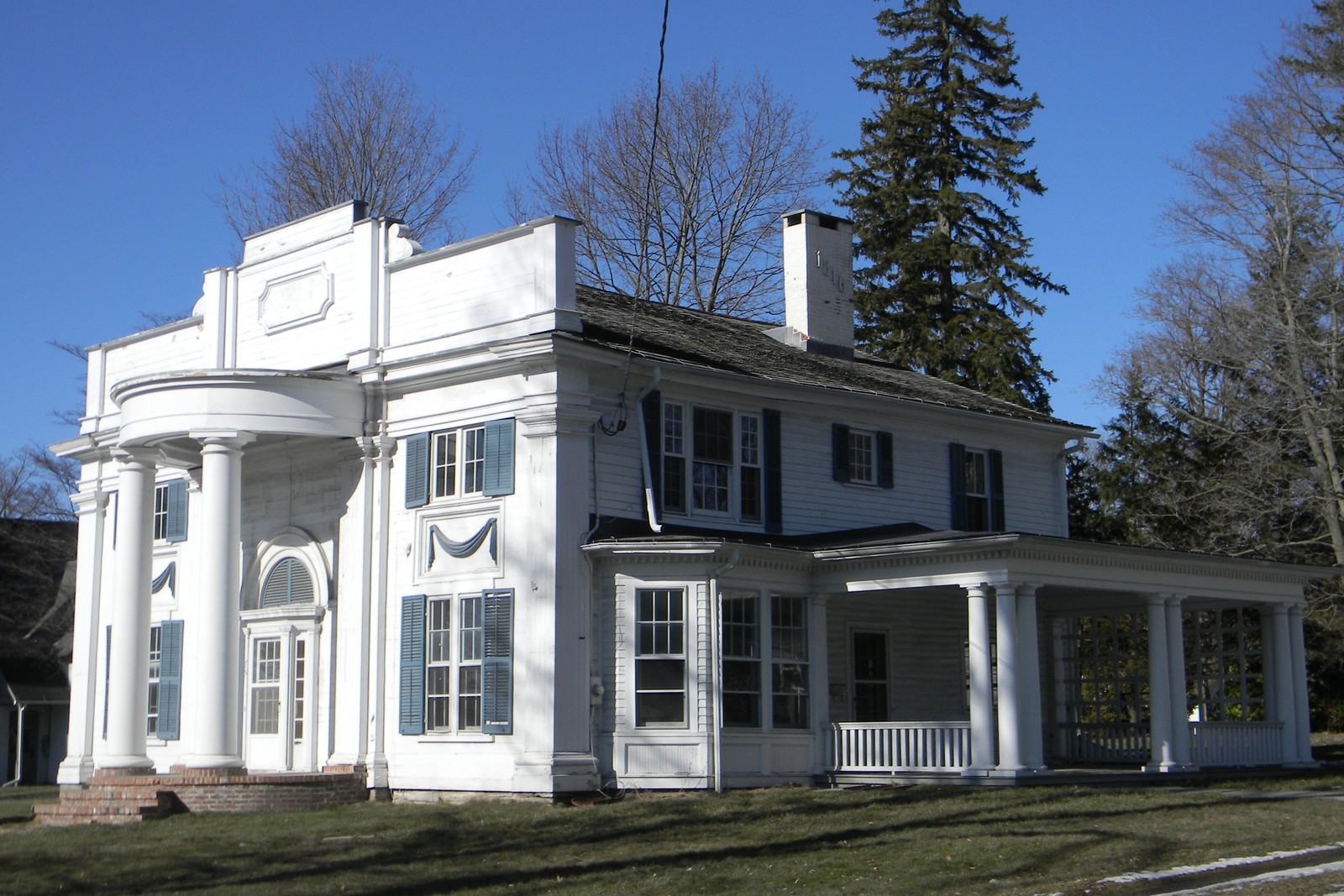
Arizona and the Southwest don't behave like a single market, even when a regional map draws them that way. A host near Prescott is selling a mile-high pine forest with real winter cold. A host near Flagstaff is selling a mountain town at 7,000 feet where snow is a genuine amenity some months and a real hazard others. A host near Sonoita is selling high desert grassland and wine country closer to the Mexican border than to Phoenix. Three genuinely different guest trips, three genuinely different sets of logistics a listing has to get right.
The regional slogan that flattens all three into "Southwest charm" or "desert escape" isn't just imprecise - it actively misleads a guest about what to pack, what the drive will feel like, and what the property will actually deliver. A guest headed to Flagstaff in January who read "desert getaway" language shows up without a coat. A guest headed to Sonoita expecting resort-pool imagery borrowed from a Scottsdale listing finds a working ranch landscape instead.
This isn't a case for less description - it's a case for description tied to the actual gateway a property sits near. Elevation, drive time from the nearest interstate, and the specific character of summer heat at that particular altitude are the facts a guest verifies on arrival. Get those right and the softer color - the view, the quiet, the stars - can do real work instead of covering for a logistics gap. This is not legal advice.
Elevation Changes Everything About What You're Selling
Phoenix sits around 1,100 feet and regularly clears 100 degrees for months at a stretch. Prescott sits close to a mile up, and Flagstaff sits higher still near 7,000 feet - the practical difference between those numbers is not decorative, it's the entire pitch. A Flagstaff host marketing summer relief from Phoenix heat is making an honest, specific claim a guest can verify by simply checking the forecast for both cities the same afternoon.
The mistake is writing copy that could describe any Arizona property regardless of elevation. "Escape the heat" means something concrete at 7,000 feet in July and means almost nothing at 1,100 feet in July. If the listing doesn't name the actual elevation or at least the practical effect of it - cooler nights, monsoon storms that build differently at altitude, a shoulder season that runs opposite to the desert floor - a guest researching multiple gateway towns has no way to tell the properties apart.
Winter cuts the other direction just as hard. A Flagstaff or high-country Prescott property in December is a snow destination with real driving conditions to plan around, not a mild desert stay. Hosts who lean on warm-weather Southwest imagery year-round set up a guest for a genuinely different, colder arrival than the photos suggested.
Name the Actual Drive, Not a Vague Gateway Claim
"Gateway to the Southwest" tells a guest nothing about how long they'll actually be in the car. A Prescott property might be ninety minutes from Phoenix Sky Harbor on a winding mountain highway that feels longer than the mileage suggests. A Sonoita property is a genuinely different drive - flatter, more remote, with fewer services along the way and a longer stretch between gas stations than a Phoenix-adjacent guest might expect.
State the actual drive time from the airport or interstate a guest is most likely departing from, and be honest about road character - switchbacks, elevation gain, whether the route is prone to winter closures. A guest who books expecting a straightforward highway drive and instead gets forty minutes of mountain curves after a long flight arrives irritated before they've even seen the house.
This detail also does quiet work filtering for the right guest. A traveler who reads an honest, specific drive-time description and books anyway has already accepted the actual logistics. A traveler who booked off a vague "close to everything" claim discovers the real drive at the worst possible moment - tired, at night, unfamiliar with mountain roads.
Sonoita Is Not a Resort Pool, and the Listing Shouldn't Pretend Otherwise
Sonoita and the surrounding grassland country sell on a genuinely different draw than a Scottsdale resort property - open sky, working ranches, a handful of respected wineries, and a landscape that reads as high desert grassland rather than saguaro-and-pool desert. A listing that borrows pool-resort photography or language from a different part of the state to sound more established is selling a trip the property can't deliver.
The honest version of a Sonoita listing leads with what's actually there: proximity to the wine country tasting rooms, the quiet of a genuinely rural setting, star visibility that a light-polluted metro property can't match. Those are real, marketable facts. They don't need borrowed resort language to sound appealing to the right guest - they need to reach the guest who actually wants that trip.
A guest who wanted a Scottsdale-style pool weekend and booked a Sonoita property because the listing photos implied one will not enjoy the actual stay, no matter how nice the ranch house is. Matching the listing to the real landscape isn't a limitation on the pitch - it's how the pitch finds the guest who was already looking for exactly this.
Write the Access Guests Will Actually Test on Arrival
Gateway towns often mean gravel roads, long driveways, limited phone signal, or a final stretch that a standard GPS route gets wrong. These are the details that generate a confused phone call at dusk if the listing doesn't cover them in advance. A guest navigating an unfamiliar mountain or high-desert road after dark needs specific turn-by-turn notes, not a general "easy access" claim.
Parking deserves the same specificity a desert or mountain property often assumes is obvious to a first-time visitor. Is there a marked spot, is the driveway steep enough to matter for a low-clearance rental car, does snow or mud change the answer seasonally. A host who has driven the route a hundred times forgets how disorienting it is the first time, especially after a long flight and a rental car pickup.
Phone signal is worth naming honestly in gateway-adjacent properties specifically because guests plan around it differently than they would in a city listing. A guest who knows in advance that service drops out for the last few miles can download a map or call ahead. A guest who discovers the dead zone while lost on a gravel road at night has a genuinely worse arrival than the same gap in service would create anywhere else.
Match Photography to the Season You're Selling
A photo shoot from a mild April week doesn't represent a Flagstaff property in February snow or a Sonoita property in August monsoon season. Gateway towns at elevation see more seasonal variation than a metro desert property, and photography that only shows one season sets up a guest booking a different month for a visual surprise.
If winter access changes - a driveway that needs 4WD after snow, a road that closes during storms - photograph and describe that reality for guests booking those months rather than only showing the green, mild version of the property. A guest who understands winter conditions in advance can prepare; a guest who arrives to snow the listing never mentioned cannot.
This doesn't mean every listing needs four full seasonal photo sets. It means the calendar language and the photos should agree with whatever season a guest is actually booking into, and a host should be willing to add a caption or a house-rules note for the months the original photo shoot didn't cover.
.
Prescott, Flagstaff, and Sonoita each have their own character, their own elevation, and their own guest draw, and blending them into one regional pitch does a disservice to all three. A Prescott host borrowing Flagstaff's snow-town branding, or a Sonoita host reaching for Prescott's mile-high-city identity, is marketing a trip the actual property doesn't deliver.
When a comparison across gateway towns is genuinely useful - for a buyer considering more than one market, or a host explaining regional context to a guest choosing between trips - keep each town's actual character on its own labeled line rather than folding them into one Southwest average. A guest or a buyer deserves to know which specific place they're evaluating.
The practical test: could a paragraph of this listing be pasted onto a property in a different one of these three towns without anyone noticing? If yes, the copy is regional filler. If the paragraph only makes sense for this specific elevation, this specific drive, and this specific landscape, it's doing its job.
Summer Heat Means Something Different at Each Elevation
"Beat the heat" is a claim three different gateway towns could make and mean three different things by it. In Flagstaff, it means genuine relief - daytime highs that rarely approach what Phoenix sees, and nights cool enough to need a light blanket even in July. In Prescott, it means a real but smaller gap, warm afternoons that still cool off meaningfully after sunset. In Sonoita, it means dry, high-desert heat that behaves differently from either mountain town, with its own monsoon pattern arriving on its own schedule.
A guest comparing all three towns for a July trip deserves to know which specific version of relief they're actually booking. A host who only writes "escape the heat" without naming the actual daytime high, the actual overnight low, or how the monsoon season affects that specific location is asking the guest to trust an assumption instead of a fact.
This matters for shoulder-season guests too. A guest booking a September stay in Prescott is planning around a genuinely different temperature curve than a guest booking September in Sonoita, even though both towns sit at meaningfully higher elevation than the desert floor. Naming the specific month's typical conditions for that specific town, rather than a generic "cooler than Phoenix" claim, gives a guest something they can actually plan a wardrobe around.
Trailheads and Outdoor Access Deserve Real Distances
A gateway town's proximity to hiking, wine tasting, or forest access is often the actual reason a guest booked in the first place, and vague adjectives undersell what should be the strongest, most concrete part of the listing. "Steps from nature" tells a guest nothing they can use. "A twelve-minute drive to the trailhead, with parking that fills by 9 a.m. on weekends" tells them exactly what to expect and when to leave.
This same specificity applies to Sonoita's wine-country access - naming the actual drive time to the nearest tasting rooms, whether a designated driver is worth arranging, and whether the roads between them are the kind of thing a guest wants to navigate after a few tastings. A guest planning a wine weekend needs logistics as much as they need atmosphere.
Distance claims that turn out to be optimistic - a trailhead that's actually twenty-five minutes away, described as "nearby" - create the same kind of arrival mismatch as an inaccurate interior photo. Guests increasingly check drive times independently before booking, and a listing whose stated distances hold up under that check earns more trust than one that doesn't.
Fix the Listing Before Widening the Campaign
A host tempted to build a broader Southwest-gateway marketing push - blog content, social posts, a wider search strategy - should confirm the listing itself already states elevation, drive time, access, and seasonal reality honestly before spending effort on amplification. A wider campaign built on soft regional language just spreads the same mismatch to a larger audience faster.
The cheapest, highest-leverage fix is usually the first screen a guest sees: title, first photo, and the opening line of the description. If those three elements already name the real town, the real elevation-driven experience, and the real access, the rest of the listing has room to breathe with more atmospheric detail. If they don't, no amount of additional marketing fixes the mismatch waiting at check-in.
Once the listing matches arrival - a guest can read it and predict accurately what they'll experience - additional content and outreach becomes genuinely useful rather than a louder version of the same problem. That's the order that protects both the booking and the review that follows it.
This same order applies to a host considering paid promotion or a broader social presence for a gateway property. Spending on reach before the listing itself is honest about elevation, drive time, and access just means more travelers see the same mismatch faster, arriving at the same disappointing conclusion sooner and in greater numbers than an unpromoted listing would have generated.
The reward for getting the order right shows up in review quality more than in raw booking volume. A guest who arrived already knowing the actual drive, the actual elevation, and the actual landscape tends to write a review about the stay itself rather than about the gap between the listing and reality - and that's the review a future guest actually reads before booking their own trip to the same gateway town.
Related Reading
More Arizona-Southwest reading on honest gateway copy and labeled live town context.
Frequently Asked Questions
Why does elevation matter more than a general Southwest description?
Elevation determines the actual weather, temperature swing, and seasonal experience a guest will have, and it varies enormously across Arizona gateway towns - roughly 1,100 feet in Phoenix versus nearly 7,000 feet in Flagstaff. A listing that only uses general desert language can't distinguish a mild mountain summer from a scorching desert one, which leaves a guest guessing about what to pack and what to expect from the weather.
Should a listing near Sonoita use pool-resort imagery to seem more upscale?
No. Sonoita's actual draw - open grassland, working ranch country, wine-tasting rooms, dark skies - is a genuine, marketable identity that doesn't need borrowed resort photography from a different part of the state. Guests who book expecting a Scottsdale-style pool weekend based on misleading photos will be disappointed regardless of how nice the actual property is.
How specific should drive-time descriptions be?
Specific enough that a guest can plan around road character, not just mileage - switchbacks, elevation gain, whether the route is prone to winter closures, and realistic drive time from the airport or interstate they're most likely using. A guest who understands the actual drive in advance arrives prepared; one who assumed a straightforward highway trip does not.
What should a gateway-town listing say about phone signal and access?
Name it honestly if service drops out on the final approach, if the driveway needs 4WD in winter, or if a standard GPS route misses the correct turn. Guests navigating unfamiliar mountain or high-desert roads plan very differently when they know these details in advance rather than discovering them after dark.
Does photography need to represent every season?
Not every season in full, but the photos and calendar language a guest sees should match whatever season they're actually booking into. A property that changes meaningfully in winter - snow access, road conditions - should show and describe that reality for winter bookings rather than only displaying the mild, green version of the property.
Can Prescott, Flagstaff, and Sonoita share the same marketing language?
No. Each town has a genuinely different elevation, climate, and guest draw, and blending them into one regional pitch misleads guests about all three. If a paragraph of listing copy could be pasted onto a property in any of the three towns without anyone noticing, it's regional filler rather than a description of the actual place.
What's the first thing to fix before building a wider marketing campaign?
The listing's first screen - title, first photo, and opening description line - should already state the real elevation-driven experience, drive time, and access honestly. A broader content or outreach push built on soft regional language just spreads the same mismatch to a larger audience rather than fixing it.
How does winter change a Flagstaff or high-country Prescott listing?
These become genuine snow destinations with real driving conditions to plan around, not mild desert stays. A listing that only shows warm-weather Southwest imagery year-round sets up winter guests for a colder, more logistically complex arrival than the photos suggested, which is a common source of confused check-in messages.
Is naming a property's exact elevation necessary, or is general language enough?
Naming it, or at least its practical effect - cooler nights, a different monsoon pattern, a shoulder season that runs opposite the desert floor - gives a guest comparing gateway towns real information to plan around. General language forces a guest to guess, and guests comparing several Arizona listings notice which ones give them something concrete to compare.
What test tells a host whether gateway marketing copy is specific enough?
Read the paragraph and ask whether it would still make sense pasted onto a property in a different one of these gateway towns. If it would, the copy is describing a regional mood rather than this specific elevation, drive, and landscape, and it needs another pass before it's doing real work for the listing.
Work with Crest & Cove Creative
Prescott, Flagstaff, and Sonoita sit at three different elevations and sell three different trips, but a soft "Southwest escape" slogan flattens all of them into the same vague pitch. Guests plan around drive time and altitude, not adjectives.
We help Arizona gateway hosts write listing copy tied to the actual elevation, drive, and access their property delivers, not a borrowed regional mood. Send the live listing and we'll flag every line that could describe a different Southwest town just as easily as yours.
Reach out at crestcove.co or (256) 998-7502.


Comments