
Asheville Brewery Guests: What the Listing Must Prove

Updated: Aug 27
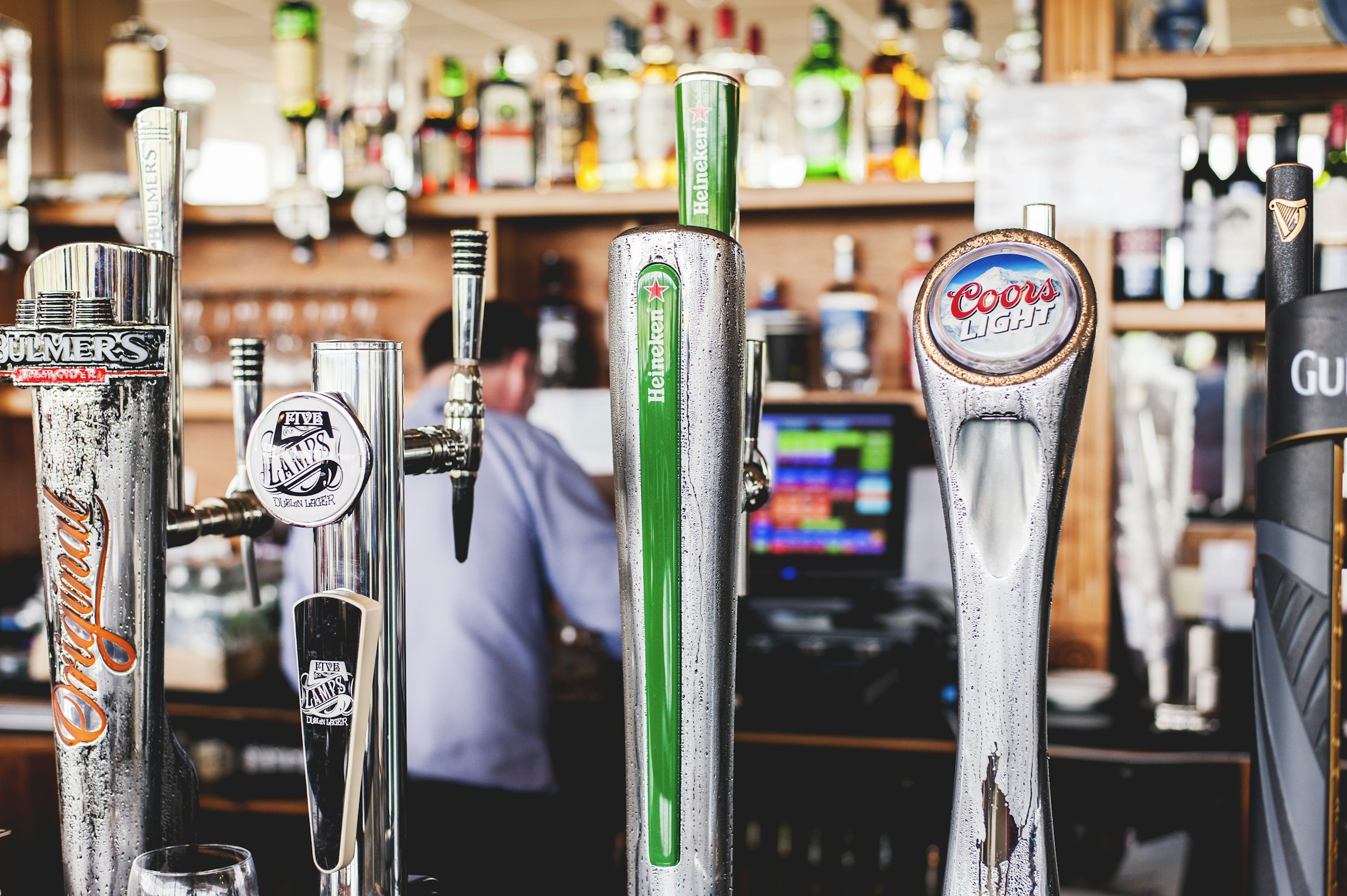
A guest browsing Asheville listings for a brewery-focused trip is not asking a vague question about "local craft beer culture." They're asking a specific, answerable one: can I walk to a taproom from this property, or am I driving and finding a designated driver every night? Hosts who answer that question with a generic downtown gesture in the listing copy lose the guest who wanted a precise answer — and Asheville's brewery geography is specific enough that a precise answer is always available if a host is willing to give it.
This is a guide to answering that question honestly, by zone: what South Slope, the River Arts District, downtown and North Asheville, and the drive-to production breweries like Sierra Nevada and New Belgium actually offer a guest, how to price brewery-driven demand against the labeled Asheville market year rather than a made-up premium, and what a buyer evaluating a brewery-adjacent property should actually check before trusting the marketing in the deal packet.
It's worth saying plainly at the outset that Asheville's brewery scene is not one downtown blob, even though a lot of listing copy treats it that way. Each zone has its own character, its own walking geography, and in the River Arts District's case, its own recovery story following Hurricane Helene. A host who understands which zone their specific property actually belongs to — and markets that zone specifically instead of a generic "near the breweries" claim — is working with a real advantage inside a competitive Asheville listing pool.
What follows walks through that advantage in the order a host needs it: why the walking-radius question matters before a booking happens, what each of the four zones actually offers, where the walking claim belongs in the listing versus the house manual, how to price brewery demand against the labeled market year, what Helene changed for river-adjacent corridors specifically, and what a buyer should verify before trusting a brewery-led listing's marketing. This is not legal advice.
Why Brewery Proximity Is a Real Booking Detail, Not a Welcome-Binder Afterthought
Brewery proximity gets decided before the booking, not after check-in. Guests planning a brewery-focused Asheville trip ask about walking distance to taprooms while they're still comparing listings, which means the answer needs to live in the title, the about section, and the first photos — not in a house manual a guest only opens after they've already paid for the stay. A property that buries this detail, or worse, implies a walk that doesn't actually exist, isn't protecting itself from a hard question; it's just moving that question to arrival night, where the answer costs a review instead of a booking.
The upside of getting this right is real, not just defensive. A listing that proves its brewery zone specifically — not "near downtown breweries" but "eight-minute walk to South Slope's cluster of taprooms" — is speaking directly to a guest who has already decided this is the trip they want and is now just picking which property delivers it. That's a far easier sale than trying to convince an undecided guest that Asheville has good beer, which every competing listing in the market is already claiming. A guest reading two competing listings side by side, one naming its zone and one gesturing vaguely at "downtown culture," almost always books the one that sounds like it was written by someone who actually lives near what they're describing.
There's also a practical filtering benefit for the host. A listing that's honest about its actual brewery-zone access attracts guests whose expectations match what the property delivers, which means fewer arrival-night surprises, fewer awkward pre-arrival messages asking whether a walk is really possible, and fewer reviews that mention a mismatch between the listing photos and the real commute to the nearest taproom. That kind of review friction compounds over time in a way a single underpriced weekend never does — it shows up in the listing's ranking for months after the stay itself is forgotten.
The Four Brewery Zones Worth Naming Specifically
South Slope is the dense, walkable brewery core just south of downtown — the zone most guests picture when they imagine an Asheville brewery weekend, with enough taprooms clustered close enough together that a guest can genuinely walk from one to the next. The River Arts District clusters along the French Broad River, with its own distinct character and its own distinct recovery and access story following Hurricane Helene, which makes it a meaningfully different product from South Slope even though both get lumped into "Asheville breweries" in casual conversation.
Downtown and North Asheville are thinner on breweries than many guests assume, which is worth naming plainly rather than letting a guest discover it on arrival. And Sierra Nevada and New Belgium, the area's large production breweries, are drive-to destinations for essentially every Asheville stay — not a walking-radius product, no matter how the listing photos are framed. A host's job is to name the one zone their specific parcel can actually keep, not to imply access to all four because Asheville as a whole has breweries in each of them.
A property genuinely close to South Slope should say South Slope by name, not "downtown Asheville," which is vague enough to cover properties that are actually a fifteen-minute drive away. A property near the River Arts District should say River Arts District, with an honest note on current access. A property that's genuinely a drive from everything should lean into whatever it does offer — space, quiet, a hot tub — rather than forcing a walkable-brewery story onto a property that can't deliver one, and can still honestly mention Sierra Nevada or New Belgium as a worthwhile day trip rather than pretending they're a walk away.
What Belongs in the Listing Versus What Belongs in the House Manual
The walking-radius claim itself has to live in the booking-decision materials — the title, the about section, and the first photos — because that's where the decision actually gets made. House-manual detail is valuable for deepening a stay a guest has already booked: which taproom has the best patio, which one does growler fills, what time the kitchen closes. It cannot rescue a listing whose title and hero photo already sold a generic mountain getaway instead of the specific brewery-walk product the guest was searching for.
Parking, quiet hours, and the practical reality of designated-driver logistics deserve a place in the public listing too, not just the binder, especially for properties on residential blocks that sit beside a brewery district. Neighbors on these blocks notice late-night noise and street parking in a way that a standalone ridge cabin's neighbors never would, and a guest deciding between several similar listings reads clear house rules as a sign of a host who has actually thought through what a brewery-weekend stay looks like in practice.
This is also where a host can add genuine value without guessing anything: naming which specific taprooms are within the stated walk, noting realistic ride-share wait times for the ones that aren't, and being upfront about the reality that a brewery weekend usually means at least one member of the group isn't drinking that night. None of that detail belongs in the title, but all of it belongs somewhere a guest can find it before they arrive, not after — a dedicated section in the listing description does more good here than a paragraph buried in the welcome binder ever will.
Pricing Brewery Weekends Against the Labeled Year, Not a Guess
AirROI's Asheville market year prints roughly $32,976 in typical annual revenue across a sample of 1,827 listings, at a $257 average daily rate and 42.0% occupancy, with peak-3 months of October, December, and June. Brewery demand is real context for why guests are searching Asheville in the first place, but it doesn't replace that labeled year or justify treating a strong brewery weekend as proof of a much higher occupancy than the data actually supports. The 42.0% figure is an annual average — it is not what a typical brewery weekend looks like, and pricing every week of the year as though it resembles that average wastes the real peaks.
Brewery weekend demand does have one genuine pricing advantage over a pure mountain-cabin market, though: it can support some midweek shoulder bookings, particularly on South Slope and West Asheville walks, better than a secluded cabin ever could, because a guest visiting for the brewery scene isn't necessarily locked into a Friday-Sunday pattern the way a scenery-focused leisure guest often is. That's worth building into a rate sheet as its own line, distinct from both the peak-3 pricing and the soft-month pricing that applies to the rest of the calendar.
Treating peak-3, brewery-supported shoulder midweeks, and true soft months as three separate lines on the rate sheet — rather than one blended annual number — is what actually makes the AirROI year useful. A host who runs one flat rate all year is either overcharging during the true soft stretches or underpricing October, December, and June, and a brewery-driven midweek bump gets lost entirely inside a single average that was never designed to describe any specific week on any specific property.
Helene Honesty on River-Adjacent Brewery Corridors
The River Arts District's brewery corridor runs along the French Broad, and Hurricane Helene changed access and neighboring-business conditions along parts of that corridor in ways that don't necessarily apply to hillside or South Slope stock. A listing that recycles pre-storm brochure language about the RAD brewery scene without confirming what's actually open and accessible now is selling guests an outdated picture of the neighborhood — and guests who arrive to a different corridor than the one the photos promised leave reviews that outlast any recovery headline.
For a buyer or host with a river-adjacent property specifically, flood zone and insurance questions belong in diligence before anyone credits a "post-recovery discount" narrative on the purchase price. Recovery headlines are useful color for guest-facing copy once verified, but they are not a substitute for actually confirming current access, current neighboring business status, and current flood risk on the specific parcel in question.
The honesty standard here isn't about dwelling on the storm in guest-facing copy — most guests booking a trip don't want a disaster narrative in their listing description. It's about making sure whatever the listing claims about the corridor is currently true, checked recently, and not simply copied forward from photos or copy written before conditions changed. A quick verification before each new listing cycle is a small habit that avoids a much bigger review problem later, and it costs nothing beyond the time it takes to walk the block or make a phone call.
What a Buyer Should Check on a Brewery-Led Asheville Listing
The first diligence step is the same one that applies to any Asheville submarket: open the live listing and read it as a guest would. If the deal packet assumes walkable-taproom pricing premiums while the actual listing photos lead with a distant ridge view, that gap between the marketing and the real product is effectively part of the price a buyer is paying, since the walkable-brewery upside the seller is claiming hasn't actually been captured in the listing itself. Confirming hall and permit status with the city comes next, before any revenue assumption in the packet gets taken at face value.
Peer comparisons should run against similar walkable brewery-adjacent properties, not the metro-wide AirROI average alone, and definitely not against neighboring markets like Maggie Valley or Black Mountain, which are separately labeled markets with their own AirROI years and shouldn't be averaged into a South Slope or River Arts District underwriting model. A buyer who does this work before closing is protecting both the purchase price and the marketing budget that has to work after it — a property bought on an unverified walkable-premium story burns money twice, first at the closing table and then again on the first year of underperforming bookings.
None of this diligence is exotic or time-consuming. It's a walk down the actual block, a call to city Development Services, and an honest comparison against two or three genuinely similar listings rather than a single flattering metro average. Skipping those steps because the seller's story sounds plausible is exactly how a buyer ends up owning a property priced for a walkable-brewery premium it was never actually positioned to earn, and then spending the next year trying to market their way out of a gap that diligence would have caught before closing.
Related Reading
Pair with West Asheville, the visitors guide, how-to-market, and the metro market report for the labeled year.
Frequently Asked Questions
Is brewery walking distance actually something Asheville guests ask about before booking?
Yes — it's a real booking-decision detail, not a welcome-guide afterthought. Guests planning a brewery-focused trip ask about taproom walking distance while comparing listings, which means the honest answer needs to be in the title, about section, and first photos, not discovered after arrival.
What are the main brewery zones in Asheville, and are they interchangeable?
No — South Slope is the dense, walkable core just south of downtown; the River Arts District clusters along the French Broad with its own access and recovery story after Helene; downtown and North Asheville are thinner on breweries than many guests assume; and Sierra Nevada and New Belgium are drive-to production visits rather than walkable stops. A host should name the one zone their specific property can actually deliver, not imply access to all four.
Should a ridge cabin market itself as walkable to South Slope breweries?
Only if the walk is actually true. A ridge cabin that requires a ride for every pint shouldn't sell a South Slope walking story — it should promise the drive time it can actually deliver, or sell a different overnight entirely. Mis-selling brewery access creates review friction that outlasts any single strong booking weekend.
How should hosts use the AirROI Asheville market year when pricing a brewery-adjacent listing?
Use it as competitive context, not a guarantee: roughly $32,976 typical annual revenue, a $257 ADR, and 42.0% occupancy across 1,827 listings, with peak-3 months of October, December, and June. Brewery demand explains why guests are searching, but it doesn't replace that labeled year or justify treating one strong weekend as proof of much higher year-round occupancy.
Can brewery weekend demand support midweek bookings in the Asheville shoulder season?
Sometimes — brewery weekend demand can support some midweek shoulder bookings, particularly on South Slope and West Asheville walks, better than a pure mountain-cabin market typically can. Soft months still need their own pricing plan, since the annual 42.0% occupancy figure isn't what a typical brewery weekend actually looks like.
What parking and noise details should a brewery-adjacent Asheville listing include?
Clear, specific house rules about street parking, quiet hours, and designated-driver logistics belong in the public listing itself, not just a welcome binder, especially on residential blocks near taproom clusters. Neighbors on these blocks notice late noise and parking more than they would near a standalone cabin, and neighbor complaints feed directly into existing city regulatory pressure on short-term rentals.
Does Hurricane Helene affect how a River Arts District brewery listing should be marketed?
Yes, where access or neighboring businesses along the corridor were affected — a listing shouldn't recycle pre-storm brochure claims without confirming what's actually open and accessible today. Flood zone and insurance questions belong in diligence for river-adjacent parcels before anyone credits a recovery-related discount on the purchase price.
Do Sierra Nevada and New Belgium count as walkable brewery stays for most Asheville listings?
Usually not — both are drive-to production breweries for the large majority of Asheville properties, and they can honestly be named as day-trip destinations, but selling them as part of a walking radius confuses guests who specifically wanted South Slope-style density and planned to leave the car parked for the weekend.
What should a buyer check before purchasing a brewery-led Asheville listing?
Start by reading the live listing as a guest would — if the deal packet assumes walkable-taproom pricing premiums while the actual photos lead with a distant ridge, that marketing gap is effectively part of the price. Then confirm hall and permit status, and compare against similar walkable-product peers rather than the metro-wide average or unrelated neighboring markets.
Should Maggie Valley or Black Mountain data be used to underwrite a South Slope brewery property?
No — those are separately labeled markets with their own distinct AirROI years, and averaging their figures into a South Slope or River Arts District underwriting model produces a number that doesn't describe any real property in that specific zone. Any neighboring-market reference should stay clearly labeled as its own market.
Work with Crest & Cove Creative
Asheville Brewery Guests: What the Listing Must Prove only works when the listing shows operable facts guests can check. Cut soft slogans that hide the real stay.
Send your live Asheville brewery listing to crestcove.co or call (256) 998-7502 for a free audit of whether your title, photos, and walking-radius claims match what guests can actually reach on foot. Name the failure mode the guest can check on the listing.
Reach out at crestcove.co or (256) 998-7502.


Comments