
Brandywine Shoulder Season: May Peak, January Hole
- Jacob Mishalanie

- Aug 19
- 9 min read
Updated: 4 days ago

Kennett Square is $30,352 typical on 36 listings, ADR $227, at 41.4 percent occupancy with a 3.4-night average stay. West Chester is $32,103 on 23 listings, ADR $280, at 49.1 percent occupancy with a 7.7-night average stay. Two towns, eight miles apart, with genuinely different revenue, rate, and stay-length profiles.
Kennett Township's $25,181 figure uses a different data vintage and mashes several towns together, which means it should not be cited alongside the Kennett Square or West Chester borough-level numbers as if all three describe the same market cleanly.
This is not financial advice. It is a practical look at when this corridor's shoulder season actually falls - Kennett Square peaks in May, June, and November, while West Chester peaks in October - and why January is the named hole on both extracts, not a placeholder month a generic seasonal template happened to skip. This is not legal advice.
Kennett Square Peaks in May, Not a Leftover Calendar
Kennett Square's money months are named directly as May, June, and November - a pattern that does not match a generic summer-peak assumption most shoulder-season content defaults to. A host pricing this specific market around July or August alone is missing real named demand in May, June, and November.
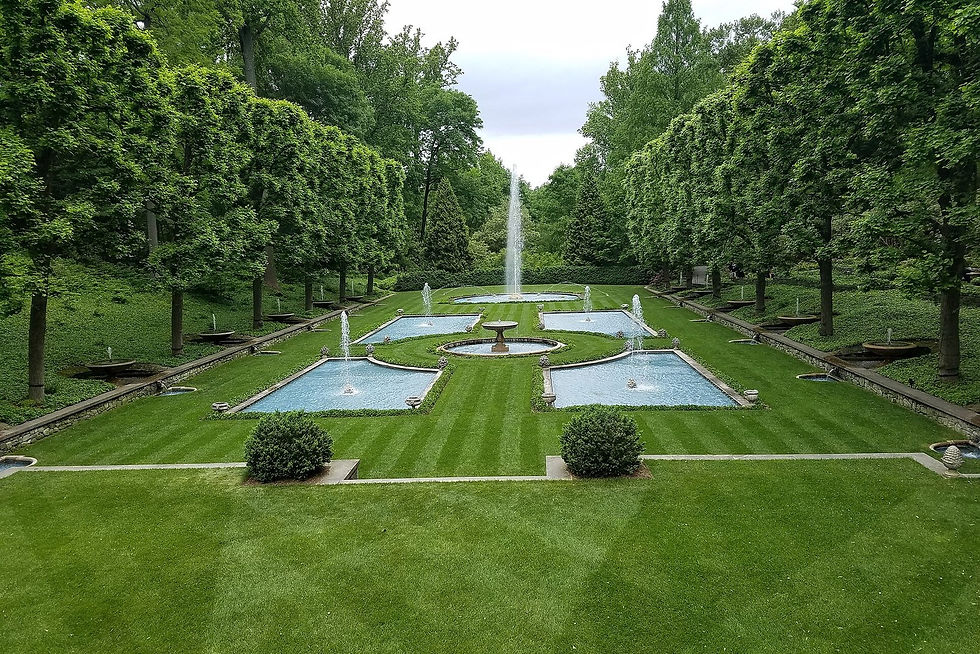
May's strength in Kennett Square likely connects to the region's known garden and floral tourism season, while November's showing is a real, named data point rather than an assumption - both deserve direct pricing attention rather than being treated as afterthought shoulder months.
Brandywine Valley STR marketing fails when a generic coastal or corridor packet replaces what this specific driveway can keep overnight during its actual named peak months. Guests deserve a description the gallery and house rules can actually hold up to on arrival.
The practical takeaway: build Kennett Square's pricing calendar around May, June, and November specifically, rather than assuming a standard June-through-August summer peak that this market's own data does not fully support.
West Chester Peaks in October
West Chester's named peak month is October - distinct from Kennett Square's May, June, November pattern, even though the two towns sit in the same Brandywine Valley corridor and are often marketed together as one region.
That is a downtown week that earns in October, not a mushroom-town May - a reminder that West Chester's demand drivers, likely tied to its own downtown events and academic-calendar rhythms, differ from Kennett Square's garden-and-festival-driven calendar.
A host with listings in both towns, or a guide writer covering the whole corridor, should price and market each town's peak window separately rather than assuming one corridor-wide peak season applies uniformly to both.
The practical takeaway: treat West Chester's October peak and Kennett Square's May/June/November peak as two separate pricing calendars within the same corridor, not one shared shoulder-season narrative.
January Is the Hole on Both Extracts
January is named as the hole month on both the Kennett Square and West Chester data extracts - a rare point of actual agreement between two towns whose peak seasons otherwise diverge. This makes January the one month where a corridor-wide low-season pricing strategy genuinely applies.
Other named low points include March, February, July, and even October and May appearing in the broader hole list depending on which town's extract is being read - a reminder that shoulder-season labeling should stay specific to the town and data vintage being cited, not blended into one general corridor pattern.
It is not a reason to guess a weekly markdown this brief will not print. A named hole month is a pricing and marketing signal, not a license to fabricate a specific discount percentage that the underlying research does not actually support.
The practical takeaway: price January conservatively across the corridor given the shared hole signal, but keep every other month's pricing tied to the specific town's own peak-month data rather than a blended regional assumption.
The Mushroom Festival Is Two September Days
Kennett Square is closely associated with mushroom farming and its annual Mushroom Festival, but that event covers a specific, limited window, not the entire shoulder season. Marketing copy that stretches a two-day festival into a season-long theme is overselling what the calendar actually supports.
A festival weekend can genuinely drive a short, sharp demand spike worth pricing for specifically, but it should be treated as its own distinct pricing event, separate from the broader May, June, and November peak pattern this market shows across the rest of the year.
Named, specific local events like the Mushroom Festival do real marketing work when cited accurately and with correct timing - but stretching a two-day event into a vague month-long theme risks setting guest expectations the actual calendar cannot support.
The practical takeaway: price and market the Mushroom Festival window as its own short, specific event, and build the rest of the shoulder-season pitch around the actual named peak months separately.
Leave Out Unverified Weekly Percent Cuts
It is not a weekly percent cut someone imported from another corridor and pasted onto a garden overnight. Any discount percentage cited in shoulder-season marketing should trace back to a verified source specific to this market, not a borrowed figure from an unrelated region's content template.
Leaving a specific number out entirely is a better outcome than including an unverified one, since a wrong discount claim is harder to walk back credibly than a simple, honest description of the property and its actual named peak and hole months.
Leave the missing Chadds Ford year missing, rather than filling that gap with an estimated or borrowed figure from a neighboring town's data set - an honest gap is more trustworthy than a filled-in guess.
The practical takeaway: when a specific number is not directly supported by the research, describe the property and the season in plain, honest terms instead of reaching for an guessed percentage to fill the gap.
November Is Real on the Kennett Square market
November's appearance as one of Kennett Square's three named peak months is a genuinely useful, somewhat counterintuitive data point - many hosts default to assuming November sits firmly in off-season territory, but this market's own data says otherwise for Kennett Square specifically.
A host who prices November low by default, assuming it mirrors a generic late-fall lull, may be leaving real revenue on the table in this specific market, where the data shows November behaving more like a peak month than a shoulder or hole month.
This kind of counterintuitive, town-specific finding is exactly why relying on a generic seasonal template instead of the actual named data for a specific market produces weaker pricing decisions than reading the real extract closely.
The practical takeaway: price Kennett Square's November closer to a peak-month rate rather than a generic late-fall discount, since the market's own data names it as one of the three strongest months.
Longwood Hours Are Not Occupancy
Longwood Gardens is a major regional draw near this corridor, but its published visiting hours and seasonal displays are not the same thing as a specific listing's occupancy data, and the two should not be conflated in marketing copy that claims one implies the other.
A garden being open and drawing visitors is a demand signal worth mentioning, but the actual occupancy and revenue figures cited in this guide, Kennett Square's $30,352 and West Chester's $32,103, come from listing-level data, not from a nearby attraction's visitor or hours information.
A listing near a major attraction can reasonably mention that proximity as a selling point, but should keep any specific revenue or occupancy claim anchored to its own town's actual listing data rather than borrowing credibility from the attraction's general popularity.
The practical takeaway: mention nearby attractions like Longwood Gardens as context for why guests are drawn to the area, but keep every specific revenue, occupancy, or stay-length number tied to the listing-level data for that property's actual town.
Price the Month the Extract Actually Named
The through-line across this entire shoulder-season framework: price the specific month the data extract actually named, not the month a generic regional template assumes. Kennett Square's May, June, and November peak and West Chester's October peak are both real, specific, and different from each other.
January's shared hole status across both towns is the one place a corridor-wide low-season approach genuinely fits the data - everywhere else, a host or guide writer should keep Kennett Square and West Chester's calendars separate rather than blending them into one Brandywine Valley shoulder-season narrative.
Keep reading the Brandywine Valley market spine and nearby towns in the same region for same-cluster pages hosts can use without resorting to costume-corridor copy that pretends every town in the valley shares one identical calendar.
This is not financial advice, and any figure cited here should be reconfirmed against current listing data before being used in an actual pricing decision, since short-term rental market data shifts across reporting periods.
Related Reading
More Brandywine Valley , Chadds Ford, Kennett Square, and West Chester, Pennsylvania reading already live on Crest & Cove.
Frequently Asked Questions
What are Kennett Square's actual peak months?
Kennett Square's money months are named directly as May, June, and November, a pattern distinct from the generic summer-only peak most shoulder-season templates default to. A host pricing this market around July or August alone would be missing real named demand in May, June, and November specifically, including a genuinely strong November.
When does West Chester peak, and is it the same as Kennett Square?
West Chester's named peak month is October, distinct from Kennett Square's May, June, and November pattern, even though both towns sit in the same Brandywine Valley corridor and often get marketed together. Each town's calendar should be priced separately rather than blended into one corridor-wide peak season.
Is January really a low month for both Kennett Square and West Chester?
Yes. January is named as the hole month on both the Kennett Square and West Chester data extracts, making it one of the few points where a shared, corridor-wide low-season pricing approach genuinely matches the underlying data for both towns at once.
Should a host advertise a weekly percent discount for shoulder season?
Not without a verified source specific to this market's own research. The data doesn't support a specific weekly percent cut, and importing a discount figure from another corridor's content risks setting a guest expectation the property can't actually back up. Leaving a number out is more trustworthy than filling the gap with a guess.
How long does the Kennett Square Mushroom Festival actually run?
The festival covers a specific, limited window of about two days in September, not an entire shoulder season stretched across weeks. Marketing copy should price and promote that festival weekend as its own distinct event, separate from the broader May, June, and November peak pattern the rest of the year shows.
Why does November behave like a peak month in Kennett Square?
The market's own data names November as one of Kennett Square's three peak months, alongside May and June, a counterintuitive but real, specific finding. Hosts who default to pricing November as a generic late-fall lull may be underpricing a genuinely strong month in this particular market.
Can Longwood Gardens' visiting hours be used to justify occupancy claims?
No. A nearby attraction's hours and visitor draw are a demand signal worth mentioning as context, but they aren't the same as listing-level occupancy or revenue data. Specific figures like Kennett Square's $30,352 typical year come from actual listing data, not from a garden's general popularity.
Should Kennett Township's $25,181 figure be compared directly to Kennett Square's numbers?
No. Kennett Township's figure uses a different data vintage and combines several towns into one number, so it shouldn't be cited alongside Kennett Square's or West Chester's borough-level numbers as if all three describe one clean, directly comparable market.
Why shouldn't a Brandywine Valley host use one shoulder-season pitch for the whole corridor?
Because Kennett Square, West Chester, and Kennett Township each show a different revenue, rate, and stay-length profile in their own data, even though they sit only miles apart. A pitch built for one town's calendar, its peak months, its typical stay length, doesn't automatically describe what's actually happening in the next town over.
What should a host do when a specific number for their exact town isn't available?
Describe the property and the season in plain, honest terms rather than borrowing a figure from a neighboring town's data set. An honest gap, like an unfilled year for a specific town, is more trustworthy to a reader than a filled-in estimate that turns out not to hold up.
Work with Crest & Cove Creative
Kennett Square's real peak months are May, June, and November - not the summer-only calendar most shoulder-season content assumes. West Chester peaks in October instead, and January is the hole on both.
We help Brandywine Valley hosts price each town's actual named peak and hole months instead of one blended corridor calendar. Send us your current pricing calendar and we will check it against the real Kennett Square and West Chester data.
Reach out at crestcove.co or (256) 998-7502.

Comments