
Buying a Medora ND Vacation Rental: What to Check First

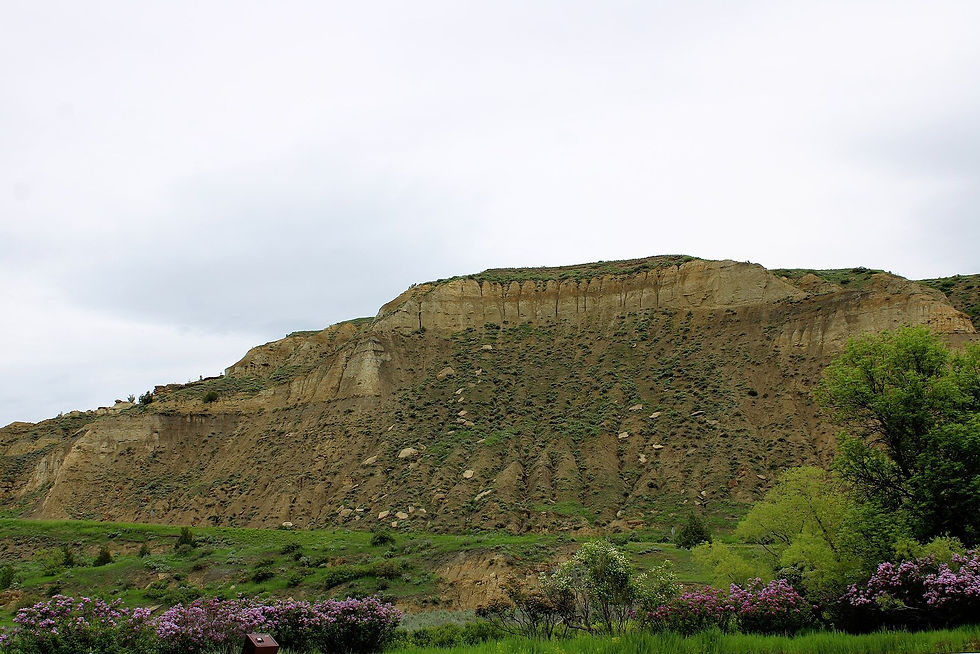
Medora sells itself. Between the Maah Daah Hiking Trail crowd, the Pitchfork Steak Fondue smoke drifting over Chateau de Mores State Historic Site, and a Theodore Roosevelt Medora Foundation calendar that keeps growing, it is easy to look at one strong short-term rental number and start sketching a purchase timeline. This piece is that pause. Before an offer, before a lender conversation, before you fall in love with a listing photo of a porch facing the badlands, there are three things worth separating out in your head: what the town's rental data can and cannot tell you, what Billings County actually requires before a property can operate as a short-term rental at all, and why two nearby data points that look adjacent are not the same market.
None of what follows is investment advice or a lending packet. It is marketing and positioning context, the same lens Crest & Cove uses with hosts everywhere, applied to a specific badlands town where the sample sizes are small enough that a single property can move the average. If you are seriously evaluating a Medora purchase, treat this as a starting checklist for the questions you bring to your own advisors, county staff, and a lender who underwrites the actual property, not the headline stat.
What the AirROI Numbers Actually Say (and Don't)
The number that tends to circulate first is AirROI's trailing twelve-month read on Medora: roughly $47,851 in revenue, built from a sample of 22 properties, with average occupancy around 42.8 percent and an average daily rate near $407. Layered on top of that is a year-over-year increase of about 24 percent, which is the kind of growth figure that gets forwarded around a group chat fast. Every one of those numbers is real. None of them is a promise about the specific property you are looking at.
Start with n=22. Twenty-two active listings is a workable sample for a small tourist town, but it is not a deep enough pool to smooth out the effect of one or two standout properties. A single architect-designed cabin with a hot tub and unobstructed badlands views can pull an average up in a way it could not in a market with five hundred listings. That is not a knock on the data source, it is just how small-n statistics behave. A revenue figure north of $45,000 sitting on top of that small a sample deserves a second look at the underlying listings, not a straight-line assumption that a new unit will land near the mean.
The occupancy and rate figures tell a related story. An ADR around $407 against occupancy near 43 percent is a market where a relatively small number of well-timed, well-marketed bookings are doing most of the revenue work, likely clustered around the Pitchfork Steak Fondue season, Musical performances, and peak Maah Daah Hiking Trail weekends. That is a seasonality pattern to plan a marketing calendar around, not a guarantee that occupancy holds steady across shoulder months. The honest move here is what any experienced host already does with a new listing: underwrite the specific unit in front of you, its bedroom count, its proximity to the historic townsite, its photography and guest reviews if it has an operating history, rather than importing the town-wide average wholesale.
It also helps to sit with what the year-over-year growth figure is and is not telling you. A roughly 24 percent increase suggests Medora's visibility as a short-term rental destination is genuinely rising, which tracks with the broader attention the badlands region has been getting from regional travel coverage and the town's own expanding event calendar. But growth measured against a small base can look dramatic while still describing a market that is early in its maturity curve. A handful of new listings entering the market, or one or two properties improving their marketing and photography, can produce a headline percentage that outpaces what a brand-new entrant should expect in its own first year. Read the growth rate as a signal that demand is trending in the right direction, not as a rate you should pencil into your own year-one projections.
The Billings County 6.18 Conditional Use Permit
Here is the check that gets skipped most often, and it has nothing to do with revenue projections. Billings County requires a Conditional Use Permit under provision 6.18 for short-term rental operation in Agricultural, Residential, and Recreational zoning districts. That is not a formality tucked into paperwork after closing. It is a gating question that determines whether the property can legally run as a vacation rental in the first place, and it needs an answer before you assume rental income is available to you at all.
The permit also carries a specific occupancy formula worth knowing before you tour a property with a listing agent's optimistic sleeping-arrangement math in hand: three guests per bedroom plus one additional guest, capped at a maximum of sixteen occupants regardless of how many bedrooms a house has. If you are picturing a large group-rental play with a big farmhouse and eight bedrooms, the county's cap on total occupants matters more to your actual revenue ceiling than the raw bedroom count does.
The practical step here is straightforward, but people skip it because it feels like a delay: call Billings County directly and ask two things before you write an offer. First, does this specific parcel already carry a 6.18 Conditional Use Permit, or would you be applying fresh as the new owner? Second, is there anything about the parcel's zoning designation, its access, or its prior use that would complicate an application. A property advertised with rental history does not automatically mean the permit follows the seller, or that it transfers cleanly, and a property with no rental history at all may take longer to permit than a seller's timeline suggests. This is not legal advice, and confirming permit status and transferability is a conversation for county staff and your own attorney, not something to infer from a listing description.
Skipping this step turns what should be a straightforward zoning question into what one experienced Medora-area buyer's agent has called a clerk problem dressed up as a listing problem: a property that looks ready to rent on paper but is not actually cleared to, and won't be until an application works its way through the county's process.
TRMF's Hotel 1883 and Cabins Are Not Your Comp Set
The Theodore Roosevelt Medora Foundation has been steadily expanding its lodging footprint, with Hotel 1883 and a set of cabin units among the additions noted for 2026. That is genuinely good news for the town's overall visibility and visitor draw. It is also, for purposes of pricing your own rental, a different business entirely from what you would be running as an independent host.
A foundation-run hotel and cabin operation has group sales relationships, a marketing budget tied to the summer entertainment schedule, package deals bundled with shows and dining, and pricing that reflects an institutional operator's cost structure and brand positioning. None of that maps directly onto a single-owner cabin or house booked through Airbnb or VRBO. When you see rate information tied to TRMF's lodging, treat it as evidence that Medora's overall visitor demand is healthy and growing, not as a comparable rate you should expect your own listing to command. Your actual comp set is the independent-host inventory reflected in sources like the AirROI figures above, imperfect and thin as that sample is, because those are the listings actually competing in the same channels and against the same guest expectations your property will face.
This distinction matters most when you are building a marketing plan and setting initial rate expectations. Pricing a new listing off Hotel 1883's published rates would set expectations that an independent short-term rental, without the foundation's brand recognition or bundled programming, is unlikely to meet in its first season or two.
Why Watford City's 2024 Numbers Don't Belong in Your Medora Model
It is tempting to widen the data pool when Medora's own sample feels thin, and Watford City is the nearest larger market that shows up in the same regional searches. A 2024 Airbtics figure for Watford City puts revenue around $15,000 across a sample of 83 properties. Do not average that into a Medora projection, and do not use it to sanity-check the Medora number either.
Watford City is a different town with a different economy, built around Bakken oil-field activity and workforce housing demand rather than badlands tourism, a different vintage of data collected a full year earlier, and a meaningfully larger sample that reflects a different mix of property types and guest purposes. Blending the two markets because they sit in the same region of North Dakota produces a number that describes neither place accurately. If you want a second data point to stress-test the Medora figures, look for another tourism-driven badlands or Black Hills-adjacent market with a comparable visitor season, not the nearest town with a rental dataset attached to it.
What a Realistic First-Year Picture Looks Like
Put the pieces together and a grounded first-year outlook for a Medora purchase looks less like a single headline number and more like a short list of open questions you resolve before closing. Where does this specific property sit relative to the historic townsite, the amphitheater, and trailheads, since proximity is likely driving a meaningful share of the variance inside that n=22 sample. What is its bedroom count against the county's three-per-bedroom-plus-one occupancy cap, since that determines your realistic maximum group size regardless of what the house itself could physically sleep. Does it already carry a 6.18 Conditional Use Permit, and if not, what does the county's timeline for a fresh application actually look like this year.
From there, plan your marketing and guest experience around Medora's known seasonality rather than a flat occupancy assumption. The town's draw concentrates heavily around warm-weather months, live entertainment, and the Pitchfork Steak Fondue season, and a listing that leans into that calendar with sharp photography, accurate descriptions of walkability to the historic district, and responsive guest communication is doing the real work that separates a strong-performing independent listing from an average one inside that same small sample.
None of this replaces a conversation with a lender who will underwrite the specific property, an attorney who can confirm permit status and any transfer conditions, or a local property manager who can speak to what actually books versus what merely looks good on a listing page. Treat this piece as the marketing-side map of the terrain, not the final word on any of it.
It is also worth planning for the operational side of a small-town rental from day one, since a property forty minutes from the nearest larger service town runs differently than one inside a metro area. Line up a local cleaner and a handyman before your first guest checks in, not after something breaks during a holiday weekend when the whole town is booked. Build a simple house manual that points guests toward what actually makes Medora work as a visit, trail conditions on the Maah Daah, showtimes for the summer season, and realistic drive times to Theodore Roosevelt National Park, so your reviews start reflecting a well-run stay rather than a guest who felt like they were figuring the town out alone.
Building a Marketing Plan Around Medora's Real Season
A listing description that leans on stock vacation-rental language, mountain views, cozy retreat, close to everything, will get lost fast in a market where guests are searching for something specific: proximity to a particular trailhead, walkability to the amphitheater, or a quiet property away from festival crowds. The properties inside that AirROI sample that are likely pulling above the average are doing so partly because their listings speak directly to what a Medora trip is actually for, not because they used better filler adjectives.
That means naming the things a generic template would skip. How far is the walk to Chateau de Mores State Historic Site. Is there covered parking or space for a truck and trailer for guests coming through for the Maah Daah Trail. Does the property have outdoor space suited to watching a badlands sunset, which is a genuine draw in this part of the state and worth photographing well rather than mentioning in passing. Small, specific details like these do more for conversion in a niche destination market than broad claims about comfort or luxury ever will.
The same logic applies to timing your marketing push. A property that ramps up its listing optimization, photography refresh, and review-generation efforts ahead of the spring booking window, when guests are locking in summer trips, is positioned to capture more of the season's concentrated demand than one that treats marketing as a one-time setup task at listing launch.
Questions to Ask Before You Write an Offer
Bring a short, specific list into any conversation with a listing agent, the county, or a seller. Ask whether the property currently holds a 6.18 Conditional Use Permit and whether it is transferable to a new owner or requires a fresh application. Ask what the property's actual booking history looks like month by month, not just an annualized total, so you can see how much of its revenue concentrates into the peak season versus spreading across the year. Ask how the seller or their property manager is currently marketing the listing, since a property riding on strong SEO placement or a loyal repeat-guest base is a different asset than one with the same numbers driven by a single lucky season.
Ask, too, about anything specific to the parcel that might affect an application under 6.18, including access, prior nonconforming use, or any restrictions tied to its Agricultural, Residential, or Recreational zoning designation. And ask what comparable properties near the historic townsite versus further out along county roads have actually rented for, since distance from the amphitheater and Main Street appears to be one of the bigger swing factors inside a market this small. Every one of these answers should come from the county, a licensed local professional, or documented booking data, not from an optimistic verbal estimate.
Related Reading
More Buying a Medora ND Vacation Rental host reading on listing clarity, calendars, and operable decisions guests can trust.
Frequently Asked Questions
Is the $47,851 AirROI figure a reliable number to plan around for a Medora rental?
It is a useful starting reference, not a reliable planning figure on its own. The sample behind it is only 22 properties, small enough that one or two standout listings can pull the average well above what a typical new unit might realistically earn. Treat it as context for how strong Medora's peak-season demand can be, then underwrite the specific property you are considering, its location, bedroom count, and condition, rather than assuming the town average applies to it directly.
Do I need a permit before I can operate a short-term rental in Billings County?
Yes. Billings County requires a Conditional Use Permit under provision 6.18 for short-term rental operation in Agricultural, Residential, and Recreational zoning districts. This applies before you can legally run the property as a vacation rental, so confirming whether a listing already holds this permit, and whether it transfers to a new owner, is a step to take before making an offer, not after closing.
What occupancy limits apply to a Medora vacation rental under county rules?
Billings County's 6.18 permit sets occupancy at three guests per bedroom plus one additional guest, with a hard cap of sixteen occupants regardless of total bedroom count. A large house with many bedrooms does not automatically translate into a proportionally large allowed group size once that sixteen-person ceiling applies, so factor the cap into your revenue expectations for bigger properties.
Can I use Hotel 1883's rates as a benchmark for pricing my own rental?
Not directly. Hotel 1883 and the Theodore Roosevelt Medora Foundation's cabins are institutional lodging with group sales, bundled entertainment packages, and marketing resources that an independent host does not have. Their rates reflect that structure, not the market an individually owned short-term rental competes in. Your realistic comp set is other independent-host listings in town, thin as that sample currently is, rather than the foundation's published lodging rates.
Should I combine Watford City's rental data with Medora's to get a fuller regional picture?
No. Watford City's 2024 figures come from a different economic driver, workforce and oil-field-related demand rather than badlands tourism, a different data year, and a much larger sample of 83 properties reflecting a different property mix. Blending the two markets produces a number that accurately describes neither town. If you want a comparison point, look for another tourism-driven market with a similar visitor season instead.
Does an existing rental permit transfer automatically when a Medora property sells?
Not necessarily, and that is exactly the kind of detail to confirm with Billings County directly rather than assume from a listing description. Permit transferability can depend on the specifics of the parcel, any changes in intended use, and county process at the time of sale. Treat the permit question as one for your attorney and county staff to resolve in writing before you rely on it in your offer, rather than relying on a seller's verbal assurance.
How much of Medora's rental revenue is really seasonal?
A meaningful share, based on the pattern behind the AirROI figures: an average daily rate near $407 against occupancy closer to 43 percent suggests a market where a concentrated stretch of peak-season bookings, tied to warm-weather tourism, live entertainment, and events like the Pitchfork Steak Fondue, is doing much of the revenue work. Plan your marketing calendar and cash flow expectations around that concentration rather than a flat year-round occupancy assumption.
What should I actually ask a seller or listing agent before making an offer?
Ask for month-by-month booking history rather than an annualized total, confirm whether the property currently holds a 6.18 Conditional Use Permit and whether it is transferable, and ask how the listing has been marketed and to what audience. A property with strong repeat-guest bookings and organic search placement is a different asset than one with similar headline numbers driven by a single strong season or a temporary marketing push.
Is proximity to the historic townsite a big factor in Medora rental performance?
It appears to be one of the more significant variables inside a market this small. Properties closer to Main Street, the amphitheater, and Chateau de Mores State Historic Site are better positioned to capture walk-up demand and repeat weekend visitors than comparable properties further out along county roads. When you are evaluating two similarly priced properties, location relative to the historic district is worth weighing as heavily as bedroom count or finishes.
Is this article giving investment or lending advice for a Medora purchase?
No. This is marketing and positioning context intended to help hosts ask better questions before pursuing a purchase, not investment advice, a lending packet, or a substitute for professional underwriting. Decisions about financing, valuation, and legal permit status should go through a lender who evaluates the specific property, and an attorney or county official who can confirm zoning and permit requirements directly.
Work with Crest & Cove Creative
Medora's badlands views and festival crowds make for an easy pitch, but the strongest listing photo still needs a marketing plan built on the town's real seasonality. Know what actually draws guests here before you write a single description.
Ready to market a Medora property the right way, with copy that reflects the town's real visitor season instead of a generic template? Let's build a listing presence that speaks to badlands travelers from day one.
Reach out at crestcove.co or (256) 998-7502.


Comments