
DIY vs Hire: Marketing Your Medora, ND Short-Term Rental

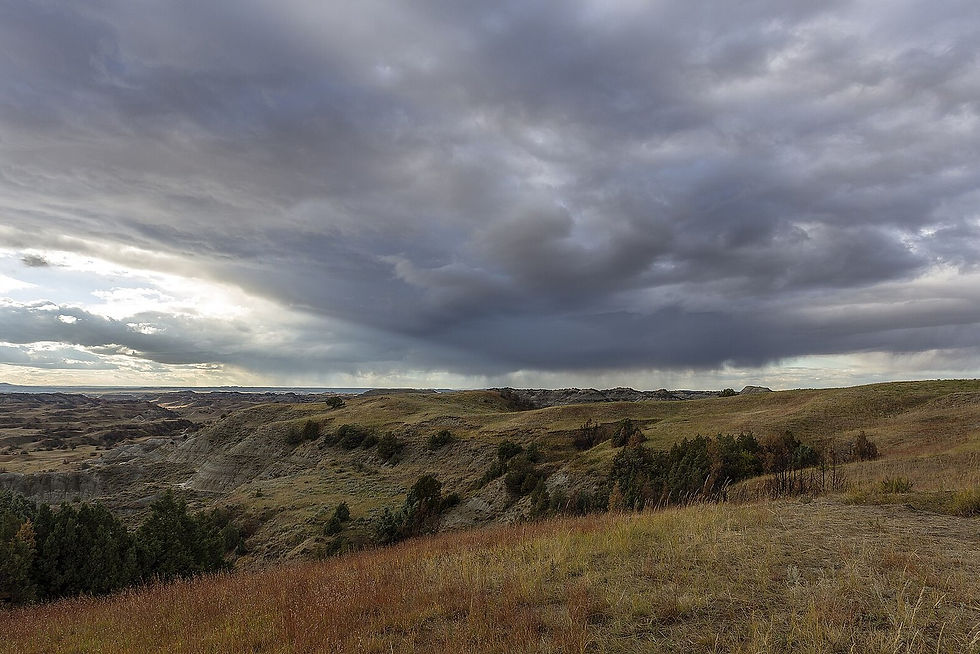
Medora is a small town carrying a big park name, and that combination is exactly where marketing help goes wrong. Theodore Roosevelt National Park has two units. The South Unit sits at Medora's doorstep in Billings County, reachable off I-94, with the Painted Canyon overlook as its signature pull. The North Unit is a different drive entirely, closer to Watford City in McKenzie County, along its own scenic byway. A host weighing whether to keep marketing the listing themselves or hand it to someone else should start with one blunt test: does the person or agency you are talking to know which unit belongs on your pin.
It sounds like a small detail. It is not. A marketer who writes South Unit copy and illustrates it with North Unit scenery, or who tells guests the wrong drive time to the badlands overlook, is not saving you research time. They are creating a correction job for you later, after the copy is live and guests have already booked expecting the wrong geography. If a prospective hire cannot answer the South Unit versus North Unit question cleanly and immediately, that is a real signal, not a nitpick.
This piece is not a pitch to convince every Medora host to hire out their marketing. It is a framework for deciding, built around what a hire should already know before you pay for anything: the park geography, the size of the actual market you are competing in, the zoning boundary a marketing agency should never cross, and the specific calendar the town runs on. We will also be straight about what Crest and Cove does and does not do, so you can compare that scope against whatever else you are considering.
Two Parks, One Pin: Why South Unit vs North Unit Confusion Is a Red Flag
The single fastest way to test a marketing hire's homework is geography. Medora sits at the gateway to the South Unit of Theodore Roosevelt National Park, off I-94, with Painted Canyon as the overlook most guests already have bookmarked before they arrive. The North Unit is a separate park section near Watford City in McKenzie County, with its own scenic byway and its own drive time from anywhere near Medora. These are not two entrances to the same place. They are two different parks connected by name only, roughly seventy miles apart by road.
When a marketing draft, a listing rewrite, or a blog pitch mixes the two, the tell is usually subtle. It might reference the North Unit's scenic drive in copy meant for a Medora stay, or describe a drive time to Painted Canyon that actually belongs to the other unit. Guests who catch this after booking do not file it as a small error. They feel misled about the trip they planned, and that frustration lands on your reviews, not on whoever wrote the copy.
This is why the geography check belongs first in any DIY-versus-hire conversation. It costs you nothing to ask a candidate marketer, in plain language, to describe the difference between the two units and which one your listing actually sits near. If they hedge, guess, or blend the two together, you have your answer before you have spent a dollar. A host doing their own marketing has an advantage here that is easy to underrate: nobody knows your own driveway, your own overlook, and your own drive times better than you do, because you have actually made the drive.
Reading the Medora Micro-Market Honestly, Not Aspirationally
Recent market data for Medora, drawn from a trailing twelve-month window through mid-2026, puts the typical short-term rental's annual revenue at $47,851 across a sample of 22 listings, with average occupancy at 42.8 percent, average daily rate at $407, and RevPAR at $193. Year over year, that market moved up about 24.0 percent. Those are real, useful numbers for a host trying to calibrate expectations. They also describe a genuinely small market. Twenty-two listings is not a deep, liquid dataset the way a mid-size metro would be. It is a tight sample where a handful of properties can swing the average meaningfully in either direction.
This matters for the DIY-versus-hire decision because it shapes what kind of marketing actually makes sense. A market this size does not need, and cannot really absorb, a national brand campaign, heavy paid media spend, or messaging built for scale. What moves the needle in a 22-listing market is much more specific: accurate, well-written listing titles that describe what a Medora stay actually offers, honest calendar management so guests are not disappointed by closed attractions or off-season quiet, and photography that captures the town during its actual peak season rather than generic stock imagery.
If a marketing hire's opening pitch leans on scale language, national reach, or campaign frameworks built for larger markets, treat that as a mismatch rather than ambition. The right questions to ask any candidate hire are narrower and more useful: how would you write my listing title, how would you handle my calendar messaging around Musical season, and what does your photo plan actually capture. Answers grounded in Medora's real size are worth far more here than answers grounded in scale that this market does not have.
Zoning Is Not a Marketing Deliverable: Billings County 6.18 and the CUP Line
Billings County zoning section 6.18 lists short-term rentals as a conditionally permitted use across Agriculture, Residential, and Recreational districts. That means a short-term rental in those districts is not automatically allowed the way a permitted use would be. It requires a conditional use permit, reviewed and approved through the county's planning process, and it comes with specific occupancy limits: three people per bedroom plus one additional person, and a hard ceiling of 16 total occupants regardless of bedroom count.
Here is where the DIY-versus-hire line gets drawn sharply. A marketing agency, no matter how good its copywriting or photography, is not the Billings County Planning and Zoning Commission. It cannot file your conditional use permit, cannot interpret how the county will apply the occupancy formula to your specific floor plan, and cannot promise you an approval outcome. Any hire that offers to handle your zoning compliance, walk you through the CUP process as a service they perform, or otherwise blur the line between marketing and permitting has stepped outside what marketing actually is. This is not legal advice, and any host navigating the conditional use permit process in Billings County should work directly with the county's planning office or appropriate counsel, not a marketing vendor.
The practical takeaway for a host comparing DIY marketing against a paid hire is this: keep the two workstreams separate in your head and in your budget. Zoning and permitting are compliance matters that live with the county. Marketing is about how your already-permitted listing gets found, described, and booked. A hire worth paying for will draw that line themselves, unprompted, rather than waiting for you to ask.
Musical Season and Fall Favorites: Dates a Marketing Hire Should Already Know
Medora's tourism calendar is not a vague seasonal generality, and marketing copy that treats it that way will age badly fast. The Medora Musical's official 2026 run is June 3 through September 12, performing at 7:30pm Tuesday through Sunday at the Burning Hills Amphitheatre. That is the town's anchor event, and it defines the window when demand, foot traffic, and evening activity in Medora are at their highest. Marketing copy, availability messaging, and even your own calendar pricing should be built around those specific dates, not a loose sense of summer.
After the Musical wraps, the town does not simply go quiet. Fall Favorites at Old Town Hall runs September 22 through November 1, 2026, in dated programming blocks rather than a continuous run like the Musical. That distinction matters for guest-facing copy: a listing that promises Musical-style evening entertainment in October, when the actual programming has shifted to a different format and schedule, is setting guests up for a letdown that shows up in reviews.
A marketing hire who cannot recite these windows accurately, or who writes generic year-round copy implying constant high-season activity, will produce material the town cannot actually back up. This is one of the easiest things for a DIY host to get right without outside help: you already know your own booking calendar, and cross-referencing it against two publicly dated event windows is a research task, not a specialized skill. If you are evaluating a hire specifically to save yourself this kind of calendar work, ask them to walk through both windows unprompted before you assume they have done the homework.
What DIY Marketing Actually Looks Like for a Medora Host
Doing your own marketing in a market this size is more achievable than it sounds, mainly because the market itself does not demand complexity. The core tasks are listing titles that accurately name your proximity to the South Unit and Painted Canyon, a description that is honest about what the property offers rather than padded with generic vacation-rental language, and a photo set that captures the property and its surroundings during the actual months guests are booking for, particularly the Musical window from June through September.
Calendar honesty is the other half of DIY marketing that costs nothing but attention. If Fall Favorites programming is lighter than Musical season, your listing calendar and any seasonal messaging should reflect that rather than implying constant high-season energy. Guests who book based on inflated expectations are the ones who leave reviews mentioning that the town felt quieter than advertised, and that kind of review is avoidable simply by writing what is actually true.
Where DIY marketing tends to hit a ceiling is time, not skill. A host running the property day to day, especially through changeovers during Musical season, may simply not have the hours to keep listing copy current, refresh photos seasonally, or build out owned search content like a blog post or a local guide page. That is a legitimate, practical reason to consider a hire. It is different from believing a hire brings some kind of marketing expertise a host cannot access on their own. In a 22-listing market, the advantage of local, specific, accurate knowledge usually belongs to the host who lives closest to the property, not to an outside vendor.
What to Ask Before You Hire Anyone
If you decide the time savings are worth paying for, the questions that separate a useful hire from a generic one are specific, not general. Ask them to describe the difference between the South Unit and North Unit of Theodore Roosevelt National Park and confirm which one applies to your property. Ask how they would frame your listing given a 22-listing local market rather than a citywide or regional one. Ask them to name the Musical's 2026 dates and the Fall Favorites window without looking it up on the spot. And ask directly whether they offer, or claim to offer, any zoning or permitting assistance, because the correct answer is no.
Ask, too, what you keep after the engagement ends. A marketing relationship should leave you with assets you own outright: your listing titles, your photo files, and any search-facing content like blog posts or local guide pages built for your property. If a hire's model keeps that material locked to their platform or their continued retainer, you are not building an owned asset, you are renting visibility that disappears the moment you stop paying.
None of these questions require marketing expertise to ask. They require knowing your own property, your own market, and your own calendar well enough to recognize a real answer from a vague one. That knowledge is available to any Medora host willing to spend an afternoon confirming it, which is precisely why the DIY option deserves serious consideration before assuming a paid hire is automatically the better path.
Where Crest and Cove Fits, and Where It Does Not
To be direct about our own scope: Crest and Cove offers a marketing audit for hosts weighing DIY against hiring help. That audit looks at your listing copy, your photo presentation, and your owned search footprint, and it points out specific gaps against what a market like Medora's actually needs, given the South Unit geography, the size of the local dataset, and the real event calendar. It does not include permit filing, does not touch conditional use permit compliance, does not produce a lending or financing packet, and does not promise any specific search ranking outcome.
That narrow scope is deliberate, not a limitation we are downplaying. A host comparing marketing vendors should ask each one to state their scope this plainly, because vague scope is usually where unmet expectations start. If a vendor's pitch drifts toward guarantees about page-one search rankings, or implies they can help with zoning approval, that drift is worth noticing before you sign anything.
Whether you end up doing your own marketing, hiring Crest and Cove for an audit, or hiring someone else entirely, the same closing question applies: what do you own when the engagement ends, and does the person or company doing the work actually know Medora specifically, down to which park unit sits at your doorstep and which weekend in September the Musical closes. That level of specificity is the real dividing line between marketing help worth paying for and marketing help that is guessing.
Related Reading
More DIY vs Hire host reading on listing clarity, calendars, and operable decisions guests can trust.
Frequently Asked Questions
How do I know if a marketing hire actually understands Medora's location relative to the park?
Ask them directly to explain the difference between the South Unit and North Unit of Theodore Roosevelt National Park and confirm which one is near your property. Medora sits at the South Unit's gateway off I-94, with Painted Canyon as the signature overlook, while the North Unit is a separate section near Watford City in McKenzie County. If a candidate hire blends the two or cannot answer quickly, that confusion will likely show up in your listing copy later, and it is far cheaper to catch before you pay for anything.
Is the Medora short-term rental market big enough to justify a large marketing campaign?
Not based on recent data. A trailing twelve-month snapshot through mid-2026 shows a sample of 22 listings, with typical annual revenue around $47,851, occupancy near 42.8 percent, and an average daily rate of about $407. That is a small, tight market where accurate listing titles, honest calendars, and seasonal photography matter more than broad campaign spend. Any hire pitching scale-oriented tactics built for larger markets is likely misreading the size of what they are actually marketing.
Can a marketing agency help me get a short-term rental permit in Billings County?
No, and any agency implying otherwise is overstepping. Billings County zoning section 6.18 treats short-term rentals as a conditionally permitted use in Agriculture, Residential, and Recreational districts, requiring a conditional use permit and following an occupancy formula of three people per bedroom plus one additional person, capped at 16 total. Permitting questions should go to the county's planning office or appropriate counsel, not a marketing vendor, who has no role in that approval process.
What are the occupancy limits under Billings County's short-term rental zoning rule?
Under zoning section 6.18, occupancy is calculated as three people per bedroom plus one additional person, with a hard cap of 16 occupants regardless of how many bedrooms the property has. This formula applies to short-term rentals operating as a conditionally permitted use in the county's Agriculture, Residential, and Recreational districts. Hosts should confirm how this formula applies to their specific property directly with the county's planning office rather than relying on a marketing vendor's interpretation.
When does the Medora Musical run in 2026, and why does that matter for marketing?
The Medora Musical's official 2026 season runs June 3 through September 12, with performances at 7:30pm Tuesday through Sunday at the Burning Hills Amphitheatre. This window defines the town's highest-demand stretch, so listing copy, seasonal photography, and pricing should be built around these specific dates rather than a vague sense of summer. A marketing hire who cannot state this range accurately is likely to produce copy that overpromises outside the actual peak.
What happens in Medora after the Musical season ends?
Fall Favorites programming at Old Town Hall runs September 22 through November 1, 2026, but unlike the Musical's continuous nightly run, it operates in dated blocks rather than every evening. Marketing copy that implies constant high-season activity into October or November misrepresents what guests will actually find. Being precise about this shift protects your reviews, since guests who expect Musical-level activity during Fall Favorites dates may be disappointed by the different pace and format.
Does Crest and Cove handle permits, zoning, or financing for Medora hosts?
No. Crest and Cove's scope is a marketing audit covering listing copy, photo presentation, and owned search content. It does not include filing conditional use permits, advising on zoning compliance, or preparing any financing or lending documentation. Hosts with permitting or financing needs should work with the appropriate county office, counsel, or lender directly, and should treat any marketing vendor claiming to handle those areas as outside their proper scope.
What should I own after working with a marketing hire, and what should I avoid?
You should walk away owning your listing titles, your photo files, and any search-facing content built for your property, such as blog posts or local guide pages. Avoid arrangements where that material stays locked to a vendor's platform or requires an ongoing retainer to remain visible, since that model is closer to renting exposure than building an owned asset. Ask any prospective hire this question directly before signing anything, and get the answer in writing.
Is it realistic for a Medora host to do their own marketing without hiring help?
Yes, particularly in a market this size. The core tasks, accurate listing titles, honest seasonal calendar messaging, and photography that reflects actual peak months like the Musical season, do not require specialized expertise, mainly local knowledge and time. Where DIY marketing tends to fall short is bandwidth, especially during busy changeover periods, which is a legitimate reason to consider paid help, separate from any assumption that a hire brings expertise a host cannot access alone.
What is the single best test for whether a marketing vendor knows Medora specifically?
Ask three things without letting them look anything up: the difference between the South Unit and North Unit of the national park, the 2026 Medora Musical dates, and whether they offer zoning or permitting help. A vendor who nails the geography and calendar while clearly declining the zoning question has demonstrated real, specific knowledge of your market rather than generic vacation-rental talking points applied to any small town.
Work with Crest & Cove Creative
A Medora marketing hire that cannot separate the South Unit from the North Unit is already working from the wrong file. Get the geography, the market size, and the calendar right before you pay anyone a dollar.
Crest and Cove's marketing audit checks your listing titles, photos, and owned search footprint against what Medora's actual market and calendar require. Ask us what you keep after ninety days before you ask what it costs.
Reach out at crestcove.co or (256) 998-7502.


Comments