
Cazenovia, NY STR Rules: Village Clerk vs. Town Chapter 132

Updated: Aug 27
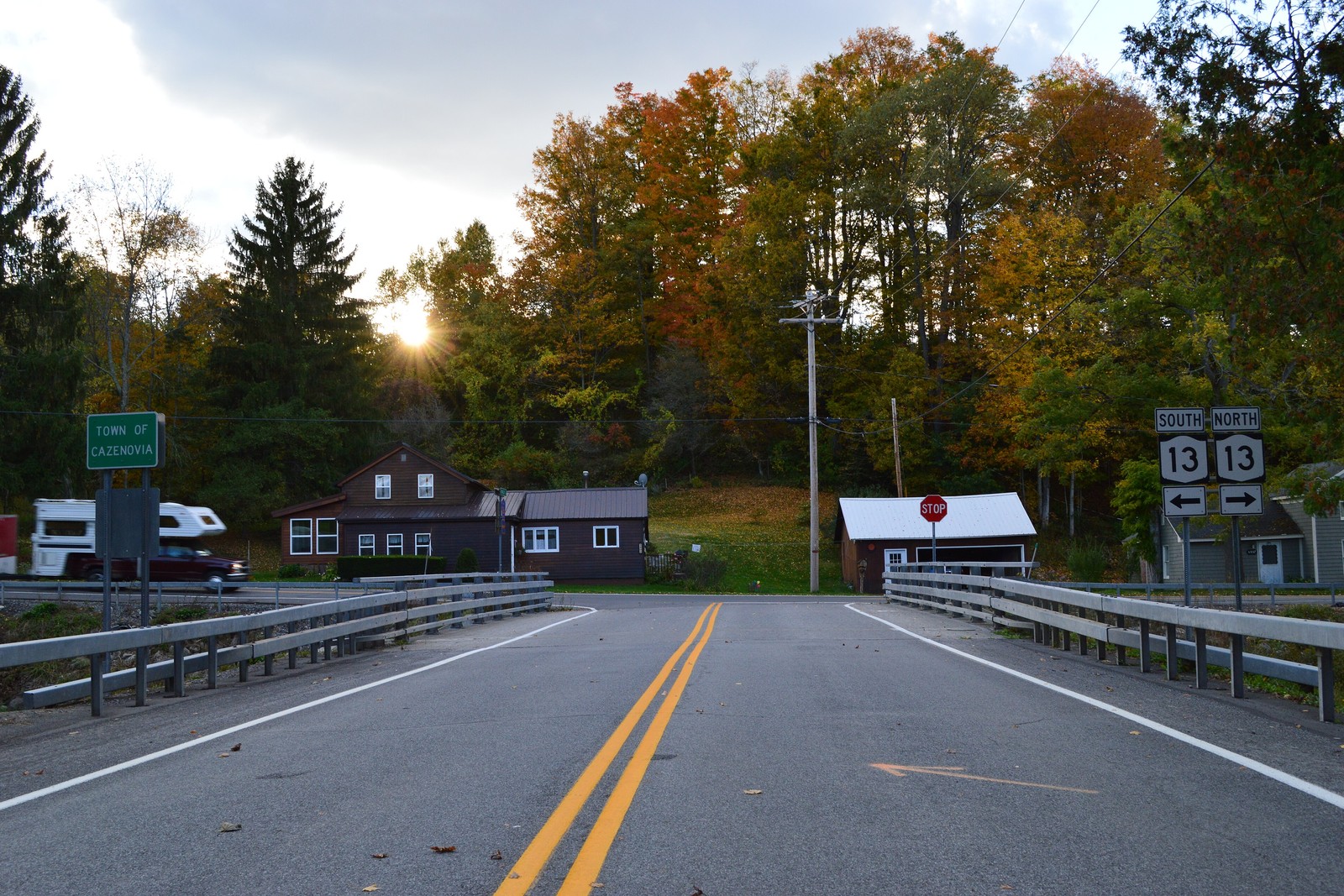
The Town of Cazenovia added Chapter 132, Local Law 5-2025, in 2025, and it is live law covering a specific set of requirements: a special use permit, a thirty-one-day rental definition, a twelve-guest cap, off-road parking, Madison County tax, quiet hours, neighbor notice, and a fine ladder for violations. What Chapter 132 does not cover is the Village of Cazenovia, which operates under a different clerk and a separate governing structure entirely. A property owner needs to know which of the two, Village or Town, actually governs their specific parcel before assuming Chapter 132 applies, or does not apply, to their address.
The useful market figure for a Town of Cazenovia short-term rental, per AirROI, is $20,127 in annual revenue, $293 ADR, and 35.5 percent occupancy across a 22-listing sample. This is the number to underwrite against; a lower, stale AirROI figure floating in older market summaries does not reflect this current sample and should be left out of a serious packet.
This page walks the town's Chapter 132 requirements, the distinction between the Village and Town clerks, and the specific fine amounts a violation can carry. It will not tell a specific property owner which authority governs their parcel; that confirmation has to come from Village Hall or the Town directly. This is not legal advice.
Town Chapter 132 is live law
Chapter 132, adopted as Local Law 5-2025, is not a proposal or a draft under discussion, it is enacted, active law governing short-term rental operation within the Town of Cazenovia as of 2025. A property owner operating within the Town's jurisdiction needs to treat every requirement in the chapter, the permit, the guest cap, the parking rule, the tax, the quiet hours, as a current legal obligation rather than a future consideration.
This is a meaningfully different situation from a market where short-term rental regulation is still pending or under study. A host operating in the Town of Cazenovia without having gone through the Chapter 132 process is operating out of compliance with an active local law, not simply ahead of a coming rule.
The special use permit does not transfer
A special use permit issued under Chapter 132 is tied to the property and the specific approval on record, and it does not automatically transfer to a new owner, a new manager, or a different use of the parcel. A buyer purchasing a property that previously operated as a short-term rental under an existing permit cannot assume that permit carries forward with the sale.
This also applies to management arrangements. Hiring a property manager does not preserve or substitute for a permit the town has already tied to a specific name or approval; the underlying permit status stays with the parcel and the approval record, not with whoever happens to be managing the property day to day.
Thirty-one days, twelve guests, off-road parking
Chapter 132 defines a short-term rental using a thirty-one-day threshold, sets a maximum occupancy of twelve guests, and requires off-road parking for the property. These three requirements sit together because they define the basic operating envelope Chapter 132 is built around: a rental under thirty-one days, capped at twelve guests, with vehicles kept off the road rather than street-parked.
A property that cannot meet these three baseline requirements, insufficient off-road parking capacity for a twelve-guest occupancy, or a rental structure that does not fit the thirty-one-day definition, does not yet qualify for a Chapter 132 special use permit as currently structured. Confirming these three details against the specific property is a starting checkpoint before pursuing the permit process further.
Madison County tax and no ads until approval
A short-term rental operating under Chapter 132 is subject to Madison County tax obligations in addition to any town-level requirements. This tax obligation sits alongside, not instead of, the permit and operational requirements the chapter lays out.
Chapter 132 also restricts advertising a property as a short-term rental until the special use permit approval is actually in hand, not simply submitted or pending. A host who lists or advertises a property for short-term rental before receiving that approval is operating ahead of what the chapter permits, regardless of how confident the applicant is that approval will eventually come through.
Quiet hours, neighbor notice within 500 feet, and the fine ladder
Chapter 132 requires neighbor notice to properties within 500 feet of the short-term rental parcel, alongside quiet hours and a no-event rule, restrictions that sit together because a twelve-guest maximum occupancy is explicitly not intended to accommodate a wedding or a large gathering. These requirements protect the character of a residential area around a permitted short-term rental rather than functioning as a general nuisance ordinance.
Violations carry an escalating fine ladder: $200 to $250 on a first conviction, $350 to $500 on a second, $750 to $1,250 on a third, and $2,000 to $3,000 on subsequent violations. That structure means a first violation is a meaningful but recoverable cost, while a pattern of repeated violations escalates quickly into a serious financial penalty, which is worth factoring into how strictly a host treats the quiet-hours and occupancy limits on an ongoing basis.
The village is a different clerk
The Village of Cazenovia is a separate governing authority from the Town, with its own clerk and its own process, located at Village Hall on Albany Street. Chapter 132, as Town law, does not automatically govern a property located within Village limits, and a property owner should not assume a Town-focused compliance approach covers a Village address, or vice versa.
A manager or buyer treating a Village parcel as if it falls under the Town's panel is working from the wrong governing framework entirely. Confirming which of the two jurisdictions, Village or Town, actually governs a specific address is a distinct question from confirming Chapter 132 compliance itself, and it needs to happen first.
Why an older 'AirROI Low' figure is stale
An older, lower AirROI figure that may still be circulating in outdated market summaries for this area does not reflect the current sample and should be left out of any packet built for underwriting, valuation, or a pricing decision. The useful current figure is $20,127 in annual revenue, $293 ADR, and 35.5 percent occupancy across 22 listings in the Town sample.
Cazenovia Lake is also not a Finger Lake, and rules or market data associated with Skaneateles, a genuinely different lake and a genuinely different governing desk, do not transfer to a Cazenovia property regardless of regional similarity. Keeping the Cazenovia-specific figures separate from both an outdated internal number and a neighboring lake's market data is the basic discipline this page is asking for.
Call the desk that matches the driveway
The practical first step for any Cazenovia short-term rental question, permit status, jurisdiction, fee schedule, is calling the desk that actually matches the property's address: Village Hall for a Village parcel, the Town for a Town parcel, rather than assuming one office covers both. Confirming this correctly before submitting a permit application or advertising a listing avoids the wasted time of working through the wrong process entirely.
For a buyer or host who wants Chapter 132 read against a specific parcel rather than assumed from a general summary, that confirmation should come directly from the applicable clerk's office. This page provides the framework, permit, guest cap, parking, tax, quiet hours, fines, jurisdiction, but the final determination for any individual address belongs with Village Hall or the Town, not with a general guide.
This matters most at the underwriting stage, before an offer or a permit application is submitted, not after. A buyer who confirms jurisdiction and Chapter 132 status early avoids the far more costly version of this mistake: closing on a property, advertising it as a short-term rental, and only then discovering the parcel falls under a different clerk's process or does not currently qualify for the permit at all.
Related Reading
More Cazenovia, New York reading already live on Crest & Cove.
Frequently Asked Questions
Is Cazenovia's Chapter 132 short-term rental law currently in effect?
Yes. Chapter 132, adopted as Local Law 5-2025, is active law within the Town of Cazenovia as of 2025, not a pending proposal. A host operating in the Town's jurisdiction without going through the Chapter 132 process is operating out of compliance with a current local law.
Does Chapter 132 apply to properties inside the Village of Cazenovia?
Not automatically. The Village of Cazenovia is a separate governing authority with its own clerk, distinct from the Town. A property owner needs to confirm which jurisdiction, Village or Town, actually governs their specific address before assuming Chapter 132 applies.
Does a special use permit transfer when a Cazenovia short-term rental property is sold?
No. The permit is tied to the specific property and approval on record, and it does not automatically carry forward to a new owner. A buyer purchasing a property with an existing permit needs to confirm the permit status directly rather than assuming it transfers with the sale.
What are the baseline requirements a Cazenovia property needs to meet under Chapter 132?
A thirty-one-day rental definition, a twelve-guest occupancy cap, and off-road parking sufficient for that occupancy. A property that cannot meet these three baseline requirements does not yet qualify for a special use permit as currently structured.
Can a host advertise a Cazenovia short-term rental before receiving permit approval?
No. Chapter 132 restricts advertising until the special use permit approval is actually granted, not simply submitted. Listing or advertising before that approval is in hand puts a host ahead of what the chapter currently permits.
What fines can a Chapter 132 violation carry?
An escalating ladder: $200 to $250 on a first conviction, $350 to $500 on a second, $750 to $1,250 on a third, and $2,000 to $3,000 on subsequent violations. That structure means repeated violations escalate quickly into a serious financial penalty.
Should a Cazenovia buyer use the same market data as Skaneateles?
No. Cazenovia Lake is not a Finger Lake, and Skaneateles operates under a genuinely different governing desk with its own market data. Regional similarity does not justify transferring one town's figures or rules to the other.
What is the correct current market figure to underwrite a Town of Cazenovia short-term rental against?
$20,127 in annual revenue, $293 ADR, and 35.5 percent occupancy across a 22-listing AirROI sample for the Town. An older, lower figure still circulating in outdated summaries does not reflect this current sample and should be left out of a serious underwriting packet.
Work with Crest & Cove Creative
A Cazenovia parcel answers to either the Village clerk or the Town's Chapter 132, never both by default. Confirm which desk your address reports to before the permit application.
We help Cazenovia hosts and buyers read Chapter 132 against their specific parcel instead of a leftover no-rules assumption. Reach out at crestcove.co or (256) 998-7502. Send the live listing draft and the facts you can actually cite.
Reach out at crestcove.co or (256) 998-7502.


Comments