
This Market Host Guide: What Guests Actually Ask for Independent Hosts

Updated: Aug 27
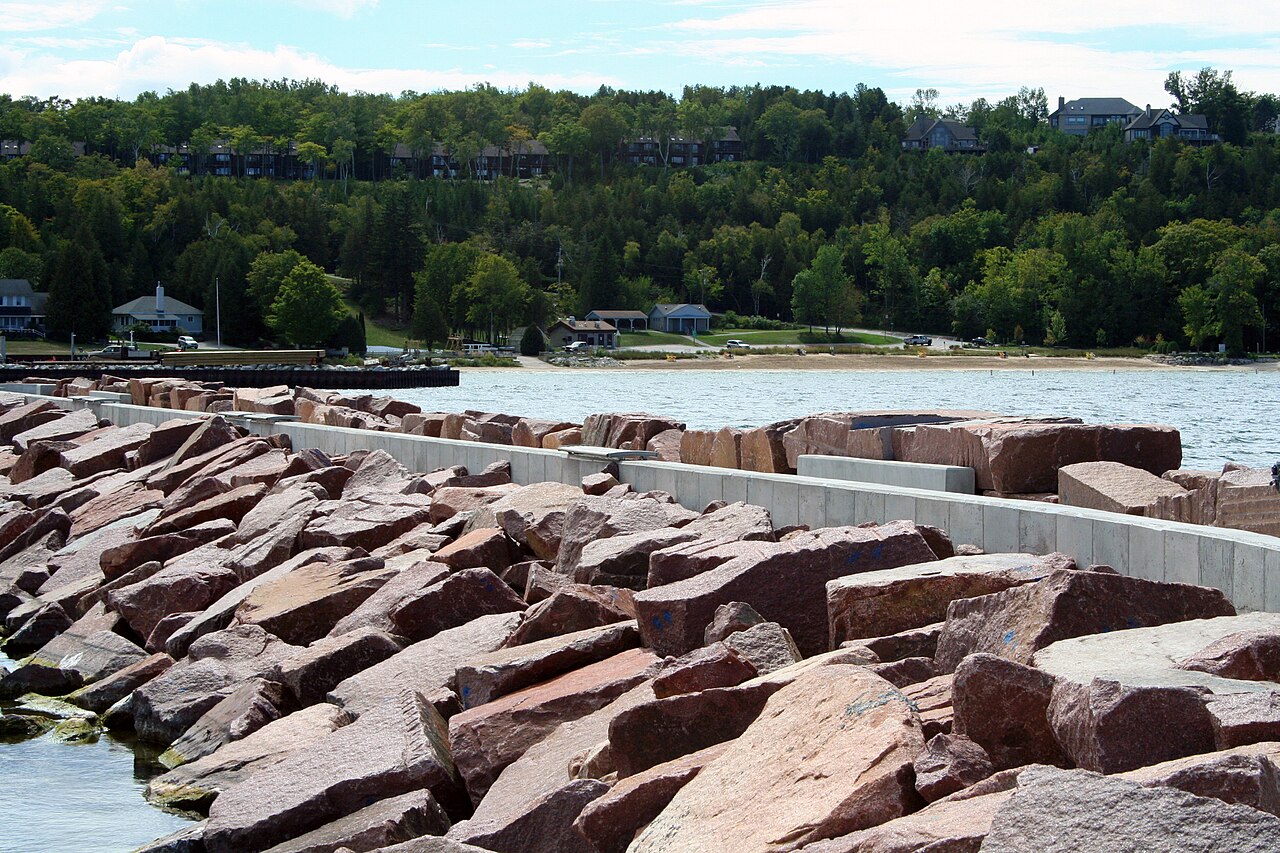
Three days on Wisconsin’s Door County peninsula work best when the bed is in a named village and the itinerary stops stealing other lakes. This guide is written for a guest who sleeps in Fish Creek, Ephraim, Egg Harbor, or Sister Bay, not for a Lake Geneva weekend with a peninsula sticker, and not for a generic Door County cottage that never picks a clerk. Harbor scale, clapboard streets, orchard country, and Peninsula State Park are the product. Confirm hours, tickets, and event schedules on each operator’s own site the week you travel. This page invents none of those prices and invents no ferry minutes.
Hosts can hand this language to guests as a calm base layer beside house rules and arrival logistics. It sits with theDoor County market reportfor operators who need place truth,who books a Door County rentalfor the overnight person this itinerary serves, and thetourism spending pageso no one confuses a busy sidewalk with host revenue. We do not manage Door County. We do Keep place copy that survives a screenshot. Market context for hosts is simple: overnight demand still follows a village calendar, and a busy noon sidewalk does not mean every house is full.
Peak leisure density on the host calendar still clusters in August in all four AirROI cells. January and February are quieter, with the exact floor shifting by village. The same three-day shape works year-round if you swap crowd expectations and weather honesty. Average stays sit near 3.5 nights in Sister Bay, 3.4 in Egg Harbor and Fish Creek, and 3.7 in Ephraim, so a three-day frame matches how many overnight guests actually use the house. Occupancy sits in the mid-30s to mid-40s, so a packed harbor does not mean every listing is spoken for. Keep the itinerary for the person who booked the bed, not for the person browsing storefronts without a reservation.
Pick a village as the bed
Pin the stay in one village and keep it there. Fish Creek sits in the Town of Gibraltar. Ephraim, Egg Harbor, and Sister Bay are their own villages with their own clerks. The house is the recovery base after harbor walks, a park day, and any second-village loop you choose later. Match the household to the occupancy posted in the listing and do not treat day-trip friends as automatic overnight additions. Sturgeon Bay is the county seat and a neighbor, not the bed this guide is selling. Sevastopol is a different town.
A house in Sister Bay is not a house in Fish Creek. Harbor character, walkability, and evening energy change by village even when the peninsula looks like one caption from a car. Say the village in the first line of the listing and in the first line of the guest book. If you are on a 30-plus stay rather than a short trip, the house still works as the bed, just expect a quieter rhythm and a real desk if that is why you booked. Village legality is the host’s problem. Guests still need accurate parking, quiet, and check-in facts.
Origin guests often come from Chicago, Milwaukee, or Madison depending on the cell. Plan arrival as a drive-market day without treating remembered minutes as locked facts. If the household includes remote workers on a short trip, still treat day one as orientation rather than a full work-plus-touring blend after a long peninsula drive. Hosts should show arrival photos that match the lockbox walk. Guests should treat the listing’s parking, occupancy, and quiet-hour rules as part of the itinerary, not as fine print after a full day out.
Day one: the home village and the harbor
Day one stays in the home village on purpose. Settle the bags, walk the harbor you can actually reach from the door, and let village scale become real before you schedule a hard start time in a second town. Fish Creek, Ephraim, Egg Harbor, and Sister Bay each have a waterfront character worth a slow loop. Confirm shop and restaurant hours live. This guide will not print a ranking that goes stale or a promise that every dock looks the same in February as it does in August.
Keep the first afternoon gentle if the drive was long or the household is tired. Window shopping, a simple food plan, and a slow harbor loop beat a packed multi-village schedule that ignores travel fatigue. Confirm every paid activity on the operator site. This page will not invent ticket prices, ferry minutes, or a promise that every venue runs full hours in January. Entire-home stays are the product guests actually booked, a private base after the drive, not a lobby and not a day-trip schedule that forces everyone home at the same minute.
Evening is the product the pure day-tripper does not buy. When the afternoon energy thins, village streets change character. That quieter night is why the overnight guest paid for the house. Enjoy the air; keep the volume neighbor-legal. If someone in the group wants a laptop hour after dinner, treat it as a bonus, not a reason to skip the walk that proves you actually arrived in the village you booked. Food plans on day one should respect village scale: you are choosing among what is open nearby and what you stocked, not among twenty metro neighborhoods.
Day two: Peninsula State Park and a second village
Day two can be Peninsula State Park plus one named second village without relocating the bed. Say the park as a choice with live confirmation of hours, trail conditions, and any vehicle rules on the park’s own materials. Build in a recovery block back at the house. Small households and larger ones both need water, shade, and a kitchen that works after a full outdoor day. Do not treat the park as a back yard unless the parcel actually touches it.
Pick one second village, not three. If the bed is Fish Creek, Sister Bay or Ephraim can be a day loop. If the bed is Sister Bay, Fish Creek can be the second name. Egg Harbor works the same way. Do not stack every harbor on day two and then wonder why the house felt unused. Leave out unverified door-to-door minutes. Do not promise a Washington Island crossing as the point of the day. Confirm parking and seasonal closures the week you go. If weather turns or the household is tired, day two can stay in the home village without becoming a failed vacation.
Hosts should stock basic return language in the guidebook, where towels live, what not to track inside, how trash works, without writing a novel. Guests should re-read occupancy and quiet rules before inviting anyone who is not on the reservation to stop by after the park. The sidewalk is public. The house is not a day-trip annex for people who never booked the bed. Water safety, trail judgment, and any paid park activity belong to guests and live operator sites. This guide will not invent conditions or prices.
Day three: orchard country or a quieter shore
Day three should still end at the village bed unless it is a true departure morning. Use the third day for orchard country, a quieter stretch of shore, a second slow harbor loop, or simply a porch-and-kitchen day that uses the house you paid for. Fall color and harvest weekends are real merchandising weeks. They are not a second August, and they are not a reason to relocate the published market year to a farm you do not own. Confirm orchard and farm-stand hours live, especially outside peak Saturdays.
January quiet can be the point. August density can be the point. Festival of Blossoms energy can be the point in spring, still without treating blossom attendance as a private ticket in the house manual. The constant is sleeping in the village you booked rather than smuggling Lake Geneva or a third harbor into the middle of every day. If the household is on a longer stay, day three becomes a template for other peninsula days rather than a finale. Grocery, laundry, and a desk block can sit beside one outdoor plan.
If someone in the group is not a walker, day three can still be a house-forward day with a single short village errand. The advantage of a named-village bed is the ability to split plans without forcing everyone onto the same schedule. Hosts help by naming a few confirm-hours hedges rather than by publishing a restaurant ranking that goes stale. Average stays already think in a few nights; day three is a pattern, not a finale forced by a ferry schedule this page will not invent.
How to move without inventing ferry minutes
You reach Door County primarily by car as a domestic drive market from Chicago, Milwaukee, or Madison, depending on the village cell. Other routes exist; they are not a reason to invent door-to-door minutes from a metro address as if they were locked facts. Traffic changes by hour, season, and August weekend load. Guests who want precision should check live routing the week of travel. Hosts who invent minutes train one-star reviews when the real world disagrees.
Washington Island sits off the tip of the peninsula. This page will not print crossing minutes, boarding times, or a promise that the island is day-two mandatory. If a household chooses that trip, they should confirm the operator’s own schedule the week they travel and still return to the village bed they booked. Do not import boat language from another Wisconsin lake to sound coastal. Leave out unverified parking regulations you have not confirmed for your specific block.
Luggage and parking reality belong in the same logistics block. Say how bags move from car to door in your specific house without promising a service you do not run. If a Sister Bay listing requires a resident agent within 30 miles because the owner is away, say what that person is for, emergencies and issues, not as a free concierge for every restaurant reservation. Lead times average the mid-80s to mid-90s of days by village; many guests plan early and will read logistics carefully. Leave out unverified minutes. Do invent a clear address and a clear village name.
What guests actually search
Guests search village names, harbor language, Peninsula State Park, and the week they can actually travel. They search Fish Creek or Sister Bay more honestly than they search a blended Door County cottage. They search August because August is when the peninsula is densest. They search fall color on weeks that actually book in some cells. They search blossom week in spring. They do not search a Lake Geneva blend, and they do not search a host’s ADR.
Repeat Chicago, Milwaukee, and Madison households search for the house they can drive to and the village they already know. First-timers search for a harbor they can walk and a park they can confirm. Thirty-night guests search desk, heat, and quiet, which is why theremote-stay pageexists as a separate product. Hosts who stuff every keyword into one title bounce all of those people. Name the village, and name the house type. Leave the tourism total out of the search title.
What guests do not search, and should not find, is a listing that relocates the bed. A Fish Creek searcher who lands on Sister Bay copy, or a Sister Bay searcher who lands on Lake Geneva language, leaves. Thehow to marketpage keeps the village in the first line. This visitor guide keeps the itinerary in the same discipline. Search language and day-one language should agree.
What not to steal from Lake Geneva
Lake Geneva is southern Wisconsin. It is not Door County. Do not steal its pier photos, its lake-name first line, or its weekend rhythm and paste them onto a Green Bay or Lake Michigan village. Do not tell a guest they booked the same product with a longer drive. Harbor light in Sister Bay is not a Geneva lake shot. Fish Creek clapboard is not a southern-lake cottage blend. Guests who know both places will punish the lie in a review.
Do not steal a southern-lake event calendar either. Festival of Blossoms is a Door County spring week. Fall color on this peninsula is village-specific. August is the host peak in Sister Bay, Egg Harbor, Fish Creek, and Ephraim. Those facts are enough. You do not need a borrowed lake to make the itinerary feel real. You need a bed village, a park day, and a third day that does not panic.
Refuse the blend in guest-facing language the same way listing copy should refuse it. Name the village, and offer a second village as a day trip. Return to the bed, and that shape protects reviews and protects the published market year. Guests who booked a legal Door County house should not open a guide that relocates their vacation on sentence one. Hosts who want competitive set numbers should open the market report; guests should not have to scroll past RevPAR to find the harbor.
How a host should use this page
Hand this as a calm base layer, not as a legal contract and not as a sales brochure for other lakes. Pair it with house-specific parking, Wi-Fi, trash, and checkout sheets. If you run a 30-night product, add desk and grocery cadence language from the remote page rather than forcing August harbor density into a month stay. If blossom week is live, add event logistics without promising tickets. If September or October is live in a cell that actually prints those months, add color-week honesty without calling it a second summer.
Do not hand guests a published market year that says Lake Geneva when they booked Fish Creek. Do not hand them invented ferry minutes. Do not hand them a rate defense story about $47,780 or a WATCH year, they booked a trip, not a market report. Operators who want competitive context should open the market report separately. Guests who want a walkable first day should get the home village and the harbor before Peninsula State Park and a second village.
A good handoff is three days of honest shape, one clear bed village, and links to live venue pages. That is enough hospitality to match a peninsula weekend calendar without inventing a different place. Crest & Cove writes this discipline for hosts; we do not manage Door County properties. If you also run a 30-night product, hand the remote-stay desk language as a separate sheet so weekend guests are not forced to read a month manual and month guests are not forced to live inside a blossom checklist.
Related Reading
More Door County, Fish Creek, Ephraim, Egg Harbor, and Sister Bay reading already live on Crest & Cove.
Door County Village Guide: Fish Creek, Ephraim, Egg Harbor, Sister Bay
How to Market a Door County Stay: Name the Village, Not the Peninsula
DIY vs Hire in Door County: Village Photos Against a Short Season
Who Books a Door County Stay: Repeat Drive Guests and Festival Weekends
Door County Tourism Spending and STR Hosts: What $551.6 Million Measures
What It Actually Costs to Start a Legal Rental in Door County, WI
Financing a Door County House: DSCR on Village Files, Not One Peninsula Number
Frequently Asked Questions
Where should I sleep on a Door County trip?
Pick one village as the bed, Fish Creek, Ephraim, Egg Harbor, or Sister Bay, and keep it there. Fish Creek sits in Gibraltar. The other three are their own clerks. Sturgeon Bay is the county seat and a neighbor, not the bed this guide sells. A named village house is the recovery base after harbor walks and any day loop.
What should day one look like?
Walk the harbor you can actually reach, keep the afternoon gentle after the drive, and treat evening quiet as the product a day-tripper does not buy. Confirm shop and restaurant hours live. Do not stack three villages on arrival day or invent a Lake Geneva rhythm for a Green Bay or Lake Michigan street. Do not steal its pier photos, its lake-name first line, or its weekend rhythm and paste them onto a Green Bay or Lake Michigan village.
What belongs on day two?
Peninsula State Park and one named second village, with a recovery block back at the house. Confirm park hours and rules on the park’s own materials. Leave out unverified door-to-door minutes and do not make a Washington Island crossing the point of the day. If weather turns, staying in the home village is still a real trip.
What belongs on day three?
Orchard country, a quieter shore, a second slow harbor loop, or a house-forward day that uses the kitchen you paid for. Fall color and blossom week are real merchandising weeks, not a second August. Day three should still end at the village bed unless it is a true departure morning. Use the third day for orchard country, a quieter stretch of shore, a second slow harbor loop, or simply a porch-and-kitchen day that uses the house you paid for.
Will this guide give me ferry minutes?
This page will not invent crossing minutes, boarding times, or metro door-to-door drives. Washington Island is optional and must be confirmed on the operator’s own schedule. Guests who want precision should check live routing the week they travel. Hosts who invent minutes train bad reviews.
Why not use a Lake Geneva itinerary?
Lake Geneva is southern Wisconsin, not Door County. Pier photos, lake-name first lines, and a borrowed weekend rhythm will not survive a guest who knows both places. Harbor light in Sister Bay and clapboard in Fish Creek are enough product. This guide is written for a guest who sleeps in Fish Creek, Ephraim, Egg Harbor, or Sister Bay, not for a Lake Geneva weekend with a peninsula sticker, and not for a generic Door County cottage that never picks a clerk.
How should a host hand this to a guest?
As a calm base layer next to parking, Wi-Fi, trash, and checkout sheets. Do not include ADR, village years, or $551.6 million. If you also run a 30-night product, hand desk language as a separate sheet. Keep blossom or fall notes on the weeks they belong. If you also run a 30-night product, hand the remote-stay desk language as a separate sheet so weekend guests are not forced to read a month manual and month guests are not forced to live inside a blossom checklist.
How to move without inventing ferry minutes?
This page invents none of those prices and invents no ferry minutes. This page will not invent ticket prices, ferry minutes, or a promise that every venue runs full hours in January. This page will not print crossing minutes, boarding times, or a promise that the island is day-two mandatory. This guide will not print a ranking that goes stale or a promise that every dock looks the same in February as it does in August.
What guests actually search?
Hosts can hand this language to guests as a calm base layer beside house rules and arrival logistics. Hand this as a calm base layer, not as a legal contract and not as a sales brochure for other lakes. Guests search village names, harbor language, Peninsula State Park, and the week they can actually travel.
What not to steal from Lake Geneva?
This guide is written for a guest who sleeps in Fish Creek, Ephraim, Egg Harbor, or Sister Bay, not for a Lake Geneva weekend with a peninsula sticker, and not for a generic Door County cottage that never picks a clerk. They search Fish Creek or Sister Bay more honestly than they search a blended Door County cottage.
Work with Crest & Cove Creative
Door County listings that name a lake instead of the actual village lose the guest searching for a Fish Creek, Ephraim, or Sister Bay address. Peninsula guests book a village, not a lake blend.
We anchor Door County copy to the named village on the deed, not a generic peninsula-lake caption. Start at crestcove.co/audit or call (256) 998-7502.
Reach out at crestcove.co or (256) 998-7502.


Comments