
Who Books Door County: Repeat Drive Guests and Festival Weeks

Updated: Aug 27
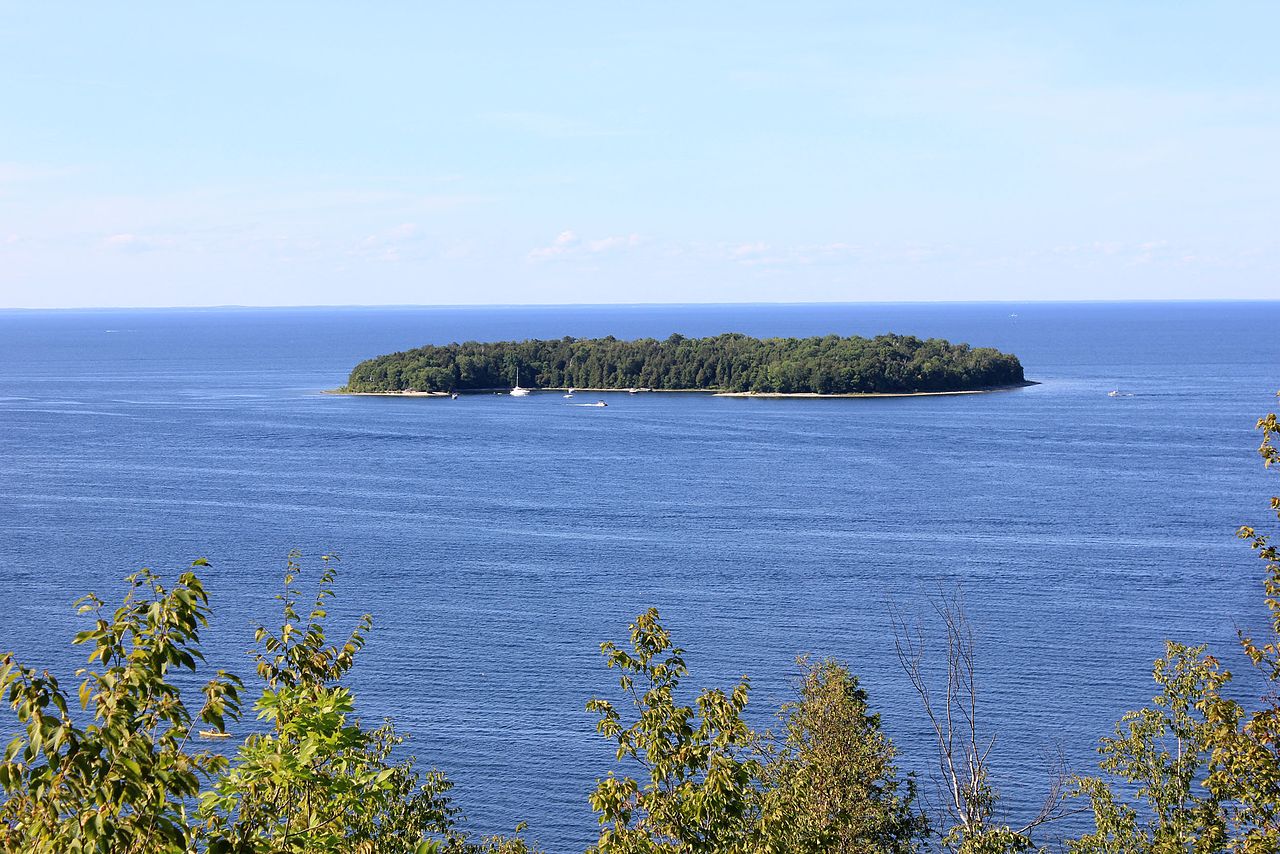
Three guests cross Door County’s story, and mixing them with a generic lake blend produces a miss. The repeat Chicago or Milwaukee household clears a week in a named village and wants the house they already know how to drive to. The blossom-weekend guest clears a spring event week and needs beds near the action without rewriting August as the peak. The fall-color or harvest-weekend guest clears a September or October stay that is village-specific, not a second summer. If your listing tries to catch every sidewalk person with one peninsula paragraph, you produce a confused ad that satisfies no one.
This page keeps the overnight people separate so copy, photos, and minimum stays can match who actually sleeps in Fish Creek, Ephraim, Egg Harbor, or Sister Bay. It sits beside theDoor County market report, theshoulder-season calendar, and the30-night remote stay. AirROI’s 2026-08-08 extracts lock four cells, not one peninsula number. Sister Bay clears $47,780. Egg Harbor, Fish Creek, and Ephraim are WATCH years. August is the peak in every cell. Personas are how you stop fighting that mix with one blend-up caption.
We do not manage Door County. The job here is language discipline for hosts who already know the clerk starts with the parcel and still write as if every visitor is a booking. Origin stacks are cell-dependent: Chicago then Milwaukee in Sister Bay and Egg Harbor, Milwaukee then Madison in Fish Creek, Madison then Milwaukee in Ephraim. Domestic share is about 99 percent. That is an overnight drive-market map with more than one length, and your copy should pick a primary person before the first photo carousel tries to recruit everyone on the peninsula.
Three guests, not a generic lake blend
Start with three labels and refuse a fourth invented extract. Repeat Chicago or Milwaukee week. Blossom-weekend guest. Fall-color or harvest-weekend guest. Lake Geneva language, a blended Door County cottage, and a fake winter carnival are not personas. They are geography and calendar errors. Door County is a 75-mile Lake Michigan and Green Bay peninsula with four core villages in this cluster. Fish Creek sits in Gibraltar. Ephraim, Egg Harbor, and Sister Bay are their own clerks. That place identity is the stage. The three guests are the cast.
A generic lake blend pretends the sidewalk visitor who never sleeps in the house is the same economic object as the household that books a Sister Bay week. It also pretends the blossom guest wants the same first photo as the October Sister Bay guest, or that Fish Creek September is interchangeable with Ephraim July. Searchers feel the blend in the first three lines. Underwriters feel it when your memo claims visitor volume without overnight conversion. Keep the three guests in separate sentences until your listing calendar forces a choice.
If you only love one guest, say so. A pure August-week house and a pure event-weekend house can both be honest. The failure mode is one gallery that sells blossom energy, harvest energy, and repeat-week energy as if they were the same person with different dates. Occupancy already prices empty nights into each cell: 38.3 percent in Sister Bay, 35.8 in Egg Harbor, 37.1 in Fish Creek, 44.3 in Ephraim. Personas are how you choose which overnight person you will chase inside those locks. Writing for a fourth invented person will not lift those lines by itself.
The repeat Chicago or Milwaukee week
The repeat week is the core person for much of the year, especially August. They come primarily from Chicago or Milwaukee in Sister Bay and Egg Harbor, and the Fish Creek cell leans Milwaukee then Madison. They already know the drive. They want the village they named, a house that sleeps the number you disclose, and a kitchen that works after a full outdoor day. Average stays sit near 3.5 nights in Sister Bay, 3.4 in Egg Harbor and Fish Creek, and 3.7 in Ephraim. Lead times average 93, 84, 96, and 95 days in that same village order, so many of these bookings are planned trips, not pure impulse one-nights.
Sell the village in the first line. Sell a real house, clean beds, and a morning that starts at the harbor you can actually walk. Do not sell Lake Geneva. Do not sell a blended Door County cottage. Peak month is August in every cell; that is when this guest is densest. Sister Bay’s year of $47,780 CLEARS is the only cleared year in the four. The other three remain WATCH even when this guest shows up in August. Repeat demand is not proof every listing prints the cell year in year one.
This guest still lives under village rules. Sister Bay still licenses stays under 30 days. Gibraltar paper covers Fish Creek. Egg Harbor and Ephraim run their own ordinances. Instant Book is limited in every cell, which already hints that many hosts screen. Repeat-week energy is not a reason to open every tire-kicker request without reading the party risk. Cleaning medians, $216, $250, $250, and $178 by village, still hit after a Friday-to-Monday turn. Group sleep math that ignores linen path and parking truth will erase the weekend after the last checkout.
The blossom-weekend guest
The blossom-weekend guest is a real spring person. They plan around Festival of Blossoms, want beds near village activity, and will pay for convenience when the house and the clerk allow the stay. Blossom week is not August. Do not rewrite the extract’s peak month because a poster is easier to sell than peninsula seasonality. Merchandise spring as intentional event demand with its own tier, house rules, and noise expectations. The year file still belongs to August. Sister Bay, Egg Harbor, Fish Creek, and Ephraim all print that peak.
This guest still needs a legal house. A busy blossom sidewalk does not convert into a listing the ordinance rejects. Sister Bay’s license remains after the four-bedroom definition was voided. Ephraim still renews on a November 30 clock with a $200 initial fee. Sell proximity to the village you actually pin. Do not sell a private festival ticket you cannot screenshot. Do not sell a second village as the bed. If the house sleeps a group, still post occupancy you will enforce when friends of friends appear with bags.
Festival attendance is not host revenue. Thetourism spending pagekeeps visitor-economy objects separate from AirROI locks. On this page, the blossom guest is simply a person with different dates and different guidebook needs. Peak August guests may never care about spring copy. Keep the calendars from fighting each other in the first line of the listing. A blossom weekend can book and still not become the extract’s peak map. Write spring as a week. Leave August as the year file.
The fall-color or harvest-weekend guest
The fall-color or harvest-weekend guest is village-specific, not a peninsula second summer. Sister Bay’s peak three include October. Fish Creek’s peak three include September. Egg Harbor and Ephraim keep July inside the peak three and do not hand you those same fall months as extract peaks. Merchandise Fish Creek September as Fish Creek September. Merchandise Sister Bay October as Sister Bay October. Do not write a generic harvest year and drop it on every village.
This guest still wants a named village, foliage or orchard country they can actually reach, and a house that holds a cool evening. They are not a reason to invent a second August. They are not a reason to blend the four years. Sister Bay can discuss a cleared $47,780 year that includes an October peak-three month. Fish Creek remains a $39,173 year even with September in the peak three. Origin stacks still apply: do not assume every fall guest is a Chicago first-timer if the cell prints Milwaukee or Madison first.
Keep event language honest. Fall color weekends exist. Harvest weekends exist. Neither replaces August, and neither is a license to treat every September Saturday as a cloned August rate without looking at the cell you own. House rules still matter when groups travel for foliage. Cleaning still happens at village medians. Thevisitor guidecan hand this guest a third-day orchard loop. This page only needs the persona: different dates, different first line, same legal gate. Name the village first, then the week.
Where the three overlap
All three guests want a named village, a real house, and a kitchen that works. All three are mostly domestic drive-market people. All three still have to fit the clerk. That is the overlap. The overlap is not a reason to write one caption. Shared amenities, beds, parking, a harbor you can walk, quiet hours, can appear in every draft. Shared blend-up geography cannot. Lake Geneva is not the overlap. A blended Door County cottage is not the overlap.
Calendar overlap is narrower than hosts hope. The repeat week is densest in August and in each village’s other peak-three months. The blossom guest is a spring week. The fall guest is September or October in the cells that actually print those months. January and February are not where these three overlap. That hole belongs to a different product length, which is why the remote page exists. Do not drag blossom or harvest language into February to force an overlap the extract did not print.
Photo overlap is the dangerous kind. A harbor exterior can serve all three overnight people. A blossom close-up cannot lead an August listing. A harvest orchard cannot lead a Sister Bay February month. Lead with the image the searching guest needs that week, then keep the rest of the set honest. Occupancy in the mid-30s to mid-40s already told you you cannot recruit everyone. Pick the person who matches the dates on the calendar you are trying to fill.
Photos and amenities that match the guest
Repeat-week photos prove the village, the house, and the recovery kitchen. Harbor, clapboard, and a table that seats the number you disclose matter more than a borrowed orchard if the parcel is a Sister Bay walk-to-village house. Blossom-weekend photos can show spring light and village streets without pretending spring is the extract peak. Fall-guest photos can show color and orchard country when that is the week you are selling, especially on a Fish Creek September or Sister Bay October calendar.
Amenities should match the person, not a generic lake package. The repeat week needs parking truth, a kitchen, and beds that survive a 3.4-to-3.7-night stay. The blossom and fall guests need the same house plus guidebook honesty about event crowds and hours you will not invent. If you also run a 30-night product, the desk and the heat become amenities for a fourth length, not a fourth extract. Do not add ice-fishing props to recruit a winter carnival guest this packet will not name.
Cleaning and quality already set a bar. Superhost share is 71.8 percent in Sister Bay, 71.6 in Egg Harbor, 69.4 in Ephraim, and 47.7 in Fish Creek. Median cleaning sits at $216, $250, $250, and $178. Guests from Chicago, Milwaukee, and Madison already have alternatives. A listing that photographs the wrong person will not be saved by a kayak you do not have or a Lake Geneva keyword you should not use. Match the first five photos to the guest you want this month.
What not to invent as a fourth extract
Leave out unverified a winter-sports extract. January and February are the hole. Ice-fishing and snowmobile language are not AirROI demand this packet will print. Leave out unverified a Lake Geneva guest and walk them north. Leave out unverified a Washington Island ferry commute with minutes attached. Leave out unverified a blended Door County year that averages Sister Bay’s $47,780 with the three WATCH cells. Leave out unverified a 15 to 20 percent discount persona who only books if you panic.
Leave out unverified a fourth overnight person out of sidewalk density. Destination Door County’s visitor-spend figure is a county economy object, not a booking persona. Leave out unverified a Sturgeon Bay guest and drop them into a Fish Creek listing; Sturgeon Bay is the county seat and a neighbor, not a slug in this four. Leave out unverified an Ephraim PRAT guest as if that proposal were enacted law. Leave out unverified a Sevastopol weekend guest on a new STR that must be six nights unless the owner occupies.
The remote month guest is a length, not a fourth extract peak. They belong on the remote page and in winter merchandising. They do not rewrite August, blossom week, or village-specific fall months. If you need a fourth sentence, write the clerk: Gibraltar, Ephraim, Egg Harbor, or Sister Bay. That is operations, not a persona you can photograph as a festival. January and February still sit in the hole even when a desk guest books. Do not promote that length as a second extract peak.
How this changes the listing in one pass
One pass is enough if you are willing to cut. Open the first line and put the village in it. Open the first five photos and keep only the set that matches the guest you are recruiting this month. Open the calendar and stop selling blossom copy on an August week, harvest copy on a February month, or Lake Geneva language on any Door County pin. Thehow to marketpage is the craft companion. This page is the cast list.
Then split the guidebook. Repeat-week pages point to the home village and the harbor. Blossom pages point to spring event logistics you can actually support, with a hedge to confirm hours. Fall pages point to color or orchard country without calling September a second August. Winter pages, if you run them, point to desk and heat and stay off invented sports. House rules stay constant: occupancy you will enforce, quiet neighbors will believe, and a cleaner who can reach the door at village-median cost.
Sister Bay can afford a clearer year conversation because $47,780 CLEARS. Fish Creek, Ephraim, and Egg Harbor cannot hide a confused persona blend behind a WATCH year. August is still the peak for all four. The three guests still have to fit that calendar. Change the listing in one pass so the right household self-selects. Crest & Cove does not manage Door County. We write the cast so a generic lake blend does not become your entire first screen.
Related Reading
More Door County, Fish Creek, Ephraim, Egg Harbor, and Sister Bay reading already live on Crest & Cove.
Door County Village Guide: Fish Creek, Ephraim, Egg Harbor, Sister Bay
How to Market a Door County Stay: Name the Village, Not the Peninsula
DIY vs Hire in Door County: Village Photos Against a Short Season
Door County Tourism Spending and STR Hosts: What $551.6 Million Measures
What It Actually Costs to Start a Legal Rental in Door County, WI
Financing a Door County House: DSCR on Village Files, Not One Peninsula Number
Frequently Asked Questions
Who actually books a Door County rental?
Three overnight guests matter for listing copy: the repeat Chicago or Milwaukee week, the blossom-weekend guest, and the fall-color or harvest-weekend guest. Origin stacks are village-specific, not a generic peninsula blend. Sister Bay and Egg Harbor print Chicago then Milwaukee, Fish Creek prints Milwaukee then Madison, and Ephraim prints Madison then Milwaukee. Write for the guest your own village actually attracts rather than a lake-blend persona.
Is Festival of Blossoms the peak season?
No. Festival of Blossoms is a spring merchandising week worth its own listing push, but it is not the peak month in any of the four villages. August is the actual peak month across Sister Bay, Egg Harbor, Fish Creek, and Ephraim. Sell blossom week as a distinct spring event stay rather than rewriting it as the year's busiest month.
Are fall color weekends a second summer in Door County?
Not exactly, and not identically across villages. Sister Bay's peak three includes October, and Fish Creek's peak three includes September, while Egg Harbor and Ephraim keep July in their peak three instead. Fall photos showing color and orchard country work well on the weeks a given village actually sells, but treating every village as a cloned August week misreads the calendar.
Is there a winter guest worth writing for in Door County?
January and February are the demand hole across the peninsula, and there isn't a confirmed winter-sports guest to build a persona around. A 30-night remote-work stay is a real length you can merchandise in that stretch, sold on desk space, heat, and quiet rather than an invented ice-fishing or snowmobile pitch. Keep winter marketing honest about what the house offers, not a costume for a guest the data doesn't show.
What photos should match each Door County guest type?
Repeat-week guests want to see the village, the house, and a working kitchen. Blossom-weekend photos can show spring light and village streets without implying spring is the peak season. Fall photos should show color or orchard country only on the weeks a village's data actually supports that push, and a harbor exterior can serve all three guests when styled simply.
Where do the three Door County guest types overlap?
All three want a named village, a real house, and a legitimate, licensed stay, and most are domestic drive-market travelers. That overlap doesn't mean one caption fits everyone; the calendar, first line, and first five photos should still pick a primary guest for the month you're selling. January and February fall outside where any of the three typically book.
How do I put this into a single listing edit?
Put the village name in the first line, and match your first five photos to the guest you're selling that month. Cut blossom-week language out of August listings, harvest language out of February listings, and drop any generic lake-town phrasing that could describe a different peninsula entirely. Split a longer guidebook by season if your listing serves more than one guest type across the year.
What should I avoid inventing as a fourth Door County guest?
Stick to the three confirmed guest types and resist inventing a fourth. Don't average a strong village's year with a softer one just to produce a rounder, more marketable number, and don't assume the blossom guest wants the same lead photo as an October fall-color guest. Keep each village's season and guest type on its own line.
Does a 30-night minimum actually fill the slow winter months?
A 30-night minimum is a platform filter, not proof of demand. Typical stays on this peninsula are still short trips, so setting a longer minimum doesn't automatically produce a booked winter calendar or a remote-work product you haven't actually photographed for. If you want that guest, build the listing around desk space and quiet and market it directly rather than assuming the filter alone will fill the month.
What do cleaning costs look like across Door County villages?
Cleaning medians vary by village, running roughly $216 to $250 in most of the peninsula's core villages, with one village nearer $178. Those figures still apply after a standard Friday-to-Monday turn, so budget cleaning against your specific village rather than a peninsula-wide average.
Work with Crest & Cove Creative
A Door County listing built for the repeat Chicago-week guest reads wrong to the blossom-weekend visitor checking dates in May. This market runs on three separate booking calendars, not one generic lake description.
We help independent Door County hosts write listing copy that matches blossom season, harvest weekends, and the repeat-guest calendar separately. Send your current listing and we'll show where the seasons blur.
Reach out at crestcove.co or (256) 998-7502.


Comments