
The Complete Visitors Guide to Salem, MA for Hosts

Every Salem host eventually gets the same string of guest questions: where should we eat, how far is the walk to the museum, is the Seven Gables worth the ticket price, what should we actually do on a rainy afternoon in February. This guide is built to answer those questions the way a knowledgeable host actually would -- specific, honest, and organized the way a guest experiences the city, not as a generic regional roundup with Salem's name attached to it.
The goal here is twofold: give hosts a genuinely useful reference to hand guests directly or draw from when writing a house guide, and mine it for the specific, concrete language that belongs in listing copy and photo captions. A guide this specific does more marketing work, indirectly, than another round of generic 'historic charm' language ever could.
This piece does not repeat the market data covered in this cluster's market report, and it does not repeat the rules covered in the compliance piece. It is squarely about what Salem offers a visitor -- the walkable core first, then an honest, clearly labeled note on nearby day-trip options -- current hours, reservations, and parking details should be verified fresh before being placed into any guest-facing material, since this guide reflects a snapshot rather than a live feed. Read it as a starting frame to adapt, not a finished document to copy verbatim into a house guide. This is not legal advice.
The Walkable Historic Core: Where Guests Should Start
Salem's downtown core is genuinely walkable, and most first-time guests do best starting there rather than renting a car for a short trip. The Peabody Essex Museum sits at the center of the city's cultural identity -- one of the oldest continuously operating museums in the country, with a collection spanning maritime history, Asian export art, and rotating contemporary exhibitions. A guest with even a half day should plan real time here, not a rushed walk-through; the collection rewards a slower pace.
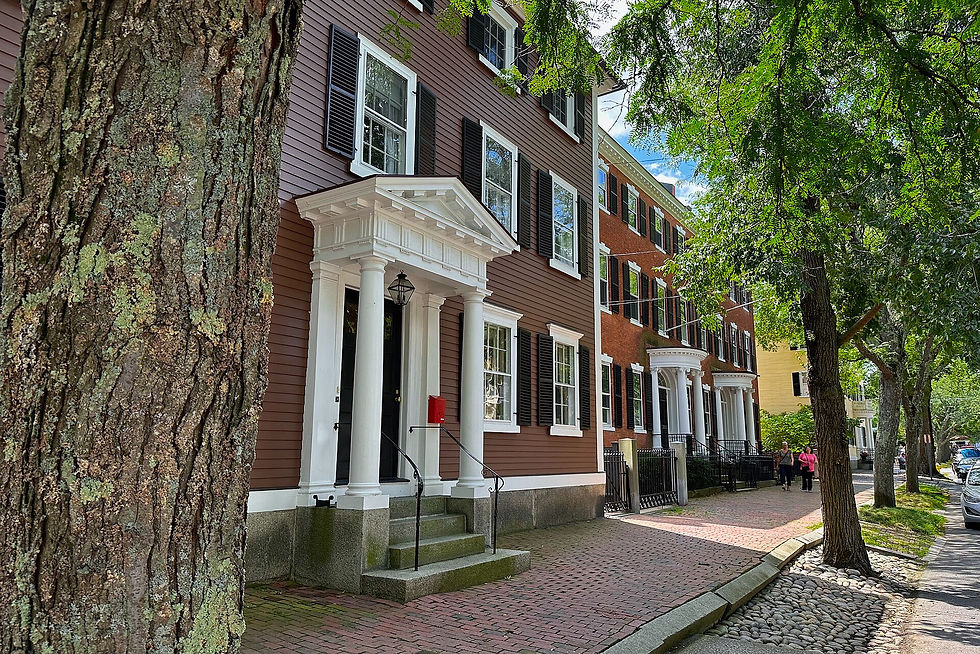
From the museum, the historic downtown radiates outward in an easily walkable pattern -- cobblestone streets, historic architecture, and a concentration of shops and restaurants within a compact footprint. Hosts should verify current hours and any timed-entry or reservation requirements directly on the museum's own site before including specifics in a guest-facing guide, since museum hours and ticketing policies can shift seasonally, especially around October's heavier crowds.
The House of the Seven Gables
The House of the Seven Gables -- the 1668 mansion that inspired Nathaniel Hawthorne's novel of the same name -- is one of Salem's most recognizable landmarks and a genuine draw for guests with a literary or historical interest, not just a photo-op stop. The site typically offers guided tours of the historic home alongside its waterfront gardens, and it sits within walking distance of the downtown core for a guest without a car.
As with the museum, current tour times, ticket pricing, and any seasonal hour changes should be verified directly on the site's own page before a host includes specifics in a guest guide. This is exactly the kind of detail that goes stale quickly if copied once and never revisited -- a house guide updated seasonally, alongside the shoulder-season and October marketing copy discussed elsewhere in this cluster, keeps this section accurate.
The Maritime and Witch-City Identity, Told Honestly
Salem's identity runs on two intertwined threads guests often want explained: its maritime history as a major colonial-era trading port, and the 1692 witch trials that gave the city its enduring 'Witch City' association. Both are real, historically significant parts of Salem's story, and a good guide treats them with the seriousness they deserve rather than reducing either to a costume-shop caricature.
For guests specifically interested in the witch trials history, several sites and museums in the downtown core address the topic with varying levels of historical depth and tone -- worth a brief, honest note in a guest guide that some options lean more toward serious historical interpretation and others toward a more theatrical, entertainment-oriented presentation, so a guest can choose based on what they're actually looking for rather than being surprised either way.
Getting Around Without a Car
A meaningful share of what makes Salem work for a short stay is that a guest genuinely does not need a car for the historic downtown core. Parking in the historic district can be limited and metered, and a host should note current parking realities honestly in a house guide -- including any nearby garage options -- rather than assuming a guest will simply find easy free parking near a downtown listing.
For guests arriving from Boston, Salem is accessible by MBTA commuter rail, which is worth mentioning directly for a guest without a car making the trip up from the city. Current schedules and fares should be verified on the MBTA's own site before being placed into a guest guide, since transit schedules shift periodically.
A Rainy-Day or Off-Season Plan
Guests visiting during Salem's softer months -- January through March on the AirROI extract this cluster's market report cites -- or simply facing a rainy day during any visit benefit from a host who has thought through an indoor-heavy plan in advance. The Peabody Essex Museum alone can fill several hours regardless of weather, and the downtown core's concentration of shops, cafés, and restaurants gives a guest plenty to do without needing to brave poor weather for long stretches between stops.
This is also where a host's honest, specific off-season copy -- covered in more depth in the shoulder-season piece in this sample -- pays off directly in the guest guide: a quieter Salem in February is a genuinely different, still-worthwhile experience, not a diminished version of the October visit, and a guide that frames it that way sets a guest up for a good visit rather than a disappointed comparison to what they might have expected from photos of the fall crowds.
The Neighbor Day Trip -- Labeled Honestly as a Day Trip
Some guests, particularly those staying multiple nights, ask about nearby towns worth a short visit. Marblehead, a short drive up the coast, offers a genuinely different harbor-town experience -- its own historic district and waterfront, distinct from Salem's museum-and-maritime identity. It is entirely reasonable for a host to mention Marblehead as a worthwhile half-day trip for a guest with extra time.
What matters is the label: a day trip, not an extension of the Salem stay itself, and not language that blurs the two towns together as though they were the same destination. A guest who came to Salem specifically, per the persona breakdown covered elsewhere in this cluster, chose this city on purpose -- a brief, honest mention of Marblehead as a separate, optional day trip respects that choice rather than diluting it.
Salem's Waterfront and Harbor Walk
Beyond the museum district, Salem's waterfront offers a genuinely different pace -- a working harbor with historic maritime ties, walking paths along the water, and views that connect directly to the city's colonial-era trading history covered inside the Peabody Essex Museum's collection. A guest who has spent a morning in the museum often appreciates an afternoon walking the actual waterfront the exhibits describe, connecting the indoor history to the physical place.
Hosts should verify current access points, any seasonal closures, and whether specific waterfront sites require tickets or reservations before including specifics in a guest guide. Like the rest of this piece, treat the waterfront section as a starting frame to be confirmed fresh, not a permanently fixed set of directions.
Where to Eat: General Guidance, Not a Static List
A house guide that includes dining recommendations is genuinely useful to guests, but a static list written once at launch ages poorly -- restaurants close, change hours, or change quality over time in ways a host may not notice unless they are actively paying attention. Rather than publishing a fixed list here that would go stale, the more durable approach is process guidance: recommend a small, current handful of downtown-core options within easy walking distance, verified recently by the host or a trusted local source, and revisit that list at least once a season alongside the rest of the guide.
This matters more in Salem specifically than in a market with less seasonal variation, since October's crowds can mean longer waits or temporary hour changes at popular downtown spots that do not apply the rest of the year. A guide that notes this honestly -- 'expect longer waits during October' -- sets more accurate guest expectations than a static recommendation list that doesn't account for the season a given guest is actually visiting in.
Building This Into the Listing's House Guide
The most practical use of this guide is directly inside a listing's house guide or welcome document -- organized the way a guest actually plans a trip: start with the walkable core and the museum, layer in the House of the Seven Gables and the maritime-and-witch-city context, note transit and parking realities honestly, and close with the clearly labeled Marblehead day-trip option for guests with extra time.
A guide this specific also directly informs listing copy itself, as covered in the how-to-market piece in this sample -- the same walkable-core language, the same honest seasonal framing, applied to the first photos and the listing description rather than just the guest-facing house guide. Treat this piece as source material for both.
Keep This Guide Current
Every specific detail in this piece -- museum hours, tour times, transit schedules, parking realities -- should be verified fresh before it goes into a live guest guide or listing description, and revisited at least once a season. Nothing here should be treated as a permanently fixed fact; hours and policies at any of these sites can and do change, particularly around the heavier demand of October.
A host who keeps this guide current, rather than writing it once at launch and letting it go stale, gives guests genuinely useful information and avoids the awkward moment of a guest arriving to find a recommended site's hours no longer match what the house guide says.
A Sample Two-Day Itinerary Framework
For a host who wants to give guests something more structured than a list of attractions, a simple two-day framework works well for a typical Salem stay: day one centered on the Peabody Essex Museum and the immediate downtown core, with an afternoon or evening walk through the historic district; day two built around the House of the Seven Gables, the waterfront, and any witch-trials-history sites the guest is specifically interested in, closing with a recommendation to check current hours before finalizing the day's order.
This is a framework, not a fixed script -- a guest with three or four nights has room to add the Marblehead day trip, a rainy-day museum-only day, or simply a slower, less scheduled pace. Presenting it as a flexible starting point, rather than a rigid itinerary the guest must follow, respects that different guests want different amounts of structure from a house guide, and it gives a host a simple template to adapt season to season as hours and events change. A host can build a second, October-specific version of the same framework once the shoulder-season and October-specific marketing pieces in this sample are in place.
Related Reading
More The Complete Visitors Guide to Salem, MA for Hosts host reading on desks, calendars, and listing clarity.
Frequently Asked Questions
What should a guest do first in Salem?
Start with the walkable historic downtown core and the Peabody Essex Museum, which sits at the center of the city's cultural identity. From there, the compact, walkable footprint makes it easy to reach the House of the Seven Gables and the rest of the historic district without a car.
Is the House of the Seven Gables worth visiting?
For guests with a literary or historical interest, yes -- it's the 1668 mansion that inspired Hawthorne's novel, typically offering guided tours and waterfront gardens within walking distance of downtown. Verify current tour times and pricing directly on the site's own page before including specifics in a guest guide.
Does a guest need a car to visit Salem?
Not for the historic downtown core. Salem is genuinely walkable, and parking in the historic district can be limited and metered. Guests arriving from Boston can also reach Salem via MBTA commuter rail -- worth noting directly for guests without a car.
What should guests do in Salem during the quieter winter months?
The Peabody Essex Museum and the concentration of shops, cafés, and restaurants in the walkable downtown core work well regardless of weather. A quieter Salem in January or February is a genuinely different, still-worthwhile visit -- not a diminished version of an October trip.
How should a house guide handle Salem's witch-trials history?
With the seriousness it deserves, while being honest that different sites and museums vary in tone -- some lean toward serious historical interpretation, others toward a more theatrical presentation. A brief, honest note helps guests choose based on what they're actually looking for.
Should I recommend Marblehead to my Salem guests?
It's reasonable to mention as an optional day trip for guests with extra time, since it offers a genuinely different harbor-town experience. Label it clearly as a day trip, not an extension of the Salem stay, to respect that guests chose Salem specifically.
How often should a Salem house guide be updated?
At least once a season. Museum hours, tour times, transit schedules, and parking realities can all shift, particularly around October's heavier demand. A guide written once at launch and never revisited risks giving guests outdated information.
Can this visitors guide help with listing marketing too?
Yes. The same walkable-core language and honest seasonal framing used in a guest-facing house guide directly informs listing copy and photo captions, as covered in the how-to-market piece in this sample. Use this guide as source material for both.
Is Salem walkable enough for a car-free weekend stay?
For the historic downtown core and its main attractions, yes. A guest focused on the museum district, the House of the Seven Gables, and downtown dining can reasonably manage without a car, particularly if arriving by MBTA commuter rail from Boston.
What makes this different from a generic regional Massachusetts guide?
This guide walks guests through Salem specifically -- the museum, the historic core, the maritime-and-witch-city identity -- rather than folding it into a broader North Shore or Massachusetts overview. A guide that leads with Salem's own identity, with Marblehead clearly labeled as a separate day trip, serves guests who chose this city on purpose.
Work with Crest & Cove Creative
A house guide that folds Salem into a generic 'North Shore getaway' overview shortchanges guests who chose this specific, walkable museum-and-maritime city on purpose. Name the failure mode the guest can check on the listing.
If your listing's guest materials or marketing copy still read generically instead of specifically Salem, we help hosts turn a guide like this into sharper photos, copy, and positioning. Name the failure mode the guest can check on the listing.
Reach out at crestcove.co or (256) 998-7502.


Comments