
Digital Features, Roundups, and “Best Of” Lists Ethics

Updated: Aug 27
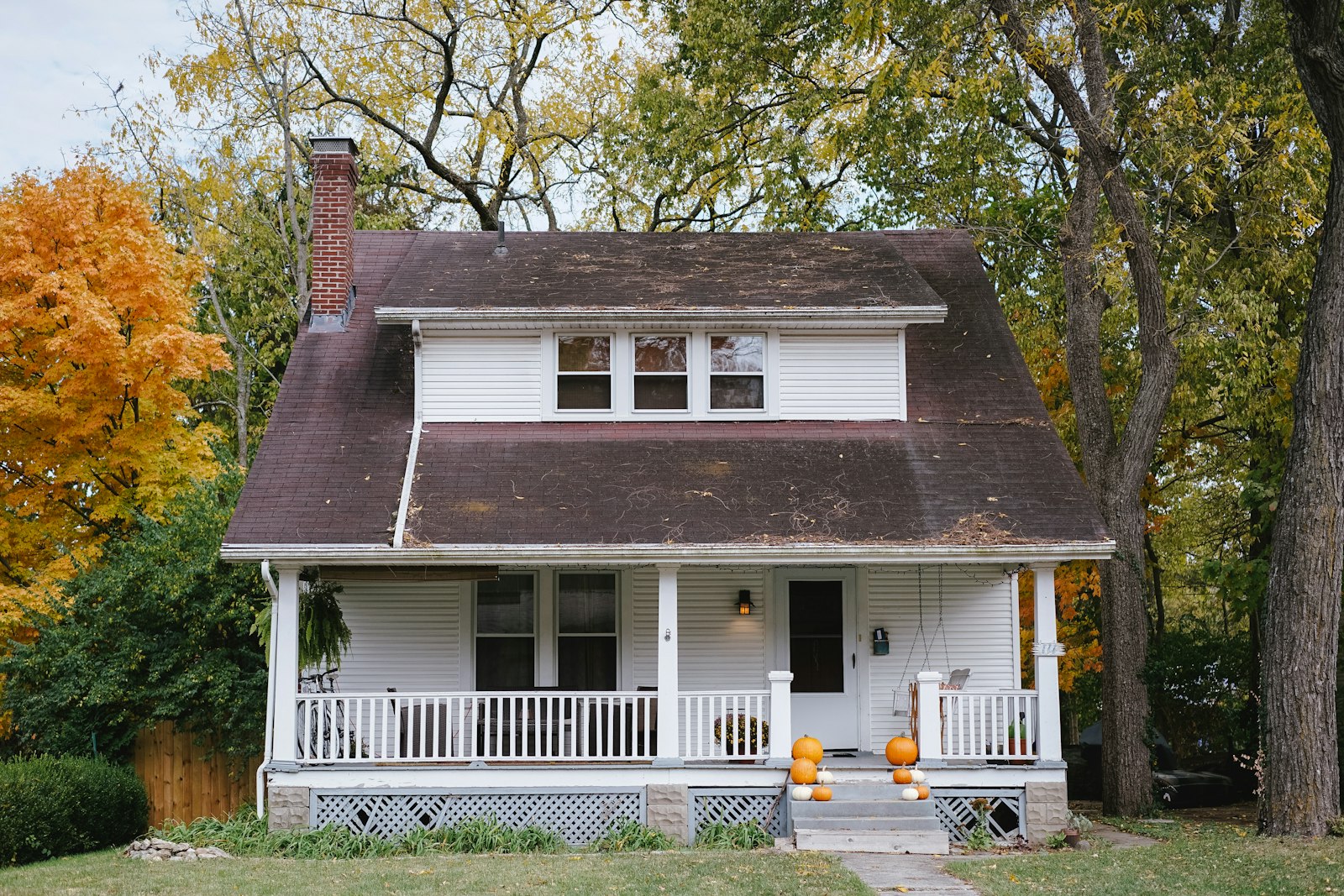
A local blog runs a "best cabins near the lake" roundup and includes your listing. A regional publication asks to feature you in a digital roundtable on weekend getaways. A guest posts a glowing mention in a Facebook group that gets screenshotted and reused as social proof. Each of these is a version of the same question: what can a host honestly do with a feature, a roundup mention, or a best-of placement, and where does citing it start to promise something the actual stay cannot keep.
This page is not legal advice, and it will not tell you what a specific advertising, endorsement, or disclosure law requires in your state or for your specific arrangement with a publication - that question belongs with a qualified professional the moment money, free stays, or a formal partnership are involved. What this page can do is lay out the plain ethical logic: a feature is only worth having if it points a guest toward something the listing can actually deliver, and every anti-pattern below comes back to that one test.
None of what follows guesses at a ranking algorithm, a traffic lift from being included in a roundup, or a fee schedule a publication might charge. Digital features, press mentions, and best-of lists are a real and useful part of an independent host's marketing mix, and they are also one of the easiest places for a listing to start claiming more than it can back up. This is not legal advice.
A Feature Is Worth Having Only if the Listing Can Keep the Promise
The test for any feature, badge, or roundup mention is simple to state and easy to skip in practice: does citing this on your listing point a guest toward a fact they can verify once they arrive, or does it borrow credibility for something the house does not actually deliver. A "featured in [publication]" badge sitting next to a listing that has not been updated to reflect what earned the mention fails that test immediately.
This matters most when the feature itself made a specific claim - "best hot tub view in the county," "most pet-friendly cabin on the lake" - and the listing photos or description have since changed, or never quite matched the claim to begin with. A guest who books because of that specific claim is going to check for it, and its absence reads as a broken promise even if the feature itself was earned honestly.
The safest use of any outside mention is to treat it as a pointer back to something the listing already states in its own words, not as a replacement for stating it. If a roundup calls your place "the best value stay in town," the listing itself should already make the value case in its own pricing and amenity copy - the badge should confirm what a guest can already see, not substitute for it.
None of this means declining every feature opportunity that comes along. It means reading each one against the same question before accepting or citing it: can this house, as it exists today, actually deliver what this mention implies to a guest who takes it at face value.
What a Host May Reasonably Accept Without Overpromising
A feature that describes something objectively true and currently accurate - a specific amenity, a specific location advantage, a specific guest-facing fact - is safe to accept and cite as long as it stays current. "Only cabin on this road with private lake access" is the kind of claim a host can verify is still true before repeating it anywhere.
A roundup inclusion based on the publication's own criteria, where the host had no input into the wording, still needs the same check before it gets repeated on the listing or in marketing. Being included is not the same as endorsing every word the publication used to describe you, and a host who reposts the mention verbatim is implicitly vouching for language they may not have chosen.
Unpaid, editorially independent mentions carry different ethical weight than a paid placement or a mention that came with a free stay attached. That distinction is not about which one is more flattering - it is about what a guest is entitled to know if the connection between the host and the feature was anything other than an independent writer's own judgment.
When a publication or platform requires a specific disclosure - a "sponsored" tag, an affiliate note, a "hosted stay" mention - that requirement is the publication's call to make, not the host's to negotiate away. A host who asks a publication to drop a required disclosure in exchange for a more favorable placement is asking for exactly the kind of undisclosed relationship that erodes trust once a guest figures it out.
Five Ways a Feature Turns Into a Broken Promise
Citing a feature after the fact the feature was based on has changed - the amenity was removed, the price went up, the view is now blocked by construction - and leaving the reference up anyway is the most common and most avoidable failure. A dated feature needs a dated check: if a season has passed since the mention ran, reread it against the current listing before using it anywhere new.
Accepting a paid or sponsored placement without disclosing the arrangement, then presenting it as independent editorial recognition, misleads a guest about why the mention exists at all. The problem is not that paid placements exist - it is presenting a paid arrangement as if it were earned recognition, which a guest has no way to detect from the listing alone.
Requesting language for a roundup entry that overstates what the house delivers - asking to be called "the most luxurious stay in the region" when the amenities do not support that claim - puts words in a publication's mouth that the host, not an independent writer, actually chose. That is a host-authored overclaim wearing the credibility of independent coverage.
Reusing an old feature's specific claims in new marketing without checking whether they are still accurate treats a one-time mention as a permanent fact, when the underlying reality of a house - what is in it, what it costs, what the view looks like - changes over time in ways a years-old article never gets updated to reflect.
Treating inclusion in a large, generic "best of" roundup as equivalent to a specific, substantive feature overstates what a listicle mention actually means. A house that is one of forty entries in a broad regional roundup earned a much smaller credibility boost than one that received a dedicated, substantive write-up, and presenting the two as equally weighty is a subtle form of the same overclaim.
The Composite Failure: A Badge That Outlives the Fact That Earned It
The pattern worth watching for directly: a host displays a "featured in" badge or repeats a roundup claim on the listing for years after the underlying fact changed, while nothing in the current photos or description confirms it anymore. A guest who books because of that badge and then cannot find the feature it references anywhere on arrival experiences exactly the kind of gap that erodes trust fastest, because it was presented as evidence, not opinion.
This failure is especially easy to fall into because a badge or a press mention feels like a permanent asset once it is earned - unlike a listing description, which most hosts remember to update, an external credibility marker often gets set once and forgotten. The fix is treating any cited outside mention with the same update discipline as a listing photo: reread it, confirm it, or retire it on a schedule.
The honest version of this practice is straightforward: keep only the features and mentions that still describe something true today, retire anything that no longer applies, and never let an old badge do work that the current listing copy should be doing on its own. A guest should be able to verify the substance behind any claim you display, not just trust that it was once true.
When a Feature Is Genuinely Enough on Its Own
A feature is doing its job when it simply confirms what a guest can already see elsewhere on the listing - the same amenity, the same price range, the same location fact - stated independently by someone with no stake in the booking. At that point, no further marketing is required around it; the mention speaks for itself precisely because it agrees with everything else a guest can check.
If a roundup or press mention is accurate, current, and disclosed the way the publication requires, the correct move is often simply to link to it or reference it briefly, rather than building an entire campaign around a single external validation. Over-leaning on one mention can create the appearance that it is the only credibility a listing has, which invites more scrutiny than a quieter, confident reference would.
Stop adding new promotional language around an existing feature once the listing itself already makes the same case in its own words. A guest reading three different places that all say the same true thing about your hot tub gets diminishing value from the third mention - better to spend that attention confirming the fact is still accurate than repeating it a fourth time.
A Worked Example: Citing a Regional Roundup Without Overclaiming
Say a regional travel site includes your listing in a "ten best weekend cabins" roundup, unpaid and editorially independent, with a specific line praising your screened porch and lake view. The honest way to cite this: a short, accurate reference - "named one of the region's best weekend cabins by [publication], with a specific mention of the porch and lake view" - placed where a guest can also see current photos of that exact porch and view.
The anti-pattern version of the same situation: dropping a generic "featured in [publication]" badge on the listing without the specific detail, letting a guest assume the entire roundup was somehow specifically about your listing rather than one of ten entries, and leaving the badge up two seasons later after the porch furniture has been replaced and no longer resembles the photo the article used.
The difference between the two versions is not the underlying fact - the feature is real either way. The difference is whether the citation stays tied to the specific, verifiable claim the feature actually made, and whether that claim is kept current as the house changes. That discipline costs a few extra words and an occasional recheck; the alternative costs trust the first time a guest notices the mismatch.
Where This Page Stops and a Professional Should Start
This page will not tell you what disclosure a specific paid placement, affiliate relationship, or sponsored feature legally requires - that depends on the platform, the publication's own policies, and rules that vary by situation in ways a general marketing page cannot track. Any arrangement involving payment, a free stay, or a formal partnership in exchange for coverage should be reviewed against the actual applicable requirements, not assumed safe because it is common practice among other hosts.
It also will not tell you how to negotiate terms with a publication, what a fair rate for a sponsored feature looks like, or how a specific roundup's inclusion criteria work - those are business and editorial questions outside what a marketing-ethics page can answer responsibly. What this page can do is keep the marketing-facing question clear: once a feature exists, cite it in a way that stays true to what it actually said and what the listing can actually deliver, and update or retire it the moment either one changes.
Related Reading
More independent-host PR, press, and digital-feature reading already live on Crest & Cove.
Frequently Asked Questions
Is it ever okay for a host to write their own roundup entry and submit it to a publication?
It can be, as long as the publication is transparent with its own readers about how entries were sourced - many regional roundups do accept host-submitted write-ups and disclose that openly. What crosses the line is a host writing language that overstates the property and hoping the publication's own editorial credibility will make an inflated claim look independently verified when it was not.
How should a host handle a feature that included a factual error, like the wrong number of bedrooms?
Contact the publication and ask for a correction first, since that protects both the host and any future guest who relies on the article. If a correction is not made promptly, the safer move is to stop citing that specific feature on the listing until it is fixed, rather than repeating a claim you already know is wrong just because an outside source happened to publish it.
Does a guest's own social media post about a stay count as a feature a host can cite?
Yes, with one condition: ask the guest's permission before reusing their words or photos publicly, even if the post was public to begin with. A guest's spontaneous praise is genuine social proof, but repurposing it without asking turns a compliment into content the guest never agreed to have used that way, which is a different kind of trust problem than an inaccurate claim.
What is the actual harm in leaving an outdated 'as featured in' badge on a listing?
The harm shows up the moment a guest who booked partly because of that badge cannot find any trace of what earned it - the amenity is gone, the price has moved, or the specific praise no longer applies to the house as it exists today. At that point the badge has stopped functioning as evidence and started functioning as a claim the current listing cannot back up, which is exactly the gap that produces a disappointed review.
Should a host ever turn down a feature opportunity?
Yes, if accepting it would require presenting a paid arrangement as independent recognition, or if the publication wants to describe the property using language the house cannot actually support. Turning down a flattering but dishonest framing protects the listing's credibility more than the exposure from an inflated feature would ever be worth.
How does a 'best of' listicle inclusion differ from a dedicated feature article, in terms of what a host can claim?
A dedicated article with specific, substantive praise supports a more specific citation than a listicle entry that is one of dozens with a single generic sentence. Presenting a brief listicle mention with the same weight as a full feature overstates what actually happened, even though technically both are real, published mentions of the property.
What should a host do if a publication asks for a free stay in exchange for a feature?
Treat that as a paid-adjacent arrangement that likely requires disclosure under the publication's own editorial standards, and confirm with the publication how they plan to handle that disclosure before agreeing. This is exactly the kind of situation where a host should not assume industry-common practice is automatically compliant, and where a specific question to a qualified professional may be worth asking if the arrangement is ongoing or significant.
Is there a simple rule of thumb for whether a feature is safe to keep citing?
Reread the specific claim the feature made, then walk through the listing today and check whether a guest could independently verify that same claim right now. If the answer is yes, the citation is still doing honest work; if the amenity, price, or detail the feature praised has changed, retire the citation or update the surrounding listing copy until the two agree again.
Work with Crest & Cove Creative
A best-of badge or a roundup mention only earns its place if the listing can still back it up on an ordinary Saturday. Guests check the claim against the house, not against how flattering the headline sounded.
Work with Crest & Cove Creative to audit which features, badges, and roundup mentions your listing still honestly supports. Send us the live listing and the mentions you want to keep, and reach out at crestcove.co or (256) 998-7502.
Reach out at crestcove.co or (256) 998-7502.


Comments