
DIY vs Hire STR Marketing for Washington-Oregon Hosts

Updated: Aug 27
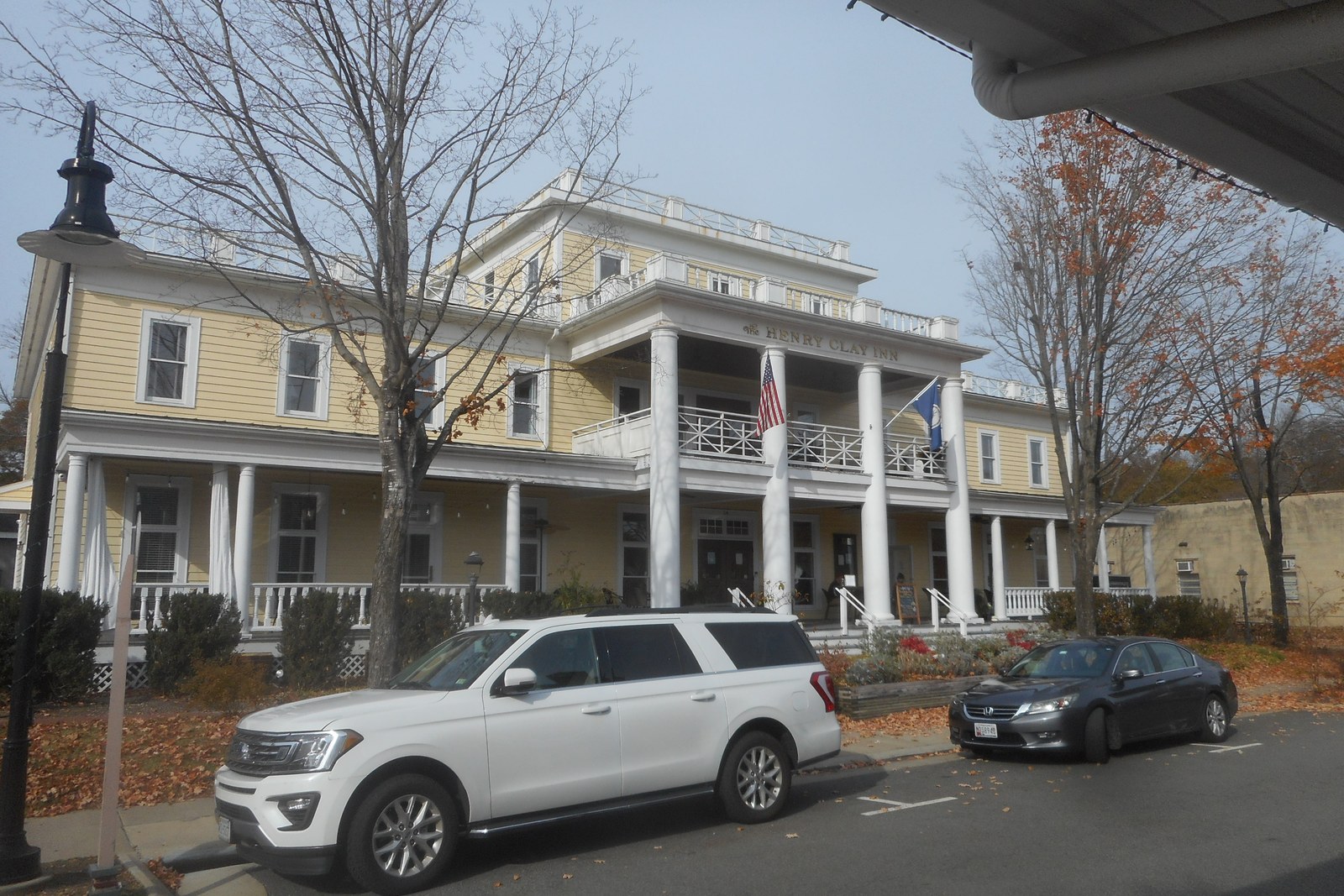
Washington and Oregon pack a genuinely wide range of short-term rental market types into two neighboring states: Leavenworth's Bavarian-village mountain identity, coastal towns like Cannon Beach and Ocean Shores running on a different rhythm than the interior, Bend's high-desert outdoor-recreation base in Central Oregon, and San Juan Islands or Puget Sound-area listings running on their own maritime calendar. Marketing copy that treats 'Pacific Northwest getaway' as a single identity flattens exactly the town-level specificity that makes any of these listings actually compelling to the guest searching for them.
This page does not cite a specific published year, ADR, or occupancy figure for any individual Washington or Oregon town, because no town-specific data accompanies this page -- guessing a number for Leavenworth, Cannon Beach, Bend, or any other market here would be exactly the kind of guessed statistic this whole series refuses to produce. What follows is a framework for the DIY-versus-hire decision that works town by town, built around each market's own actual identity and season.
The throughline: know your own town's actual defining feature -- mountain, coast, high desert, island -- and its actual peak season before spending on marketing polish, and never let a neighboring Pacific Northwest town's identity bleed into your own listing's story just because both states share a border and a generic regional label. This is not legal advice.
Washington and Oregon's Markets Do Not Share One Identity
Leavenworth's entire marketing identity is built around its themed Bavarian-village downtown, a genuinely unusual and specific draw that has almost nothing in common with Bend's high-desert, outdoor-recreation-base identity a few hundred miles south, or with a coastal Oregon town's beach-and-storm-watching draw. Grouping all three under generic 'Pacific Northwest' language erases the exact specificity that makes each one legible to the guest actually searching for that particular experience.
This distinction matters for who actually books a specific listing. A guest searching for Leavenworth wants that town's specific themed-village experience; a guest searching for Cannon Beach wants a specific coastal experience; a guest searching for Bend wants a specific high-desert outdoor base. Listing copy that blurs these identities into one generic regional pitch risks failing to clearly answer any of these specific searches.
The DIY-versus-hire question has to start from this town-level reality. A host who can specifically and honestly describe their own town's actual defining character -- not a generic Pacific Northwest mood -- has a real advantage over a template built to sound good across the whole region without describing any single part of it precisely.
Start After the Listing Already Matches Arrival
Before any marketing spend makes sense, the listing's title, photos, about section, and house rules need to already match what a guest actually experiences on arrival: parking, access instructions -- particularly relevant for coastal towns with tide-dependent beach access or mountain towns with seasonal road conditions -- quiet hours, and whether the first photo accurately reflects the current property.
This ordering matters with particular force on the coast, where tide tables genuinely affect whether a specific beach access point is usable at a given time, and in mountain or high-desert towns where winter road conditions can be a real, dateable concern. Fixing those operational gaps -- an honest note about tide-dependent access, or winter driving conditions -- is free DIY work that should happen before any paid marketing polish.
Once operational basics are solid, the marketing question becomes worth asking: does this listing's identity and photography match what this specific town's actual character and competitive market reward, or does it read like generic Pacific Northwest language that could describe several other towns across two states.
Write to the Guest Questions Already in Your Inbox
Regardless of which Washington or Oregon market a listing sits in, the guest questions arriving in the inbox are the clearest signal of what the listing's public copy currently fails to answer. Parking, access instructions including any tide or seasonal-road dependency, quiet hours, and whether current photos reflect the property accurately are the recurring categories worth auditing before considering hired help.
A listing that answers these clearly in its public fields reduces repetitive inbox traffic and signals reliability at the exact moment a guest is comparing several similar-sounding regional listings. A listing that leaves them vague generates both more inbox work and more guest hesitation in an already crowded Pacific Northwest search category.
This is DIY work any host can complete without design or copywriting expertise: review the last twenty guest messages, note which questions repeat, and confirm the listing's public fields already answer each one. That single pass often resolves more real friction than an ambitious marketing overhaul would.
One Finished Change Beats a Wider, Unfinished Plan
A host planning a full marketing refresh -- new photography for every season, a content calendar, seasonal promotional copy -- often ends up with several unfinished projects and no single completed change a guest actually experiences differently. Finishing one genuinely useful update this week, and confirming it actually reduced a specific inbox question or improved inquiry conversion, beats a comprehensive plan still sitting in draft form.
This discipline matters heading into a specific town's actual peak window -- summer for most coastal and high-desert outdoor markets, a distinct winter draw for mountain towns with actual snow activities. A single honest, accurate, well-photographed update to the listing's opening screen, timed to precede the relevant booking surge, often closes more of the real gap than a broader plan finished too late to matter.
Date each change when it goes live, and watch the next round of inquiries to see whether the specific gap it targeted actually closed. A change that does not demonstrably shift guest behavior within a reasonable window was not the right fix, regardless of how much effort went into it.
Five Anti-Patterns That Recur Across This Region
The first anti-pattern is chasing vanity metrics without any connection to actual booking behavior or sourced local data. The second is pausing guest-facing work to build an elaborate regional marketing plan, which recreates the same inbox-delay problem the plan was meant to solve.
The third anti-pattern is ignoring accuracy complaints while an aggregate rating looks stable, missing that a narrower complaint category -- tide-access confusion on the coast, or winter-road surprises inland -- is rising underneath. The fourth is measuring success by how polished a listing looks rather than whether guest inquiries cite accurate information and convert into bookings.
The fifth is reusing stock or borrowed photography that shows a generic evergreen forest, a generic gray-sky coastline, or a generic mountain silhouette instead of the specific, verifiable view or feature from the actual property. A guest comparing several similar-sounding regional listings can often spot recycled or stock imagery faster than they consciously register it, and a listing that leans on it reads as less trustworthy even before a guest reaches the written copy.
What DIY Can Finish, and What a Named Gap Looks Like
A host can independently rewrite the listing's opening identity to name the actual town and its real, verifiable defining feature -- the specific mountain range, the specific stretch of coast, the specific high-desert trail system -- rather than generic Pacific Northwest language; reorder the first five photos to lead with accurate, current, season-appropriate images; and write an honest calendar note reflecting that market's real peak and soft seasons, confirmed from the host's own booking history.
A named gap worth paying to fix looks like this: the listing's copy or photography could sit unchanged on a different Washington or Oregon town's listing, the calendar language ignores that town's actual seasonal pattern in favor of generic year-round claims, or there is a specific identified weakness -- outdated photos, an unclear tide or road-access description, a title that buries the actual town -- the host has tried and failed to fix.
A vague brief like 'we need more bookings' invites an agency to apply a generic regional template rather than solving this listing's specific problem. A specific brief -- 'guests keep asking about tide access and our photos don't show it' or 'our title doesn't mention we're in Leavenworth specifically' -- gets a specific, evaluable deliverable instead of generic regional filler.
Hire Against a Specific Gap, Never Against a Vague Feeling
The clearest reason to hire help in any Washington or Oregon market is a specific, nameable deficiency the host has identified and cannot or will not fix personally -- not the size of the marketing budget a nearby listing appears to be running. A property in a quieter town spending far less on paid promotion than a heavily advertised competitor is not automatically under-marketed; it may simply be serving a smaller, more specific audience that does not require the same reach to fill its calendar. Professionally managed listings exist across most of this region in some proportion, but their presence alone is not evidence any specific independent listing needs matching marketing spend.
A useful hire brief requires the same specificity this framework has argued throughout: name the actual town and its actual defining feature, require town-specific research rather than a reused regional Pacific Northwest template, and require any deliverable to be something that could not simply be pasted onto a different regional listing without a reader noticing the swap.
Watch the actual result. A hired deliverable that reads well but does not change what guests ask about, does not improve inquiry-to-booking conversion, or does not address the specific gap named in the brief has not earned its cost, regardless of how polished the finished photography or copy looks.
Permit and Registration Variation Across Two States Is a Real Constraint
Short-term rental registration and permitting requirements vary not just by town but by state across this region -- Washington and Oregon each have their own baseline framework, and individual counties and municipalities within each state have frequently adopted their own additional requirements, including outright restrictions in some coastal and resort-adjacent jurisdictions. This variation directly constrains what a listing can honestly promise and how any hired agency should scope a campaign.
Confirm current local requirements directly with the relevant county or municipal office before finalizing marketing copy that implies a specific operating status. This is not legal advice -- specific permit questions belong with a qualified local official or professional, not inferred from general regional knowledge that may not reflect a specific town's current rules, especially given how actively some Washington and Oregon coastal jurisdictions have revised STR policy in recent years.
An agency proposing marketing work without first confirming a listing's actual permit and registration status across the correct state and county is skipping a step that could make resulting copy inaccurate or, in more restrictive jurisdictions, actively risky. A brief for hired help should require this confirmation up front, and DIY work benefits from the same discipline.
Tide Tables Are a Real Operational Detail, Not Marketing Color
For coastal Washington and Oregon listings, tide-dependent beach access is not a scenic detail to mention in passing -- it is an operational fact that directly affects whether a guest can actually reach a specific beach feature at a given time during their stay. Listing copy that shows a stunning low-tide photo without noting that the feature is inaccessible at high tide sets a guest up for a real, avoidable disappointment.
This is precisely the kind of specific, verifiable detail that separates genuine local knowledge from generic coastal marketing language. A host who actually lives near or regularly visits the property can write an honest tide-dependency note in minutes; a hired agency without that direct familiarity is more likely to default to generic 'stunning coastal views' language that skips the operational detail entirely.
Writing this kind of detail accurately is free DIY work, and it is exactly the kind of specificity this framework has argued protects guest trust across every regional variant covered here -- mountain driveways, lake access, tide tables, all the same underlying discipline applied to a different physical reality. A single sentence noting the actual tide dependency, placed near the relevant photo rather than buried in house rules, does more for guest trust than an entire paragraph of scenic description.
Wildfire Season and Smoke Are Worth Addressing Honestly in Some Markets
Parts of both Washington and Oregon, particularly Central Oregon and areas near forested mountain terrain, have experienced wildfire smoke affecting air quality and outdoor activity during portions of recent summers. A listing in an area where this has genuinely occurred should consider whether and how to address it honestly, rather than ignoring a topic guests researching the area may already be asking about.
This does not mean every listing needs extensive wildfire disclosure language -- it means a host in an affected area should have a plain, honest answer ready if a guest asks, and should avoid marketing copy that implies guaranteed clear skies and pristine air quality every single day of a specific season if that has not reliably been the case. This is not legal advice regarding disclosure requirements, which vary by platform and jurisdiction; confirm current requirements with the relevant platform or a qualified professional. A host who addresses this honestly upfront, when relevant, generally fares better with guest trust than one who lets a guest discover the topic through outside research after already booking.
Related Reading
More independent-host reading on honest listing copy, distribution, and when hiring help is worth it.
Frequently Asked Questions
Do Washington and Oregon share a single short-term rental market identity?
No. Leavenworth's themed Bavarian-village identity, Bend's high-desert outdoor-recreation base, and coastal Oregon towns' beach-and-storm-watching draw are genuinely different experiences with different guest searches behind them. Grouping them under generic 'Pacific Northwest' marketing language fails to clearly answer any specific search.
What should a Washington or Oregon host fix before considering marketing help?
Operational basics that matter especially in this region: tide-dependent beach access notes for coastal listings, winter road-condition notes for mountain or high-desert listings, quiet hours, and whether current photos accurately reflect the property. These need to be solid before any marketing spend makes sense.
Does this page cite specific revenue or occupancy figures for Washington or Oregon towns?
No, and it will not invent any. No town-specific published data accompanies this page, and estimating a number for Leavenworth, Bend, Cannon Beach, or any other market here would be an unsourced guess. Use that specific town's own actual, sourced published data for any revenue conversation.
What is the most common anti-pattern specific to marketing across this region?
Leaning on a generic 'Pacific Northwest' brand identity rather than naming the actual town and its actual specific draw. A listing that could describe Leavenworth, Bend, or a coastal Oregon town equally well is not actually describing any of them clearly to the guest who searched for one specific place.
When does hiring marketing help make sense for a Washington or Oregon host?
When there is a specific, nameable gap the host has identified and cannot fix personally -- photography missing the actual defining feature, a title burying the real town, copy that could describe a different regional town unchanged. A general sense that more heavily marketed towns must be outperforming a quieter listing is not, by itself, a reason to hire.
How should a host evaluate whether a marketing agency understands their specific Washington or Oregon market?
Ask whether their proposal names the town's actual defining feature, actual peak season, and actual permit environment -- not generic Pacific Northwest language. A deliverable that could be pasted onto a listing in a different regional town without anyone noticing signals a reused template, not town-specific research.
Do STR permit rules differ between Washington and Oregon, and within each state?
Yes -- both states have their own baseline frameworks, and individual counties and municipalities within each, particularly in coastal and resort-adjacent areas, have frequently adopted additional requirements or restrictions. Confirm current rules directly with the relevant county or municipal office rather than assuming regional consistency. This is not legal advice.
What guest questions should Washington and Oregon listing copy prioritize answering?
The ones already arriving in the host's inbox, which in this region often include tide-dependent beach access for coastal listings and winter road conditions for mountain or high-desert listings. Answering these clearly in public listing fields reduces guest uncertainty and prevents arrival-day surprises.
Does professional management being present in a Washington or Oregon market mean independent hosts need to hire help to compete?
Not automatically. Professionally managed listings exist in varying proportions across this region, but their presence alone does not prove any specific independent listing needs matching marketing spend. Independent hosts competing on accurate, specific, current listing information can perform well without assuming professional management is unbeatable.
What should a written brief for hired Washington or Oregon marketing help require?
Town-specific research rather than a reused regional Pacific Northwest template, an explicit statement of the actual named gap being addressed, and calendar language respecting that specific town's real seasonal pattern. Reject any draft that could sit unchanged on a listing in a different Washington or Oregon town.
Work with Crest & Cove Creative
Leavenworth's Bavarian-village identity and Bend's high-desert outdoor base share a state border and nothing else -- a Pacific Northwest marketing template built for one misses what actually makes the other's listings work. Name the failure mode the guest can check.
Tell us your specific Washington or Oregon town and its actual defining feature, and the specific gap in your listing -- tide-access confusion, a title that could describe five other towns, calendar copy ignoring your real season -- and we will help you decide what to fix yourself first. We will not pitch a single regional Pacific Northwest package or borrow a more heavily marketed neighboring town's identity to make a quieter listing's proposal sound bigger.
Reach out at crestcove.co or (256) 998-7502.


Comments