
Dahlonega Their Own Gold DIY Ceiling: AirROI Pins, Not Leftover

Updated: Aug 28
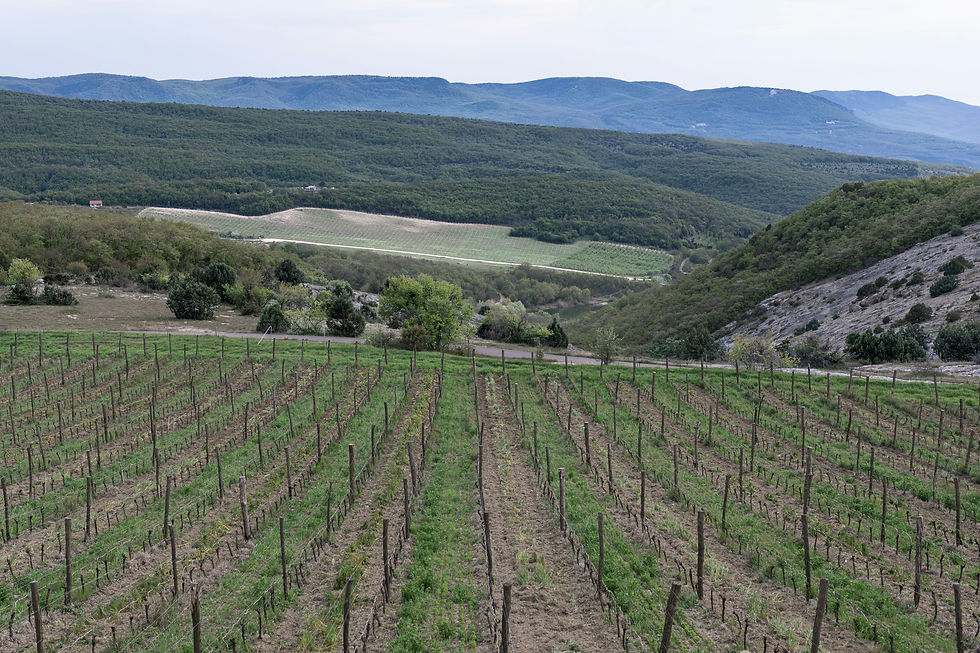
Dahlonega's short-term rental hosts keep marketing to the wrong century. The town's own 2026 market data confirms it: blended average daily rate is running around $306 with occupancy in the low-to-mid 40% range, and the operators actually outperforming that market average aren't the ones treating Dahlonega as a generic mountain-cabin escape. They're the ones who've figured out that the town runs on two overlapping identities — America's first gold rush heritage town, with more than a million annual visitors to the historic courthouse square, and the anchor of a genuine wine-country tourism economy, with more than 20 wineries within 30 miles pulling in bachelorette parties, wine-club trips, and Friday-through-Sunday group bookings most weeks of the year. A listing photographed and written for one identity alone is competing with one hand behind its back.
That's not a hypothetical distinction — it shows up directly in the occupancy data. Properties positioned around courthouse-square walkability and heritage character are running 58–65% occupancy with a 15–25% rate premium. Properties positioned near the wine trail — within reach of wineries like Montaluce, Cavender Creek, or Wolf Mountain — are running even higher, 62–68% occupancy, on the strength of sustained weekend group demand. A property marketed as neither, just another “cozy mountain cabin,” is competing against both of those benchmarks without the positioning that earns either premium. So the honest question a lot of Dahlonega hosts are asking heading into the back half of 2026 is simple: can I write and photograph this listing well enough myself to capture one of those two premiums, or does this specific market require professional help?
The Positioning Trap: Gold Rush Town or Wine Country Escape? They're the ones who've figured out that the town runs on two overlapping identities — America's first gold rush heritage town, with more than a million annual visitors to the historic courthouse square, and the anchor of a genuine wine-country tourism economy, with more than 20 wineries within 30 miles pulling in bachelorette parties, wine-club trips, and Friday-through-Sunday group bookings most weeks of the year.
The gold rush guest is a heritage-tourism visitor drawn to Dahlonega's beautifully preserved 1830s courthouse square, gold-panning experiences, and Gold Rush Days each October — a two-day festival that alone draws more than 200,000 visitors and supports a 40–50% rate premium 60–90 days out for hosts who price it correctly. This guest wants walkability, historic character, and a property that reads as part of the town's identity, not a generic rental unit a few miles outside it.
The wine-country guest is a different booking almost entirely. This is a bachelorette party, a wine club on a group trip, or a couple booking a weekend around tastings at one of the region's 20-plus wineries — a guest segment growing 8–12% annually and showing 25–30% repeat-booking rates within 12 months. This guest wants group-friendly space, a setting that reads as sophisticated rather than rustic, and proximity to the wine trail rather than the courthouse square specifically. A listing photographed and written to split the difference between both guests — generic “mountain cabin near downtown” copy — tends to undersell itself to each of them individually.
What the Weekday Wine Trail Data Does to the DIY Calculation
Here's where Dahlonega's market genuinely rewards a different kind of thinking than most North Georgia mountain towns. Wine country weekends create sustained Friday–Sunday bookings almost year-round, which is valuable, but it's also the pattern every host in this market already understands and prices for. The harder, more valuable read is the weekday side: wine tourism doesn't run purely on weekends the way a waterfall day trip or a festival weekend does, and remote-work professionals booking 2–8-week working-retreat stays are creating real mid-week demand on top of it. Hosts still pricing this market like it's a Friday-Sunday-only town are leaving the weekday wine-trail traffic — and the extended-stay remote-work segment — priced too low to capture it.
That distinction matters more here than the raw occupancy number suggests. Market-wide occupancy sits in the low-to-mid 40% range, but that blended figure hides a wide spread: courthouse-square and wine-positioned properties running 58–68%, Appalachian Trail thru-hiker season properties hitting 65–75% during their February–April window, against a market-wide off-season baseline closer to 40–45%. A host pricing flat across the calendar, rather than reading which weekday and shoulder-season demand pools their specific property can capture, is competing on the blended average instead of the premium end of it.
Where DIY Hosts Have a Genuine Edge
None of this means every Dahlonega host needs an agency for everything. A host who's actually lived through a Gold Rush Days weekend, or hosted guests coming back from a Frogtown or Wolf Mountain tasting, has something no outside agency starts with: real, specific local knowledge — which weekends the wine trail gets busy, what the courthouse square crowd actually wants recommended nearby, how the AT thru-hiker traffic moves through in February and March before most other markets have any spring demand at all. That knowledge shows up in listing details a generic description can't fake, and it's a genuine head start worth keeping in-house rather than outsourcing.
Where the Craft Gap Shows Up
The first place it shows up is photography. A property can genuinely sit five minutes from a wine trail winery and still be photographed in a way that reads as an ordinary rental rather than a wine-country basecamp — the difference between “there's a vineyard nearby” and a listing that visually signals it belongs to that experience takes staging and framing most hosts shooting on a phone between guest turnovers don't have time to develop. A bachelorette group or wine-club trip comparing listings against a wine-country aesthetic will notice generic staging immediately, even if they couldn't say exactly why one listing reads as convincing and another doesn't.
The second place it shows up is copy that hedges, and here Dahlonega's own market data makes the cost concrete: an estimated 76% of hosts in this market have no direct booking presence at all, which means the overwhelming majority of Dahlonega listings are competing purely on OTA search and photos, with no owned channel to build repeat wine-trail or festival-season guests. Layer generic “charming mountain cabin near downtown” copy on top of that, and a host is fighting for visibility on the one channel where hedged, undifferentiated listings get buried fastest. Committing the copy and the booking strategy to one guest identity — or building the direct-booking infrastructure most competitors are skipping — is disciplined work that's hard to sustain on top of actually running the property.
Standing Out While Three Quarters of the Market Skips Direct Booking
That 76% figure is the real opportunity hiding in Dahlonega's 2026 numbers. With roughly 280 active listings and the overwhelming majority of hosts relying entirely on OTA algorithms, a host willing to invest in genuine wine-country or heritage positioning — and in a direct-booking presence most competitors haven't built — has a real, currently open path to standing out. Rates have already climbed from the $170–$225 range this market ran a couple of years ago to roughly $306 today; the hosts capturing that jump aren't winning on luck, they're winning on positioning specific enough to clear the wine-country or heritage-town aesthetic bar their comparable set is quietly failing to meet.
The Honest Answer for Most Dahlonega Hosts
The honest answer for most Dahlonega hosts isn't “DIY everything” or “hand it all to an agency.” It's a split: keep the specific local knowledge that comes from actually living through Gold Rush Days, wine trail weekends, and AT thru-hiker season — that's a real asset, and there's no reason to outsource it. But bring in professional photography disciplined enough to hit the wine-country aesthetic register that a bachelorette or wine-club guest is comparing your listing against, and a copywriting and direct-booking strategy committed enough to capture the weekday wine-trail and remote-work traffic most of the 76% aren't even trying to reach. In a market where the blended average still trails what heritage- and wine-positioned properties are already earning, that specific combination is where professional help earns its fee most clearly — even for a host who already knows both seasons cold.
Keep going on Crest & Cove:the Crest & Cove intro·local SEO keywords that actually book·the five elements of a converting hero·how to compare STR marketing agencies·OTA fees without leftover occupancy lifts·this cluster against named-town AirROI pins·Destin against AirROI, not leftover year·prior cluster against AirROI pins. The honest answer for most Dahlonega hosts isn't “DIY everything” or “hand it all to an agency.” It's a split: keep the specific local knowledge that comes from actually living through Gold Rush Days, wine trail weekends, and AT thru-hiker season — that's a real asset, and there's no reason to outsource it.
Related Reading
Keep reading in the Dahlonega market spine and nearby towns in the same region: same-cluster pages hosts can use without costume-corridor copy.
Financing a Dahlonega Cabin: DSCR vs Second-Home for Lumpkin County
How Tourism Recovery Is Reshaping Dahlonega GA's Economy in 2026
Who Books a Dahlonega Rental: Square Walker, Gold, and Wine Trail
A Walk Around Dahlonega's Public Square: What Guests Actually Do
Dahlonega Atlanta 400 Weekend: How Hosts Should Sell the Drive
This Market Host Guide: What Guests Actually Ask for Independent Hosts
Dahlonega's Shoulder Season: What Hosts Do When Gold Rush Weekend Is
Frequently Asked Questions
Can a Dahlonega host market to both the gold rush heritage crowd and wine-country guests with one listing?
Not effectively with one static description. The two guests want different things — walkable courthouse-square heritage character for the gold rush guest versus group-friendly, sophisticated wine-trail positioning for the wine-country guest — so listing copy and photography generally need to commit to one identity, or reposition seasonally, rather than hedge toward both year-round. They're the ones who've figured out that the town runs on two overlapping identities — America's first gold rush heritage town, with more than a million annual visitors to the historic courthouse square, and the anchor of a genuine wine-country tourism economy, with more than 20 wineries within 30 miles pulling in bachelorette parties, wine-club trips, and.
What makes wine-country guests different from Gold Rush Days visitors in Dahlonega?
Wine-country guests — bachelorette parties, wine clubs, and couples booking around the region's 20-plus wineries — are typically group bookings seeking Friday–Sunday stays and sophisticated group-friendly space, and show 25–30% repeat-booking rates within 12 months. Gold Rush Days visitors are a heritage-tourism crowd concentrated around the single October festival weekend that draws 200,000-plus visitors, prioritizing courthouse-square walkability and historic character over group amenities.
Is professional photography worth it for a Dahlonega short-term rental?
For hosts targeting the wine-country guest specifically, yes — that guest is comparing listings against a wine-trail aesthetic, and generic smartphone photography rarely signals that a listing belongs to the wine-country experience rather than being just another cabin nearby. It's one of the clearest places a professional photography investment shows up in Dahlonega's occupancy data, where wine-positioned properties run 62–68% occupancy against a market-wide 41–47%.
Does Dahlonega's 76%-no-direct-booking figure favor DIY hosts or agencies?
Neither automatically — but it does mean the overwhelming majority of the market's roughly 280 listings are competing purely on OTA algorithms with no owned booking channel. That creates real opportunity for a host who builds direct-booking infrastructure and genuinely differentiated positioning to stand out from a field that mostly hasn't. It only pays off for hosts who actually invest in that work; a generic listing won't benefit just because most competitors are also generic.
What listing copy mistakes hurt Dahlonega hosts marketing to wine-country guests?
The most common mistake is running generic “cozy mountain cabin” copy year-round instead of committing to whichever guest identity fits the property — heritage and courthouse-square character, or wine-trail positioning. Wine-country guests respond to copy that signals group-friendly sophistication and proximity to the trail, not vague small-town charm language aimed at every guest type at once.
When should a Dahlonega host hire a marketing agency instead of DIY?
Most Dahlonega hosts don't need to outsource their local seasonal knowledge — knowing when Gold Rush Days, wine trail weekends, and AT thru-hiker season actually hit is a genuine DIY strength. The clearest case for hiring outside help is professional photography that can convey wine-country or heritage character convincingly, and a copywriting and direct-booking strategy disciplined enough to capture the weekday wine-trail and remote-work demand that most of the market's direct-booking-absent 76% are currently missing.
What the Weekday Wine Trail Data Does to the DIY Calculation?
The town's own 2026 market data confirms it: blended average daily rate is running around $306 with occupancy in the low-to-mid 40% range, and the operators actually outperforming that market average aren't the ones treating Dahlonega as a generic mountain-cabin escape. Market-wide occupancy sits in the low-to-mid 40% range, but that blended figure hides a wide spread: courthouse-square and wine-positioned properties running 58–68%, Appalachian Trail thru-hiker season properties hitting 65–75% during their February–April window, against a market-wide off-season baseline closer to 40–45%.
Where DIY Hosts Have a Genuine Edge?
Dahlonega's short-term rental hosts keep marketing to the wrong century. The second place it shows up is copy that hedges, and here Dahlonega's own market data makes the cost concrete: an estimated 76% of hosts in this market have no direct booking presence at all, which means the overwhelming majority of Dahlonega listings are competing purely on OTA search and photos, with no owned channel to build repeat wine-trail or festival-season guests.
Where the Craft Gap Shows Up?
That's not a hypothetical distinction — it shows up directly in the occupancy data. That distinction matters more here than the raw occupancy number suggests. That knowledge shows up in listing details a generic description can't fake, and it's a genuine head start worth keeping in-house rather than outsourcing. The honest answer for most Dahlonega hosts isn't “DIY everything” or “hand it all to an agency.” It's a split: keep the specific local knowledge that comes from actually living through Gold Rush Days, wine trail weekends, and AT thru-hiker season — that's a real asset, and there's no reason to outsource it.
Work with Crest & Cove Creative
Write this town's year. Do not file another market's number as this stay.
Reach out at crestcove.co or (256) 998-7502.


Comments