
Boone Tailgaters Skiers With DIY Ceiling: AirROI Pins, Not Leftover

Updated: Aug 28
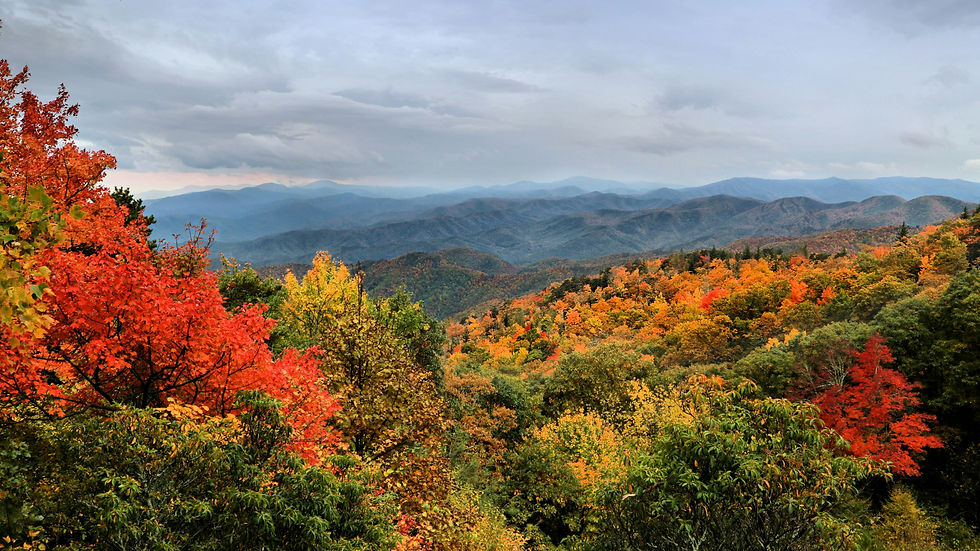
Boone, North Carolina hosts aren't marketing to one guest. They're marketing to two, and the two book on almost opposite timelines. One is the App State football weekend guest — a tailgater or alumni-family traveler booking around a schedule that isn't fully known until months, sometimes weeks, before kickoff, with a home slate that draws crowds up to 31,813 into Kidd Brewer Stadium and turns an ordinary Saturday into the tightest, highest-demand night on the calendar. The other is the ski-season guest — a family or couples trip booked well in advance for a week near Appalachian Ski Mountain, Sugar, or Beech, planning around snow conditions and holiday weeks rather than a single unpredictable Saturday. A listing written and priced for one of these guests, and left alone the rest of the year, is going to undersell itself to the other.
This isn't a hypothetical tension. Boone's own market data shows 250–300 active short-term rental listings competing across an ADR range of roughly $150–$450, with the widest spread tied directly to how well a listing is positioned for whichever demand driver is actually in play that week. Watauga County tourism spending hit $515.85 million in 2024, and Appalachian State University's roughly 21,798 students and their families are a steady undercurrent beneath both peaks. So the honest question a lot of Boone hosts are asking is simple: can I write, price, and photograph this listing well enough myself for both crowds, or does a market with this much calendar whiplash need professional help?
The Two Guests Boone Hosts Are Actually Marketing To
The tailgater guest is booking a short, high-intensity stay tied to a single Saturday. What this guest wants is proximity to Kidd Brewer Stadium and downtown King Street, parking that doesn't require a shuttle, and a listing that reads as ready for a group — extra beds, a place to grill, a TV that can handle a watch party for whichever game isn't sold out. Listing copy that leans into walkability to the stadium and group-friendly layout speaks directly to this guest. Photography that shows off shared living space and parking does the same.
The ski-season guest is a different booking entirely. This guest is planning a week or long weekend built around snow conditions at Appalachian Ski Mountain, Sugar, or Beech, usually booking months ahead rather than reacting to a schedule announcement. This guest cares about a warm, well-equipped interior, a fireplace or hot tub, drive time to the slopes, and a property that photographs like a cozy mountain retreat rather than a tailgate crash pad. A listing photographed and written for the football crowd — group beds, grill, proximity to the stadium — will, almost without exception, undersell itself to this guest, and vice versa.
What Unpredictable Demand Does to the DIY Calculation
Ski season is at least predictable in shape, even if snow itself isn't — a host can build a pricing calendar around the winter months well in advance. Football weekends are a different problem. Kickoff times and TV designations for App State's home games often aren't finalized until 6-12 days out, ranked-opponent and rivalry weekends can spike demand far beyond a normal Saturday, and a host who prices reactively — checking rates the Tuesday before a game instead of building demand-aware pricing rules ahead of the season — is leaving money on the table almost every single home date. That's a genuinely different skill than setting a static ski-season rate once in October and letting it ride through March.
That distinction changes what "good enough" marketing looks like in Boone. A host who nails a static seasonal calendar can still leave real revenue unclaimed on individual football Saturdays if pricing and positioning don't move with the schedule. In a market where 250–300 listings are all competing for the same handful of unpredictable peak nights, the gap between a host who reacts to the schedule as it firms up and one who's still running a flat autumn rate is one of the biggest competitive levers in this specific market — bigger than it would be in a town with a single, predictable peak season.
Where DIY Hosts Have a Genuine Edge
None of this means every Boone host needs an agency for everything. A host who has lived through several football seasons and a few winters here has something no outside agency starts with: real, specific local knowledge. Knowing which home games historically sell out fastest, which roads get slow on a Saturday morning, which local spots to recommend on King Street, and how the town's rhythm shifts from a tailgate-crowded fall weekend to a quiet, snow-focused winter week is a genuine asset. That knowledge shows up in small, credible details a generic listing description can't fake — and a guest researching either season will notice it.
A host with that kind of firsthand familiarity is also well positioned to write with an authentic voice about what makes their particular property, and their particular corner of Boone, worth booking. That's a real head start, and it's not something worth outsourcing away. The craft gap that actually costs Boone hosts bookings shows up somewhere more specific: in pricing discipline and visual execution, not in the underlying local knowledge itself.
Where the Craft Gap Shows Up
The first place it shows up is pricing that doesn't move with the schedule. A host running one static autumn rate misses the fact that a ranked-opponent home game and a bye-week Saturday are not the same booking at all — and by the time kickoff times are announced 6-12 days out, a host who hasn't already built a rule for adjusting around App State's home slate is reacting under pressure instead of capturing demand that was foreseeable weeks earlier.
The second place it shows up is copy and photos that hedge. A listing description trying to appeal to both the tailgate crowd and the ski-family crowd at once, year-round, tends to land as generic to both — something like "cozy Boone getaway, great for any trip" speaks to neither audience with any real precision. Committing the copy and lead photos to one identity, or seasonally repositioning the headline and hero image as the calendar shifts from football into ski season, requires a level of discipline and bandwidth that's genuinely hard to maintain consistently across a full year on top of actually running the property. It's not that DIY hosts don't understand the two guest types — most already do. It's that translating that understanding into disciplined, guest-specific execution, month after month, is where the DIY approach tends to run out of runway.
Standing Out Matters More When Demand Swings This Hard
Because Boone's calendar swings this hard between a predictable ski season and an unpredictable football season, a host willing to invest in disciplined, schedule-aware pricing and season-specific positioning has a genuinely open path to standing out. Most of the 250–300 listings in this market are not repositioning for football Saturdays with the same care they might put into a ski-season refresh, and a handful aren't adjusting for either. That's the opportunity: a listing that actually tracks the App State schedule and repositions cleanly for ski season is competing on the strength of its actual execution in a market where most of the competition still isn't doing that work.
The Honest Answer for Most Boone Hosts
The honest answer for most Boone hosts marketing to both tailgaters and ski-season families isn't "DIY everything" or "hand it all to an agency." It's a split: keep the specific local seasonal knowledge that comes from actually living through both windows — that's a real asset and there's no reason to outsource it. But bring in pricing discipline that actually tracks App State's schedule as it firms up rather than a flat autumn rate, and a copywriting and photo refresh committed enough to reposition the listing between tailgate season and ski season instead of hedging toward both year-round. In a market with this much calendar whiplash, that specific combination — pricing that moves with the schedule, and positioning that commits — is where professional help earns its fee most clearly, even for a host who already knows both seasons cold.
That's also, not coincidentally, exactly where the market rewards the investment. A property that captures real premiums on football Saturdays and repositions cleanly for the ski crowd each winter is competing on the strength of its actual positioning in a market where most of the 250–300 competing listings still aren't doing that work — which is a genuinely winnable position for an independent host to be in.
Keep going on Crest & Cove:the Crest & Cove intro·local SEO keywords that actually book·the five elements of a converting hero·how to compare STR marketing agencies·Asheville paddling spots worth the drive·this cluster against named-town AirROI pins·Destin against AirROI, not leftover year·prior cluster against AirROI pins. The honest answer for most Boone hosts marketing to both tailgaters and ski-season families isn't "DIY everything" or "hand it all to an agency." It's a split: keep the specific local seasonal knowledge that comes from actually living through both windows — that's a real asset and there's no reason to outsource it.
Related Reading
Keep reading in the Boone market spine and nearby towns in the same region: same-cluster pages hosts can use without costume-corridor copy.
Linville Falls STR Market Report: Bedroom Mix, Seasonality, and the
Your Airbnb Linville Falls Marketing: AirROI Pins, Not Leftover
Your Airbnb Beech Mountain Marketing: AirROI Pins, Not Leftover
What It Actually Costs to Start an STR in Beech Mountain, NC
What It Actually Costs to Start an STR in Linville Falls, NC
Is Property Your Linville Agency Math: Costs Without Invented
Is a Property Management Agency Worth It for Your Beech Mountain, NC
Property Your Beech Mountain DIY Ceiling: AirROI Pins, Not Leftover
Frequently Asked Questions
Can a Boone host market to both tailgaters and ski-season families with one listing?
Not effectively with one static description. The two guest types want different things — group-friendly, stadium-proximate copy for the football crowd versus warm, cozy, slope-adjacent character for ski season — so listing copy and lead photos generally need to shift seasonally rather than try to speak to both audiences at once year-round. A listing description trying to appeal to both the tailgate crowd and the ski-family crowd at once, year-round, tends to land as generic to both — something like "cozy Boone getaway, great for any trip" speaks to neither audience with any real precision.
Why is App State football weekend pricing harder to DIY than ski season pricing?
Kickoff times and TV designations for App State home games are frequently finalized only 6-12 days out, and demand varies sharply by opponent and rivalry status. Ski season, by contrast, can be priced with a calendar set months in advance. That means football pricing needs an active, schedule-aware approach rather than a single seasonal rate — which is harder to maintain consistently without dedicated attention.
How big is App State's home game attendance in Boone?
Kidd Brewer Stadium has drawn crowds as large as 31,813, turning individual home Saturdays into some of the highest short-term demand nights on Boone's calendar — well above Appalachian State University's roughly 21,798 enrollment, since games draw heavily from alumni and visiting fans as well as students. One is the App State football weekend guest — a tailgater or alumni-family traveler booking around a schedule that isn't fully known until months, sometimes weeks, before kickoff, with a home slate that draws crowds up to 31,813 into Kidd Brewer Stadium and turns an ordinary Saturday into the tightest, highest-demand night on the calendar.
Does Boone's dual-season demand favor DIY hosts or agencies?
Neither automatically — with 250–300 active listings and an ADR range of roughly $150–$450, most hosts aren't repositioning cleanly for both football and ski season, which creates real opportunity for a well-executed independent listing to stand out. But that opportunity only pays off for hosts who actually invest in schedule-aware pricing and season-specific copy — a generic, static listing won't benefit from the gap in the competitive field.
What listing mistakes hurt Boone hosts marketing to ski-season guests?
The most common mistake is leaving football-season lead photos and copy — group beds, grill, stadium proximity — live through the winter instead of refreshing the hero image and description to lean into warmth, coziness, and drive time to Appalachian Ski Mountain, Sugar, or Beech. Ski-season guests respond to copy that signals a comfortable winter retreat, not a tailgate crash pad.
When should a Boone host hire a marketing agency instead of DIY?
Most Boone hosts don't need to outsource their local seasonal knowledge — that's a genuine DIY strength. The clearest case for hiring outside help is pricing that actually tracks App State's schedule as kickoff times firm up, and a seasonal copywriting and photo refresh disciplined enough to reposition the listing between football and ski season rather than run one static description all year.
What Unpredictable Demand Does to the DIY Calculation?
One is the App State football weekend guest — a tailgater or alumni-family traveler booking around a schedule that isn't fully known until months, sometimes weeks, before kickoff, with a home slate that draws crowds up to 31,813 into Kidd Brewer Stadium and turns an ordinary Saturday into the tightest, highest-demand night on the calendar.
Where DIY Hosts Have a Genuine Edge?
Boone, North Carolina hosts aren't marketing to one guest. The honest answer for most Boone hosts marketing to both tailgaters and ski-season families isn't "DIY everything" or "hand it all to an agency." It's a split: keep the specific local seasonal knowledge that comes from actually living through both windows — that's a real asset and there's no reason to outsource it.
Where the Craft Gap Shows Up?
Boone's own market data shows 250–300 active short-term rental listings competing across an ADR range of roughly $150–$450, with the widest spread tied directly to how well a listing is positioned for whichever demand driver is actually in play that week. That's the opportunity: a listing that actually tracks the App State schedule and repositions cleanly for ski season is competing on the strength of its actual execution in a market where most of the competition still isn't doing that work.
Work with Crest & Cove Creative
Write this town's year. Do not file another market's number as this stay.
Reach out at crestcove.co or (256) 998-7502.


Comments