
Build Family Vacation Rental Copy Around Beds, Stairs, and Gear

Updated: Aug 26
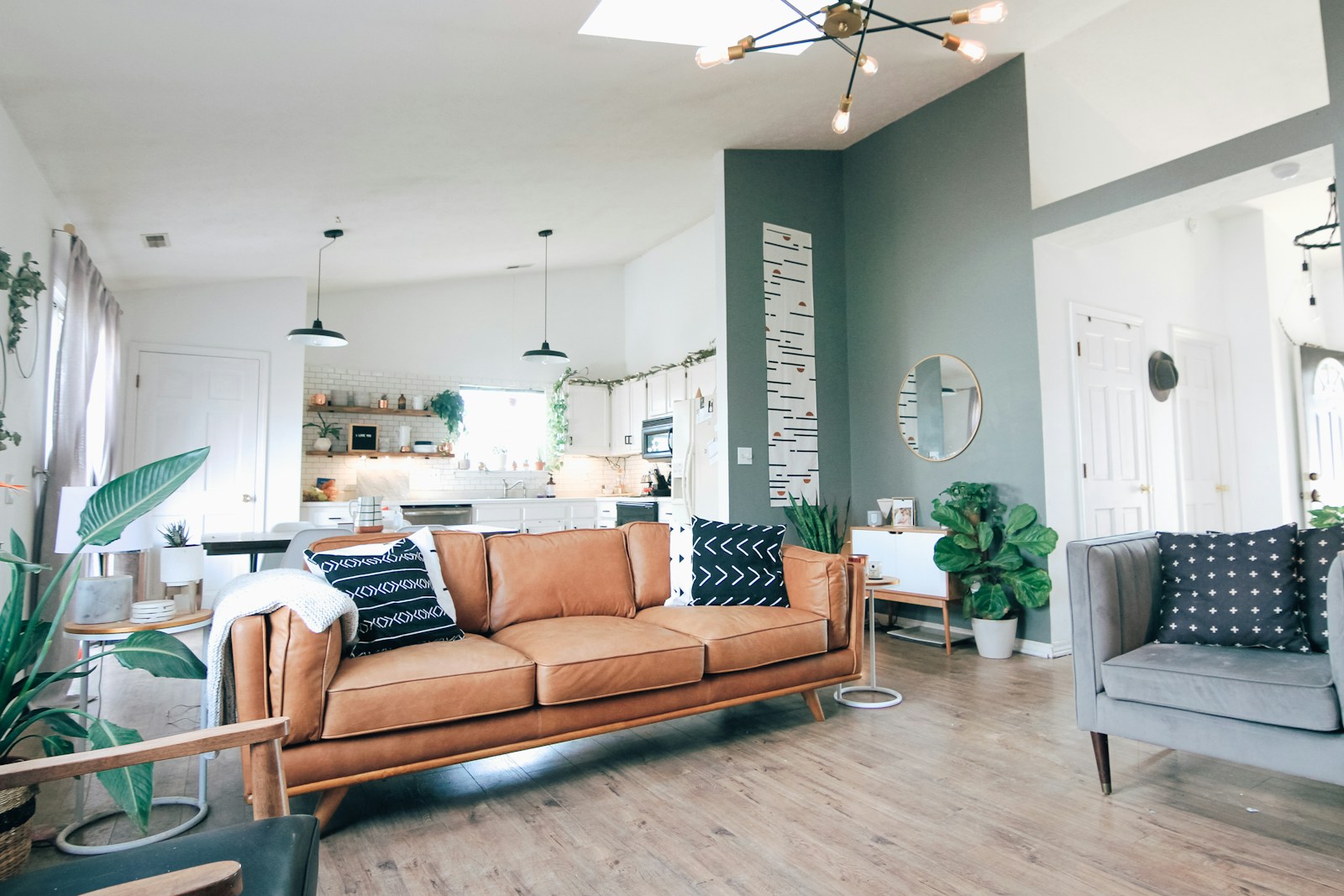
A family searching for a vacation rental is running a more complicated mental checklist than almost any other guest type: how many people actually sleep where, whether there are stairs between the crib and the kitchen, whether the driveway fits two cars and a stroller, whether the walk from the parking spot to the door is one a tired kid can manage at 9pm. A listing that answers this checklist with lifestyle photography and words like 'family-friendly' without naming a single specific fact hasn't actually helped the family make a decision — it's made them work harder to find the answer somewhere else, often by messaging the host directly with questions the listing should have already answered.
This page covers what a family-oriented listing actually needs to name — sleep counts, stairs, access, and gear — rather than a soft 'family friendly' brand built on lifestyle imagery alone. It will not guess at booking lifts or ranking weights from making this change. Confirm any local rule about occupancy limits or safety equipment with a qualified professional; this is not legal advice. This is not legal advice.
Why 'family-friendly' alone tells a family nothing
'Family-friendly' is one of the most common words in vacation-rental copy and one of the least actionable. It doesn't say how many kids the space actually sleeps, whether the crib is provided or needs to be brought, or whether the second floor has a gate at the top of the stairs. A family reading this word gets a vague impression and no actual information to plan around — which means they either book anyway and hope, or message the host to ask the questions the listing should have already answered.
The gap matters more here than in most listing categories because a family's booking decision usually involves more people's comfort at once than a solo or couple traveler's does — a toddler's nap schedule, a grandparent's knees on a staircase, a teenager's need for their own space. Vague copy forces the parent doing the booking to either guess on behalf of the whole group or do the research work the listing should have done for them.
None of this means the listing needs to read like a safety inspection report. A specific, confident description of what the space actually offers a family — real sleep counts, real stair configuration, real parking capacity — reads as more trustworthy to a parent evaluating options, not less, because it signals the host has actually thought through what a family visit involves.
Name sleep counts the way a family actually needs them
'Sleeps 8' on its own doesn't tell a family whether that's four adults in two queen beds plus four kids on a pull-out and an air mattress, or eight adults comfortably distributed across four real bedrooms. Break the sleep count down by actual bed type and location — 'primary bedroom: king; second bedroom: two twins; loft: queen sleeper sofa' — so a family can map their own group onto the actual space before booking, not after arrival.
Crib and pack-and-play availability deserves its own explicit line rather than being folded into a general 'baby gear available' claim. State whether a crib is provided and set up, whether it needs to be requested in advance, and whether it's a full crib or a portable playard — these are different products with different implications for a family traveling with an infant.
If any sleeping space requires climbing a ladder, sharing a wall with paper-thin insulation, or accessing through another bedroom, name that specifically. A loft bed reached by ladder is fine for many families and a dealbreaker for others with young children — the listing's job is to give the family the information to self-select correctly, not to imply every sleeping space works the same for every age.
Name stairs and access the way a family actually experiences them
Stairs matter differently to a family than to most other guest types — carrying a sleeping toddler up a flight, managing a stroller between floors, or supervising a newly-walking child near an unguarded drop-off are all real, specific concerns that generic listing copy rarely addresses. State how many flights exist between the entry and each sleeping area, and whether any stairwell has a functioning gate or rail.
Parking and the walk from the car to the door deserve the same specificity. A family arriving with a car full of luggage, a cooler, and multiple kids needs to know whether parking is right at the door or a hundred yards down a gravel path, because that distance changes how many trips the unloading process takes and how manageable arrival actually is with tired kids in tow.
Photos should show rooms at a scale that helps a family judge whether their actual gear fits — a stroller, a pack-and-play, a highchair. A beautifully composed wide shot that hides the actual floor space available doesn't help a parent mentally place their own equipment in the room the way a photo taken to show genuine walkable space does.
Naming gear honestly, without overselling it
Listing a highchair, a pack-and-play, board games, or a fenced yard as included amenities is genuinely useful to a family — but only if those items are actually present, in working condition, and available without a separate request the listing didn't mention. Overselling kid gear that turns out to be missing, broken, or requires an unlisted extra step to access recreates exactly the arrival-night frustration this kind of specific copy is supposed to prevent.
If gear is available only on request rather than automatically set up, say so plainly — 'pack-and-play available on request, please message us 48 hours before arrival' is a specific, honest promise a family can plan around. A vague 'baby items available' claim that turns out to mean 'ask and we'll see if we still have it' undermines trust the moment a family actually tries to use it.
Outdoor safety features deserve the same specificity as indoor ones. A 'fenced yard' claim should specify whether the fence is a genuine perimeter enclosure or a partial decorative fence that doesn't actually contain a toddler or a dog — a family relying on the fence for supervision needs the real answer, not the flattering one.
Five family-marketing anti-patterns
The first is promising a level of family-readiness the space genuinely can't deliver — claiming 'family-friendly' for a listing with an unguarded pool, a steep unrailed staircase, or a sleep count that only works if kids share beds nobody mentioned. The second is pausing guest-inbox replies to build a broader family-marketing campaign, treating a content project as more urgent than an actual family already asking a specific access question. The third is measuring success by a vanity metric — views on family-themed content — instead of whether arrival-night confusion for families actually declined.
The fourth is copying unlabeled comparison figures or amenity claims from a neighboring family-oriented listing, presenting features this specific house may not actually have. The fifth is guessing at a booking lift from adding family-specific copy, a claim that isn't auditable without actually tracking family-guest questions and complaints before and after the change.
Any one of these is fixable with a focused rewrite. The compounding risk is running several at once — oversold gear claims combined with a paused inbox during a family's actual pre-arrival questions creates two independent ways for a family to arrive frustrated on the same trip.
A composite case: soft family branding, an unchanged bed count
Picture a host who invests in warm, lifestyle-driven family photography and copy — kids playing in a yard, a cozy reading nook — while the actual sleep-count and stairs information stays exactly as vague as before. The new branding performs well; more families click through and inquire, genuinely drawn in by the warmer presentation.
A family books based on the lifestyle impression, arrives, and discovers the 'sleeps 8' listing actually means two adults per queen bed and four kids sharing a single pull-out sofa — workable for some families, a real problem for others who needed to know that distribution in advance. The lifestyle photography didn't cause this mismatch, but it also didn't prevent it, because the operable facts underneath it never actually changed.
The fix is sequencing: pair any warm, evocative family branding with the specific, operable facts a family needs to self-select correctly — bed-by-bed sleep counts, stair configuration, gear availability. A beautiful family-themed photo set paired with vague sleeping arrangements just brings more families further into a mismatch, faster.
When the current family copy is already enough
If families are already booking with accurate expectations — arrival matches what the listing described, and guest questions about beds, stairs, or gear have gone quiet — more family-marketing content is optional rather than urgent. A short, accurate section beats a long, evocative one that still leaves the actual sleeping arrangement unclear.
The test isn't how much family-specific content the listing carries — it's whether a family reading it carefully would arrive with the correct expectations about beds, stairs, and gear. Add depth only against a specific, observed gap: a recurring question about crib availability, a recurring surprise about the stairs.
Building ahead of an actual family guest question is guessing, and this page doesn't recommend guessing. A listing that already answers the real questions accurately doesn't need a bigger family-marketing push just because one is possible to build.
Running the 30/90-day family-copy review
At thirty days after adding or revising family-specific copy, reread it against the actual questions families asked during that period. If the same question the rewrite was meant to answer is still showing up — about bed configuration, about the stairs, about crib availability — the copy wasn't specific enough yet.
At ninety days, drop any gear or amenity claims that turned out not to hold up in practice — a highchair that broke and was never replaced, a fence that turned out not to be a full perimeter. Reality-based family copy needs the same periodic accuracy check as any other operable claim on the listing.
Track family-specific accuracy complaints alongside occupancy. A full calendar with rising confusion about beds, stairs, or gear that the listing should have named isn't evidence the family marketing is working — it's evidence the underlying facts still need to be written more specifically.
Where family-specific facts belong across the booking flow
The main listing description should carry the headline facts a family scans for first — total sleep count broken down by room, number of stairwells, whether a crib is available — while the house rules and pre-arrival message can carry finer detail like exact gate locations or specific outlet-cover coverage. Splitting the information this way means a family isn't forced to read a wall of text to find the one fact that actually matters to them.
The pre-arrival message is worth using deliberately for families, even more than for other guest types, because a family's plans and headcount sometimes shift between booking and arrival — a grandparent joins, an age changes, a crib request gets added. A brief, specific pre-arrival check-in inviting the family to flag anything that's changed catches a mismatch before it becomes an arrival-day problem instead of after.
Review messages and post-stay notes from families are a genuinely useful source for what the listing copy is still missing. A family that mentions, even positively, that they wished they'd known about the stairs in advance is telling the host exactly what line needs to be added — that feedback is more reliable than guessing what future families might want to know.
No listing can anticipate every family, and that's fine
No amount of specificity in a listing description will anticipate every possible family's exact situation — an unusual allergy, a specific mobility need, an uncommon combination of ages that changes which sleeping arrangement actually works for that particular group. Trying to write a description broad enough to pre-answer every conceivable variation usually produces vaguer copy, not more helpful copy, because specificity and universal coverage pull in opposite directions.
The better system pairs an accurate baseline description with a clear, low-friction way to ask about anything unusual before booking. A simple line inviting a family to message with questions about their specific situation does more for an atypical family's confidence than an attempt to cram every possible variation into the listing text itself, which tends to bury the common-case facts most families actually need under edge cases most families don't.
This division of labor keeps the listing doing what it's actually good at — answering the common case accurately and specifically, the way the rest of this page describes — while leaving genuinely unusual questions to a direct conversation, where a host can give a real, situation-specific answer instead of a listing trying to be everything to every family at once.
Hosts sometimes worry that inviting questions makes the listing look less finished, as though a truly complete description shouldn't need a follow-up. The opposite is usually true: a family that gets a specific, helpful answer to an unusual question before booking arrives more confident, not less, and that confidence tends to show up in how the stay actually goes.
Related Reading
More independent-host reading on honest listing copy, distribution, and when hiring help is worth it.
Frequently Asked Questions
What's wrong with just calling a listing 'family-friendly'?
The phrase carries no actual information a family can plan around — it doesn't say how many kids the space sleeps, whether there are stairs to navigate, or whether a crib is genuinely available. A family reading it gets a vague impression and has to message the host to get the real answers the listing should have already provided.
How should sleep counts be described for families comparing bed configurations?
Break the count down by actual bed type and room — 'primary bedroom: king; second bedroom: two twins; loft: queen sleeper sofa' — rather than a single number like 'sleeps 8' that hides how those eight people are actually distributed. This lets a family map their own group onto the real space before booking.
What should a listing say about stairs for families with young children?
Name the actual number of stairwells between the entry and each sleeping area, and note whether a gate or rail is in place at the top or bottom. Carrying a sleeping toddler up a dark, unfamiliar staircase or supervising a new walker near an open drop-off is a real, specific concern generic 'family-friendly' language never actually addresses.
Should a host list baby gear like cribs and highchairs as included amenities?
Only if the item is actually present, working, and available without an unlisted extra step. If gear is available on request rather than automatically set up, say so plainly with a specific timeframe — overselling gear that turns out to be missing or broken recreates the exact frustration specific copy is meant to prevent.
What are the five most common family-marketing anti-patterns?
Claiming 'family-friendly' for a space with real hazards like an unguarded pool or unrailed stairs, pausing guest replies to build broader family content, measuring success by content views instead of fewer arrival-night surprises, copying unlabeled amenity claims from a comparison listing, and guessing at a booking lift without tracking it. Running several together compounds the risk.
How does lifestyle family photography interact with operable listing facts?
Warm, evocative photography can genuinely help a family feel drawn to a listing, but it doesn't substitute for the actual sleep-count, stairs, and gear information they need to self-select correctly. Pair the two — accurate facts alongside appealing photography — rather than leading with lifestyle imagery while leaving the operable details vague.
How does a host know their current family-oriented listing copy is already good enough?
If families are already arriving with accurate expectations and guest questions about beds, stairs, or gear have gone quiet, more content isn't solving a live problem. A short, accurate section beats a longer one that still leaves the actual sleeping arrangement unclear.
What should the 30-day review of family-specific listing copy check?
Whether the same question the rewrite was meant to answer — about bed configuration, stairs, or crib availability — is still showing up in guest messages. If it is, the copy needs to be more specific, not longer or more polished.
What should the 90-day review of family copy check?
Whether any gear or amenity claims have stopped holding up in practice — a highchair that broke, a fence that isn't a true perimeter — and whether accuracy complaints about beds, stairs, or gear are rising even if occupancy stays full.
Can adding detailed family-specific copy be expected to increase bookings?
This page won't guess at that number, since it depends on the specific property and guest base. What can be tracked directly is whether the same family guest questions keep recurring after the copy change — a decline in those repeated questions is the real signal the rewrite is working.
Work with Crest & Cove Creative
A warm family lifestyle photo will not tell a parent whether the crib is actually set up or whether the loft bed requires a ladder. Name the beds, the stairs, and the gear specifically.
We help independent hosts write family-specific listing copy that names real sleep counts, real stairs, and real gear instead of a soft 'family-friendly' label. Tell us which family guest question keeps showing up in your inbox and we'll help you write the line that finally answers it.
Reach out at crestcove.co or (256) 998-7502.


Comments