
Greers Ferry Heber Springs Diy vs Hire Families Anglers: What

Updated: Aug 27
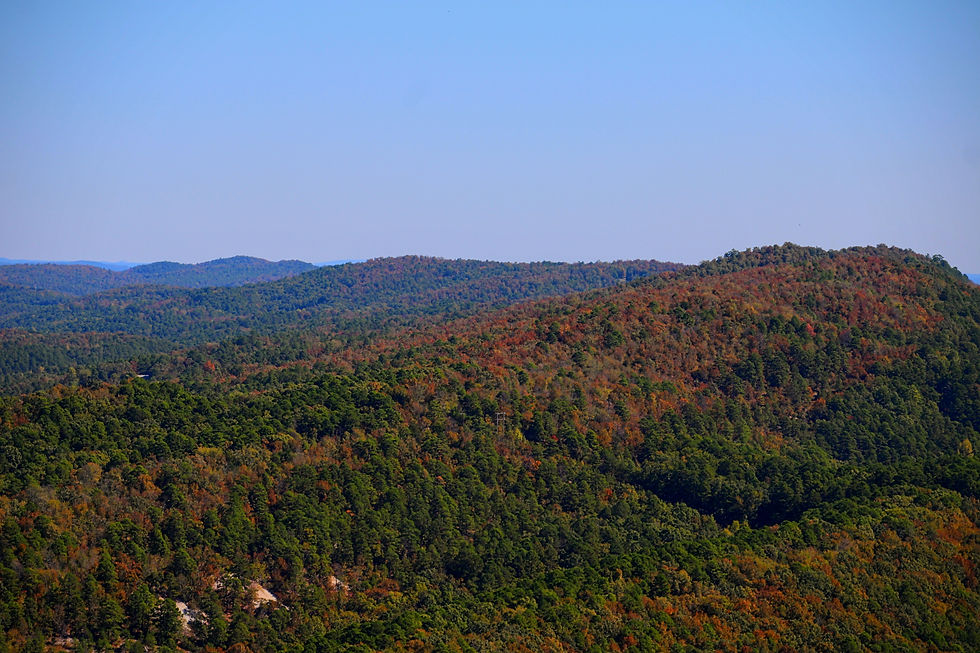
Greers Ferry Lake and the Little Red River pull two very different guests to the same stretch of water, and most short-term rental listings in this market don't seem to notice. Scroll through the local inventory and the pattern repeats: soft-focus lake photos, a line about "peaceful mountain lake living," and a bedroom count buried at the bottom of the description. It reads pleasant. It also reads exactly like every other listing on the lake, which is a real problem in a market where the guest booking your property has a very specific reason for coming.
Unlike Little Rock's capped 500-permit market or Hot Springs' actively enforced 400-permit residential-zone ceiling, Greers Ferry and Heber Springs operate under a comparatively light-touch county-and-shoreline-permit system with no hard numeric cap. That's good news if you're trying to get into this market, but it also means the edge here doesn't come from scarcity. Nobody is competing for one of a shrinking number of slots. The competitive edge comes from how precisely a listing speaks to the guest who's actually searching for it, because in an uncapped market, the properties that win are the ones that read as obviously right for a specific trip rather than generically pleasant for anyone.
Two Guests, One Lake, Very Different Questions
Start with what actually draws people to this stretch of the Arkansas Ozarks. Greers Ferry Lake itself is a well-established family lake-tourism destination, boating, swimming, and the kind of multi-generational week-long stay where three bedrooms sleep six people comfortably and everyone still has somewhere to put their shoes. Below the dam, the Little Red River is something else entirely: a genuine tailwater trout fishery, stocked continuously since 1966, cold and clear enough to support a wild brown trout population that draws serious anglers from well outside Arkansas. These are not overlapping intents dressed up in different marketing copy. They're two separate products sharing one zip code.
A family group booking a week on the lake is evaluating your listing against a short, practical checklist: does it sleep everyone, is there real swimming or beach access, how far is the dock, and can the group cook and gather comfortably instead of tripping over each other in a galley kitchen built for two. An angler chasing trout on the Little Red is asking almost none of those questions. They want to know how close the property sits to the tailwater below the dam, whether there's boat or drift-boat access nearby, if an early departure before sunrise is going to wake up a house full of people who didn't sign up for a 5 a.m. alarm, and whether there's somewhere to deal with gear and waders without tracking river mud through a white-carpeted living room.
A listing written to please both guests at once tends to please neither. "Peaceful lakefront getaway, close to fishing and water activities" is the sentence that shows up on a dozen competing properties in this market, and it commits to nothing. The family reading it still doesn't know if the place sleeps their group. The angler reading it still doesn't know if they're a five-minute drive from the tailwater or forty-five minutes away on the wrong side of the lake. Specificity is the whole game here, and it's the one thing generic copy structurally can't deliver.
What DIY Hosts Actually Get Right
Here's the honest part: a host who's spent real time on this lake or this river has a genuine head start over an out-of-market copywriter, and it's worth naming plainly. Someone who knows the boat ramps, knows which cove holds calmer water for younger kids, knows roughly where the good trout runs sit below the dam, and knows the drive time to the tailwater from their own driveway is writing from lived knowledge that no template can fake. That knowledge shows up as credibility the moment a guest reads it, a listing that says "an eight-minute drive to the Highway 25 access point below the dam" reads as trustworthy in a way "close to great fishing" never will, because a serious angler can verify the first claim and can't verify the second.
The same is true for the family side of the business. A DIY host who's actually hosted three generations of a family under one roof knows which details matter that a stock listing template doesn't ask for, where the pack-and-play folds up and lives, whether the dock has a ladder a grandparent can actually use, whether the grill is propane or charcoal, whether cell service holds up for someone who has to take a work call mid-vacation. None of that requires a marketing background. It requires having actually lived the trip the guest is about to take.
Where the Craft Gap Shows Up
Local knowledge and marketing execution are two different skills, and the gap between them is where most DIY listings quietly lose bookings. The first place it shows up is photography. A phone photo of the lake from the deck at midday, taken because the light happened to be decent that afternoon, is not the same thing as a photo set built to answer a guest's actual question. An angler doesn't need a pretty sunset shot, they need a clear image of the actual water access point, the distance to the dock, and whatever gear storage or mudroom space exists. A family doesn't need three near-identical photos of the same lake view, they need the bedrooms shown with the bed configuration obvious at a glance, the kitchen shown at a size that reads as "cooks for eight" rather than "cooks for two," and the dock or beach access shown close enough to judge how far the kids would actually have to walk.
The second gap is structural: most DIY listings never commit to one guest identity or the other, and end up hedging with language vague enough to technically apply to both. That hedge feels safe, why turn away either guest type?, but it actually costs bookings on both sides, because neither guest gets the specific reassurance they're searching for. A property that genuinely suits both guest types (a lake house with strong tailwater access and enough bedrooms for a family group) can say so, but it has to say so explicitly and separately, not through one paragraph of soft language that tries to cover everything at once.
Competing Beyond the Lake
Greers Ferry doesn't just compete with the other listings on its own shoreline. It's one of several Arkansas Ozark lake markets pulling from the same regional pool of family and angler travelers, alongside destinations like Beaver Lake and Bull Shoals to the north. A guest planning a week-long lake trip out of Little Rock, Memphis, or the broader mid-South is often comparing several of these lakes against each other before they ever narrow down to a specific property, which means a listing here has to do more than out-market its neighbors on the same shoreline. It has to explain, plainly, why Greers Ferry specifically is the right lake, not just why this particular house on it is nice.
That's a fairly easy case to make honestly, because Greers Ferry's actual draw is distinctive: the dam-and-tailwater combination is not something every Ozark lake offers in the same way, and a stocked, decades-old trout fishery with a wild brown trout population is a genuinely citable, specific fact that separates this market from a lake that's simply pretty. A listing that names the tailwater fishery directly, rather than folding it into generic "great fishing nearby" language, is doing real competitive work, it's answering the regional comparison question before the guest even has to ask it.
So: DIY, Hire, or Both? A property that genuinely suits both guest types (a lake house with strong tailwater access and enough bedrooms for a family group) can say so, but it has to say so explicitly and separately, not through one paragraph of soft language that tries to cover everything at once., but it actually costs bookings on both sides, because neither guest gets the specific reassurance they're searching for.
For day-to-day operations in this market, guest messaging, check-in logistics, routine turnover, calendar management, a hands-on local host with real lake or river knowledge is often the best-positioned person for the job, and there's no regulatory pressure here forcing a host into professional management the way a capped, competitive permit market might. This is not a scarcity story. Nobody needs to out-professionalize a competitor for one of a limited number of slots.
Where a marketing agency earns its keep in an uncapped, guest-experience-driven market like this one is narrower and more specific than "run the whole listing." It's disciplined photography that actually documents dock and water access, room-by-room detail that lets a family self-select into a property that truly sleeps their group, and copywriting that commits to a guest identity, angler, family, or explicitly both, stated separately, instead of hedging toward neither. In a market this open, that kind of precision is often the difference between a listing that reads like every other lake house on the water and one that reads like it was built for the exact trip a specific guest is already planning.
Related Reading
Keep reading in the Greers Ferry market spine and nearby towns in the same region: same-cluster pages hosts can use without costume-corridor copy.
Colorado San Juan Mountains STR Market Report for Independent Hosts
How to Market a Short-Term Rental in Pagosa Springs Selling Hot
Is Little Rock Still Worth Buying Into for Independent Hosts
Little Rock Remote Worker Extended Stay Guide for Independent Hosts
Pricing Oaklawn Racing Season Hot Springs for Independent Hosts
Hot Springs Regulations 400 Permits: Clerks, Not Occupancy Ranking
Frequently Asked Questions
Does Greers Ferry or Heber Springs have a permit cap like Little Rock or Hot Springs?
Greers Ferry and Heber Springs operate under a comparatively light-touch county-and-shoreline-permit system with no numeric cap, unlike Little Rock's hard 500-permit ceiling or Hot Springs' 400-permit two-tier structure. That makes this market meaningfully easier to enter, but it also means competitive advantage comes from listing quality and guest-fit rather than from holding a scarce permit.
What's the real difference between marketing to anglers versus marketing to families on this lake?
Anglers are evaluating proximity to the Little Red River tailwater below Greers Ferry Dam, boat or drift-boat access, gear storage, and whether early-morning departures are realistic without disturbing other guests. Families are evaluating bedroom count and sleeping configuration, kitchen size, dock or beach access, and general group-capacity comfort. A listing built to answer only one of these question sets will underperform with the guest it didn't address.
Is the trout fishing below Greers Ferry Dam actually a legitimate draw, or just local marketing language?
It's a genuine, well-established tailwater fishery. The Little Red River below the dam has been stocked continuously since 1966 and supports a wild brown trout population, which is a real and citable detail worth naming directly in listing copy rather than folding into vague "great fishing nearby" language. Below the dam, the Little Red River is something else entirely: a genuine tailwater trout fishery, stocked continuously since 1966, cold and clear enough to support a wild brown trout population that draws serious anglers from well outside Arkansas.
Can one listing successfully market to both anglers and families?
Yes, if the property genuinely suits both, but the listing needs to say so explicitly and separately, naming both use cases in distinct terms, rather than relying on one paragraph of general lake language to imply it covers everyone. Vague copy that tries to appeal to both guests at once typically fails to reassure either one.
Do I need a professional marketing agency to compete in this market?
Not necessarily for day-to-day hosting, a hands-on local host with real lake or river knowledge has a genuine advantage here, and there's no permit scarcity forcing professional management. Where an agency tends to add the most value is disciplined photography that documents actual water access and group capacity, and copywriting precise enough to commit to a specific guest identity instead of hedging.
What DIY Hosts Actually Get Right?
The competitive edge comes from how precisely a listing speaks to the guest who's actually searching for it, because in an uncapped market, the properties that win are the ones that read as obviously right for a specific trip rather than generically pleasant for anyone. Where a marketing agency earns its keep in an uncapped, guest-experience-driven market like this one is narrower and more specific than "run the whole listing." It's disciplined photography that actually documents dock and water access, room-by-room detail that lets a family self-select into a property that truly sleeps their group, and copywriting that commits to a guest identity, angler, family, or explicitly both, stated.
Where the Craft Gap Shows Up?
It also reads exactly like every other listing on the lake, which is a real problem in a market where the guest booking your property has a very specific reason for coming. In a market this open, that kind of precision is often the difference between a listing that reads like every other lake house on the water and one that reads like it was built for the exact trip a specific guest is already planning.
How should a host read this: Two Guests, One Lake, Very Different Questions?
Two Guests, One Lake, Very Different Questions. Greers Ferry Lake and the Little Red River pull two very different guests to the same stretch of water, and most short-term rental listings in this market don't seem to notice. For day-to-day operations in this market, guest messaging, check-in logistics, routine turnover, calendar management, a hands-on local host with real lake or river knowledge is often the best-positioned person for the job, and there's no regulatory pressure here forcing a host into professional management the way a capped, competitive permit market might.
Work with Crest & Cove Creative
A Greers Ferry Heber Springs Diy vs Hire Families Anglers listing fails when the about block sells a costume overnight the driveway cannot keep. Guests who found this listing deserve a description and gallery that match the tax map.
We help Greers Ferry Heber Springs Diy vs Hire Families Anglers hosts keep listing and marketing copy honest so peak occupancy is not the year stays true before anyone pays for more words. Neighbor mix-ups stay off the first paragraph. If the gallery still could sit on the wrong town, we rewrite the opening until it matches arrival weekend.
Reach out at crestcove.co or (256) 998-7502.



Comments