
Holland Tourism Data for Hosts: Visitors vs Occupancy

Updated: Aug 24
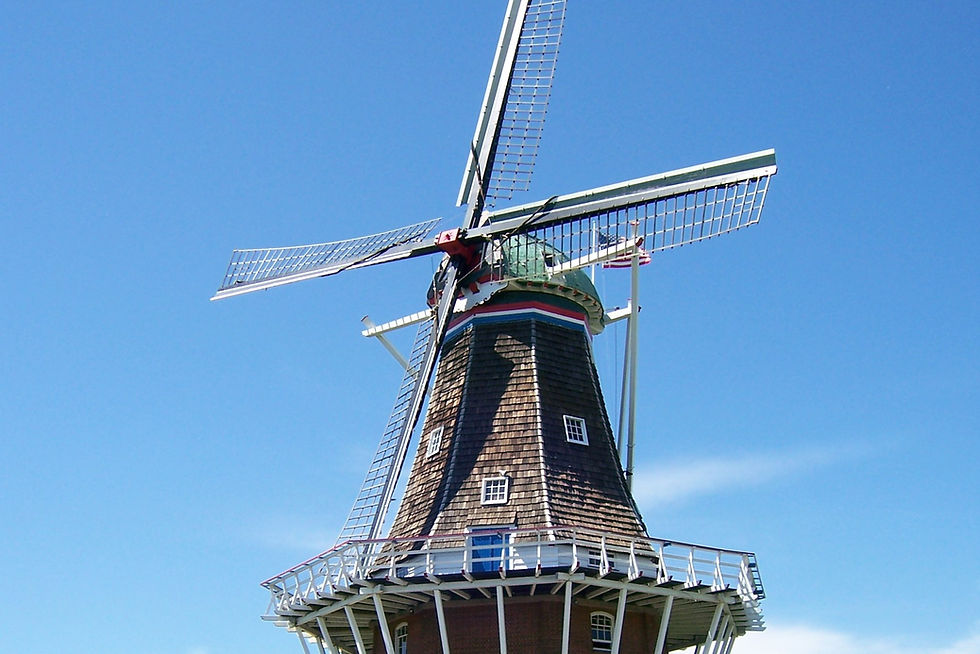
Holland's visitor calendar still opens with Tulip Time. In 2026 that is May 1 through 10, with De Zwaan on Windmill Island and Big Red at the harbor as the two landmarks guests actually type. That week is real demand. It is not the year. The published market year on this cell is $32,326 on 104 listings, occupancy 40.9 percent, ADR $324, stay 4.9 nights, and lead time 65 days.
Most of those guests are driving from Grand Rapids or originating in Chicago. That is useful for who books. It does not set this ADR. One hundred four listings divide nights, not parade attendance. Grand Haven occupancy is a different Lake Michigan file. Saugatuck's typical year of $48,089 stays labeled as Saugatuck. Photograph the mill as a mill and the light as a harbor light: named places, not a generic lakeshore.
This page separates visitor landscape from the host extract for Holland STR hosts. It will not mint a weekly occupancy percent from a parade, treat Zeeland or Macatawa as published years on this sample, or fatten buyer packets with festival spend. This is not legal advice.
Visitor Demand Is Not the Same as Occupancy
Tulip Time is a dated visitor spike. 2026 dates are May 1 through 10. 2027 on the official festival calendar is April 30 through May 9. Treat those dates as a visitor spike, not a filled year. Occupancy for the year is 40.9 percent. Typical year is $32,326. Peak-3 is August, June, and July, with August as the money month and January as the hole. May is a hook, not peak-3.
Year over year sits at minus 25.6 percent while supply is plus 57.6 percent. Chicago is origin and Grand Rapids is the drive. A listing that leads with tulips and never names August is selling the festival to guests who actually pay August rates. Festival guests want May named. Beach guests want August named. Tourism copy has to split them. A 4.9-night stay does not become a ten-day festival occupancy.
Festival attendance, even at the right order of magnitude, is not occupancy. Do not divide a headcount across 104 listings. Leave the typical year on the extract: $32,326 with 40.9 percent occupancy and ADR $324.
De Zwaan Is a Landmark, Not Occupancy
De Zwaan sits on Windmill Island Gardens. Holland.org calls it the only authentic Dutch windmill operating in the United States. The mill dates to 1761 and came to Holland in 1964. Write that as a landmark. Do not write it as occupancy. A mill tour does not mint a night and a mill caption does not mint ADR $324.
City Hall sits at 270 S River Avenue as the certificate desk. Windmill Island is a city park, not the certificate window. Mixing those two campuses is how a postcard becomes a fake permit story. Name the mill if the guest can reach it from this driveway, confirm hours before you promise a tour, and keep the rules companion on the hall path. Tourism copy can name the mill. The host extract cannot wear the mill as the published market year.
Chicago Visitor Spend Is Not This ADR
Chicago is the origin city on the extract. Visitor spend in Chicago is not this ADR. ADR is $324, occupancy is 40.9 percent, and the typical year is $32,326 on 104 Holland listings. Those figures do not describe a Chicago weekend budget or a Grand Rapids restaurant tab. Grand Rapids is the satellite drive about thirty minutes away on I-196.
A tourism bureau number is not a host year. A hotel-tax story is not occupancy. A festival economic-impact slide is not RevPAR $131. Buying and financing companions still use $32,326 as the year. Tourism copy that fattens those files with visitor spend is already wrong. Origin is a demand clue. It is not permission to mint a metro ADR onto Eighth Street.
Fifty-six listings set thirty-plus at 53.8 percent as the most common minimum. A thirty-plus setting is not a filled January. Owner-occupied and investor-owned paths stay different city conversations. Ask the city or township desk that covers the parcel before you promise a use.
One Hundred Four Listings Do Not Divide the Festival
The Holland cell is 104 listings. It is not a festival denominator. Do not divide a parade into 104 listings and call the result a night. Do not divide a mill tour into 104 listings and call the result occupancy. Occupancy is 40.9 percent because the extract printed 40.9 percent. Typical year is $32,326 because the extract printed $32,326.
Visitor dollars belong off the host extract. Saugatuck $48,089 and Grand Haven stay on labeled neighbor lines when a comparison helps. Zeeland and Macatawa do not have published market years on this sample, so leave them out of the underwriting packet instead of dressing them as Holland substitutes. Cite Holland when you mean Holland.
Big Red Is Summer Landscape
Big Red is the Holland Harbor Light at the mouth of Lake Macatawa, with Holland State Park beside it. That is summer landscape for beach guests who want August named. It is not the published market year. Photograph the light if the guest can reach the channel from this stay. A Big Red photo in January is still January.
Lake Macatawa is the inner water and Lake Michigan is the outer water. Write the water the parcel actually reaches. A Macatawa lot is not a State Park dune unless the map says so. Macatawa as a year stays unpublished on this sample. Confirm the parcel before you promise a beach product the driveway cannot keep.
How a Host Should Read Tourism Copy
Read tourism copy for named dates, named landmarks, and named drives. Then put the host extract beside it: $32,326, 104 listings, ADR $324, occupancy 40.9 percent, stay 4.9 nights, lead 65 days, peak-3 August-June-July, January hole. If the tourism sentence cannot survive next to those desks, it is landscape, not underwriting.
A neighbor festival year does not belong on this overnight, and a suburb desk is not origin proof. Write Chicago as origin, Grand Rapids as the thirty-minute drive, and $324 as ADR, then stop. Independent hosts can still own that split without hiring a corridor firm to turn Tulip Time into a fake T12.
Related Reading
These related Holland pages keep marketing, rules, shoulder season, and the published market year labeled so tourism landscape stays off the host extract.
Frequently Asked Questions
Is Tulip Time the same thing as Holland STR occupancy?
Tulip Time is a dated visitor spike, not occupancy. 2026 dates are May 1 through 10, and 2027 on the official festival calendar is April 30 through May 9. Occupancy on the Holland extract is 40.9 percent with a typical year of $32,326 on 104 listings. Peak-3 is August, June, and July. May is a hook for festival guests, not permission to treat a ten-day parade week as the money season. Put visitor landscape beside the listing desk in every packet so the two jobs stay visible.
Why can't hosts divide festival attendance across 104 Holland listings?
One hundred four listings is the market cell, not a festival denominator. Dividing parade headcount or mill-tour tickets across those listings mints a night the extract never printed. Occupancy is 40.9 percent because the published market year printed 40.9 percent. Typical year is $32,326 and ADR is $324 on the same desk. Tourism copy can name demand color. It cannot mint weekly occupancy from a visitor spike.
How should hosts write De Zwaan in tourism-facing listing copy?
Write De Zwaan as the Windmill Island Gardens landmark: the only authentic Dutch windmill operating in the United States per Holland.org, dating to 1761 and arriving in 1964. Name it only if the guest can reach it, and confirm hours before you promise a tour. Do not wear the mill as occupancy or ADR. City Hall at 270 S River Avenue is the certificate desk; Windmill Island is a park. Keep those campuses apart so a postcard does not become a fake permit story.
Does Chicago visitor spend set Holland ADR on this sample?
Chicago visitor spend does not set this ADR on the extract. Chicago is origin and Grand Rapids is the about thirty-minute satellite drive. ADR stays $324, occupancy stays 40.9 percent, and the typical year stays $32,326 on 104 Holland listings. A tourism bureau number, hotel-tax story, or festival impact slide is not RevPAR $131. Buying and financing companions still use the Holland year, not a metro weekend budget pasted onto Eighth Street.
What is Big Red in Holland tourism copy versus the host extract?
Big Red is the Holland Harbor Light at the mouth of Lake Macatawa, with Holland State Park beside it. That is summer landscape for guests who want August named. It is not the published market year. Photograph the light only if the channel is a drive from this stay. A Big Red frame in January is still January. Peak-3 remains August, June, and July. Keep harbor landscape off buyer packets that should still show $32,326 and 40.9 percent occupancy.
Can Zeeland or Macatawa years stand in for Holland underwriting?
Zeeland and Macatawa do not have published market years on this sample, so they cannot stand in for Holland. Cite Holland when you mean Holland: $32,326 on 104 listings, ADR $324, occupancy 40.9 percent. Saugatuck $48,089 and Grand Haven stay labeled neighbors when you need a comparison. Macatawa as inner water is landscape for the parcel map, not a substitute T12. Leave unpublished neighbor years out of the packet.
How should hosts read tourism bureau copy next to the Holland extract?
Read tourism copy for named dates, landmarks, and drives, then put the host extract beside it. The extract still shows $32,326, 104 listings, ADR $324, occupancy 40.9 percent, stay 4.9 nights, lead 65 days, peak-3 August-June-July, and a January hole. If a tourism sentence cannot survive next to those desks, treat it as landscape. Year over year is minus 25.6 percent while supply is plus 57.6 percent, so more galleries chase the same August without a festival costume.
Does a thirty-plus minimum mean tourism fills Holland's January hole?
A thirty-plus setting does not fill January. Fifty-six listings set thirty-plus at 53.8 percent as the most common minimum, yet January remains the hole on the extract calendar. Peak-3 is still August, June, and July. Owner-occupied and investor-owned paths stay different city conversations, so ask the desk that covers the parcel before you promise a use. Occupancy stays 40.9 percent. Tourism demand color does not rewrite that slow month.
What RevPAR figure belongs with Holland tourism claims?
RevPAR on this extract is $131 when you stay with the published market year: ADR $324 against occupancy 40.9 percent on 104 listings. Festival economic-impact slides and hotel-tax stories are not that figure. Do not fatten buying or financing packets with visitor spend that never touched the listing desk. Keep Tulip Time and Big Red as landscape. Keep $32,326 as the underwriting year hosts and investors can actually defend.
How do Grand Haven and Saugatuck fit Holland tourism comparisons?
They fit as labeled neighbors, not as this overnight. Saugatuck prints about $48,089 as its own typical year, and Grand Haven is a different Lake Michigan file. Holland still uses $32,326 as the year on 104 listings with ADR $324 and occupancy 40.9 percent. Tourism copy that pastes a neighbor festival or boardwalk into a Holland first paragraph steals the wrong product. Keep Eighth Street, De Zwaan, and Big Red as Holland objects when you need local proof.
Work with Crest & Cove Creative
Holland tourism copy fails when Tulip Time and De Zwaan get worn as occupancy. If the packet still could confuse May visitor landscape with the $32,326 listing year, the underwriting line is not ready.
Send the live Holland listing plus any tourism claims sitting in the about block. We will say which sentences are visitor landscape and which still belong beside the $32,326 extract before another festival costume adds load.
Reach out at crestcove.co or (256) 998-7502.


Comments