
How to Market a Jackson, NH Stay Without Borrowing Conway

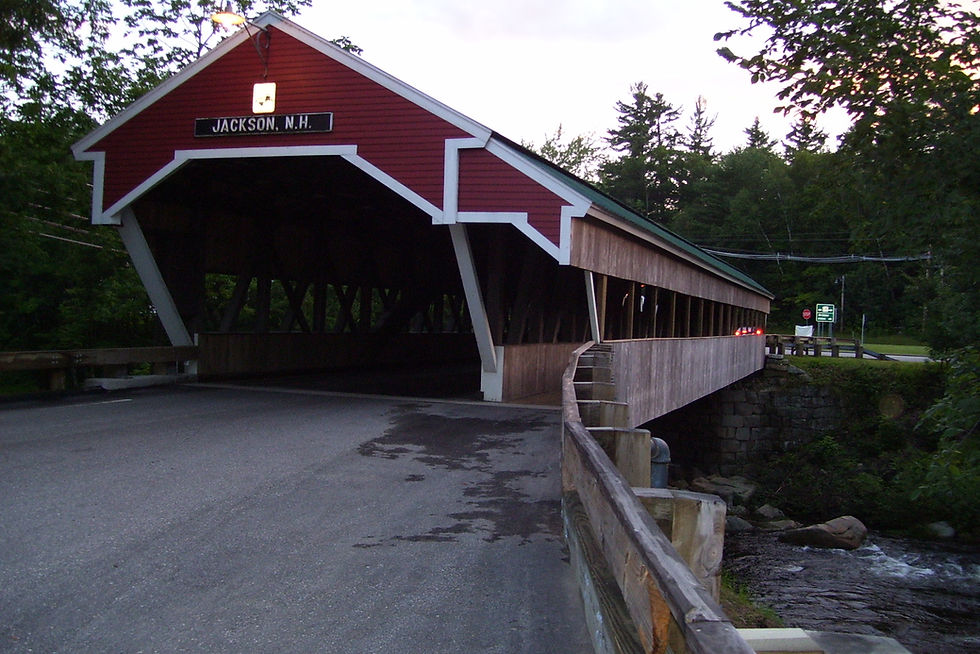
Pull up ten Jackson, NH listings on any platform and a pattern shows up fast: half of them lead with "White Mountains getaway" or "minutes from North Conway," as if Jackson's own identity were a secondary detail to fit in after the neighbor's name gets top billing. That's a marketing choice, not a factual necessity, and it's one that quietly costs bookings. A guest searching specifically for a quiet, covered-bridge village experience isn't going to feel confident clicking a listing whose title reads like it could be describing Conway, Bartlett, or half a dozen other towns along the same stretch of Route 16.
This matters more in a market this size than it would somewhere with a thousand competing listings. With roughly 83 active short-term rentals tracked in Jackson itself, the difference between a listing that reads as generic-regional and one that reads as specifically, unmistakably Jackson is often the difference between showing up in a guest's search and getting scrolled past. The fix isn't complicated, but it does require deliberately merchandising what makes this village its own destination rather than leaning on a bigger neighbor's name recognition. This is not legal advice.
Lead With Jackson's Own Landmarks, Not a Neighbor's Name
The specific things that make Jackson Jackson — Jackson Falls, the red covered bridge at the village entrance, the golf-course-turned-ski-trail network at the center of town, easy access to Wildcat Mountain and Attitash without resort-town density — are exactly what should anchor a listing's title and opening line. A title like "Cozy Cabin Near North Conway" tells a guest almost nothing distinctive and puts Jackson in direct, losing competition with North Conway's much larger listing stock and name recognition. A title built around what's actually walkable or drivable from the property — the falls, the bridge, the ski trail network — gives a guest a specific reason to pick this listing over a generic regional alternative.
The same logic applies past the title. The first line of a listing description is prime real estate, and it should do work establishing place before it gets to bedroom count or amenities. A guest who's specifically drawn to a small, scenic New Hampshire village wants to know immediately that they've found one — not that they've found a generic mountain rental that happens to sit within driving distance of a bigger town's attractions.
The First Five Photos Are the Listing
Most guests decide whether to keep reading within the first handful of photos, which means those photos are doing the actual marketing work — the description is backup. For a Jackson listing, that means leading with images that could only be Jackson: the covered bridge if it's visible or nearby, the falls if the property is close enough to reference them credibly, the golf course or ski trail view if the property overlooks it, rather than opening with a generic living-room shot that could belong to any rental in the region.
This is where a lot of Jackson listings quietly underperform. A tastefully furnished interior matters, but it doesn't differentiate — every competitive listing in this market has a decent living room by now. What differentiates is proof, in the first five images, that this specific property sits inside this specific village's particular scenery. A photo taken from the property showing the falls, the bridge, or the surrounding mountains in fall color does more marketing work than a fourth interior shot ever will.
Amenity Tags That Match What Guests Actually Search
Guests searching for a Jackson-area stay are typing specific things into search boxes: ski access, fall foliage, covered bridge, White Mountains hiking, cross-country skiing. A listing's amenity tags and keyword-rich description sections should mirror that actual search language rather than a generic "mountain retreat" framing that doesn't map to any specific search behavior. If the property is genuinely walkable to the golf-course ski network, or a short drive from Wildcat or Attitash, that should be stated explicitly and specifically — not implied through a vague "close to skiing" line that could apply to a dozen towns in the valley.
The tracked data behind this market shows a calendar that peaks around fall foliage season and again through the ski season, with a genuine trough in April, May, and November. Amenity and keyword emphasis should shift with that calendar: foliage-and-hiking language pushed harder heading into fall, ski-access and cross-country-trail language pushed harder heading into winter, and a distinct shoulder-season pitch — more on that in a dedicated post — for the quieter stretch in between rather than repeating the same peak-season pitch year-round.
Write the Description for Someone Who Already Chose New Hampshire
A common mistake in small-market listing copy is writing as if the guest still needs to be convinced New Hampshire, or even the White Mountains generally, is worth visiting. By the time someone is reading a Jackson listing, they've almost always already decided on the region — what they're actually deciding between is which specific village and which specific property. The description should skip the general regional sales pitch and go straight to what distinguishes this property, in this village, from the other roughly 82 active listings competing for the same search.
That means naming the walk to the falls in minutes, not vague terms. It means naming the actual distance to Wildcat or Attitash rather than a generic "close to skiing." It means describing the covered bridge as something the guest will actually cross on their way into town, if that's true, rather than a decorative mention buried in paragraph four. Specificity reads as credibility, and credibility is what turns a browsing guest into a booking guest in a market this size.
Two Distinct Pitches for Two Distinct Seasons
Jackson's tracked calendar shows a clear two-peak pattern — foliage-driven strength in the fall bleeding into a winter ski peak around January and February — separated by a real trough in April, May, and November. That shape means a single, static listing description is working against the market's own rhythm for at least a third of the year. A description locked into ski-season language reads oddly to a July or August guest booking around foliage and hiking; a description locked into foliage language undersells the property to a February guest booking around Wildcat or Attitash.
Rotating the lead language seasonally — leaning into foliage, hiking, and the covered bridge heading into fall, then leaning into ski access, the golf-course trail network, and winter coziness heading into the January-February peak — keeps the listing speaking directly to whichever guest is actually searching at that moment. It's a small amount of ongoing work that compounds over a full year in a market this seasonally distinct.
What the Booking Window Means for Calendar Strategy
The typical booking window in this market runs around 67 days, meaning guests are largely planning a Jackson stay well in advance rather than grabbing something last-minute. That's a meaningful signal for how far out a host should keep their calendar open. A listing that only releases availability 30 days out is closing itself off from a real share of the guests actively shopping this market months ahead of a specific foliage weekend or ski trip.
It also affects how minimum-stay rules should be set during peak weekends. A guest planning two months ahead for a specific ski weekend or foliage Saturday is less price-sensitive about a two- or three-night minimum than a last-minute booker would be — which means peak weekends in August, January, and February can generally support tighter minimum-stay requirements without losing the bookings this market's own calendar data says are coming anyway.
Don't Discount the Village Into a Cheaper Neighbor
There's a temptation, especially in the softer April-and-May stretch, to compete on price by positioning a Jackson listing as a cheaper alternative to pricier stays elsewhere in the valley. That's the wrong lever to pull. Dropping minimum-stay requirements specifically in the confirmed trough months makes sense — filling otherwise-empty nights with shorter, more flexible bookings during the genuine slow season is a sound tactic. But discounting the listing's identity along with its price, by leaning into "budget option" framing instead of "quiet, scenic village" framing, trades away the one thing this market actually has going for it against its bigger neighbors.
A guest who wants cheap and doesn't care where has plenty of larger, more commercial options nearby. A guest who specifically wants a covered-bridge village with a waterfall at its center and skiing at its edges is the guest Jackson can actually win, and that's the guest a listing's marketing should keep speaking to — even during the slow months, and even while offering the shorter minimum stays that make sense for that season.
Where Amenities Actually Move the Needle
Not every amenity earns equal marketing weight in this market. A hot tub or fireplace, for instance, does more work for a Jackson listing than it might in a warm-weather market, because it directly supports the after-ski or after-hike experience guests are specifically coming here for. A well-stocked mudroom or boot-and-gear drying space is a small detail that reads as thoughtful to a guest packing for a ski trip or a rainy foliage hike, and it's the kind of specific, practical amenity that a generic regional listing rarely bothers to mention.
On the other end, amenities that don't connect to why someone books Jackson specifically — a generic "smart TV" or "fast Wi-Fi" bullet that every competitive listing already lists — shouldn't take up prime space near the top of the amenity list or the first paragraph. Save that real estate for what actually differentiates a Jackson stay from the dozens of similar-looking mountain rentals a guest is comparing it against.
The Regulatory Reality Behind the Marketing
None of this marketing work matters if the listing isn't operating on solid legal ground to begin with. Jackson's zoning ordinance addresses short-term rentals under Section 4.4, requiring a Conditional Use Permit through the Board of Selectmen, with review from the Planning Board and approval from the Select Board. This is not legal advice, and a host should confirm current permit status directly with the Town of Jackson before investing marketing effort into a listing that isn't yet cleared to operate.
A separate post in this series walks through that permit process in full detail. The short version for marketing purposes: get the compliance question settled first, then invest the photography, copywriting, and keyword work described here — not the other way around.
There's a practical reason for that sequencing beyond simple legal caution. A listing built around a strong, place-specific marketing identity represents real time and effort — professional photos of the falls or bridge, carefully written copy tied to the season, a keyword strategy tuned to this market's actual search behavior. Investing that effort into a property whose permit status is still unresolved risks having to pause or pull the listing right as it starts gaining traction, which wastes the marketing work along with the momentum it built.
Putting It Together: A Listing That Reads Like Jackson, Not Like a Placeholder
None of the individual pieces above — a landmark-anchored title, photos that prove the property's specific location, seasonally rotating copy, amenity emphasis tuned to what guests are actually here for — require a large budget or a professional marketing team to execute. What they require is deliberately choosing Jackson's own identity as the selling point, every time, instead of defaulting to the easier, more generic White Mountains framing that dozens of other listings up and down Route 16 are already using.
In a market with roughly 83 tracked active listings, that kind of specificity is a genuine competitive advantage, not just good practice. A guest who's already decided they want a covered-bridge village experience, and finds a listing that clearly, specifically delivers on that, is far more likely to book than one still trying to figure out from vague copy whether this property is even in the right kind of place.
Related Reading
More How to Market a Jackson, NH Stay Without Borrowing Conway host reading on desks, calendars, and listing clarity.
Frequently Asked Questions
How do I make my Jackson, NH rental listing stand out?
Lead with what's specifically Jackson — the covered bridge, Jackson Falls, the golf-course ski trail network — in the title, first line, and first five photos, rather than generic 'White Mountains getaway' language that could describe any nearby town. Match amenity tags and keywords to what guests actually search: ski access, foliage, covered bridge, cross-country skiing.
Should my Jackson listing photos include the covered bridge or Jackson Falls?
If the property is genuinely near either landmark, yes — images that could only be Jackson do more marketing work than another generic interior shot. Guests deciding between similar-looking mountain rentals respond to visible proof of a specific, memorable location.
How far in advance should I open my Jackson rental's calendar?
The tracked booking window for this market runs around 67 days, meaning many guests are planning well ahead of a specific foliage weekend or ski trip. Keeping the calendar open further out, rather than only 30 days, captures more of that planning-stage demand.
Should I drop my prices to compete with North Conway rentals?
Not as a general strategy. Dropping minimum-stay requirements specifically in the confirmed slow months (April, May, November) makes sense to fill otherwise-empty nights, but discounting the listing's Jackson identity into generic 'budget mountain rental' framing trades away the specific appeal that actually differentiates it from larger, more commercial nearby markets.
What should my Jackson listing title say instead of 'near North Conway'?
Anchor the title in Jackson's own landmarks and identity — its covered bridge, its falls, its golf-course-turned-ski-trail center, its walkable village scale — rather than borrowing a bigger neighboring town's name recognition. A specific, place-based title differentiates the listing in a market with only about 83 competing active rentals.
Does Jackson's short-term rental market have a slow season?
Yes. Tracked data shows April, May, and November as the softest stretch, with May specifically standing out as both the lowest-revenue and lowest-occupancy month. Marketing and pricing should shift for that stretch rather than repeating a peak-season pitch year-round.
What amenity keywords should a Jackson, NH listing use?
Keywords that mirror actual guest search behavior for this market: ski access, fall foliage, covered bridge, White Mountains hiking, and cross-country skiing, tied to specifics about the property's actual proximity to Wildcat Mountain, Attitash, or the village's golf-course trail network.
Do I need a permit before marketing a Jackson short-term rental?
Jackson's zoning ordinance (Section 4.4) requires a Conditional Use Permit through the Board of Selectmen for short-term rentals. This is not legal advice — confirm current permit status with the Town of Jackson before investing in marketing for a listing that isn't yet cleared to operate.
Is Jackson, NH the same market as Jackson, Wyoming for marketing purposes?
No. They share a name and nothing else — different state, different regulatory system, different guest base entirely. Marketing advice, permit information, or pricing benchmarks for Jackson, Wyoming should never be applied to a Jackson, New Hampshire listing.
How does the ski-and-foliage calendar affect minimum-stay settings?
Because guests tend to book Jackson months in advance for a specific event window, peak weekends in August, January, and February can generally support tighter multi-night minimum-stay requirements without losing bookings, while the confirmed shoulder months support looser, shorter-stay minimums to keep the calendar filled.
Work with Crest & Cove Creative
A Jackson listing photographed and titled like a generic White Mountains rental is competing against North Conway's much larger listing stock — and losing that fight by default. Name the failure mode the guest can check on the listing.
A marketing audit can pinpoint exactly where a Jackson listing's title, photos, and keywords are still borrowing a neighbor's identity instead of its own. Name the failure mode the guest can check on the listing. Send the live listing draft and the facts you can actually cite.
Reach out at crestcove.co or (256) 998-7502.


Comments