
How to Market a McKenzie River Cabin: Hot Springs, Not Ski Town

Updated: Aug 27
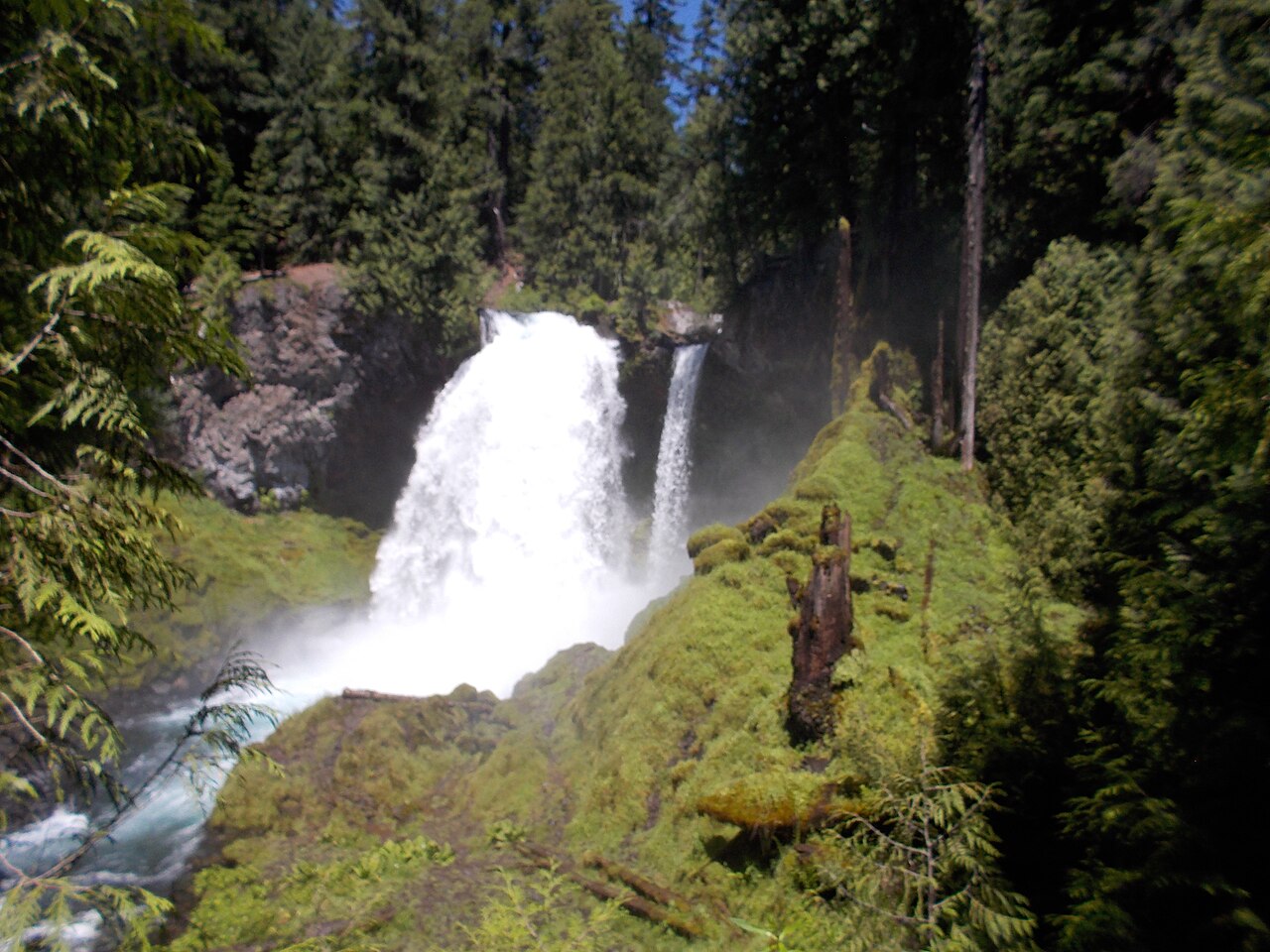
A McKenzie Bridge, Oregon short-term rental should market the river weekend and hot-springs access it can actually deliver, not a ski-town story borrowed from a mountain market further up the pass. ADR in this market already sits near $274, with Superhost share near 68.0 percent.
This page stays on operable marketing decisions for a McKenzie Bridge or Blue River cabin. It will not guess a booking lift from any specific photo change. Confirm Forest Service and county rules directly. This is not legal advice.
Specificity is exactly how a host defends rate in this market. A listing that names the actual river access, the actual soak, and the actual season is a listing that can justify $274 ADR against a browsing guest comparing several nearby cabins.
Town McKenzie Bridge, not a ski town
Search ranking and guest trust both start with location honesty. Name the stay as a McKenzie Bridge cabin on the McKenzie River, not a generic mountain-town listing that could describe a dozen other Oregon locations.
Keep the about section's radius tight to what a guest can actually reach from this specific driveway. A listing that implies proximity to a ski resort it does not actually serve sets an expectation the house cannot meet.
Sell the river weekend you can actually deliver
The volume guest for this market is a small household looking for a river weekend, not a lodge reunion booking a large group event. Photos and copy should speak to that actual guest profile rather than a larger-group story the house does not fit.
Sell the specific river access this cabin has - a put-in, a swimming hole, a view - rather than a generic river-adjacent claim that could apply to any cabin in the corridor.
Terwilliger is a day soak, not a caption
Terwilliger Hot Springs, also called Cougar Hot Springs, is worth mentioning when it is a day soak a guest can actually take, not when it is used as a stock caption borrowed for atmosphere. Keep the soak described as the plan it actually is: Forest Service hours from sunrise to 10 p.m., $12 per person per two hours for ages twelve and up, no alcohol, no pets, and no camping at the pools.
A guest who arrives expecting private or unrestricted hot-springs access and finds a day-use fee and posted hours is a guest whose review will mention the mismatch, not the mismatch's cause.
Trail and put-in language without a second cluster
Naming specific trails and river put-ins near the cabin is useful, honest marketing, as long as it does not pull in a second cluster of attractions from a different corridor or town that the guest cannot actually reach easily from this house.
Keep the geographic radius of trail and access references matched to what a guest staying at this specific address can realistically use during their trip.
Photos that prove water and trees
Photograph the actual river, the actual tree cover, and the actual cabin exterior rather than stock forest imagery or borrowed shots from a different property along the corridor. Guests booking a river cabin are checking specifically for water and tree proof in the photo set.
A photo gallery that could belong to any cabin in the McKenzie corridor is a gallery that fails to differentiate this specific listing from its neighbors, even when the underlying house is genuinely well suited to the market.
How to name the fire without disaster tourism
If wildfire history is relevant to this area's landscape or recovery story, name it plainly and factually rather than either hiding it entirely or turning it into a dramatic selling point that reads as disaster tourism.
Guests researching this corridor may already be aware of past fire activity, and a listing that addresses it honestly and briefly, focused on current conditions, builds more trust than one that avoids the topic or oversells it.
Calendar language that matches August, June, and October
The peak-three months for this market are August, June, and October, with January, February, and March sitting as the calendar's hole. Listing language and seasonal photos should match whichever part of that cycle a browsing guest is actually looking at.
Winter quiet and cold-water weeks are an honest positioning, not a fourth peak to guess. A listing that treats January bookings the same as an August weekend is misreading its own calendar.
What not to borrow from Sisters
Sisters, Oregon and other nearby mountain towns have their own distinct identity, amenities, and demand patterns. Borrowing branding language, photo style, or seasonal claims from Sisters for a McKenzie Bridge listing blurs two genuinely different markets.
For photo and hire decisions specifically, this page pairs with a separate DIY-versus-hire resource for McKenzie Bridge hosts rather than a Sisters-specific guide, since the two towns' marketing needs differ.
Related Reading
More Mc Kenzie Bridge, Blue River, and Lane County, Oregon reading already live on Crest & Cove.
50 Listings and a Thin Year: Mc Kenzie Bridge Short-Term Rental Report 2026
Mc Kenzie Bridge STR Rules: Lane County TLT, ADUs, and No Fake License
DIY vs Hire in Mc Kenzie Bridge: Local Voice Against Wallis and Evolve
Wallis, Evolve, and Mc Kenzie River Property Manage: Is an Agency Worth It?
Is Mc Kenzie Bridge a Good Short-Term Rental Investment in 2026? $2,875 Is the Watch Line
Mc Kenzie Bridge Shoulder Season: August River Is Not January
A 28-Night Mc Kenzie Bridge Cabin for Portland and Bend Remote Workers
Who Books a Mc Kenzie Bridge Rental: Hot Springs Weekend and the Trail Overnight
Lane County Tourism Spending and Mc Kenzie Hosts: What the Visitor Dollar Measures
The Complete Visitor's Guide to Mc Kenzie Bridge, Blue River, and the Mc Kenzie River
What It Actually Costs to Start an Airbnb in Mc Kenzie Bridge, OR
Financing a Mc Kenzie River Cabin: DSCR on $2,875 and 35.4% Occupancy
Frequently Asked Questions
What is the competitive ADR for the McKenzie Bridge market?
$274, with a Superhost share of 68.0 percent in this cell — a competitive market where specific, differentiated copy matters.
What are Terwilliger Hot Springs' actual hours and fees?
Forest Service hours run sunrise to 10 p.m., with admission at $12 per person for a two-hour window (ages twelve and up).
Are alcohol and pets allowed at Terwilliger Hot Springs?
No. The site prohibits alcohol, pets, and camping at the pools.
When is the peak season for McKenzie Bridge rentals?
August, June, and October — a river-and-forest-recreation calendar, not a winter ski pattern.
Should I market McKenzie Bridge like a ski town?
No. This market sells river access and a hot-springs day trip, not ski access. Borrowing marketing language from a genuine ski-town market like Sisters misrepresents the product.
Can my listing claim ownership or exclusive access to the hot springs?
No. Terwilliger is a public Forest Service day-use site. Photograph and describe your property's proximity, not exclusive or private access.
How should I mention wildfire history near my property, if relevant?
Address forest recovery status factually only if it affects trail conditions guests need to know about — avoid using wildfire history as a marketing hook.
What's the single biggest differentiator in this market?
Specificity — naming the actual river access point or trail near your property, rather than generic Cascades cabin language that could describe many other towns.
Work with Crest & Cove Creative
A McKenzie Bridge cabin should sell the river weekend and Terwilliger day soak it can actually deliver, not a ski-town story borrowed from a resort further up the pass. Name the failure mode the guest can check on the listing.
We help independent hosts market McKenzie Bridge and Blue River cabins around the actual river access and seasonal calendar this corridor has. Bring the current listing and we will check whether the photos and copy match the stay guests can actually book.
Reach out at crestcove.co or (256) 998-7502.


Comments