
How to Market a Short-Term Rental in Key Largo, FL
- Thomas Garner

- Jun 29
- 9 min read
Updated: Jun 29
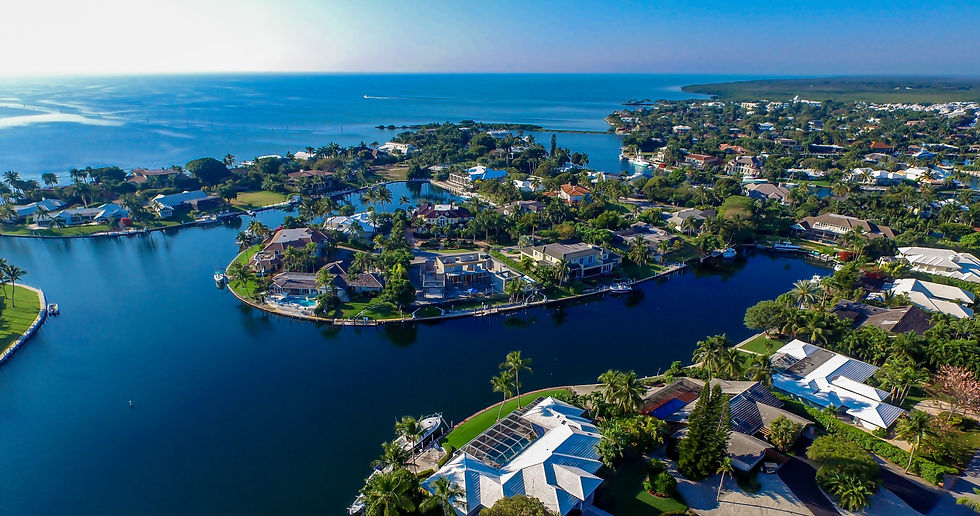
Key Largo is not Islamorada with a dive flag on the mailbox — and hosts who market the Upper Keys' sportfishing inventory with Pennekamp snorkeling language miss the dual-audience advantage that actually defines this market: Miami and Fort Lauderdale weekenders who drive down in roughly an hour, plus a year-round dive-and-snorkel audience that treats John Pennekamp Coral Reef State Park as a pilgrimage destination. Key Largo is the gateway to the Keys and the self-proclaimed "Dive Capital of the World" — anchored by the first undersea park in the United States, the Florida Keys National Marine Sanctuary, and the Christ of the Abyss statue that appears on every diver's bucket list. AirROI's 2026 trailing window shows Key Largo at approximately 785 active listings, 39.6% whole-market occupancy, $407 ADR, $173 RevPAR, and $48,596 average annual revenue per listing, with +13.0% revenue growth against +21.9% supply growth. March peak reaches approximately $9,902 in monthly revenue at 63.5% occupancy and $460 ADR, versus the September trough near $2,936 at 27.9% occupancy. Directional figures — re-verify at publish. Your guest is paying for proximity to Miami's feeder market and Pennekamp's reef — a combination no other Key in the chain replicates at this drive-time distance.
That positioning falls within Monroe County's permitting framework, which applies to largely unincorporated Key Largo parcels. Rentals under 28 days are permitted only in eligible Land Use Districts (SR, MU, UR, IS-V, OS) and prohibited in others (IS, URM, IS-M). A 28-day minimum stay applies in most zones — meaning many "Key Largo STR" listings on OTAs are actually operating as monthly rentals or holding a valid Special Vacation Rental Permit for sub-28-day stays in a permitted district. The annual Special Vacation Rental Permit requires an initial application fee of approximately $490, renewals of around $100, quiet hours and parking conditions, dock and boat-use rules where applicable, and a licensed, locally based vacation rental manager on call at all times. ROGO/NROGO allocation caps limit new construction across the Keys — inventory scarcity supports ADR but makes parcel-level zoning verification non-negotiable before purchase or listing.
Merchandise Pennekamp, Dive Logistics, and the Miami Weekend Feeder Market
Generic Key Largo listings fail because they say "close to diving" without naming the logistics divers actually plan around. The winning copy leads with drive time to John Pennekamp Coral Reef State Park (Mile Marker 102.5), proximity to dive shops clustered near MM 100, on-site or stated dive-gear rinse stations, gear storage and hanging racks, early-morning checkout flexibility for dawn charter departures, and dock or canal access for private dive boats. Guests searching "Key Largo dive vacation rental," "John Pennekamp vacation rental," and "Keys rental with dive rinse station" are filtering for operational convenience — your title and first paragraph should answer with minutes, equipment details, and charter pickup logistics.
The Miami weekend feeder market is the second booking engine — and the one most Key Largo hosts under-market. A couple leaving Brickell at 9 a.m. can be on the dock by 10:30. Fort Lauderdale and Miami-Dade drive markets fuel Friday-through-Sunday compression that Islamorada and Key West cannot capture at the same drive-time economics. Merchandise stated drive times from Miami (approximately one hour without traffic, 75–90 minutes peak), weekend minimum-night policies that align with South Florida leisure patterns, and copy that says "Miami weekend escape" alongside "dive week base camp" — because your best guests may book both stay types across different seasons on the same property.
Photograph the dual lifestyle. Lead with Pennekamp-relevant assets: rinse shower, gear-drying area, dock with dive boat, if applicable, pool and outdoor dining for post-dive debrief, and a map graphic showing MM 100 dive shops, Pennekamp entrance, and Miami drive time. Include the African Queen boat tour, glass-bottom boat departures, and eco-tourism angles for the non-diver companion — Key Largo bookings often include one diver and one snorkeler, and your photos should sell both experiences. Christ of the Abyss and the USCGC Duane wreck are named demand anchors; reference them in copy with honest boat-access reality from your property.
Monroe County Permit Compliance and the Zoning Verification Checklist
Before you list, run the parcel verification checklist: (1) confirm Land Use District eligibility for rentals under 28 days with Monroe County Planning, (2) determine whether a 28-day minimum applies to your zone regardless of OTA calendar defaults, (3) obtain or verify the Special Vacation Rental Permit if marketing sub-28-day stays, (4) contract a licensed locally based vacation rental manager on call at all times, and (5) confirm Florida DBPR licensing, Monroe County business tax receipt, and 5% tourist development tax registration. Combined lodging tax totals approximately 12.5% in the Keys — verify current Florida DOR rates at publication.
The Special Vacation Rental Permit conditions are operational, not decorative. Quiet hours, parking limits, trash protocols, and dock-use rules, where applicable, are enforced — and your listing should state compliance as a neighbor-trust signal. Supply grew +21.9% year-over-year on AirROI — the highest supply growth rate among Upper Keys markets in the 2026 window — which means unpermitted inventory competing on price compresses returns for compliant hosts who invest in permits and management. Display your permit status: "Monroe County Special Vacation Rental Permit, locally managed, dive-guest ready."
If your parcel sits in a 28-day-minimum zone without permit eligibility for shorter stays, market monthly dive retreats and snowbird leases, honestly, do not set a three-night Airbnb minimum and hope Monroe County does not notice. The gap between OTA calendar defaults and Monroe County zoning is where Keys hosts generate the enforcement headlines that scare investors away from the entire chain. Your marketing must describe the stay length that your permit and district actually allow.
Seasonal Calendar, Lobster Mini-Season, and Dual-Audience Pricing
Key Largo seasonality blends winter peak demand, year-round dive tourism, Miami weekend spikes, and distinctive event windows that other Keys markets share or miss. AirROI shows February through April as peak months — March at approximately $9,902 monthly revenue and 63.5% occupancy — with September trough near $2,936. Winter high season brings Northeast and Midwest snowbirds; spring brings dive training season and college break overlap; summer brings Miami weekenders and demand for lobster mini-season.
Named demand anchors for the 2026/2027 window include lobster mini-season (late July — a distinctive two-day demand spike across the Keys), winter holidays, spring break spillover from Miami, and year-round Pennekamp charter departures that do not depend on a festival calendar. Price lobster mini-season at premium tiers with strict minimum nights and guest screening — the event draws high-energy groups that neighbors watch closely. Miami weekend pricing should reflect Friday-Sunday compression, with an optional Thursday turn for South Florida guests who take a long weekend — AirROI shows a 7.1-night average length of stay and a 73-day booking lead time, signaling that many guests plan full-dive weeks, not two-night hops.
September through strategy targets remote-work monthly rates for guests who want Keys quiet without peak pricing, and honest hurricane-season cancellation policies. Monroe County visitor data shows per-person spending fell approximately 33% from 2023 to 2025, and average length of stay dropped from 6 nights to 4.2 nights — directional headwinds that make dual-audience positioning (Miami weekends plus dive weeks) more resilient than single-season dependence. Build an email list segmented by diver versus South Florida weekender and market each segment with different copy and rate structures.
Photography, Copy Architecture, and Differentiation From Islamorada and Key West
The default mistake in Key Largo marketing is photographing a canal home like a generic beach rental — no dive gear in frame, no rinse station hero shot, no Miami drive-time map. Lead with the amenity tags that win diver bookings: gear storage, outdoor rinse, dock, kayak, waterfront, pool, and parking for multiple vehicles when dive groups arrive with truck and trailer. Interior shots should show the post-dive shower, the hanging wetsuit space, and the kitchen where groups cook after a full-day charter — not staged wine glasses that read "romantic getaway" when your guest is a six-person dive club.
The title architecture functions as a search filter. Strong patterns include "Key Largo FL | 3BR Dive Base | Rinse Station | Dock | Pennekamp 10 Min | Miami 1 Hr" and "Keys Weekend Escape | 2BR Canal Home | Permit # | Snorkel & Dive | Sleeps 6." Weak patterns like "Beautiful Key Largo Waterfront Paradise" contain no dive or Miami proximity information and lose to specific listings in platform search and AI citations. Build an FAQ addressing "do I need a permit to Airbnb in Key Largo," "how far is Key Largo from Miami," and "best place to stay for John Pennekamp diving" — the exact queries national guides answer with generic Keys fluff.
Differentiate between Islamorada and Key West with precision. Islamorada sells sportfishing prestige and dock access for tarpon and sailfish at $643 ADR with 91-day booking leads. Key West sells transient-license-gated Duval Street nightlife at $695 ADR. Key Largo sells dive tourism and proximity to Miami at a $407 ADR, with steadier, mixed demand rather than peak-only spikes — the year-round Pennekamp audience provides a floor that pure fishing or nightlife markets lack. A guest who wants tarpon at the dock should book Islamorada; a guest who wants to dive Christ of the Abyss on Saturday and drive back to Coral Gables on Sunday should book your permitted Key Largo property.
Work with Crest & Cove Creative
Ready to put Key Largo listing positioning, seasonal pricing, and guest-guide copy to work on your property?
We help hosts in Key Largo with listing photography and titles optimized for local search intent, event-calendar pricing, guest guidebooks, and direct-booking pages that drive repeat bookings. If you want hands-on help implementing any of that on your property, our team takes a limited number of new engagements per quarter. Reach out at crestcove.co — we'll take an honest look at where your listing stands and tell you plainly whether we can help.
Frequently Asked Questions
Do I need a permit to rent my Key Largo property on Airbnb? For rentals under 28 days in eligible Land Use Districts (SR, MU, UR, IS-V, OS), Monroe County requires an annual Special Vacation Rental Permit — initial fee approximately $490, renewal approximately $100. Most zones impose a 28-day minimum unless your parcel qualifies for permitted sub-28-day stays. Verify your district before listing.
How far is Key Largo from Miami? Approximately one hour by car under normal traffic conditions from central Miami — roughly 60 miles via U.S. 1/Overseas Highway. Peak traffic can extend drive times to 75–90 minutes. Merchandise honest drive times; Miami weekend guests plan around Friday departure traffic.
What is Key Largo STR's revenue potential? AirROI shows an average annual revenue per listing of approximately $48,596, a $407 ADR, a $173 RevPAR, and +13.0% revenue YoY. Source range spans $49,000–$74,000 depending on methodology. Directional figures — re-verify at publish. Permitted waterfront and dive-optimized properties outperform undifferentiated canal homes.
What is the minimum stay in Key Largo? A 28-day minimum applies in most Key Largo zones. Sub-28-day rentals require both an eligible Land Use District and a valid Special Vacation Rental Permit. OTA calendar defaults do not override Monroe County zoning — verify your parcel's rules.
What is the Monroe County on-call manager requirement? Special Vacation Rental Permits require a licensed, locally based vacation rental manager available at all times. This applies to Key Largo sub-28-day permitted rentals. Budget for qualified local management before you model absentee-owner returns.
What events should I build my Key Largo calendar around? Lobster mini-season (late July), winter high season (December–March), spring dive training season, Miami weekend compression (year-round), and Pennekamp peak charter months. Lobster mini-season justifies premium tiers with careful guest screening.
How does Key Largo compare to Islamorada for STR hosts? Key Largo commands approximately $407 ADR with higher occupancy (39.6% vs. 31.9%) and a dual dive-plus-Miami-weekender audience. Islamorada commands a $643 ADR in the luxury sportfishing market, with longer booking leads. Key Largo is the accessible, year-round gateway; Islamorada is the premium fishing niche. Different guests, different copy.
What amenities book best in Key Largo? Dive-gear rinse station and storage, dock or canal access, proximity to Pennekamp and MM 100 dive shops, pool, screened patio, parking for dive groups, early-morning checkout flexibility, and strong Wi-Fi for trip planning. Kayak and snorkel gear for non-diver companions adds conversion on dual-activity bookings.
About the Authors
Crest & Cove Creative is a Southeast-focused short-term rental marketing agency founded by Thomas Garner and Jacob Mishalanie. We build direct-booking brands, listing-optimization systems, and market-specific content strategies for independent STR operators across the Gulf Coast, Appalachian Mountains, Coastal Georgia, the Carolinas, Virginia, and the Southeast lake country.
Related Reading
Explore more Southeast short-term rental insights and host guides:
How to Choose a Vacation Rental Photographer in South Florida & the Florida Keys
How to Choose a Vacation Rental Photographer on the Florida Gulf Coast (St. Pete to Sarasota)
How to Photograph a Gulf Coast Beach Rental to Get More Bookings
How to Photograph a Southwest Florida Island Rental to Get More Bookings
How to Choose a Vacation Rental Photographer in Northeast Florida
Coastal Vacation Rental Photography: Selling First Coast & Space Coast Beach Listings
How to Choose a Vacation Rental Photographer on the Emerald Coast
Coastal Virginia Listing Photography: Bay Sunsets, Marsh Light & Historic Character
How to Choose a Vacation Rental Photographer for Your Outer Banks Home
Photographing Your Crystal Coast Rental: The Shots That Sell Bogue Banks Beach Houses
How to Choose a Vacation Rental Photographer on the Cape Fear Coast & Brunswick Islands
Coastal NC Listing Photography: Selling the Sound, the Surf, and the Sunset
Sources
AirROI — Key Largo market report, 2026. Monroe County — Special Vacation Rental Program. John Pennekamp Coral Reef State Park — visitor information. Visit Florida Keys — dive and eco-tourism. Florida DBPR — vacation rental licensing. Keys Weekly — Monroe County tourism economics. Local Offer Sheet — Key Largo legal guide. Airbtics — Key Largo revenue range. Florida Keys National Marine Sanctuary — visitor context.
<!-- batch10-tracked: 2026-06-24-editorial -->


Comments