
Four Seasons, Not One: Marketing an Ocean Shores or Westport Rental

Updated: Aug 27

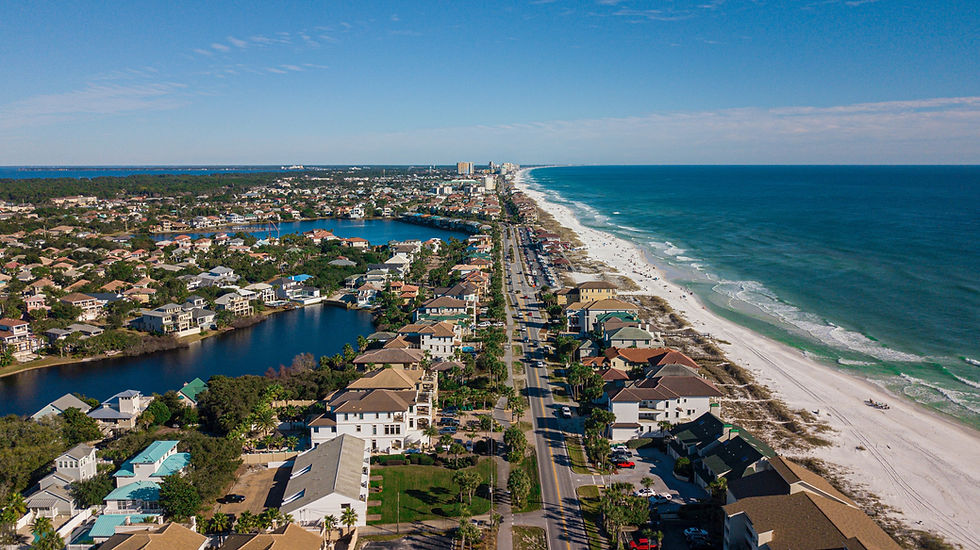
Most independent hosts on Washington's Outer Coast market their listing the same way: a handful of beach photos, "steps to the sand," and a booking calendar that goes quiet the moment Labor Day passes. That approach leaves real money on the table in Ocean Shores and Westport, because this stretch of coastline doesn't actually have an off-season, it has four distinct, well-established demand windows that guests already know about and actively search for.
Razor clam season pulls diggers to the beach from fall through spring. Storm-watching season, already branded and sold by local hotels as a dedicated package niche, runs November through March. Over in Westport, the surf scene draws a steady year-round crowd, with Half Moon Bay known locally and the nearby Jetty break drawing the area's most consistent surf traffic. And the Grays Harbor Lighthouse and wildlife refuge circuit, also on the Westport side of the harbor, brings a steady trickle of birdwatchers and nature-focused travelers who want quiet over crowds. A listing that only speaks to summer beach vacation is invisible to three of those four audiences.
This matters more here than in most short-term rental markets because the competitive bar isn't other independent hosts, it's professionally managed listing stock. Firms like Bloomer Estates and At The Beach Rentals already run polished, well-photographed listings across Ocean Shores and Westport, with copy that speaks directly to these seasonal audiences. An independent host competing on "cozy beach house" alone is competing on the wrong axis entirely. The way to win isn't beating that listing stock on price, it's out-specifying it on the events and activities that actually bring guests to this coastline. This is not legal advice.
Market Razor Clam Season Like It's Your Busy Season
Razor clamming isn't a weekend event, it's a recurring season running roughly from fall through spring, built around a series of announced dig dates tied to tide charts and shellfish safety testing, anchored publicly by the Razor Clam & Seafood Festival. That's a fundamentally different marketing problem than storm-watching or surf, because clam diggers plan trips around specific, published dates rather than a general seasonal mood.
For a listing, that means the calendar and the copy need to speak in dates and logistics, not just a mention that clamming happens nearby. Note whether the property has a spot to rinse gear and store clam guns or buckets, whether there's a mudroom or an outdoor sink, and whether the walk from the house to a common digging beach is realistic in the dark, since digs are frequently timed to low tides that fall before sunrise or after sunset depending on the season. Diggers booking around a specific announced date are motivated, planned travelers, closer in behavior to the golf traveler than the last-minute weekend beachgoer, and a listing that speaks their language captures bookings a generic "near the beach" description simply won't.
Because exact dig dates shift from year to year based on state announcements and safety testing, the listing description shouldn't lock in specific dates itself, that becomes stale fast and reads as out of date the following season. Instead, reference the season generally and point guests toward checking current state announcements, while keeping the property-specific logistics, gear rinse station, walk to the beach, parking, as the evergreen part of the copy that doesn't need updating every year.
Build a Real Storm-Watching Package Instead of Just Discounting
Winter storm season, roughly November through March, is already a marketed niche on this coast, hotels sell storm-watch rates and packages, so guests are already primed to search for exactly this. Treating this stretch as dead time and simply dropping the nightly rate is the weakest possible response to a demand pattern that already has a built audience actively looking for it.
A storm-watching package should be a named, bookable concept with its own section in the listing or its own add-on, not just an implied mood attached to a lower price. Structure it around what the guest is actually buying: an unforgettable view of a Pacific storm from somewhere warm and dry. That means calling out the specific features that deliver on that promise, a fireplace, ocean-facing windows, an elevated deck, and pairing them with small comfort amenities, a kettle, a French press, extra blankets, that reinforce the whole experience rather than leaving the guest to assume the house delivers on the promise without evidence.
Photography matters enormously here and is the detail most listings skip entirely. A gallery built exclusively from sunny summer shots tells a storm-season guest nothing about what the property actually looks and feels like during the exact season they're booking for. Photographing the property in genuine storm or overcast conditions, even just gray-sky, wind-blown shots of the same deck and windows featured in the summer photos, gives a winter guest something real to picture rather than asking them to imagine the summer version transposed onto a different season.
Speak Directly to Westport's Surf Audience
Westport is Washington's most established surf town, and surfers researching a trip already know the name, which means naming the specific breaks in a listing's content is a direct-match opportunity that most generic beach-rental listings miss entirely. Being precise about which break a property sits near signals real local knowledge to a guest who already knows the difference between them.
Half Moon Bay, known locally as The Cove, is a heavier, more experienced-surfer break, while The Jetty is the area's more consistently surfable spot and the one most visiting surfers are actually looking for. Getting this distinction right, rather than defaulting to whichever name sounds more scenic or more familiar, matters because a surfer who arrives expecting a beginner-friendly break and finds a heavier one loses trust in the rest of the listing's claims too.
Beyond naming the break accurately, useful surf-specific listing details include board and wetsuit rinse or storage space, proximity to the nearest surf shop for rentals or lessons, and any note about parking near the actual break rather than just "near the beach" in general. None of this requires the host to be a surfer, it requires naming what's already true about the property's location with the same precision a surfer would expect from a local friend giving directions.
Add the Lighthouse and Birdwatching Circuit as a Quiet Secondary Hook
Not every guest wants clamming, storms, or surf. The Grays Harbor Lighthouse and the surrounding wildlife refuge draw a smaller but consistent audience of birdwatchers and nature-focused travelers who are often booking shoulder-season midweek stays, exactly the listing stock that's hardest to fill through the other three demand drivers alone.
This audience doesn't need a dedicated section competing for space with clamming or storm-watching content, it needs a clearly labeled mention, quiet, specific, and honest about what's nearby, rather than folded vaguely into general "nature lover" language. A line naming the lighthouse and the refuge, and noting that the property suits a quieter, midweek stay, speaks directly to a traveler who has already ruled out the louder summer-beach version of this coastline and is looking for exactly this alternative.
Because this audience tends to travel midweek and outside peak season, it's also worth adjusting minimum-night requirements or offering a modest midweek rate specifically pitched around this circuit, rather than applying the same weekend-minimum structure built for summer beachgoers to a February Tuesday that would otherwise sit empty.
Treat Westport and Ocean Shores as Two Different Markets
Treating these two towns identically in marketing is a missed opportunity. Ocean Shores has the broader draw for clamming and storm-watching, since it sits at the geographic and tourism center of this stretch of coast, but the surf and lighthouse and refuge drivers are actually rooted in Westport, a short drive south, not in Ocean Shores itself. Ocean Shores hosts can still reference those Westport draws as regional color; Westport hosts should own them directly as their primary identity.
Westport's numbers run softer on ADR and occupancy, which means diluted, generic marketing hurts more here than it does in Ocean Shores. Westport should lean hard into its two strongest, most defensible identities: its marina and working harbor character, and its status as the actual home of the area's surf breaks. A Westport listing that tries to be a little bit of everything reads as generic next to a professionally managed Ocean Shores listing built for scale across all four demand drivers.
A Westport listing that instead owns "marina town, real surf town, real working harbor" has a much stronger story to tell against that same competition, precisely because it isn't trying to compete on the same breadth Ocean Shores can offer. Practically, that means a Westport host's photography, titles, and descriptions should center the harbor and the surf breaks first, with clamming and storm-watching mentioned as regional activities a short drive away rather than as the property's own headline draw.
Building a Calendar That Actually Reflects Four Seasons
Once the copy speaks to all four audiences, the booking calendar and pricing strategy should follow the same logic rather than defaulting to a single summer-peak curve with a flat discount for the rest of the year. Razor clam season and storm-watching season both run through the fall and winter, which means the property's slowest calendar months by generic standards are actually two separate, real demand windows if the listing is built to capture them.
That might mean setting different minimum-night requirements by season, a longer minimum for a summer weekend, a shorter or midweek-friendly minimum during the lighthouse and refuge circuit's quieter months, and pricing storm-watching weekends closer to summer rates rather than treating them as off-season discounts, since demand for an already-marketed niche doesn't behave like true off-season demand.
The larger shift this requires is treating the calendar as four overlapping micro-seasons rather than one long summer and one long off-season. Hosts who make that shift, in both the copy and the pricing, stop competing for the same shrinking slice of purely summer travelers and start capturing four separate, already-existing audiences who were never going to book the generic "steps to the sand" listing in the first place.
A Worked Example: Rewriting a Generic Listing for Each of the Four Seasons
Consider a single Ocean Shores property currently marketed with one static description built entirely around summer: "steps to the beach, perfect family getaway." Rewritten for a clam-digging guest, the same property's fall listing might read: "A five-minute walk to the digging beach, with a mudroom for gear and a rinse station for boots and buckets, near the announced fall dig dates." Nothing about that sentence requires guessing new amenities, it requires naming what's already there in the language a diggers actually search for.
For the same property in December, storm season framing might read: "Watch a Pacific storm roll in from the fireplace and the ocean-facing deck, kettle and extra blankets included." And for a Westport property near The Jetty, a surf-season version might read: "Two minutes from The Jetty, Westport's most consistently surfable break, with board rinse space by the back door." Each version speaks to a specific, motivated traveler using only details that are already true about the property, rearranged and emphasized differently by season.
None of these rewrites require new construction or new amenities, they require noticing what's already true about a property and describing it in the specific language each seasonal audience is already using to search. That's the actual work of year-round marketing on this coastline: not four different houses, one house described honestly and specifically enough that each of its four real audiences recognizes their own trip in it.
Guest Communication Should Match the Season Too
The seasonal specificity that belongs in the listing description should extend into pre-arrival messaging as well, since each of these four audiences arrives with different practical questions that a generic welcome message never anticipates. A clam-digging guest benefits from a pre-arrival note confirming current dig-date announcements and reminding them to check state requirements before they dig, since that information changes year to year and a listing description alone can't stay current on it.
A storm-watching guest benefits from a note about what to expect if a genuinely severe storm rolls through during their stay, whether power has ever gone out, where flashlights and candles are kept, and how to reach the host if conditions turn worse than expected. A surfer benefits from current, specific information about board rental or repair shops nearby, since gear breaks and a local recommendation solves a real problem quickly. None of this is complicated to write once, but it needs to exist as four separate short messages rather than one generic welcome template applied to every guest regardless of why they actually booked.
Building these seasonal message templates once, alongside the seasonal listing copy, means the specificity that wins the booking in the first place carries all the way through to the stay itself, rather than a sharp, tailored listing giving way to a generic, one-size-fits-all guest experience the moment the reservation is confirmed.
Related Reading
More independent-host reading on listing copy, calendars, and operable decisions guests can trust.
Frequently Asked Questions
When is razor clam season on the Washington coast?
Razor clam digging generally runs from fall through spring, with specific dig dates announced by the state based on tide charts and required shellfish safety testing. Exact dates shift year to year, so hosts and guests should check current state announcements rather than relying on a fixed calendar in a listing description.
What should I include in a storm-watching rental package?
Focus on the view, a fireplace, ocean-facing windows, an elevated deck, hot-drink amenities such as a kettle or coffee maker, and a flexible weather-related cancellation or rescheduling policy. Photograph the property in actual storm or overcast conditions, not just sunny weather, so guests can picture what they're actually booking.
Is Half Moon Bay a good beginner surf spot?
No, Half Moon Bay, known locally as The Cove, is generally described as a heavier, more experienced-surfer break. Westport's Jetty break is the area's most consistently surfable spot and the one more commonly recommended to visiting surfers. Hosts marketing to surfers should name the specific break accurately rather than assuming any one break suits all skill levels.
How is marketing a Westport rental different from an Ocean Shores rental?
Westport's occupancy and ADR run softer than Ocean Shores', so its marketing benefits from a narrower, sharper identity built around its marina and surf-adjacent character, rather than trying to compete broadly across all four demand drivers the way a centrally located Ocean Shores property can.
Do I need to compete directly with professional property managers like Bloomer Estates or At The Beach Rentals?
Not on volume or pricing, but a listing does need to match their production quality, clear seasonal positioning, specific amenity callouts, and professional photography. Independent hosts can win by being more specific about niche demand, clam season, storm packages, surf gear, than a larger property-management portfolio typically bothers to be.
Is the Grays Harbor Lighthouse and wildlife refuge worth marketing to if the audience is small?
Yes, as a secondary hook rather than a headline driver. It's a low-competition angle that helps fill shoulder-season and midweek gaps that clam, storm, and surf guests don't typically fill, without requiring a major shift in a listing's primary positioning.
Should I lower my minimum-night requirement for storm-watching season?
It's worth considering, since storm-watching demand often comes in shorter, weekend-length trips rather than week-long summer stays. A shorter minimum during that window can capture bookings a summer-style minimum-night rule would otherwise turn away.
How do I know which of the four demand drivers to lead with in my listing?
Match the lead to the property's actual location and strengths. A centrally located Ocean Shores property can speak to clamming and storm-watching as headline draws; a Westport property should lead with its marina and surf character first, with the other drivers mentioned as regional color.
Should photography change by season, or is one photo set enough year-round?
A single summer-only photo set undersells a property to storm-watching and shoulder-season guests, since they can't picture what the house looks like in the actual conditions they're booking for. Adding even a handful of storm-condition or off-season shots strengthens the listing for those specific audiences.
What's the biggest mistake independent hosts make on this stretch of coast?
Treating the calendar as one long summer season followed by a flat off-season discount, rather than recognizing that razor clamming, storm-watching, surf, and the lighthouse circuit are four separate, already-existing audiences that a generic "steps to the sand" listing never speaks to directly.
Work with Crest & Cove Creative
Four Seasons, Not One: Marketing an Ocean Shores or Westport Rental Year-Round only works when the listing shows operable facts guests can check. Cut soft slogans that hide the real stay.
If your listing still goes quiet after Labor Day, Crest & Cove can help you build copy and a calendar strategy around the four demand windows this coastline actually has. Reach out at crestcove.co or (256) 998-7502.
Reach out at crestcove.co or (256) 998-7502.


Comments