
How to Market a Whitefish, MT Stay Without Borrowing Kalispell

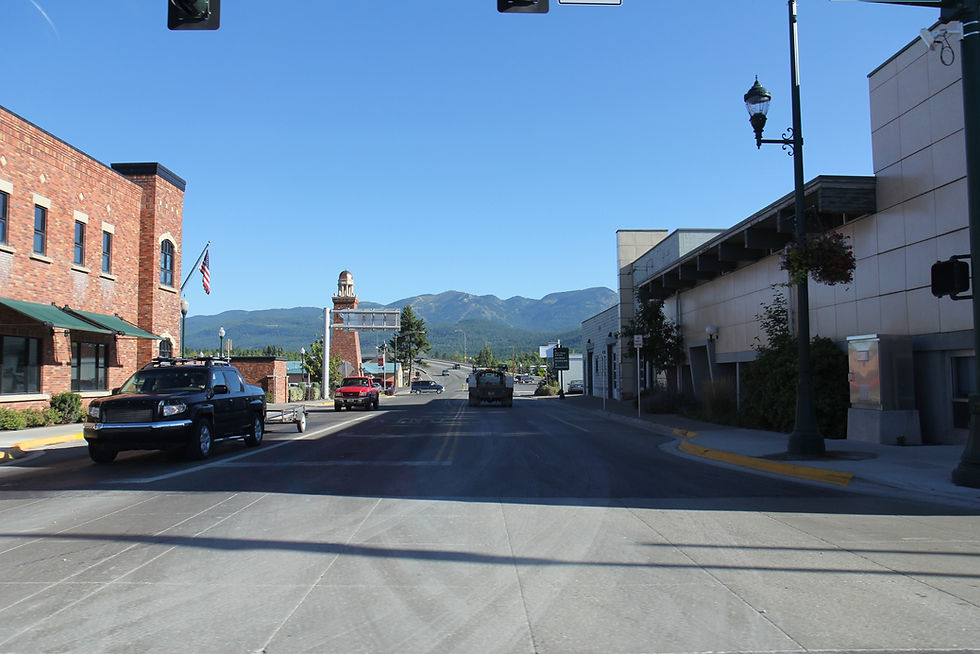
Pull up ten Whitefish listings on a Friday night and count how many of the first photos are the same interior-corner shot every mountain-town rental in the country uses — a stone fireplace, a plaid throw, a deck railing with no view attached to it. Now count how many actually show Whitefish Lake, the downtown grid a guest can walk to dinner from, or the drive into Glacier National Park that half these bookings exist to make possible. The gap between those two counts is the whole marketing problem this post is about.
Whitefish sells itself on specifics a generic mountain listing can't touch: a real lake, a real downtown, and one of the most direct Glacier gateway positions in the state, with Whitefish Mountain Resort sitting nearby as a bonus amenity rather than the whole pitch. A listing that photographs and writes toward those specifics — instead of a vague 'mountain retreat' template borrowed from a neighboring market — is doing marketing. Everything else is decoration. This is not legal advice.
Stop writing the listing for Big Sky's guest
Big Sky's short-term rental economics run on a resort-adjacent, higher-price, property-management-heavy model, and it's tempting to copy that market's polished, ski-brochure tone because it photographs well. But Big Sky's guest is booking a resort experience first and a town second. Whitefish's guest is booking a town — lake, downtown, Glacier drive — and a mountain second, even in ski season.
That distinction should show up in your title and your first line of description. A title built around 'Ski Resort Retreat' language undersells what actually draws most Whitefish bookings and puts you in direct comparison with listings that genuinely are inside a resort footprint. A title that names the lake, downtown proximity, or Glacier access is doing the more honest and more effective job.
Merchandise the lake first, not last
Whitefish Lake is the single biggest differentiator this town has over almost every other mountain market in the state, and it belongs in the first sentence of your description and among the first five photos — not buried in an amenities bullet list six paragraphs down. If your property has any lake proximity, lake view, or reasonable walk or drive to public lake access, say so specifically: distance, whether it's a beach or a boat launch, and what a guest can actually do there.
If your property doesn't have direct lake access, don't pretend it does — but do tell the guest exactly how far the drive or walk is, because 'near Whitefish Lake' with a real number attached is more useful and more trustworthy to a guest than a vague claim. Specificity reads as confidence. Vagueness reads as something to hide.
Sell downtown as a walk, not a mention
Whitefish's downtown grid is compact and genuinely walkable, and that walkability is a selling point most listings underuse. Rather than a generic 'close to shops and restaurants' line, name the actual walk: how many blocks, how many minutes, and what's actually there — the specific mix of restaurants, the brewery scene, the railroad depot. Guests booking a mountain-town stay are frequently weighing whether they'll need a car for everything, and a listing that answers that question directly removes a real point of hesitation.
Photograph the walk itself if you can — a daytime shot of the block your listing sits near, not just the interior of the unit. Guests are trying to picture their trip, and a photo of the actual street does more work than another living-room angle.
Frame the Glacier drive honestly
A meaningful share of Whitefish bookings exist because of proximity to Glacier National Park, and your listing should say so directly — including an honest drive-time estimate to the west entrance, not a vague 'near Glacier' claim. Guests planning a park visit are often booking their lodging around drive time as much as anything else, and a specific number builds trust while a vague claim invites second-guessing.
Where relevant, note that Glacier's entrance reservation system has operated in recent seasons and that guests should check the park's current entry requirements directly with the National Park Service before their trip — don't guess specific dates or windows for a program that changes year to year. Sending guests to the authoritative source is better marketing than guessing at details you can't confirm.
Use Whitefish Mountain Resort as a bonus, not the headline
The ski resort is a genuine amenity and belongs in your listing, but it shouldn't be the lead unless your property is genuinely ski-in or ski-adjacent. For most Whitefish listings, the resort reads more honestly as a nearby amenity — a winter option a few minutes' drive away — layered on top of the lake-and-downtown identity that carries the listing the rest of the year.
This framing also protects your calendar. A listing that leads entirely with skiing implicitly tells summer guests they're looking at the wrong place, even though summer is when this market's peak revenue month actually lands. Lead with the town identity that works twelve months a year, and let the resort be the seasonal bonus paragraph.
If your property is genuinely close enough to the resort to matter for skiers — a short drive, reliable winter road access — say so with the same specificity you'd use for the lake or downtown: distance, drive time in typical winter conditions, and whether shuttle service is realistically an option. Vague proximity claims read as filler; specific ones read as useful trip planning.
Build a calendar that matches the real season shape, not a guess
This market's peak runs through the summer Glacier season with a secondary ski-season bump, and the softest stretch falls in the shoulder months around spring and late fall. Minimum-stay requirements and pricing should track that shape directly: protect the confirmed peak weekends with tighter minimums and premium pricing, and loosen up specifically during the confirmed trough rather than discounting broadly across the whole calendar.
Don't discount your way into competing with a cheaper neighboring town's identity. Dropping rate during peak season to compete with Columbia Falls-level pricing sacrifices revenue during the exact weeks Whitefish's own demand is strongest, and it teaches repeat guests to wait for a discount that shouldn't exist during the town's best weeks.
Write amenity tags a guest actually searches for
Search platforms surface listings based partly on tag and keyword matching, and a Whitefish listing that only tags generic mountain-cabin amenities is missing searches guests are actually running — lake access, walk-to-downtown, Glacier National Park proximity, remote-work-friendly Wi-Fi if that applies to your unit. Go through your listing's tags and description with those specific search terms in mind rather than a generic amenities checklist.
This is also where persona-specific language pays off. A family planning a Glacier trip searches differently than a ski weekender, and a downtown-and-lake July guest searches differently than either. Weaving language that speaks to each of those readers — without turning the listing into a bulleted persona list — widens the set of searches your listing can actually surface in.
Get the first five photos in the right order
Most guests decide whether to click into a listing within seconds of scanning the photo thumbnail row, which means the first five images are doing more marketing work than the entire written description combined. For a Whitefish listing, that sequence should open with whichever real differentiator your property actually has — a lake view, a downtown-block exterior shot, or a genuine Glacier-facing vista — before moving into interior shots.
A common mistake is leading with the best interior photo because it's the most polished image in the folder. Polish matters less than relevance here: a guest scrolling past a dozen similar mountain-town interiors won't stop for another one, but a real lake or Glacier-adjacent shot breaks that pattern immediately. Save the interior tour for photos six through twelve, once the guest has already decided this property's location is worth a closer look.
If your property genuinely lacks a standout exterior or view shot, don't force one — use a strong, well-lit photo of the most distinctive interior space instead, and lean harder on the written description to carry the location specifics. Forcing a mediocre exterior shot to the front of the sequence does more harm than skipping straight to a genuinely good interior image.
Seasonal accuracy matters here too. A photo set shot in July snow-free conditions can mislead a guest booking a January ski trip, and the reverse is just as true. If you only have one season's photo set, say so plainly in the description rather than letting a guest arrive to a property that looks nothing like what they booked.
Match your description's opening line to what guests actually type
The first sentence of a listing description functions almost like a headline, and it's worth treating it that way. A generic opening — 'Welcome to your mountain getaway' — wastes the highest-attention real estate in the entire listing on language that could describe thousands of other properties nationwide. A specific opening that names Whitefish Lake, the downtown walk, or the Glacier drive immediately signals to a scanning guest that this listing knows exactly what it is.
Write that first line the way a guest would describe the trip to a friend, not the way a real estate listing describes a floor plan. 'A five-minute walk to downtown Whitefish and twenty minutes from the west entrance of Glacier' tells a guest more in one sentence than a paragraph of generic mountain-retreat language ever could.
Keep the neighboring towns out of your own marketing copy
It's tempting to borrow a bit of credibility from a better-known neighboring market by name-dropping it in your description — 'near Kalispell,' 'close to Big Sky' — but this usually does more harm than good for a Whitefish listing. Guests searching for Whitefish specifically are looking for Whitefish; pulling their attention toward a different town's identity, even in passing, muddies what should be a clear, confident pitch for the town you're actually in.
The exception is genuine, useful proximity information stated plainly — noting that Kalispell Glacier Park International Airport is the nearest airport, for instance, is practical guest information, not marketing borrowing. The line to watch is between useful logistics and stealing another town's brand equity to prop up your own listing.
This distinction gets harder to hold when a listing is competing directly against Kalispell listing stock for the same search terms. The temptation is to make the two towns sound interchangeable so a guest comparing both doesn't feel like they're choosing between different experiences. Resist that. The honest pitch — this is Whitefish, here's exactly what that means — wins guests who actually want what this town offers, and those are the guests who leave the reviews that keep bringing more bookings.
A self-diagnosis checklist before you touch the listing
Before rewriting anything, run your own listing against a short list of honest questions. Does the title mention Whitefish Lake, downtown, or the Glacier drive by name — or does it lean on a generic phrase like "mountain getaway" that could describe a hundred other towns? Do the first five photos open with something a guest would recognize as unmistakably Whitefish, or could that same photo set belong to a listing in Big Sky, Kalispell, or any other Rocky Mountain resort town? Is Whitefish Mountain Resort framed as a bonus amenity, or does it accidentally read as the headline for a property that isn't actually ski-in/ski-out?
Most generic listings fail this check in the same two or three places, not everywhere at once. A host who catches the problem in the title but never fixes the photo order, or fixes the photos but leaves the amenity tags untouched, is still leaving bookings on the table — search platforms and guests both read the whole listing, not just the strongest section. Work through the checklist section by section rather than assuming one fix covers the rest, and re-check it again after a season passes, since the guest language that worked two years ago can drift out of date as the market's supply and pricing shift underneath it.
Related Reading
More How to Market a Whitefish, MT Stay Without Borrowing Kalispell host reading on desks, calendars, and listing clarity.
Whitefish, MT STR Market Report 2026: A Glacier Town's Own Year
Whitefish, MT Short-Term Rental Rules: The City Desk, Explained
Remote Work From Whitefish, MT: A Real Desk, Not a Cheap Month
DIY vs. Hire: Whitefish, MT Listings That Still Read Generic
Buying a Whitefish, MT Rental in 2026: Underwrite This Town's Own Year
Whitefish vs. Kalispell: Two Towns, Two Very Different Years
Frequently Asked Questions
How do I make my Whitefish rental listing stand out?
Lead with the specifics this town actually offers — lake proximity, walkable downtown access, and honest Glacier National Park drive time — instead of a generic mountain-cabin template. Photograph the lake, the block your listing sits near, and the view, not just interior corners. Specific, honest details outperform polished but vague language.
Should my listing focus on skiing or on summer?
Neither exclusively — but don't lead with skiing if your property isn't genuinely ski-adjacent. This market's peak revenue month lands in summer, so a listing that only markets winter is undercutting its own strongest season. Frame Whitefish Mountain Resort as a bonus amenity and let the lake-and-downtown identity carry the year-round pitch.
How much should I mention Whitefish Lake in my listing?
As much as is honestly true. If you have lake access or a real view, put it in the first sentence and among the first five photos. If you don't have direct access, give an honest distance or drive time rather than a vague 'near the lake' claim — specificity builds trust even without direct access.
Should I compare my listing to Big Sky in my marketing?
No. Big Sky runs on a different, resort-driven pricing and guest model, and comparing your Whitefish listing to it either invites an unfavorable comparison or sets guest expectations your property can't meet. Market Whitefish as its own town.
What should I say about Glacier National Park in my listing?
Give an honest drive-time estimate to the park entrance and note that entrance requirements can change by season — direct guests to check current park rules with the National Park Service rather than stating specific reservation dates yourself, since those change year to year and shouldn't be guessed at.
How should I handle pricing during the shoulder season?
Drop minimum-stay requirements specifically during the confirmed soft months rather than discounting broadly across your whole calendar. Protect peak-season pricing and minimums; use targeted shoulder-season offers instead of a blanket rate cut that trains guests to expect discounts during your best weeks too.
Does downtown walkability actually matter for bookings?
Yes — many guests are weighing whether they'll need a car for the whole trip, and a listing that clearly answers how walkable it is to downtown restaurants and shops removes a real point of hesitation. Name the actual distance and what's there rather than a vague 'close to town' line.
Should I mention Kalispell in my Whitefish listing?
Generally no. Whitefish and Kalispell are different towns with different guest profiles and different desks for permitting, and borrowing Kalispell's identity or comparing your listing to it muddies what's actually a distinct sell — lake, downtown, and Glacier access that Kalispell doesn't offer in the same way.
What amenity tags should a Whitefish listing prioritize?
Go beyond generic mountain-cabin tags to specific, searchable terms: lake access, walk-to-downtown, Glacier National Park proximity, and remote-work amenities like reliable Wi-Fi and a real desk if those apply. These match what guests are actually typing into search rather than a generic checklist.
How often should I update my listing photos?
Whenever the season's defining feature changes meaningfully — lake conditions in summer, snow on the mountain in winter — since guests are booking based on what they'll actually see when they arrive. A photo set that only shows one season misrepresents the property for bookings made in a different one.
Work with Crest & Cove Creative
A Whitefish listing photographed and written like a generic mountain cabin loses bookings to competitors that actually show the lake, the downtown walk, and the Glacier drive. Name the failure mode the guest can check on the listing.
If your listing still leans on stock mountain-town language instead of Whitefish's own lake-and-downtown identity, a marketing audit can show you exactly where the gap is costing bookings. Name the failure mode the guest can check on the listing.
Reach out at crestcove.co or (256) 998-7502.


Comments