
How to Market a Provincetown STR: Selling the Town, Not the Beach

Updated: Aug 27
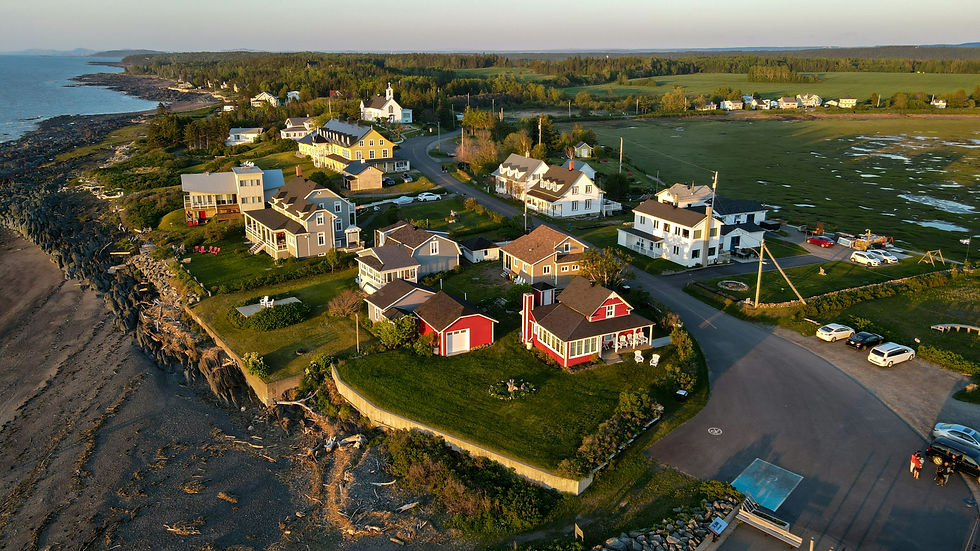
Search any generic "Cape Cod beach rental" and the results blur into a single template: white trim, blue hydrangeas, a porch swing, a title like "Charming Coastal Retreat." That template works fine for Dennis or Yarmouth. It actively undersells Provincetown, and most short-term rental listings in this specific town are still marketed as though they could be anywhere on the peninsula, which leaves the entire reason a guest chooses Provincetown over Chatham, Wellfleet, or Falmouth sitting untouched on the table.
Provincetown isn't a beach town that happens to have some galleries attached. It's one of the oldest continuous art colonies in the country, the birthplace of American modern theater, a National Historic Landmark District, and, for a large and loyal share of travelers, the most welcoming, unapologetically inclusive destination in New England. Guests booking here aren't just booking square footage near the water. They're booking proximity to Commercial Street, to Pride week, to the Fine Arts Work Center, to a town where the trip's whole point is the town itself, at $39,853 against peak occupancy that is not the whole year. If you're figuring out how to market a Provincetown short-term rental, the highest-leverage move isn't a better price or a nicer duvet. It's building the entire listing, photos, copy, pricing calendar, positioning, around what actually makes this town different. This is not legal advice.
Lead With Culture, Not "Cape Cod Beach House"
Provincetown's identity rests on four pillars that no other Cape town can claim at the same depth, and a listing that fails to pick one of them as its primary pitch is competing on the wrong terms entirely. Arts heritage comes first: the Provincetown Art Association and Museum, founded in 1914, anchors a gallery scene running dozens of working studios along Commercial Street and Bradford Street. The Provincetown Art Colony predates most of what people now think of as American modern art, and the town still draws working painters, printmakers, and gallery owners every summer season.
Literary and theatrical history is the second pillar. Eugene O'Neill's first plays were staged here by the Provincetown Players in 1916, a lineage the Provincetown Theater and the Fine Arts Work Center actively carry forward today through residencies, readings, and live performances. A listing near this corridor that never mentions it is skipping a genuinely distinguishing detail that a culturally-minded guest is actively searching for.
Third is the town's identity as a defining LGBTQ+ vacation destination, a status it has held for decades and one that isn't a footnote, it's often the primary reason a specific guest is booking in the first place. Family Week, Girl Splash, Bear Week, Carnival, and Provincetown Pride each draw a specific, loyal, repeat-visitor audience that returns year after year, and a listing that never acknowledges this reads as out of step with the town to any guest who already knows Provincetown well.
Fourth is the working harbor and natural landscape: this remains a genuine fishing town, with MacMillan Pier still operating as a working harbor, sitting alongside the Cape Cod National Seashore, the dune shacks, and some of the best whale-watching departures anywhere in New England. A property's photos and copy should reflect whichever of these four pillars it sits closest to and is genuinely best suited for, not a generic beach-house template borrowed from a different kind of Cape town entirely.
Shoot the Town, Not Just the Unit
Because Provincetown listing optimization depends so heavily on context, a photo set here needs to do meaningfully more work than a typical short-term rental listing. A generic photography checklist, bright kitchen, made bed, staged coffee table, gets a listing to competent. It does not get a listing to obviously the right choice for a specific guest's specific trip, which is the actual bar in a market this culturally dense.
A few concrete additions are worth prioritizing over the standard checklist: a genuine gallery-row or harbor-adjacent street shot rather than only interior photos, an honest daylight walk-time image if the unit sits close to Commercial Street, and, where the property and its guest profile genuinely fit, a photo or caption that speaks to a specific audience, family-friendly arts programming, a particular theme week's community, without excluding anyone else. Calling out that fit specifically, and pricing for that week's real demand curve, captures bookings that flat, undifferentiated pricing misses entirely.
None of this requires professional photography beyond what general STR guidelines already recommend. It requires briefing whoever shoots the property, professional or otherwise, on the specific context this town rewards: walk-distance proof, neighborhood character, and an honest representation of exactly where the unit sits relative to Commercial Street, rather than the generic staged-interior set that would serve a listing anywhere else on the Cape equally well.
Walkability Isn't a Feature Here, It's a Different Product
This is the single most under-marketed distinction in Provincetown short-term rental listings: a stay inside walking distance of Commercial Street and a stay in the West End, Beach Point, Truro-adjacent, or outer areas are genuinely two different products, and they need two entirely different pitches, not the same listing template with the address swapped out.
Commercial Street runs roughly three miles end to end, but the dense, walkable core, where galleries, restaurants, T-dances, and nightlife all cluster together, is a much tighter stretch through the town center. A guest booking a downtown-walkable unit wants proof of that proximity front and center: the walk time to the pier, to the gallery district, to the restaurant strip, stated plainly rather than implied.
A guest booking an outlying stay, Beach Point, Herring Cove-adjacent, the Route 6 corridor, or a Truro border property marketed as "near Provincetown," wants an entirely different pitch: quiet, parking availability, proximity to nature and the National Seashore, and an honest acknowledgment that a car or a longer walk is part of the deal. Trying to market an outlying property as walkable to everything, or a downtown unit as peaceful and secluded, creates a mismatch that shows up in reviews within the first season, because guests notice the gap between the pitch and the actual arrival experience immediately.
Precision here isn't just an honesty exercise, it's the fastest route to guests who will actually be happy with what they booked, stay longer, and leave five-star reviews that specifically mention what was promised and delivered, rather than reviews that quietly note a mismatch between the listing copy and the real walk to town.
Pricing the Calendar Like Provincetown Actually Runs
Flat seasonal pricing, one summer rate, one shoulder rate, one winter rate, leaves real money on the table in a town whose calendar is built around named weeks with their own distinct, loyal audiences rather than a single smooth summer demand curve. Provincetown Pride, held in early June, is a high-demand, book-early weekend with an audience entirely separate from general peak summer travel; it often sells out independently of the rest of June and deserves its own rate tier and minimum-stay requirement, not treatment as an extension of a generic June weekend rate.
Whale-watching season runs mid-April through October, with April through June generally considered peak for sightings, a window wider than most hosts actually price for. Spring whale-watching travelers represent a genuine, underpriced demand segment for shoulder-season Provincetown; April and May rates set too low relative to summer are very likely leaving both spring bookings and spring guests on the table entirely.
Carnival, held mid-to-late August, is one of the single biggest weeks on the entire Provincetown calendar, built around a different theme each year, complete with a parade down Commercial Street, costume balls, and packed nightlife throughout the week. This is consistently one of the highest-demand weeks of the year and should be priced and minimum-stayed well above a standard August weekend, not folded into the same rate as any other summer week.
Family Week and the other theme weeks running July through September each draw a specific, repeat-visitor community with its own booking rhythm. Fall arts and film season, September through October, brings the gallery scene and a genuine film-festival crowd, creating a real shoulder-season demand bump that a lot of hosts under-price simply because they're still thinking in blunt "summer versus off-season" terms rather than the town's actual, more granular annual rhythm.
Building the Actual Event Calendar Into Your Rate Sheet
The practical takeaway across every named week above is the same: build a Provincetown-specific event calendar listing each named week and season, set independent minimum stays and rate floors for whichever ones matter most to a given property type, and revisit that calendar every single year, since Carnival's theme, exact festival dates, and some event schedules shift annually rather than staying fixed.
A rate strategy copied wholesale from a generic Cape Cod pricing tool will consistently underprice the weeks that actually matter most here, Pride, Carnival, peak foliage-adjacent September dates, while sometimes overpricing the quieter stretches where guests are specifically shopping on value rather than on a named event. Neither error is neutral; the first leaves booked-out-anyway revenue on the table, and the second scares off exactly the value-conscious shoulder-season guest a host most needs to fill a quiet week.
Both Pride week and Carnival tend to attract loyal, repeat visitors who book meaningfully further ahead than typical short-term rental lead times. Opening a calendar early for these specific weeks, with clear minimum-stay rules already in place, captures demand that a flat "just open twelve months out at one rate" approach reliably misses, because by the time that approach would normally start adjusting price upward for demand, the loyal repeat visitors have often already booked elsewhere.
What $39,853 Actually Tells You About Positioning
Provincetown's typical annual figure of $39,853 is a genuinely strong number for a Cape Cod town, and it's worth being precise about what it does and doesn't say to a host trying to decide how aggressively to differentiate a specific listing. Peak occupancy is not the year. A strong Carnival week or a sold-out Pride weekend tells you almost nothing about whether the same property is capturing its fair share of the quieter stretches between named events, and it's exactly those quieter stretches where generic beach-house copy costs a host the most, because there's no built-in event demand carrying the booking regardless of how the listing reads.
A property that leans fully into its cultural positioning, naming the specific pillar it's closest to, arts, theater history, the inclusive-destination identity, or the working harbor, tends to close the gap between its peak-week performance and its shoulder-week performance more effectively than a listing that only differentiates during named events and reverts to generic coastal language the rest of the year. The named weeks will fill themselves with reasonable pricing discipline. The value of a sharp, specific listing shows up most in the weeks that don't have a festival doing the marketing work for you.
That's the real argument for treating this town's positioning as a year-round discipline rather than a seasonal marketing push timed around Pride and Carnival. A guest searching for a quiet October gallery weekend, or a spring whale-watching trip, is reading listing copy with the same scrutiny as a guest booking peak August, and a listing that only sounds like Provincetown during its two biggest weeks is leaving exactly the shoulder-season guest this town increasingly depends on unconvinced.
Putting It Together Without a Full Listing Rebuild
None of this requires rebuilding a listing overnight. The highest-leverage first move depends on which product a specific property actually is: if it's downtown, tighten the walk-time copy and swap in a gallery-row or harbor-adjacent photo as one of the first images a guest sees. If it's outlying, lean fully into the quiet-and-parking pitch instead of apologizing for the distance, framing the drive as an advantage for guests who specifically want that.
Then layer in calendar-aware pricing for Pride, Carnival, and whale-watching season ahead of the next peak booking window, rather than waiting until those dates are already approaching to notice the calendar hasn't been updated. The listings that consistently outperform in this specific market aren't the ones with the best amenities list. They're the ones that read like they were written by someone who genuinely knows the town, because guests booking Provincetown are choosing the town first and the room second, and a listing that understands that ordering wins the comparison every time against the guesthouse three doors down still running generic beach-house copy.
Related Reading
Keep reading on Crest & Cove — same-cluster pages and the listing system we use nationwide: Provincetown Report: AirROI Town Towns, Not Leftover · How to Market a Short-Term Rental in Destin, FL: The World's Luckiest Fishing Village Playbook · Massachusetts Outer Cape & North Shore STR Market Report 2026.
Frequently Asked Questions
Do I need professional photography specifically tailored to Provincetown, or will general STR photo guidelines work?
General guidelines, bright, well-composed, decluttered, still apply as a baseline, but Provincetown listing optimization benefits from additions those general guidelines skip entirely: walk-distance context, neighborhood character shots, and an honest representation of exactly where a property sits relative to Commercial Street. A generalist photographer without local knowledge may miss these details unless specifically briefed on them.
How far in advance should I open my calendar for Pride week and Carnival?
Both weekends draw loyal, repeat visitors who typically book well ahead of standard short-term rental lead times. Opening a calendar early for these specific weeks, with clear minimum-stay rules already set, captures demand that a flat, undifferentiated twelve-months-out pricing approach consistently misses.
Is it worth marketing to the whale-watching crowd if my property isn't right on the water?
Yes. Whale-watching trips depart from MacMillan Pier in the town center, so proximity to town matters more for this segment than an actual water view does. A walkable downtown unit can market directly to spring whale-watching travelers even without any view of the harbor.
Should I mention Provincetown's LGBTQ+ identity in my listing even if I'm not specifically targeting that market?
It doesn't need to be the centerpiece of the listing if it isn't central to a property's positioning, but avoiding the topic entirely, or defaulting to generic "Cape Cod beach house" language, can read as out of step with the town to guests who already know Provincetown well. Accurate, respectful representation of the destination generally serves every listing better than a scrubbed, generic version of the town.
What's the biggest mistake outlying-property hosts make when marketing their listing?
Implying walkability to Commercial Street when the honest distance actually requires a car or a genuinely long walk. That mismatch is one guests notice immediately on arrival, and it shows up in reviews soon after. Leading instead with the quiet, parking, and nature-access advantages of an outlying location performs better and sets accurate expectations from the first click.
How often should I update my pricing calendar for theme weeks and events?
At least once a year, since Carnival's annual theme, some event dates, and festival schedules shift year to year rather than staying fixed. Revisiting the calendar each winter, before the following season's bookings open, keeps minimum stays and rate floors aligned with actual demand instead of last year's dates.
What's the difference between marketing a downtown-walkable unit and an outlying one?
A downtown-walkable unit should lead with proven proximity, walk time to the pier, the gallery district, and the restaurant strip, stated plainly. An outlying unit should lead with quiet, parking availability, and proximity to nature and the National Seashore, while being upfront that a car or a longer walk is part of the deal. They're different products and need different pitches, not the same template with a different address.
Why does Carnival deserve its own pricing tier instead of a standard August rate?
Carnival, held mid-to-late August, is consistently one of the highest-demand weeks of the entire Provincetown calendar, built around a parade down Commercial Street, costume balls, and packed nightlife each year around a new theme. Pricing it the same as a standard August weekend leaves genuine, provable demand unpriced.
Is whale-watching season really wider than most hosts realize?
Yes. It runs mid-April through October, with April through June generally considered peak for sightings, a window most hosts underprice because they're thinking of it as a narrow add-on rather than a real, multi-month shoulder-season demand segment worth its own rate logic.
What should I do first if I don't have time to rebuild my whole listing right now?
Start with the single highest-leverage fix for the specific property: downtown units should tighten walk-time copy and swap in a gallery-row or harbor photo; outlying units should lean into the quiet-and-parking pitch. Then layer in calendar-aware pricing for Pride, Carnival, and whale-watching season before the next peak booking window opens.
Does fall really bring a genuine shoulder-season demand bump, or is that mostly foliage tourism from elsewhere on the Cape?
Provincetown's own gallery scene and film-festival crowd create a real September-through-October demand bump distinct from generic Cape Cod foliage tourism. Hosts who are still thinking in blunt summer-versus-off-season terms tend to under-price this specific window rather than treating it as its own event-driven shoulder season.
Work with Crest & Cove Creative
How to Market a Provincetown STR: Selling the Town, Not the Beach House only works when the listing shows operable facts guests can check. Cut soft slogans that hide the real stay.
Write this town's year. Do not file another market's number as this stay. Reach out at crestcove.co or (256) 998-7502. Send the live listing draft and the facts you can actually cite. We will pressure-test what stays public before you scale the claim.
Reach out at crestcove.co or (256) 998-7502.



Comments