
Marketing Systems for Hosts With 2–10 Short-Term Rentals

Updated: Aug 21
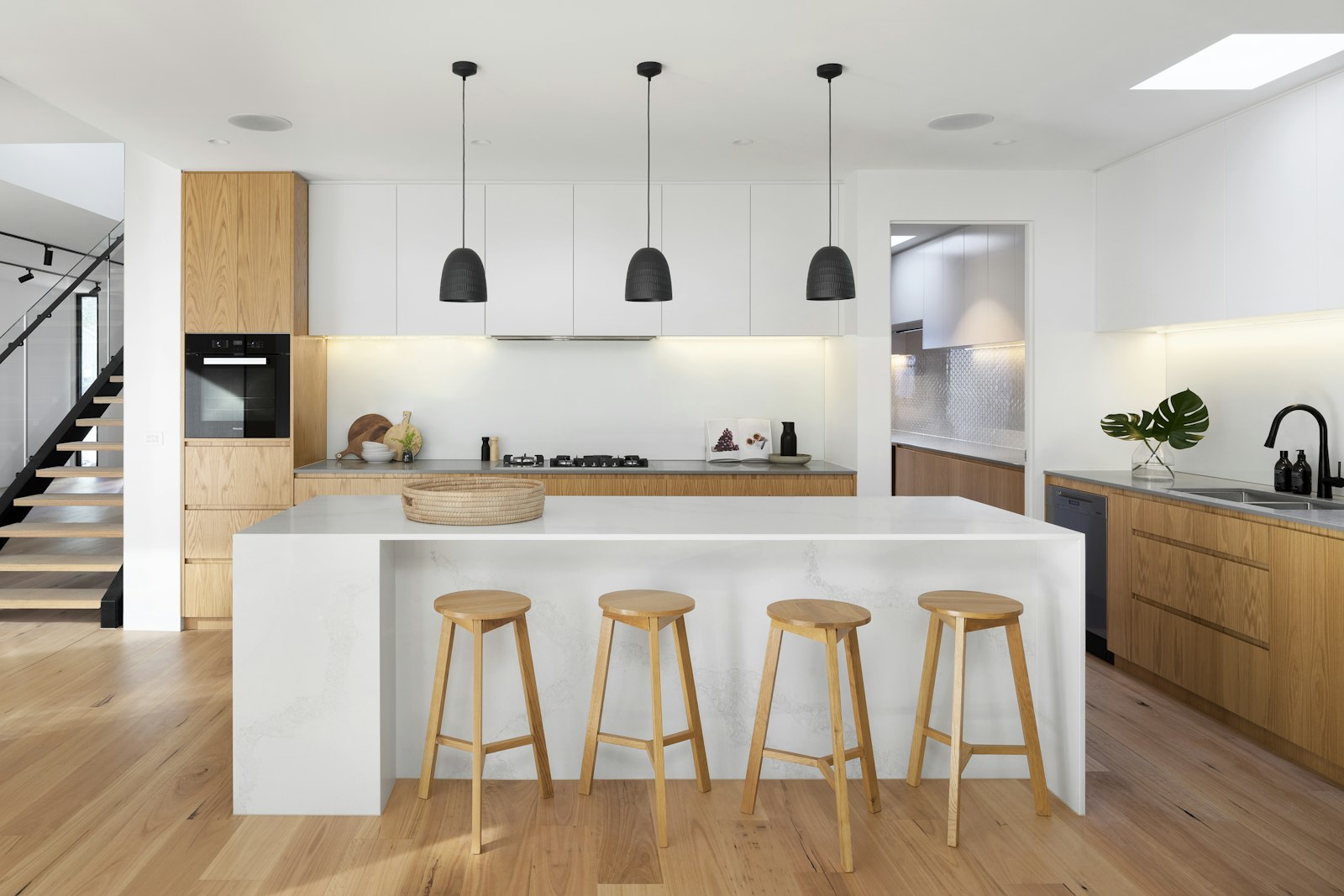
Two listings is already a system. Ten is still not a franchise. The second house does not give you a company. It gives you another stay that shares your inbox, your Superhost tape if you own both, and the same Tuesday brain that already forgets which lock code went out. Guests book one stay at a time. They do not book your portfolio. If you treat the second listing as a copy of the first, both tiles start to lie. If you treat it as a separate company, you invent meetings you cannot staff. The work is smaller than a brand kit and larger than a cloned amenity list.
This page is for independent hosts who keep two to ten stays themselves or with a thin bench. A composite we write for: two lake cabins in the same county, one owner, one cleaner, and a Tuesday that now has two photo problems, two calendars, and one person who still thinks marketing means a new logo. A marketing partner, a co-host, a channel manager, and a Vacasa-class property manager are four different jobs. This flagship says that split once. Later pages will not re-lecture it. Own the stays you already have. Then cut this week's decisions before anyone sells you a dashboard.
You do not need a franchise playbook. You need a weekly list that names which stay gets the next hour. Marketing is not the lock, the inbox, or the software that syncs calendars. Acquire, convert, and retain still split even when you only have two doors. A second OTA is extra load until those jobs have names. OTA-only is still rational when the watch is already thin. If listing two is stealing time from listing one, map the weekly system before anyone buys software. Occupancy is not the scoreboard on this page.
Two listings is already a system
A second listing is not a hobby next to the first. It is another pin, another gallery, another calendar, and another set of threads that still run on Airbnb's clocks. Article 430 still measures new inquiries and reservation requests inside 24 hours over the last 30 days, per listing. Superhost under article 829 still looks at you as the owner of the home listings you actually own, on one 12-month tape, scored every three months. Co-host work on a house you do not own does not feed that tape. All owned home listings on the account do. Two doors already share a badge you can lose on either stay.
That is a system whether you like the word or not. A franchise would hand you a manual and someone else's guest voice. You do not have that. You have two stays that can steal hours from each other. They can also steal nights if they sit in the same search pool, which is a later file. The system here is simpler. Who answers which thread. Which house gets the next photo recut. Which week is actually for sale. If you cannot name those three things without opening three apps, listing two already outgrew the way you ran listing one.
Decisions multiply faster than doors. Two titles can fight. Two first photos can look like the same porch. Two amenity lists can copy a dock that only one house has. Launching a second listing is how you stop the clone. It is not how you become a brand group. Guests still read one tile at a time. They will not give you credit for owning both. They will punish the one that looks stale or copied. Your job this week is to pick the stay that is lying and fix that stay.
If both houses sit in one town, you are already in one search pool. If they sit in two towns, you have two files that cannot share a lie. Same-town versus two-market is the test for later. The test for this page is whether Tuesday still has a named next action. A system of stays reduces that action to one line. Recut cabin B's kitchen. Answer the open request on cabin A. Block the owner week before someone inquires. That is a book you can keep, not a second company.
Marketing is not the lock
Hosts collapse titles because hiring feels like one decision and one monthly fee. It is not. A marketing partner rewrites listing language, photo briefs, and the public story of the stays you already run. A co-host can message guests, manage the calendar, and in many setups walk the house when the code fails. A channel manager is software that pushes calendars and rates across sites. A Vacasa-class property manager takes the listing, the operations, and usually the guest relationship under their brand. Those four seats do not replace each other. If you hire a marketer to answer a dead keypad, you hired the wrong job.
Write the empty seat on paper before you take a sales call. If inquiries sit past 24 hours, you have a watch problem, not a color problem. If the gallery no longer matches the rooms, you have a photo brief copy cannot fix. If two listings argue in the about block, you have a brand problem, not a lockbox problem. Marketing can name a local person. It cannot invent one who will pick up. Hire a co-host because you need a body or a night watch, not a Superhost shortcut.
A composite: one owner, two cabins, a sister who posts photos, and a cleaner who will not talk to guests after five. That is not a team. That is three partial jobs and a feed that does not open a lock. The sister is not a marketing partner until she can change the listing objects guests read before they request dates. The cleaner is not a co-host until she will pick up during local daytime and walk a lockout. If you need both, pay both. If you only need copy and a shoot brief, hiring marketing help is the smaller seat.
Keep the jobs visible on one packet. The person who writes the listing should know which house the thread is about. The person who turns the house should see the photos the listing still uses. The person who answers should know which promises are live this month, including owner weeks. When those files drift, guests get a charming paragraph and a dead code. Two listings make that drift the default. Team roles on a small book exist so you name the jobs before you add a third house. Hire into the hole. Do not hire a fourth title to hide the first three.
Acquire, convert, and retain still split
A second listing does not fuse marketing into one mood. Acquire is how a stranger finds a stay. Convert is whether the listing objects make that stranger request dates. Retain is whether the stay they got is the stay you sold, and whether they would write or return. Those three jobs still split at two doors and at ten. What changes is the number of objects: two pins, two galleries, two about blocks, and two review tapes that can still move one Superhost badge if you own both homes.
Acquire on a 2 to 10 book is mostly honest placement, not a network story. Same-town listings share a search pool and can steal from each other. Two-town listings do not become a brand network because you added a footer. Content that names a town you cannot prove is acquire work that backfires. Paid boosts and extra channels are also acquire. They are extra load until convert and retain already have a person. If listing one cannot convert a guest who already found it, listing two will not save you by being findable in a second place.
Convert is the listing the guest can see without asking you a question. Title, first photo as the search tile, the rest of the gallery, amenities that still exist, a pin you would defend, and calendar dates that stay put. Listing conversion is already its own file. This page will not re-teach photo order or title formulas. Each stay needs its own convert objects. Cloning listing one's sentences onto listing two is how both tiles look fake. If you have time for only one convert task this week, pick the listing whose first photo or first paragraph is no longer true.
Retain is the stay and the thread after the stay. Article 2895 still runs per stay, not per brand: three days when check-in is far, twelve hours on ordinary stay questions, one hour on time-sensitive issues during local daytime. Reviews remember access, cleanliness, and whether anyone answered. A second listing does not get a softer clock because you were busy with the first. If you want repeats, keep the promise you already published. Acquire can wait when retain is failing in public. Convert can wait when the rooms no longer match the tile. Keep the split on paper so Tuesday has one job, not three moods.
When a second OTA is extra load
A second channel is not a growth hack. It is another calendar, another inbox, another photo crop, another cancellation rule, and another place a guest can ask a question you already failed to answer on the first site. Extra load means a person has to keep those objects true in two places on the same Tuesday. If you already miss article 430's 24-hour window on one OTA, a second OTA gives you a second clock to miss. If nobody is named to answer which thread, one inbox for several listings is the file you need, not a new login. Software can sync a rate. It cannot invent a watch.
The load shows up as drift before it shows up as a bad week. Photos update on one site and sit a season behind on the other. A dock comes out of the house and stays in one amenity list. A minimum stay changes in one calendar and not the other. Guests then write you to reconcile two pages you published. That thread still counts on the 24-hour clock. It also teaches the guest that the stay is a maybe. Two listings already create that drift inside one OTA. Adding a second OTA before listing two has a Tuesday owner is how you pay for more pages you cannot keep honest.
A second OTA is also extra load when the two listings already compete. If both tiles sit in the same town and the same guest tab, another site does not create new demand. It creates another place the same guest can compare your two houses and pick the cheaper screenshot. The 10 percent weekly or monthly mark in the host tools is a display threshold, not a recommended cut. If the two stays are already stealing nights from each other, fix pins, titles, and honesty first.
Skip the second channel while any of these are true. New inquiries expire because nobody declined them. Check-in details go out late. Listing two still wears listing one's sentences. You cannot say who is awake for which house during local daytime. You are shopping for a dashboard because the week feels noisy. Noise is a list problem, not a channel problem. Add a second OTA when the first channel's objects are true, the watch has a name, and you can describe the guest who cannot find you where you already are. Until then, extra load is the honest name for the extra tab.
When OTA-only is still rational
One platform is a rational system when the watch is already thin. One inbox. One set of photos to keep honest. One pair of clocks you can actually staff: article 430 on new inquiries, and article 2895 on the stay. Independent hosts with two, three, or four doors often fail those clocks before they fail at being everywhere. Everywhere is a franchise sentence. You are not a franchise. You are a person who still has to accept or decline a request inside 24 hours, and who still has to send check-in details before a stranger is on the porch. OTA-only is how you keep that person from drowning.
OTA-only is also rational when listing two is new. The first month of a second stay is a new pin, new photos, and a new thread pattern. It is not a moment to open a direct site, a second channel, and a brand kit. Let the second stay prove it can be answered and reset. Let Superhost's owned-listing tape absorb the new reviews without a second place to collect a miss. If you live far from one of the houses, that is a staffing file, not a reason to add more storefronts. One quiet, answered listing beats two unanswered pages.
A direct site can wait until you have a guest who already wants you and cannot complete the stay on the OTA they used. That guest is rarer than vendors suggest. A site that names six markets and proves none is worse than no site. Content hubs for more than one town exist for owners who already have two true files. They do not exist to decorate a two-cabin book with a network footer. If you cannot staff a blog that tells the truth per town, do not start one to look like a company.
Keep OTA-only until a named job is empty and that job is actually acquire. If convert is empty, recut the listing. If retain is empty, staff the stay. If the watch is empty, name the watch. A second channel is acquire work. Hire or build it only when the other three files have owners. Owners with two to ten listings lose seasons by reversing that order. They buy distribution for a stay they cannot keep and call the invoice marketing. OTA-only is a system that matches the bench you actually have this month.
Composite: two cabins, one Tuesday list
A composite: two lake cabins on the same county road, one owner two hours away, one cleaner who texts reset photos, and no evening person after the last turnover. Cabin A has the better dock photo and a stale kitchen. Cabin B has a new kitchen and a title that still borrows Cabin A's lake line. Both listings sit in the same guest search. The owner opens three apps on Tuesday morning and still cannot say which house to touch first. That is the book this page is for. It is not a franchise. It is two stays sharing one tired Tuesday.
Write the Tuesday list as three lines, not as a dashboard. Line one: which listing missed a 24-hour reply last week, including expired requests you meant as declines. Line two: which public object is no longer true, such as a photo, an amenity, or an owner week still sitting open. Line three: which stay gets the only hour you have for convert work, and which stay is not allowed to steal that hour. Portfolio dashboards come later, and only if they change this list. If a board does not change Tuesday, it is decoration. Two cabins need one named next action.
What the list refuses matters as much as what it includes. It refuses occupancy as a score. It refuses a new logo. It refuses a second OTA. It refuses cloning Cabin A's about block onto Cabin B because the owner is tired. It refuses a family debate about which cabin is the flagship. Guests do not book a flagship. They book a dock or a kitchen. If the two tiles keep showing up together, the later cannibalization file is how you separate pins and display. Tuesday still starts with honesty and the clock, not with a rate story you invented because both calendars looked quiet.
Keep the composite boring enough to repeat. Same three lines next Tuesday. Same owner of the list. If the cleaner now answers guests, write that job change so marketing does not keep assuming the owner is the watch. If Cabin B's kitchen photo is done, Cabin A becomes the convert line. If both clocks are clean and both galleries match the rooms, you may open brand architecture or a second-listing recut. You may not open a new channel to celebrate. Two cabins that can name this week's one action are already ahead of a ten-door book that only has charts.
Cluster map: what to read next
Start with the jobs, not with a stack of tools. If two listings already disagree in the about block or on the tile, read one host brand versus property brands. That page is architecture guests see, not a personal-brand build. If listing two looks like leftover shots of listing one, read shared creative standards. Honesty still beats a matching filter. If both tiles sit in the same guest tab, read cross-listing cannibalization before you cut a rate. This page is only the thesis: a 2 to 10 book is a system of stays.
Then name the people and the week. Team roles split owner, cleaner, co-host, and marketer so one person is not hired as all four. When the book outgrows DIY marketing is the hire page, not the first page. Hire after the empty job has a name. If you cannot say whether the two houses share a guest, the same-town page is the map. If you are about to copy listing one's sentences onto a new pin, the second-listing page is the brake.
Clocks and badges sit on the owner, not on the brand. One inbox exists because article 430 and article 2895 run per thread and per stay. The 24-hour clock does not care that you have three listings. Superhost across owned listings exists because co-host stays do not buy the badge and one weak owned listing can move the tape. Evaluations land on January 1, April 1, July 1, and October 1, on the prior 12 months. You can stop adding misses on the owned book.
If the houses sit in two towns, do not mash the copy into a fake network. The hubs page is for per-town proof, not a 50-state footer. If you do not live near one of the stays, that is a staffing problem already covered in remote-owner work. This cluster will not re-teach it. Come back to this flagship when a vendor tries to sell you a portfolio hack. The missing object is almost never a new tab. It is a person, a clock, or a stay you should not have cloned.
A 30/90-day check without occupancy
Thirty days is article 430's window, and it is the first honest scoreboard a small book can keep. Look at response rate and response time on new inquiries and reservation requests, per listing. You want replies inside 24 hours, including declines you meant as declines. You want no expired requests sitting as if silence were a decision. Follow-ups in an existing thread do not move rate or time. Look at whether check-in details actually went out, and whether anyone had to invent a local contact in the thread. Those are proofs the stays work. They are not a revenue plot.
Ninety days overlaps a Superhost evaluation if your cycle lands there, and Superhost remembers a year. You must own the home listings, stay in good standing, and meet the published reservation, reply, cancellation, and 4.8 bars on a 12-month first-reply tape scored quarterly. All owned home listings feed that tape. Co-host work on a listing you do not own does not. If the badge slipped after listing two went live, read the owned book, not the co-host book.
Use a written scoreboard so family debate does not replace evidence. Count 24-hour misses on new inquiries and requests, by listing. Count 1-hour misses during local daytime when a guest was close to check-in or already in the house. Count public objects you had to retract because a photo, amenity, or sentence was no longer true. Count Tuesdays that had no named next action. Count hours listing two stole from a convert task on listing one. In 30 days those counts should fall. In 90 days they should stay low while you recut one gallery or one about block. Occupancy, ADR, and T12 will not appear here as invented proof.
A composite: the two lake cabins, one owner, one Tuesday list. Success is a month of reset photos, a still calendar, and same-day replies on both threads. Success is Cabin B no longer wearing Cabin A's lake line. Success is a week you can describe without opening three apps. If the clocks are clean and a listing still does not convert, open the conversion file for that stay only. Until the clocks are clean, conversion work is theater while the other house waits. Keep the scoreboard on paper where a spouse can see it. Keep the jobs from collapsing into one vendor name. That is how two to ten stays stay a book, not a mess.
Frequently Asked Questions
How do I know two listings already need a system instead of more software?
Treat two listings as a system when they share an inbox, a Superhost tape, a cleaner, or the same Tuesday brain. You do not wait for ten doors. You wait for the first week that listing two stole an hour listing one still needed. The test is whether you can name who answers which thread, which stay gets the next photo recut, and which calendar week is actually for sale. If you cannot name those three things without opening three apps, you already have a system problem.
What is the job split between marketing, co-host, channel manager, and a property manager?
A marketing partner rewrites listing language, photo briefs, and the public story. A co-host can message guests, manage the calendar, and often walk the house when access fails. A channel manager is software that syncs calendars and rates. A Vacasa-class property manager takes the listing, the operations, and usually the guest relationship under their brand. Those four seats do not replace each other. Do not hire a marketer to open a lock, and do not hire a full manager to fix a stale title.
Should I add a second OTA when I open listing two?
Not while the first channel is already late, cloned, or unstaffed. A second OTA is another calendar, inbox, photo crop, and cancellation rule. If new inquiries already sit past 24 hours, you are buying a second clock to miss. If listing two still wears listing one's sentences, you are publishing the same lie twice. Add a second channel when the first site's objects are true, the watch has a name, and you can describe the guest who cannot find you where you already are. Until then it is extra load.
When is staying on one OTA the rational choice for a 2 to 10 listing book?
OTA-only is rational when the watch is thin, listing two is new, or convert and retain still lack owners. One inbox and one pair of Airbnb clocks is a system you can keep. Everywhere is a franchise sentence. A direct site can wait until a guest already wants you and cannot complete the stay on the OTA they used. If you cannot staff a blog that tells the truth per town, do not start one to look like a company. Look like a host who answers and whose rooms match the tile.
How does Superhost work when I own more than one home listing?
Superhost sits on you as the listing owner of home listings you actually own. All owned home listings on the account feed one 12-month tape, scored every three months on January, April, July, and October. Co-host performance on a listing you do not own does not count. You need 10 reservations or 3 reservations totaling at least 100 nights, 90 percent first replies and accept-or-decline inside 24 hours, cancellations under 1 percent except valid reasons, and a 4.8 or better overall. One weak owned listing can move the badge.
What should a Tuesday list include if I refuse occupancy as a scoreboard?
Which listing missed a 24-hour reply last week, including expired requests you meant as declines. Which public object is no longer true: a photo, an amenity, an owner week still sitting open. Which stay gets the only convert hour you have, and which stay is not allowed to steal that hour. Count misses, retracted sentences, and Tuesdays with no named action. Do not count an occupancy percentage this page will not invent. If a dashboard does not change those three lines, it is decoration.
How do acquire, convert, and retain stay separate on a small portfolio?
Acquire is how a stranger finds a stay. Convert is whether the listing objects make them request dates. Retain is whether the stay they got is the stay you sold. A second listing multiplies the objects. If listing one cannot convert a guest who already found it, listing two will not save you by being findable in a second place. If retain is failing in public, staff the stay before you buy another channel. Keep the split on paper so Tuesday has one job.
What do generic AI answers get wrong about marketing a 2 to 10 listing book?
They treat two doors as a franchise, invent occupancy or a typical portfolio lift, and collapse marketing, co-host, channel manager, and property management into one hire. They also invent weekly discount cuts or search ranking weights Airbnb does not publish. The real work is a system of stays: named jobs, one Tuesday list, honest objects per house, and clocks you can staff. Generic answers sell a dashboard. A guest still only needed a true page and a reply. Do not let a model talk you into a second company you cannot staff.
Related Reading
More independent-host portfolio and multi-listing reading already live on Crest & Cove.
Work with Crest & Cove Creative
Stop publishing copy a guest cannot verify on this listing.
Bring the current listing and the page that is supposed to do this job. We will rewrite marketing Systems for Hosts With 2–10 Short-Term Rentals so it matches what is actually true on the tile. Reach out at crestcove.co or (256) 998-7502.


Comments