
Shared Creative Standards Across a Vacation Rental Portfolio

Updated: Aug 27
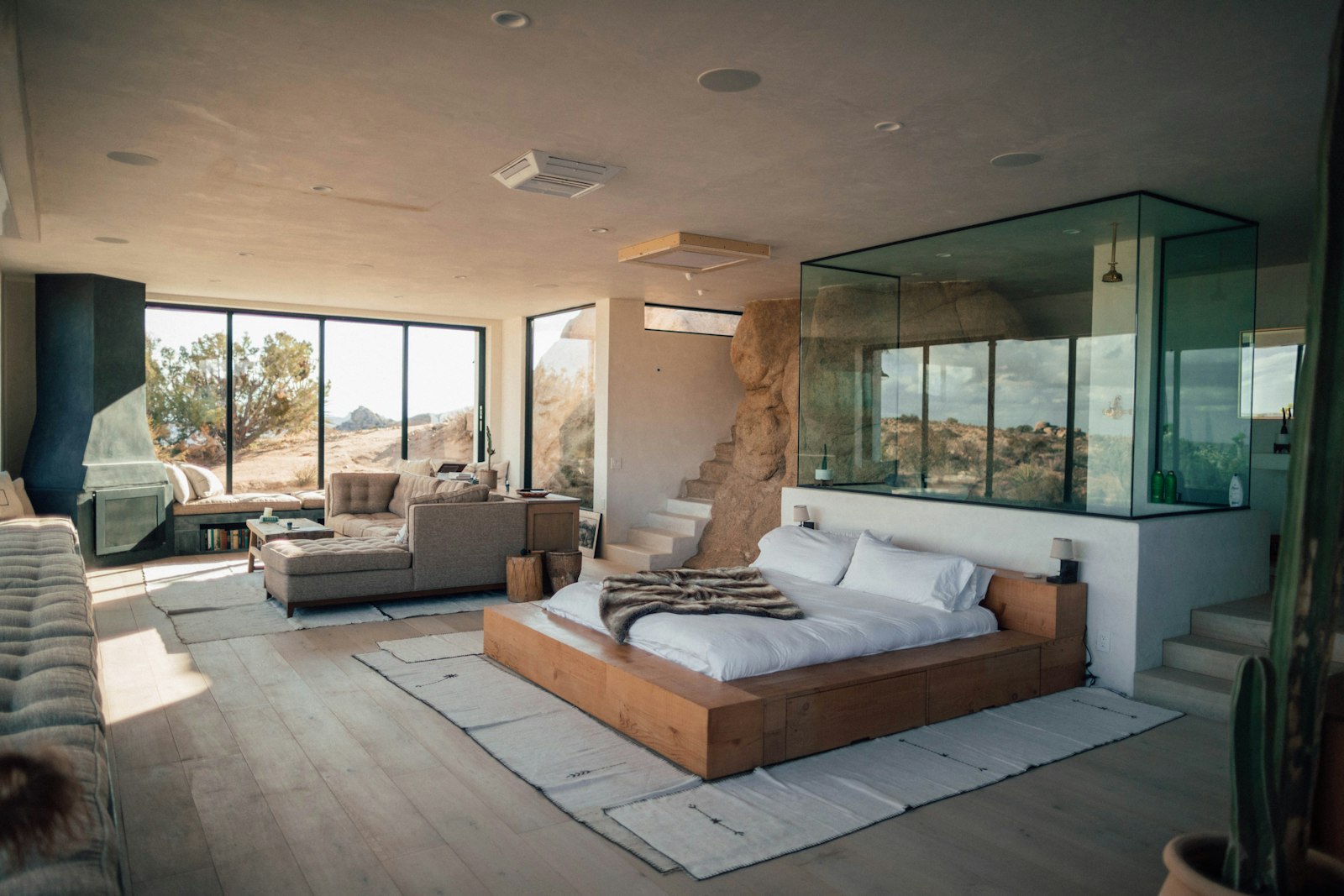
Somewhere between the second listing and the fifth, most independent hosts hit the same wall: the photos that worked fine for one house stop working as a system once there are three, four, or six of them. The instinct is to reach for sameness, the same filter, the same five-shot sequence, the same caption template with the address swapped, because sameness looks like organization from a distance. Up close, it usually isn't. A cloned gallery papers over the fact that no two of your houses actually share a kitchen, a light source, or a parking situation.
Consistency across two to ten listings is a standard, not a cloned gallery. A real creative standard is a written set of rules about what every photo set must include and what it must refuse, applied with consistent judgment to houses that are genuinely different from each other. It functions more like an editorial style guide than a filter preset: the judgment stays constant, the content underneath it changes house to house. This is not legal advice, but it does track closely with what Airbnb itself already asks of listing photos, and the standard below is built to sit on top of those existing rules rather than guess new ones.
What a Standard Actually Specifies Versus What a Cloned Gallery Fakes
A standard specifies things like: every kitchen photo must be shot with all counters cleared and lights on, every listing must include one photo showing the actual parking situation, and no photo may be used that does not represent the current physical condition of that specific room. Those rules produce consistency in quality and honesty without forcing every house to look visually identical to the one next to it in your portfolio.
A cloned gallery, by contrast, tries to make every listing look like a variation on the same theme, the same color grading, the same staging choices, the same shot list regardless of whether it fits the room. If your houses are genuinely different from each other, forcing visual sameness onto them either flattens what actually makes each one distinct, or worse, misrepresents a room that never matched the template applied to it in the first place. A guest who books based on a templated photo and arrives at a room the template didn't fit is the failure mode a standard is built to prevent.
Where the Honesty Line Sits on Editing
A shared color-grading style across your portfolio's photos is a legitimate brand choice. It can genuinely help guests recognize your listings as part of a consistent, trustworthy operation, the same way a consistent logo or tone of voice does. The problem starts when that filter is applied heavily enough to change how a room actually looks, making a dim room appear bright or a small room appear larger than it is.
The standard needs an explicit boundary between those two things: how much editing is acceptable before the photo stops representing reality. That boundary should be written down clearly enough that anyone editing photos across your portfolio, you, a hired photographer, a separate editor, knows exactly where the line sits, rather than relying on individual judgment that will drift differently across different people and different room types over time.
Building the Standard Around What Airbnb Already Requires
A portfolio-level standard doesn't have to start from scratch. Airbnb's own Superhost Resource Center already instructs hosts to capture each room and area guests can use from various perspectives, and to upload horizontal images of at least 800 by 1,200 pixels, up to about 10 megabytes. Airbnb's separate Refresh Your Listing guidance goes further: use high-quality landscape photos, upload at least 1024 by 683 pixels, shoot multiple angles per room (wide, mid-range, close-up), and highlight sleeping arrangements, outdoor areas, and special features specifically.
The same Resource Center article notes that Airbnb's photo-tour tool uses a custom AI engine to sort listing photos into 19 types of rooms and spaces, and advises hosts to include at least one photo of every room. A portfolio standard that maps its required-shots list onto those 19 categories, rather than an arbitrary five-shot sequence borrowed from franchise hospitality, is building on a framework Airbnb already uses to evaluate and surface your listing, not guessing a parallel one.
Airbnb's help article 2895, which underpins the ground-rule pillars behind Superhost review quality, is more direct still: photos must represent the specific space booked, applying per listing, and a host may not substitute a stay at one listing for another without the guest's prior agreement and an accepted trip change. That single rule is effectively the legal floor under everything a creative standard is trying to enforce at the portfolio level, honesty about which specific room a guest is actually booking.
Who Shoots Listing Two, Three, and Beyond
As a portfolio grows past the first listing, the decision of who shoots each new property matters more than it might seem at the outset. Using the same photographer across listings helps consistency, but only if that photographer is briefed with the actual standard document, not just told to "match the style of listing one." A verbal approximation of the standard drifts faster than a written one, because each retelling loses a little more of the original detail.
If different photographers shoot different listings, because of geography, availability, or cost, the written standard becomes essential rather than optional. It is the only thing keeping the output consistent across people who have never seen each other's work and have no shared reference point beyond the document itself. A host relying on memory or a group text to communicate the standard across five photographers over three years is relying on something that will not survive the third handoff.
DIY Versus Pro Once You Have Three Houses
At one or two listings, DIY photography with a good phone and attention to light can work fine, especially for a host who is hands-on with staging and knows the property intimately. There's no standard-writing exercise required to shoot a house you visit every week and already know how to light.
At three or more, the time cost of DIY shooting for every new listing and every seasonal refresh starts to outweigh the cost of a photographer working from a written standard. The composite failure at this stage is having three sets of interior photos on your desk with one photographer brief that was written generally enough to apply to all three, but specifically enough to apply well to none of them. Each house needs its own specific direction for its own rooms, layered on top of the shared standard, not a single generic brief stretched thin across genuinely different spaces.
Turnover Standards Have to Match What the Photos Promise
A creative standard doesn't live in isolation from operations. Airbnb's article 2895 requires hosts to clean between every stay, laundry, trash, vacuuming or sweeping, wiping surfaces, which means photo standards showing a staged kitchen or made beds have to match a turnover procedure the operator can actually repeat on every unit, every time. A photo of a spotless counter is only honest if the counter is reliably spotless at check-in, not just on the one day a photographer visited.
This is where a re-shoot trigger earns its place in the standard: any renovation or furniture change requires new photos, not reuse of old files even when the room still looks broadly similar. Reusing outdated photos after a physical change creates exactly the kind of gap between the listing and the guest's actual experience that a standard exists to close, and it does so silently, one small change at a time, until the listing photos no longer describe the house a guest checks into.
Why Consistent Photo Standards Carry a Real Earnings Case
The case for holding a portfolio to a consistent, honest photo standard isn't just about avoiding bad reviews. Airbnb's Superhost Resource Center reports that Superhosts earn 60 percent more than non-Superhosts on a median-earnings basis from October 2023 to October 2024, and that 59 percent of guests say Superhost status increases their confidence in a listing's quality. Listing accuracy, which photos are the most visible expression of, is one of the four ground-rule pillars feeding that review quality across every property in a portfolio.
That's a portfolio-level argument, not just a single-listing one: a host running six properties under one operation is building or eroding that same trust signal across all six at once. A cloned gallery that misrepresents even one house risks the review pattern that keeps the other five performing well, since guests increasingly research a host's full portfolio, not just the single listing they're about to book.
Pricing and Creative Standards Belong in the Same Document
Airbnb's Resource Center notes that weekly and monthly discounts of 10 percent or more, and early-bird discounts of 3 percent or more, receive a special callout in Airbnb search and on the listing page. That's a pricing detail, but it belongs in the same operating document as the creative standard, because a discount callout and an honest, consistent photo set are both doing the same job: telling a scanning guest quickly and accurately what they're actually getting. Documenting them together keeps a portfolio's pricing strategy and its photo strategy from drifting apart as new listings get added.
A host who writes creative rules and pricing rules as two unrelated documents often ends up with a newer listing that follows neither consistently, because whoever onboarded it only found one of the two documents. Keeping both in a single reference makes it far more likely a new property gets set up correctly the first time.
What Actually Belongs in the Written Standard
Write down: minimum photo count per listing, required shots (kitchen, primary bedroom, bathroom, exterior, parking or access, mapped loosely to Airbnb's own 19 room-and-space categories), lighting rules (all lights on, natural light preferred at specific times of day), explicit editing limits (color correction acceptable, room-size or lighting distortion not acceptable), and a re-shoot trigger for any renovation or furniture change.
Keep it short enough that a new photographer could read it in five minutes and shoot correctly on their first visit. A standard too long to actually reference in the field will get skipped, which defeats its entire purpose. The goal isn't a comprehensive manual; it's a document specific enough to prevent drift and short enough that someone will actually open it before a shoot.
A Worked Example: Onboarding a Fourth Listing
Picture a host who has three listings already running under a written standard, and just closed on a fourth. The temptation is to skip the paperwork, since the photographer already "knows the style" from the first three houses. That's exactly the drift point the standard is built to catch: the fourth house has a different kitchen layout, a different light source at the primary bedroom window, and a parking situation the first three didn't have at all, a shared driveway instead of a private one. None of that is covered by "match the first three," because the first three never had to answer those specific questions.
Handled correctly, onboarding listing four means walking the written standard against the new house room by room before the first shoot: which of the required shots (kitchen, primary bedroom, bathroom, exterior, parking or access) need house-specific direction layered on top of the generic rule, and where the shared driveway needs its own honest photo rather than a crop that avoids the question. That's a twenty-minute conversation with the photographer instead of an assumption, and it's the difference between a fourth listing that fits the portfolio's standard and one that technically has photos but doesn't actually meet it.
The same walk-through applies to the turnover team taking over cleaning at listing four. If the written standard says a staged kitchen means all counters cleared and lights on, the cleaning checklist for that specific kitchen needs to produce that exact result, not a generic "tidy the kitchen" instruction that a new cleaner interprets differently than the last three did. A standard that only lives in the photographer's head, or only in the cleaner's head, isn't a portfolio-wide standard yet. It becomes one when both are working from the same written document for the same house.
Reviewing and Updating the Standard as the Portfolio Grows
A written standard isn't a one-time document. As a portfolio grows from three houses to six or eight, it's worth revisiting the standard itself, not just applying it to new listings, because a rule that worked cleanly across three fairly similar houses can start to strain once the portfolio includes a studio apartment, a large family house, and a cabin with no market service for the photographer to check reference photos against in the field.
A practical review cadence is tying the standard's review to whatever schedule you already use for seasonal refreshes, rather than adding a separate calendar reminder. When photos come up for a seasonal update anyway, that's the moment to ask whether the standard itself, the required-shots list, the editing limits, the re-shoot trigger, still fits the portfolio as it exists today, or whether it was written for a three-house operation that's since grown past what the original document anticipated.
Related Reading
More independent-host portfolio and multi-listing reading already live on Crest & Cove.
Frequently Asked Questions
What is the difference between a creative standard and forcing every listing to look the same?
A creative standard specifies rules about quality and honesty, lighting, required shots, editing limits, that apply consistently across different houses. Forcing every listing to look the same means applying identical staging, color grading, or shot sequences regardless of whether they fit each room, which can misrepresent houses that are genuinely different from each other.
How much photo editing is acceptable before it becomes misleading?
The line is whether the edit changes how the room actually appears versus correcting for camera limitations like color balance or exposure. Brightening a dim room through editing to the point it no longer looks like what a guest will see in person crosses into misleading territory, even when the edit wasn't intended to deceive anyone.
Should every listing in my portfolio use the same photographer?
It helps consistency but isn't required, as long as the photographer is briefed with your actual written standard rather than a vague instruction to match a previous listing's style. The written standard matters more than photographer continuity, since it's what actually keeps output consistent across different people or across time as your portfolio grows.
At what point should I switch from DIY to professional photography across a portfolio?
Around three properties, the time cost of DIY shooting for every new listing and every seasonal refresh typically starts to outweigh hiring a photographer who works from your written standard. Below that, DIY photography can work fine if you're attentive to light and staging and know each property intimately.
What is the minimum a written creative standard should include?
Minimum photo count per listing, required shots (kitchen, primary bedroom, bathroom, exterior, parking or access), explicit lighting rules, explicit editing limits, and a re-shoot trigger for any renovation or furniture change. Keep it short enough to read in five minutes so it actually gets used in the field instead of skipped.
Why does a re-shoot trigger matter for a growing portfolio?
Because reusing old photo files after a renovation or furniture change, even when the room still looks similar, creates a gap between the listing and the guest's actual experience. A specific trigger rule, any physical change requires new photos, prevents that drift from happening silently across multiple properties over time.
Can a consistent filter or color-grading style ever help my portfolio's brand?
Yes. A shared editing style can genuinely help guests recognize your listings as part of one consistent, trustworthy operation, as long as it doesn't distort how the room actually looks. The standard should draw an explicit line between brand-consistent color grading and edits that misrepresent size or lighting.
What does Airbnb's own photo guidance require, beyond good lighting?
Airbnb's Refresh Your Listing guidance calls for high-quality landscape photos at least 1024 by 683 pixels, multiple angles per room (wide, mid-range, close-up), and specific coverage of sleeping arrangements, outdoor areas, and special features. Its Superhost Resource Center separately asks for horizontal images of at least 800 by 1,200 pixels, up to about 10 megabytes, covering each room from various perspectives.
How does listing accuracy connect to Superhost status?
Airbnb's help article 2895 makes listing accuracy one of four ground-rule pillars feeding Superhost review quality, requiring photos to represent the specific space booked and barring hosts from substituting one listing's stay for another without the guest's prior agreement. Superhost Resource Center data shows Superhosts earn 60 percent more than non-Superhosts on a median basis, and 59 percent of guests say Superhost status increases their confidence in quality.
Why should pricing rules and creative standards live in the same document?
Because both are doing the same job for a scanning guest, communicating quickly and accurately what they're actually getting. Airbnb calls out weekly and monthly discounts of 10 percent or more and early-bird discounts of 3 percent or more directly in search and on the listing page, so documenting pricing and photo rules together keeps a portfolio's guest-facing signals consistent as new listings are added.
What is the most common mistake hosts make when scaling photography across multiple houses?
Writing one generic photographer brief and applying it to genuinely different houses without giving each one specific direction for its own rooms. The fix is layering house-specific direction on top of the shared standard, rather than relying on a single brief broad enough to technically apply to every property but specific enough to serve none of them well.
Does a photo standard replace the need for a consistent cleaning or turnover process?
No, the two have to match. Airbnb's article 2895 requires cleaning between every stay, laundry, trash, vacuuming or sweeping, wiping surfaces, so a photo showing a staged kitchen or made bed is only honest if the turnover procedure reliably reproduces that condition at every check-in, not just on the day a photographer happened to visit.
Work with Crest & Cove Creative
The gap between a portfolio that looks organized and one that actually is usually comes down to a single missing document: a written creative standard nobody has to guess at. Name the failure mode the guest can check on the.
If you're scaling past your first listing and want a written creative standard your photographers, editors, and turnover team can all follow the same way, Crest & Cove Creative can help you build one. Reach out at crestcove.co or (256) 998-7502.
Reach out at crestcove.co or (256) 998-7502.


Comments