
Marquette Tourism and Hosts: M and M Are Not Listing Income

Updated: Aug 28
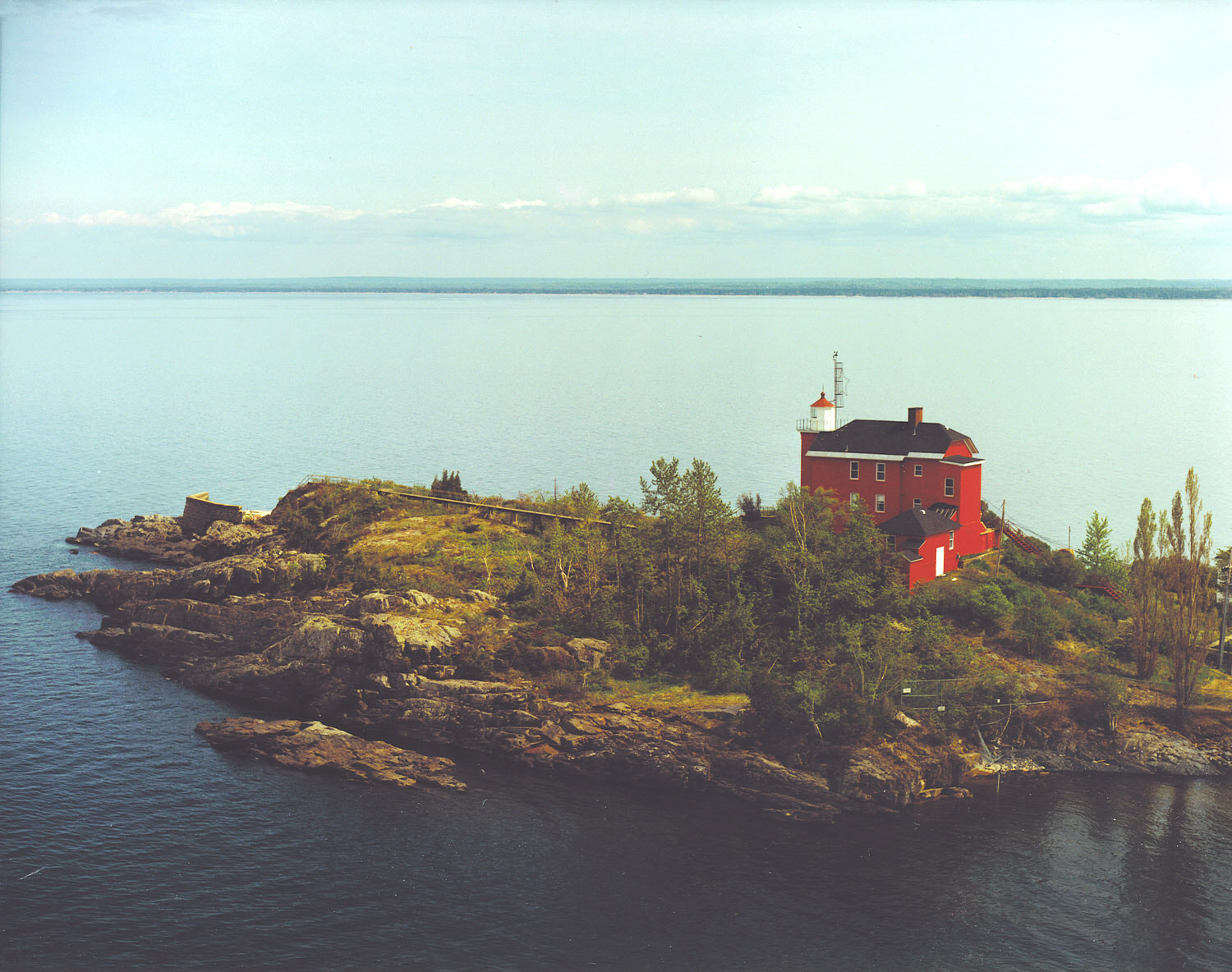
Bridge Michigan, dated October 28, 2024, printed a city tourism sentence: visitors spend some $250 million per year in Marquette, about 15 percent of the city economy, and nearly one-fifth of Upper Peninsula tourism spending sits here. That is a city scale. Upper Michigan's Source, dated July 2, 2025 and quoting Travel Marquette CEO Susan Estler, printed a different object: visitors brought an estimated $173 million to Marquette County in 2023. Those two sentences can both be true and still not be the same year, the same geography, or your nightly rate. A host who writes one number as if it were the other is teaching a guest two maps.
This page will not midpoint $250 million and $173 million. It will not invent a 2024 county trailing twelve because a 2025 television story used a 2023 county year. It will not divide $250 million by AirROI's 164 listings. Themarket reportalready opened the listing file: 164 actives, named-town AirROI figures as of 2026-07-31 average annual, $253 ADR, 43.5 percent occupancy, a named-town AirROI figures as of 2026-07-31 median month. This page opens the tourism table and keeps those cells in a different sentence from either tourism dollar.
Pure Michigan, dated July 29, 2025, is the state layer: 131.2 million visitors in 2024, $30.7 billion in spend, $54.8 billion in total economic impact. Travel Marquette is the itinerary desk. None of those desks set an ADR. A host who pastes $250 million into a listing and never names Presque Isle or the ore dock is selling a press release. Date the Pure Michigan release as July 29, 2025 and leave it statewide.
What Bridge Michigan actually printed
Bridge Michigan, October 28, 2024, by Paula Gardner, is the city tourism page this cluster will keep. Headline facts on that article: tourism generates some 15 percent of Marquette's economy, about $250 million per year. Nearly one-fifth of tourism spending in the Upper Peninsula is in Marquette. Visitors spend some $250 million per year in the city. The source line on that box is Travel Marquette and federal data. Those are city sentences. They are not a Marquette County year. They are not a 2024 county T12. They are not AirROI.
The same article said that year tourism was down 5 percent overall as of the end of August, largely because of a warm winter with little snow. About 3,700 people worked in leisure and hospitality in 2022, up about 1.5 percent since 2019. Over the course of the year, overall hotel occupancy has been about 50 percent, Travel Marquette data shows in that writeup. Newer hotels on festival weekends may run $450 and be full, city manager Karen Kovacs said. Those cells are useful. They are still not a short-term rental occupancy series.
Susan Estler, CEO of Travel Marquette, is quoted in that piece on Black Rocks and Dead River Falls. After those sites were overwhelmed, both were removed from local marketing. That is a destination-desk decision. It is not a waterfall hours tab, and it is not a reason to invent a 2026 festival Saturday. Thevisitor guidecaptions the pins. This page only needs you to stop treating one October 2024 city article as a county year or as a house pro forma. Recheck travelmarquette.com if you want the live respect campaign, not a 2024 crowd story as if it were this week's occupancy.
What the July 2, 2025 television story actually quoted
Upper Michigan's Source, July 2, 2025, by Tia Trudgeon, is the county sentence. In 2023, visitors brought in an estimated $173 million to Marquette County, according to Travel Marquette. CEO Susan Estler says, without that economic driver, we would have a lot different community. We would not have year-round restaurants, year-round activities, or events. That is a 2023 county year quoted in a 2025 television story. It is not a 2024 county update. It is not the $250 million city sentence from Bridge.
The same story is about hotels, short-term rentals, and housing balance. City manager Karen Kovacs said hotels contribute more, in her opinion, because they hire a local workforce and pay lodging assessment fees that go into Travel Marquette. She also said many of the city's regulations preserve a balance so an entire neighborhood is not going to be a short-term rental neighborhood. Those are city-manager sentences about lodging mix. They are not a Fire Department waitlist count, and they are not a fee dollar. Theregulationpost already sent city STRs to Fire at (906) 228-0412.
Do not blend Kovacs on hotels with Estler's $173 million and call the blend a short-term rental study. Do not take a 2023 county year quoted in July 2025 and write it as last year's county T12. If Travel Marquette later publishes a dated 2024 county snapshot, use that page, dated. Until then the locked county tourism cell on this cluster stays 2023, $173 million, quoted July 2, 2025. The locked city cell stays Bridge, October 28, 2024, about $250 million a year. A missing 2024 county cell is not a license to invent one so the two published dollars feel closer together.
Statewide 2024 is a Pure Michigan layer
Travel Michigan, part of the Michigan Economic Development Corporation, released a Tourism Economics study on July 29, 2025. Michigan's tourism industry contributed a total of $54.8 billion in economic impact in 2024. The study found 131.2 million visitors traveled to Michigan in 2024, spending $30.7 billion in destinations across the state, up 4.9 percent from $29.3 billion in 2023, generating $3.6 billion in state and local tax revenue. Visitor-economy jobs in that release: 351,292, about one in 17 Michigan jobs. Those are statewide sentences.
They include Detroit, the Mackinac corridor, Sleeping Bear, Traverse City, and every inland county. They answer whether Michigan still has a visitor economy. They do not belong in a Marquette pro forma as if Front Street collected $30.7 billion. A listing that says Michigan just did $54.8 billion, book my Superior porch is doing the same category error as a listing that says the city did $250 million, therefore my ADR is safe. State tourism is a tailwind you can name in one clause. It is not a monthly occupancy series and not a reason to skip Fire.
This draft did not open a 2024 Marquette County snapshot in that Pure Michigan package, and it will not invent one so the state record feels local. Recheck michigan.org when you want the next statewide year. Recheck Travel Marquette when you want the next local desk sentence. Do not treat a governor's tourism quote as a Fire letter. Do not treat 131.2 million statewide visitors as a Presque Isle gate count. Theshoulderpost is how August, September, October, and January actually behave in the listing file.
Do not midpoint. Do not invent a 2024 county T12
$250 million is a city annual in a 2024 article. $173 million is a county year for 2023, quoted in 2025. $30.7 billion is statewide spend for 2024. Three scales. Three dates. Three publishers. A host who averages $250 million and $173 million into a comfort number is teaching a lender two geographies and one fake year. This cluster will not do that arithmetic. Prefer Bridge when you need the city sentence. Prefer the July 2, 2025 television quote when you need the 2023 county year. Prefer Pure Michigan when you need the state layer.
There is no locked 2024 Marquette County visitor-spend figure on this pass. A 2025 story that quotes 2023 is not a 2024 county T12. A 2024 city article that does not print a county year is not a county year. If you need a county number, write 2023, $173 million, Travel Marquette via Upper Michigan's Source, July 2, 2025. If you need a city number, write about $250 million a year, Bridge Michigan, October 28, 2024. Leave the missing 2024 county cell missing.
Theinvestmentpost can mention $250 million as city demand proof. It cannot underwrite a note with it. Thefinancepost is what a lender may see. Do not send this tourism page as if it were rent. A credit memo that opens with $250 million and never names the 250-permit waitlist is a memo that skipped the clerk. Tourism Economics does not issue Fire letters. Travel Marquette does not inspect sleeping rooms. AirROI does not run the 250-door counter, and a statewide impact line is not a DSCR.
$250 million is not 164 listings
AirROI's Marquette file, updated August 8, 2026, dataset August 2025 through July 2026, is the listing-level view: 164 actives, named-town AirROI figures as of 2026-07-31 average annual revenue, $253 ADR, 43.5 percent occupancy, a named-town AirROI figures as of 2026-07-31 median month, peak revenue in August, lowest in January, 46.3 percent of the file already on a 30-night minimum. That file and the $250 million city sentence can both be true and still describe different objects. A host who divides $250 million by 164 is doing arithmetic that neither vendor published.
Do not do that arithmetic in a listing, a pitch deck, or a comment to a lender. Cite Bridge as city demand. Cite AirROI as the listing file. Leave the quotient in the trash. The same rule applies to $173 million and 164. The same rule applies to $30.7 billion and 164. County dollars stay county dollars even when the guest slept on your porch. State dollars stay state dollars even when the guest drove from Grand Rapids or Traverse City, the named domestic origins in that file. Guests are 98.5 percent domestic. That origin line is still not a tourism-spend share.
Professionally managed share in that file is 4.9 percent. Superhost share is 77.4 percent. Entire-home share is 92.1 percent. Those are platform cells. They are not a Tourism Economics lodging breakout, because this pass does not have a city lodging-only cell inside the $250 million sentence. Bridge printed a city total. It did not print hotels versus houses. The television story discussed hotels and short-term rentals as different local impacts. It still did not give you a house-level share of $173 million. Do not invent one.
The warm-winter 5 percent is a demand layer, not a January peak
Bridge said that year tourism was down 5 percent through August, largely because of a warm winter with little snow. Snowfall by January was less than half of normal, which over a season could total 150 inches. Andy Wallner, co-owner of Tailored CPAs, told Bridge the hospitality industry was canceling orders and pausing expenses while waiting for a storm that did not come. Those dollars will never come back to this area, he said. That is a winter-demand story. It is not a second peak month.
AirROI still prints January as the revenue floor. March and April are soft. Peak-three is August, September, and October. Snowmobile, Marquette Mountain, and NMU are demand layers. They are not a January occupancy series. A listing that sells winter as a second August is writing against the file. Theshoulderpost already said that. This page only needs you to stop using a 5 percent through-August city note as if it were a monthly house calendar.
Hotel occupancy at about 50 percent for the year, in that 2024 Bridge writeup, is a hotel sentence. It is not AirROI's 43.5 percent, and the two figures come from different sources, so they shouldn't be blended into one average. Do not write that the city runs half full, therefore your January is fine. A $450 festival-weekend hotel night, as Kovacs described, is a hotel product on a named weekend. This draft will not invent the 2026 Saturday that hotel was full. Recheck Travel Marquette for dated events. Recheck the mountain page for lift hours. Leave the missing Saturday missing.
Cite the dated file, not a generic UP cabin blog. AirROI's August 8, 2026 Marquette snapshot is 164 listings, a named-town AirROI figures as of 2026-07-31 median month, and January as the revenue floor. The city Fire desk keeps the 250-permit waitlist. Township is a different clerk. Pictured Rocks is Alger County. Do not invent a fee, an ordinance number, or a winter occupancy peak the file does not print.
Respect Marquette is etiquette, not a RevPAR
Travel Marquette launched Respect Marquette County after complaints about trash, unleashed dogs, cars on neighborhood streets, and social-media crowds at Black Rocks. Estler told Bridge she does not think people intend to wreck anything. They just do not know. The campaign asks visitors to spread out and not congregate at the same pin no matter how a video presents the area. City manager Kovacs said Marquette has a love-hate relationship with tourism and wants to lean into the love side. Those are destination-policy sentences.
They are also listing sentences if you host near Presque Isle. Pets are prohibited at that city park unless confined to a motor vehicle. Travel Marquette stopped promoting the 30-foot cliff jump and Dead River Falls because the sites needed a break. A host who pastes jump the Black Rocks into the first photo is working against the desk that sells the county. Thehow-to-marketpost already banned a generic UP cabin. The tourism version of that rule is simpler: name the pin, caption the respect line, and do not send a July Saturday to a site the CVB pulled.
Christopher Germain, CEO of the Lake Superior Community Partnership, told Bridge people are going to find this place and come here. The city can let it happen or plan for it. Planning is shuttles, shoreline-hotel talk, and a 250-door STR waitlist at Fire. It is not a reason to raise every August night because a city article printed $250 million. Thepersonaspost is who actually books. This page is only the study those guests sit inside. A respect campaign is operations copy for the welcome book. It is not RevPAR, and it is not a second peak.
What a host is allowed to cite
You may say Bridge Michigan, October 28, 2024, printed about $250 million a year in the city, about 15 percent of the city economy, and nearly one-fifth of Upper Peninsula tourism spending. You may say that same article said tourism was down 5 percent through August that year after a warm winter. You may say Upper Michigan's Source, July 2, 2025, quoting Susan Estler, printed $173 million to Marquette County in 2023. You may say Pure Michigan, July 29, 2025, printed 131.2 million statewide visitors, $30.7 billion in spend, and $54.8 billion in total impact for 2024. Date each source. Keep each geography.
You may not say your house captured a measured slice of $250 million. You may not invent a 2024 county T12. You may not midpoint the city article and the county year. You may not divide either dollar by 164. You may not treat January as a second peak because snowmobile exists. You may not invent a 2026 festival Saturday because Kovacs mentioned a $450 hotel night. You may not cite AirROI for law. Thestartuppost is the check you write after Fire agrees you are on the 250.
If you needed a single tourism dollar to feel brave, you wanted a brochure. You have a dated city article, a dated county year, a dated state release, and a 164-listing file. That is the honest stack. Recheck bridgemi.com, uppermichiganssource.com, michigan.org, and travelmarquette.com when you want the next year. Recheck AirROI when you want the next listing year. Leave the other year alone. The ore dock on Instagram is not the study. The study is not the night.
Frequently Asked Questions
How much do visitors spend in Marquette?
Bridge Michigan, October 28, 2024, printed about $250 million a year in the city, about 15 percent of the city economy, and nearly one-fifth of Upper Peninsula tourism spending. That is a city annual in a 2024 article. It is not a county year, not a 2024 county T12, and not your nightly rate. Bridge Michigan, dated October 28, 2024, printed a city tourism sentence: visitors spend some $250 million per year in Marquette, about 15 percent of the city economy, and nearly one-fifth of Upper Peninsula tourism spending sits here.
What is the $173 million figure?
Upper Michigan's Source, July 2, 2025, quoting Travel Marquette CEO Susan Estler, said visitors brought an estimated $173 million to Marquette County in 2023. That is a 2023 county year quoted in a 2025 television story. It is not a 2024 county T12 and not the $250 million city sentence from Bridge. Upper Michigan's Source, dated July 2, 2025 and quoting Travel Marquette CEO Susan Estler, printed a different object: visitors brought an estimated $173 million to Marquette County in 2023.
Can I average $250 million and $173 million?
One is a city annual in a 2024 article. The other is a 2023 county year. This cluster will not midpoint them and will not invent a comfort number. Date each source and keep the geography the publisher named. A blended figure is a third dollar neither desk printed. You may say Upper Michigan's Source, July 2, 2025, quoting Susan Estler, printed $173 million to Marquette County in 2023.
Is there a 2024 Marquette County visitor-spend number?
Not one opened on this pass. Do not invent a 2024 county trailing twelve because a July 2025 story used 2023. If Travel Marquette later publishes a dated 2024 county snapshot, use that page. Until then the locked county cell stays 2023, $173 million, quoted July 2, 2025. Until then the locked county tourism cell on this cluster stays 2023, $173 million, quoted July 2, 2025.
What did Michigan do statewide in 2024?
Pure Michigan, July 29, 2025, citing Tourism Economics: 131.2 million visitors, $30.7 billion in spend, $54.8 billion in total economic impact, and $3.6 billion in state and local tax. It is not a Marquette ADR, not a city share, and not a Presque Isle gate count. Pure Michigan, dated July 29, 2025, is the state layer: 131.2 million visitors in 2024, $30.7 billion in spend, $54.8 billion in total economic impact.
Can I divide $250 million by 164 listings?
AirROI's August 8, 2026 file is 164 listings, named-town AirROI figures as of 2026-07-31 average annual, $253 ADR, 43.5 percent occupancy, and a named-town AirROI figures as of 2026-07-31 median month. Bridge printed a city tourism total. Neither vendor published that quotient. Leave the division out of listings, decks, and lender notes. AirROI's Marquette file, updated August 8, 2026, dataset August 2025 through July 2026, is the listing-level view: 164 actives, named-town AirROI figures as of 2026-07-31 average annual revenue, $253 ADR, 43.5 percent occupancy, a named-town AirROI figures as of 2026-07-31 median month, peak revenue in August, lowest in January, 46.3 percent of the file already on a 30-night.
Does a warm winter change January in the listing file?
Bridge said that year tourism was down 5 percent through August after a warm winter. AirROI still prints January as the revenue floor and August as the peak. Snowmobile and Marquette Mountain are demand layers. They are not a second peak month and not a reason to write winter as August. You may say that same article said tourism was down 5 percent through August that year after a warm winter.
Does tourism spending change the STR rules?
City short-term rentals are permitted by the Fire Department, with an ongoing waitlist for 250 allowed doors. A city tourism article is not a Fire letter. Travel Marquette does not inspect sleeping rooms. AirROI does not run the counter and does not set the cap. City manager Kovacs said Marquette has a love-hate relationship with tourism and wants to lean into the love side.
Keep going on Crest & Cove:the Crest & Cove intro·local SEO keywords that actually book·the five elements of a converting hero·how to compare STR marketing agencies·Asheville paddling spots worth the drive·this cluster on named-town facts·Destin against AirROI, not leftover year·the last cluster against named-town facts.
Related Reading
Keep reading on same-cluster Crest & Cove pages that stay on labeled local lines without costume-corridor copy.
How to Market a Marquette, MI Vacation Rental (Not Generic Lake
What It Actually Costs to Start a Short-Term Rental in Marquette, MI
DIY vs. Hire: Marketing a Marquette, MI Listing in a 4.9-Percent PM
How Marquette, MI Hosts Can Fill January Without Pretending Winter Is
Marquette's Fall Isn't a Shoulder Season, It's Half the Peak
Marquette STR Rules: City 250 Cap, Fire Desk Path for STR hosts
Work with Crest & Cove Creative
Marquette Tourism and Hosts: $250M and $173M Are still has to earn the click against neighbors who already sell the town. Crest & Cove handles photos, copy, and calendars for independent hosts.crestcove.coor(256) 998-7502.
Marquette Tourism and Hosts: $250M and $173M Are still has to earn the click against neighbors who already sell the town. Crest & Cove handles photos, copy, and calendars for independent hosts.crestcove.coor(256) 998-7502.
Marquette Tourism and Hosts: $250M and $173M Are still has to earn the click against neighbors who already sell the town. Crest & Cove handles photos, copy, and calendars for independent hosts.crestcove.coor(256) 998-7502.
Marquette Tourism and Hosts: $250M and $173M Are still has to earn the click against neighbors who already sell the town. Crest & Cove handles photos, copy, and calendars for independent hosts.crestcove.coor(256) 998-7502.
A city article and a county year are not your nightly rate.
Crest & Cove Creative works with independent short-term rental hosts who want marketing built around how their specific property and market actually work — not a franchise playbook. See what we do atcrestcove.co, or call (256) 998-7502 to talk through your situation. Reach out at crestcove.co or (256) 998-7502.


Comments