
Middlebury Woodstock Stowe B Peak Occupancy Is Not the Year

Updated: Aug 28
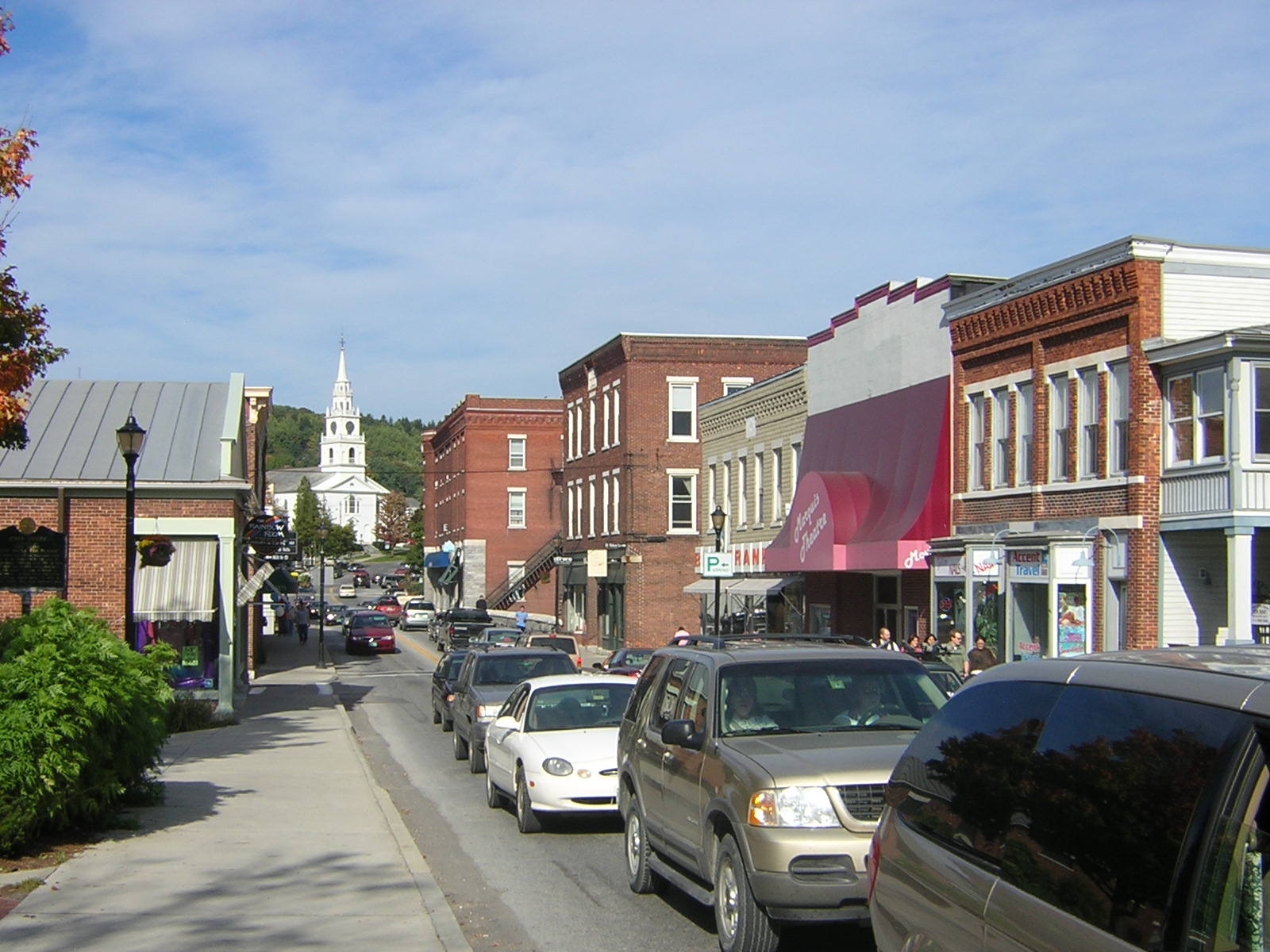
An investor who has already read this pilot’s Woodstock or Stowe files will want a direct comparison before putting money into Middlebury, Vergennes, or Bristol. Woodstock’s village market runs on a hard 55-plus-55 permit ceiling, which theWoodstock cap explaineralready walks through. Stowe’s selectboard approved an 850-unit cap in July 2026 — confirm the ordinance on stowevt.gov. Burlington requires an owner-occupancy Certificate of Compliance. Middlebury, Vergennes, and Bristol currently show no confirmed town STR ordinance or cap — only Act 48. That is a more open posture than the other Vermont markets in this pilot. It is also today’s status, not a permanent guarantee.
Middlebury’s Selectboard studied short-term rentals on October 30, 2023, citing Addison County figures of about 1 percent of housing stock in short-term use against an 11 percent vacation-home base (2021). Whether that review has produced an adopted ordinance is unconfirmed. Verify with Zoning Administrator JR Christ at ext. 226 before you underwrite “no local rules.” Therulespost is that caveat at full length. Statewide, a 2025 bill (H0242) that would have added a host-occupancy requirement and an one-STR-per-parcel limit died in committee. Vermont’s League of Cities and Towns has pushed new municipal STR-taxing authority as a legislative priority. Flag those as forward-looking, not as current law.
Demand structure contrasts just as sharply. Stowe and Woodstock each pitch a dominant branded season. This cluster’s four drivers — the college calendar, Basin Harbor and Lake Champlain in summer, Rikert and Snow Bowl in winter, and foliage — spread the year. Themarket reportis the identity page. This page is the comparison. The honest caveat matters as much as the differentiators: every town-level revenue figure in this cluster comes from guestfavorites.com, a directional aggregator not cross-checked here against AirDNA or AirROI. Middlebury clears about a year on that source. Vergennes and Bristol do not clear. The fair comparison is not “this market beats the others.” It is a different trade.
The regulatory contrast, with today’s caveat
Woodstock’s cap is a scarcity-of-permits story. If you can get a permit, the ceiling is part of the investment case; if you cannot, the market is closed. Stowe’s 850-unit cap, approved in July 2026, is a scarcity-of-units story at a much larger inventory. Burlington’s owner-occupancy Certificate of Compliance is a you-have-to-live-there story. Middlebury, Vergennes, and Bristol, as of this draft, are a statewide-baseline story: register with the Vermont Department of Taxes, collect the rooms-tax stack, and do not invent a town permit you cannot find. Thetown-by-town Vermont rulesguide is the statewide map. This paragraph is the Addison County cell on that map.
The tax stack is not the same as a cap, but it is part of the comparison. Statewide you now collect 9 percent rooms plus a 3 percent STR surcharge on rents collected on or after August 1, 2024 (Act 183 of 2024). Middlebury has added a 1 percent local option on meals and rooms since October 2008. Vergennes and Bristol add the same 1 percent local option on July 1, 2026. Woodstock and Stowe have their own local option histories on the Department’s list — confirm the address. A 13 percent combined rate in Middlebury is not a permit cap. It is a line on the invoice. Do not tell a buyer they are buying “untaxed Vermont.” Tell them they are buying an uncapped town, as of today, with a full state-plus-local stack.
The 2023 Selectboard memo is the reason “uncapped” cannot be the last word. A town that already wrote down 1 percent STR penetration against 11 percent vacation homes was looking at the conversion gap on purpose. That gap is theinvestmentthesis. It is also the political fact that makes a future ordinance imaginable. Underwrite today’s rules. Price a future registration or cap as a risk, not as a surprise. Call the zoning administrator. Do not treat a 2023 packet as a 2026 ordinance, and do not treat the absence of an ordinance as a promise the town will never write one.
Four demand engines versus one branded season
Stowe’s identity is downhill skiing. Woodstock’s is a premium village plus a nearby hill, with foliage as a second peak — theWoodstock-versus-Stowepost already ran that comparison. Middlebury’s identity is a college town that also has a lake, a Nordic center, a small downhill hill, and a train. Those are four clocks, not one. Move-in, Fall Family Weekend, graduation, and Reunion are dated. Basin Harbor and the Maritime Museum run mid-May through mid-October. Rikert’s snowmaking-extended season is described as roughly 140 days. Foliage is late September through mid-October. Spring is the probable trough. Thecalendarpost is the operating version.
The winter pitch is the one hosts from Stowe will get wrong. This is a Nordic-first market. Rikert, not a destination mega-resort, is the named winter differentiator. Snow Bowl is Middlebury College’s own hill: 700 acres, 17 trails, three lifts. Confirm both on their own sites. Do not write “world-class skiing” into a Middlebury listing because you read a Stowe page. Thepersonapost already split college families, lake families, Nordic skiers, and rail travelers. A Stowe listing does not have the rail traveler. A Woodstock listing does not have a station in town. The Ethan Allen Express has stopped in Middlebury and at Vergennes-Ferrisburgh since July 29, 2022.
The cost of four clocks is operational, not poetic. You have to change minimums, photos, and first sentences when the clock changes. Theoff-seasonandremote-workerposts are how. A Stowe host can leave a ski sentence up for a longer band. A Middlebury host who leaves a July dock photo up in April will earn the review. Four-season demand is real here and still not a license to run one listing all year.
Honest numbers, town by town
guestfavorites.com, labeled directional throughout this cluster, puts Middlebury at about 72 listings, $255 ADR, 49 percent occupancy, and about a year. Vergennes: 16 listings, $178 ADR, about a year. Bristol: 30 listings, $159 ADR, about a year. Lincoln, adjacent: 14 listings, $234 ADR, 44 percent occupancy, about a year. Addison County blend: 348 listings, $245 ADR, 47 percent occupancy, about a year. The county blend and Middlebury are the viability case. Vergennes and Bristol are lower-ADR satellites that lean on historic-downtown identity and Green Mountain access, not on rate parity with Middlebury.
We do not have a locked AirROI extract for this town the way some other clusters in this library do. Do not dress the guestfavorites.com cells as AirROI. Do not invent a Woodstock or Stowe ADR in this post to force a table that looks complete. TheWoodstock market reportis the place for Woodstock’s own figures. This page will not steal them out of context. What we can say without a second aggregator is structural: Middlebury’s directional revenue clears a bar; two of its named satellites do not; the county blend does. An investor targeting Vergennes for Basin Harbor overflow is buying a different product than an investor targeting a campus-edge house for graduation weekend.
Sample size is part of the honesty. Sixteen Vergennes listings is a thin cell. Seventy-two Middlebury listings is still small next to a destination ski town. Directional medians move when a handful of houses enter or leave. Use the numbers as a shape, not as a pro forma. Theinvestmentpost already said that. The comparison version is: if you need a deep, independently corroborated occupancy series before you buy, this is not your market yet. If you can underwrite a college calendar, a lake season, and a town you will call yourself, the directional shape is enough to start the conversation and not enough to finish the lender memo.
Scarcity of permits versus scarcity of conversion
Woodstock’s 55-plus-55 ceiling is scarcity you can count. Addison County’s 1 percent STR penetration against an 11 percent vacation-home base (2021 figures, via Middlebury’s 2023 memo) is scarcity of conversion: a large pool of already-owned second homes that has barely begun operating as short-term rentals. No named national property manager — Vacasa, AvantStay, or otherwise — surfaced in this county in the research pass that approved the cluster. That is a different competitive texture than a built-out ski town with a professional-management layer already on the search results.
The investment implication is not “buy anything in Addison County.” It is “the houses that convert will not be fighting a permit lottery this year, and they will not be fighting a named national brand this year, and they will be fighting a town that has already studied the question.” Call zoning. Underwrite the 2023 memo as a watch item. Theagencypost already said the fee math is easier in Middlebury than in Bristol because the directional dollars are larger. The comparison version is the same sentence against Woodstock: a permit you cannot get is worth zero dollars. A Middlebury house you can actually list, in a county that has not converted its vacation homes yet, is a different underwriting problem.
Do not tell a buyer they are getting Woodstock demand at Bristol prices. They are not. Woodstock’s premium-village identity and this cluster’s college-and-lake identity overlap only in the word Vermont. Thehow-to-marketpost already split campus, Vergennes downtown, and Bristol swimming-hole copy. A comparison that flattens those three towns into “cheaper Woodstock” is the mistake this page exists to prevent. Buy the clock you can operate. Buy the town whose first sentence you can tell the truth about.
Accessibility: rail versus car-only Vermont
The Ethan Allen Express extension on July 29, 2022 put stations in Middlebury and at Vergennes-Ferrisburgh on a daily New York–Burlington train. Woodstock, Stowe, the Northeast Kingdom, Mad River Valley, and the Southern Vermont Villages all require a car for the final leg from any train or airport. That is the single most citable accessibility fact this cluster owns. It is not a ridership-to-booking conversion rate. We do not have one. Do not publish one. TheAmtrakpost is the marketing version. The comparison version is: if your buyer cares about a car-free New York weekend, this is the Vermont market in this pilot that can say yes, and only if the house can finish the walk or the ride.
Burlington has an airport and a much larger city inventory, plus the owner-occupancy compliance regime. It is not a substitute for Middlebury and it is not this cluster. A guest who wants Church Street and a guest who wants a college town on Otter Creek are not the same guest. Do not steal Burlington’s urban identity for a Bristol farmhouse. Do not steal Stowe’s mountain identity for a downtown Middlebury walk-up. TheBasin Harborshoreline is closer to a lake-resort identity than to either city or ski-town, and it still is not a professional STR portfolio — Basin Harbor is a 700-acre family resort, not an Airbnb competitor.
If you are choosing among Vermont markets in this library, write the constraint first. Need a permit ceiling that protects incumbents? Woodstock. Need a downhill brand and a large-cap inventory? Stowe, with the new 850-unit ordinance confirmed on the town site. Need to live on the property in a city? Burlington. Need a college calendar, a lake season, a Nordic winter, and a train, in a county that has not converted its second homes and has not adopted a town cap as of this draft? Middlebury, Vergennes, Bristol. Then call JR Christ. Then pull a primary occupancy extract before you send a lender a number you read on guestfavorites.com.
What a Burlington or Stowe template will get wrong here
A Burlington owner-occupancy template will tell you to live on the property and file a city Certificate of Compliance. That is the right sentence in Burlington. It is the wrong first sentence in Middlebury unless you have confirmed a new town rule that does not appear in this cluster’s research. Do not import a city compliance slogan onto a campus-edge house. Do not import Church Street energy onto Otter Creek. Burlington is a different labor market, a different airport, and a different ordinance. The comparison is useful because it names that difference, not because a buyer can treat the two as substitutes.
A Stowe template will lead with downhill skiing and a mountain-town Saturday. Rikert and Snow Bowl are real, and they are not Stowe. Confirm them on their own sites and put them in a January listing, not in an April one. The new 850-unit cap is Stowe’s scarcity story as of July 2026. Addison County’s scarcity story is the unconverted vacation-home base and the absence, as of this draft, of a town cap. If you copy Stowe’s first paragraph into a Bristol listing, you will spend the year explaining why the guest is not at the mountain they Googled. Thehow-to-marketpost already split the three towns in this cluster. Keep Stowe out of that split.
Woodstock’s template is the one that looks closest on a map and is still wrong. A permit lottery and a premium-village ADR are not what guestfavorites.com is describing in Vergennes or Bristol. If you can buy in Woodstock and you want that identity, buy in Woodstock and read theWoodstock market report. If you are here because you cannot get a Woodstock permit, say that to yourself and then operate Middlebury’s clocks instead of pretending you bought a cheaper Quechee.
Who this comparison is wrong for
This page is wrong for a buyer who needs a deep, independently corroborated occupancy series before they will close. We do not have one. It is wrong for a host who wants a single branded season they can leave up all year. It is wrong for someone who wants a named national manager already in the market to hand the house to — none showed up in Addison County in this research. It is wrong for a Vergennes or Bristol buyer who thought the Middlebury directional applied to every town in the cluster. Those two towns sit under on the same source.
It is the right page for someone comparing Vermont markets inside this library and willing to underwrite a college calendar, a lake season, a Nordic winter, and a train, with a phone call to zoning on the 2023 memo. It is the right page for a current Middlebury host who has been writing “Vermont getaway” and losing the Saturday to a listing that named Family Weekend. Theagencypost is whether the fee math works on your town’s directional revenue. This page is whether you are even in the right town. If you are still trying to pick a winner, you are reading it wrong. Pick the constraint you can live with, then operate the calendar that constraint leaves you.
How to use this comparison without picking a winner
Do not publish a ranking. Publish a trade. This market trades regulatory certainty and data depth for an open town-level baseline, a conversion gap, and a four-clock calendar. Woodstock trades the opposite way: hard permits, a premium village, thinner access. Stowe trades a downhill brand and a new unit cap. Burlington trades city demand and owner-occupancy. Ludlow, if you have been watching it, is a registry-in-progress story — confirm current status rather than repeating an older research note. None of those sentences is “best.” Each is a different product.
If you already own in Middlebury, the comparison is a listing-copy test. Stop using “Vermont getaway” as the first line. Start using the clock that matches the week. If you are buying, the comparison is a due-diligence list: confirm ordinance status, confirm the tax stack on the Department’s finder, confirm this year’s college dates, confirm Maritime Museum hours if you are on the lake, and buy a primary data pull before you treat as your house. Themarket reportis the hub. Therulespost is the call you make. Theinvestmentpost is the conversion-gap thesis.
Then stop shopping slogans. A four-season college town on the train is a real identity. It will not cover a mud-season vacancy you refused to describe, and it will not survive a Selectboard that decides the 2023 memo should become an ordinance. Operate the calendar you have. Verify the rules you claim. Leave Woodstock, Stowe, and Burlington their own first sentences, and write Middlebury’s in the month you are actually selling.
Frequently Asked Questions
How does Middlebury’s STR rulebook compare with Woodstock and Stowe?
Woodstock runs a hard 55-plus-55 village permit ceiling. Stowe’s selectboard approved an 850-unit cap in July 2026 — confirm the ordinance on stowevt.gov. Middlebury, Vergennes, and Bristol currently show no confirmed town STR ordinance or cap, only Vermont Act 48. Middlebury’s Selectboard studied STRs on October 30, 2023. Middlebury, Vergennes, and Bristol currently show no confirmed town STR ordinance or cap — only Act 48.
Is “no local rules” a safe sentence for a listing?
It is an unconfirmed current finding, not a permanent guarantee. Verify with Middlebury Zoning Administrator JR Christ at ext. 226, and with the Vergennes and Bristol clerks for those towns. A 2025 statewide occupancy bill (H0242) died in committee; treat future municipal tax authority as a watch item. Statewide, a 2025 bill (H0242) that would have added a host-occupancy requirement and an one-STR-per-parcel limit died in committee.
Do Middlebury’s revenue numbers beat Stowe or Woodstock?
This page will not publish a winner. guestfavorites.com figures used here are directional and not cross-checked against AirROI. Middlebury sits near a year on that source; Vergennes and Bristol sit under. Read each town’s own market report for that town’s figures. guestfavorites.com, labeled directional throughout this cluster, puts Middlebury at about 72 listings, $255 ADR, 49 percent occupancy, and about a year.
What is the demand-structure difference?
Stowe and Woodstock each pitch a dominant branded season. This cluster runs four clocks: the Middlebury College calendar, Basin Harbor and Lake Champlain in summer, Rikert and Snow Bowl in winter, and foliage. Spring is the probable trough. That is operational work, not a slogan. This cluster’s four drivers — the college calendar, Basin Harbor and Lake Champlain in summer, Rikert and Snow Bowl in winter, and foliage — spread the year.
Does the train really change the comparison?
The Ethan Allen Express has stopped in Middlebury and at Vergennes-Ferrisburgh since July 29, 2022. Woodstock and Stowe still require a car for the final leg. That is a dated accessibility fact, not a ridership-to-booking percentage. We do not have a conversion rate and will not invent one. The Ethan Allen Express extension on July 29, 2022 put stations in Middlebury and at Vergennes-Ferrisburgh on a daily New York–Burlington train.
What tax stack should a comparison use?
Statewide: 9 percent rooms plus a 3 percent STR surcharge on rents collected on or after August 1, 2024. Middlebury adds a 1 percent local option in force since October 2008. Vergennes and Bristol add the same 1 percent on July 1, 2026. Confirm the address at tax.vermont.gov. Statewide you now collect 9 percent rooms plus a 3 percent STR surcharge on rents collected on or after August 1, 2024 (Act 183 of 2024).
Is Addison County just cheaper Woodstock?
Woodstock’s scarcity is permits. Addison County’s scarcity, on the 2021 figures in Middlebury’s 2023 memo, is conversion — about 1 percent STR use against an 11 percent vacation-home base. The identities do not transfer. Do not paste a Quechee first sentence onto a Bristol house. Addison County’s 1 percent STR penetration against an 11 percent vacation-home base (2021 figures, via Middlebury’s 2023 memo) is scarcity of conversion: a large pool of already-owned second homes that has barely begun operating as short-term rentals.
Who is this comparison for?
Someone already looking at this pilot’s other Vermont clusters who will call zoning, pull a primary occupancy extract, and operate four calendars. It is not for a buyer who needs a deep corroborated series before they will close, or for a host who wants one branded season left up all year. This page is wrong for a buyer who needs a deep, independently corroborated occupancy series before they will close.
Keep going on Crest & Cove:the Crest & Cove intro·local SEO keywords that actually book·the five elements of a converting hero·how to compare STR marketing agencies·OTA fees without leftover occupancy lifts·this cluster against named-town AirROI pins·Destin against AirROI, not leftover year·prior cluster against AirROI pins.
Related Reading
Keep reading in the Middlebury market spine and nearby towns in the same region: same-cluster pages hosts can use without costume-corridor copy.
Reading the Mad River Valley, VT Short-Term Rental Market in 2026
Reading the Manchester Southern Vermont Short-Term Rental Market in 2026
DIY vs Hire Marketing for Mad River Valley Vacation Rental Marketing
Middlebury Vergennes Bristol Rules: Clerks, Not Occupancy Ranking
This Market Host Guide: What Guests Actually Ask for Independent Hosts
Work with Crest & Cove Creative
Peak occupancy is not the year. Named-town AirROI pins only.crestcove.coor(256) 998-7502.
Peak occupancy is not the year. Named-town AirROI pins only.crestcove.coor(256) 998-7502.
Peak occupancy is not the year. Named-town AirROI pins only.crestcove.coor(256) 998-7502.
Peak occupancy is not the year. Named-town AirROI pins only.crestcove.coor(256) 998-7502.
Middlebury is not cheaper Woodstock. It is a college-and-lake calendar in a town that has not adopted a cap — as of today.
Crest & Cove Creative works with independent short-term rental hosts who want marketing built around how their specific property and market actually work — not a franchise playbook. See what we do atcrestcove.co, or call (256) 998-7502 to talk through your situation. Reach out at crestcove.co or (256) 998-7502.


Comments