
Middlebury VT Off-Season: Peak Occupancy Is Not the Year

Updated: Aug 28
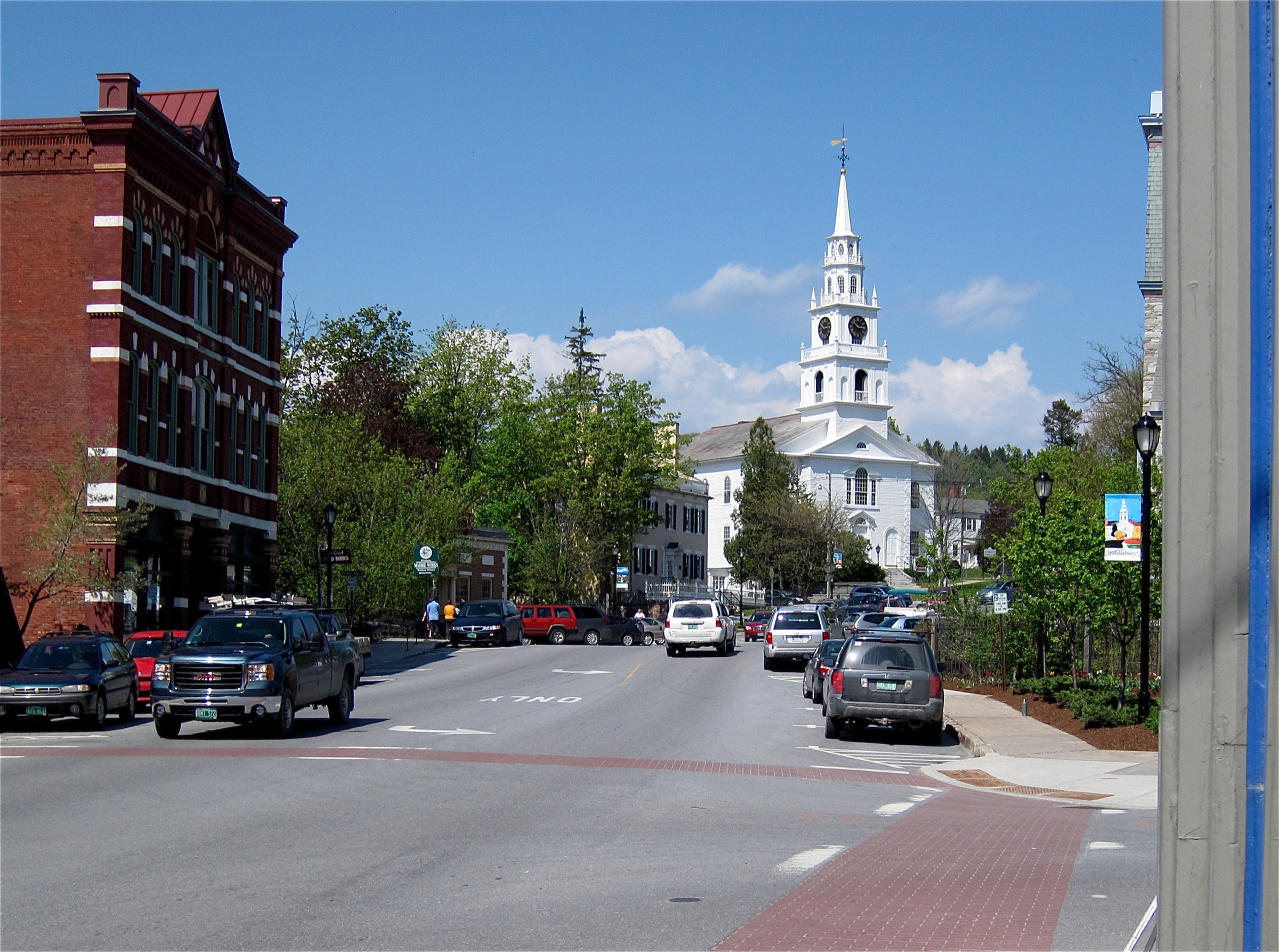
Off-season in Middlebury, VT is not a beach-town January and it is not a ski-town February. After foliage in late September through mid-October, the valley moves into stick season — essentially November, after the leaves and beforeSnow Bowl and Rikertcan be the reason someone booked. A holiday bump sits in December. Mud season then runs roughly March into April. This page will not invent a March occupancy cell. guestfavorites.com figures used here are directional: Middlebury near 49 percent occupancy and about a year; the county near 47 percent and about.
Thefour-season pricing calendaralready maps the peaks to protect first: college move-in, Fall Family Weekend, late-May graduation, Reunion, Basin Harbor’s mid-May through mid-October lake window, and a Nordic-first winter. This post is the other half — the weeks those events do not fill. Drop a peak five-night Saturday rule inside stick season and mud season. A two- or three-night weekend minimum, with an one-night midweek option, plus a real 15 to 20 percent weekly discount, is the lever that actually gets used.
Vermont tax still applies on a cheap week if someone books it. Act 48 (2020) requires registration with the Vermont Department of Taxes and collection of rooms tax on any stay of 30 consecutive days or fewer. The current stack on tax.vermont.gov is 9 percent state rooms, plus the 3 percent short-term rental surcharge under Act 183 of 2024 for rents collected on or after August 1, 2024, plus Middlebury’s 1 percent local option meals-and-rooms tax, in force since October 2008. Vergennes and Bristol add that 1 percent local option on July 1, 2026. Confirm the address on the Department’s Local Option Tax Finder. Therules postis the compliance page.
Name the two dead windows before you discount anything
Stick season and mud season are not the same product. Stick season is the leafless late fall after peak color — treat November as the core, with leftover late October as the on-ramp. Downtown Middlebury is still a real town because the college is in session. That sentence is the marketing fact, not a consolation prize. Mud season is the spring thaw: dirt roads soften, trails go wet, the lake is not a swimming pitch, and the ski hills are done or finishing. Treat March into April as the probable trough, consistent with interior Vermont. We do not have a town-specific March occupancy series. Write “probable trough, not a measured cell” on those weeks in your own model.
Holiday weeks sit between the two dead windows and should not be priced as stick season. Thanksgiving through New Year’s is real travel in Vermont even when it is not a foliage peak here. We do not have a Middlebury holiday occupancy percent. If last year’s folio shows those weeks booked, use the folio. If you do not have a year yet, offer the house below October and above a desperate April midweek. Winter proper — January and February when there is snow — is the Rikert and Snow Bowl product. Rikert’s snowmaking-extended season is described as roughly 140 days with about 55 kilometers of groomed trail; Snow Bowl is the college hill, 700 acres, 17 trails, three lifts. Confirm current operations before you write “ski week.”.
Name the windows in the listing because guests punish a foliage hero under an April calendar. Put one honest exterior in the first screen for the season you are actually selling. Thehow-to-marketpost is the town-by-town page; this paragraph is the seasonal version. A Vergennes listing should not run midsummer dock photos as the only exterior through mud season. A Bristol listing that lives on Bartlett Falls in July should not promise a swimming hole in March.
Stick season is a walkable college town without the leaf traffic
November in Middlebury is quieter on Route 7 and busier on campus than a brochure expects. Students are in town. Merchants who live on the academic year stay open. The walkable village themarket reportuses as this cluster’s identity is still there; the leaf-peeper traffic is not. “Work or wander Middlebury in the quiet weeks between the leaves and the snow” is more credible than “magical Vermont getaway” on a leafless street. TheAmtrakangle still works. The Ethan Allen Express has stopped in Middlebury and at Vergennes-Ferrisburgh since the July 29, 2022 extension. A car-free weekend in a quiet college town is a different listing than a car-free foliage weekend.
What you should not do is pretend the woods are still in color or that Basin Harbor is in full summer. The Lake Champlain Maritime Museum’s posted season is mid-May through mid-October. TheBasin Harbor shorelinepost is the waterfront product; do not borrow its July copy for a November house in the village. If your property is on the lake, write grey water, empty docks, maybe a walk, not a swim. If your property is downtown, write the creek, the falls, the campus edge, and the restaurants you have confirmed are open that month. Do not hard-code a 2024 Instagram story as this year’s hours.
One leafless Main Street frame and one warm interior beat six October canopies. If you only shot the house in September, say so — “photos from early fall; November is quieter and the trees are bare.” Rate integrity in October depends on not training the internet that this house is always 20 percent off. Date the weekly discount inside the dead window and pull it when Family Weekend or a real snow week arrives. Confirm the current Fall Family Weekend on middlebury.edu; a recent year ran early October. Treat that as illustrative, not this year’s date.
Mud season is the trough you should describe, not disguise
March and April in Addison County are wet, brown, and honest. Dirt roads at elevation soften. Trails around Lincoln Gap and Bristol Cliffs are a caveat, not a hero image. Bartlett Falls is not a swimming-hole pitch. Snow Bowl and Rikert are done or nearly done — confirm the closed notice on their own sites. This is the window the rest of interior Vermont already treats as the occupancy trough. This cluster does not have a measured Middlebury mud-season occupancy to publish, so we will not. These are the weeks a two-night Saturday rule will sit empty, the weeks a 28-night laptop stay can justify heat, and the weeks you should finally do the deep clean July never allowed.
Pricing should be the lowest honest rate that does not wreck July. A 15 to 20 percent weekly discount, or a deeper cut on a 28-night stay, is the lever — see theremote-workerpage for the 30 to 40 percent off-peak idea on a month-long booking. Do not take the house to a $99 midweek you cannot climb out of in May. May starts to pick up for graduation families and for the first lake weekends; the Maritime Museum’s mid-May opening is a sourced line for the start of shoreline season. Until that week, sell quiet, heat, a desk, and a walkable village, or block the calendar and do the work.
Copy has to mention the driveway and the boots. If you are on a dirt road in Bristol or Lincoln, say so. Heat has to work. A fireplace that is decorative only should not be the first interior photo in March. Vergennes and Bristol already run thinner annual revenue on directional figures — about and a year. A fire-sale on a Bristol house that was never a Middlebury product is how you spend March losing money on propane. Use the month for paint, mattresses, and the photo reshoot you postponed.
College weekends still punch holes in an otherwise quiet month
Middlebury’s academic calendar is why this off-season is more complicated than a generic Vermont mud-season essay. Move-in, Fall Family Weekend, late-May graduation, and Reunion are dated demand. Local lodging guides tell people to book those weekends early. The college’s housing has been tight enough in recent coverage that it paid a group of incoming students to defer fall enrollment — an indirect signal that campus overflow is real. A late-May graduation weekend is not mud season even if the Thursday before it still looks like April. Price the weekend as the event. Price the adjacent midweeks as the trough. Confirm this year’s dates on the college site before you lock either one.
The listing implication is a calendar with holes, not a smooth discount from November 1 to April 30. If you leave graduation weekend at the April midweek rate, you train the next parent that this house is cheap on the one weekend the town is full. Thepersonapost already said college families need multi-room capacity and flexible check-in. Off-season strategy is the inverse: keep those amenities, drop the minimum on the non-event nights, and write two first sentences. “Graduation weekend, walking distance to campus” is one product. “Quiet April week, desk, measured Wi-Fi” is another. Thecomparepost is why this matters against Stowe or Woodstock: those markets pitch one branded season. This one has to operate four.
Late August move-in is its own spike and is easy to mis-file as “summer.” Families arrive with cars full of crates, they want laundry and a parking plan, and they leave when the student is settled. Minimums can be shorter than a July Saturday-to-Saturday. Rates can be high without pretending the house is on the water. If you are still running a July weekly discount in late August, you are giving a calendar-predictable weekend away. The dead windows are where the discount lives. Move-in, Family Weekend, graduation, and Reunion are not dead windows.
Minimums, weekly discounts, and the rate you can still defend in July
Inside stick season and mud season, drop the peak minimum to two or three nights, offer one-night midweek if you can turn the house, and put a real 15 to 20 percent weekly discount on stays of seven nights or more. On a 28-night laptop stay, a 30 to 40 percent cut off the peak nightly rate belongs on theremotepage — do not paste it onto a foliage weekend. Date every discount. Pull it when an event weekend or a real snow week arrives. A discount that never expires is a new, lower rack rate.
Rate integrity is a Middlebury problem more than a Bristol problem on the directional numbers, simply because the dollars are larger. A 20 percent unforced cut on a house that can do Middlebury’s directional $255 advertised daily rate costs more than the same cut on Bristol’s directional $159. That does not mean Bristol hosts should dump March at any price. Vergennes and Bristol already sit under a directional annual figure. Giving the winter away does not fix a thinner ADR. Use the discount to move a week that would otherwise be zero, then stop. Theagencypost already walked the fee math by town. Off-season is where that math is won or lost.
Minimum-stay rules should match the guest who is actually available. A two-night Saturday rule left on an April Tuesday is how the listing stays empty. A five-night midweek minimum in April is a laptop product. A two-night weekend in November is a couple who missed foliage, or a parent visiting a student without a formal Family Weekend. If your channel manager can only hold one minimum, change it when the season changes. TheDIYpost is blunt that calendar hygiene is the part hosts can do themselves. Event weekends high and long. Dead windows short and cheaper. Do not publish a twelve-month occupancy table for Middlebury. We do not have one.
Listing copy that sells a quiet village instead of apologizing for it
Lead with the town and the season you are actually in. “Middlebury, VT — walkable village, stick season, two-night weekends” is a better first line than “Luxury Champlain Valley retreat near Basin Harbor and the Snow Bowl” in November. Name Otter Creek, downtown, and the college being in session. Then name what is not here this month: no foliage canopy, no museum-and-swim pitch, Snow Bowl and Rikert only if their sites say so. A Ferrisburgh cottage can still mention Lake Champlain in November if the sentence is about the view and the quiet, not about the Maritime Museum’s summer hours. Match the listing to the month the same way thehow-to-marketpage said to match it to the town.
Local partnerships are the other lever that actually shows up in this kind of town. A dinner credit at a restaurant you have a real arrangement with, a general-store discount, a written taxi note for theAmtrakguest — those are packages. A 2019 chamber PDF is not. Confirm the restaurant is open on Tuesdays in November before you put it in the welcome book. If you do not have a partnership, you can still name a place you have walked into this month. You cannot name a tasting menu that exists only on a summer website. Small-town guests check. The review that says the cafe was closed is the review that follows a host who copied last July’s guide into April.
Photography follows the same rule as the first sentence. One current-season exterior. Warm interiors. The desk if you want theremoteguest. The wood stove only if it works. Bristol hosts who live on Bartlett Falls in July need a second set of frames for April. Cancellation policy can be slightly looser in the dead windows. Flexible terms on a 28-night April booking are rational. Flexible terms on Fall Family Weekend are how you eat a cancellation you cannot rebook.
Heat, maintenance, and the tax you remit on a cheap week
A discounted night is still a taxable occupancy. Middlebury’s current stack, as of the Department of Taxes pages checked for this draft, is 9 percent state rooms plus 3 percent STR surcharge plus 1 percent local option — 13 percent before any platform fee. Vergennes and Bristol are 12 percent until July 1, 2026, then 13 percent if you collect the new local option on rooms. Confirm the property address. Remit on the cheap week the same way you remit on Family Weekend. Act 48 does not care that you marked the night down 20 percent. Therulespage is the longer version. If a guest paid you, it is a stay.
Heat is the line item that makes a bad April rate into a loss. If you cannot cover oil or propane on the discounted weekly rate, the rate is too low or the house should be closed. Closing is allowed. A dark listing that still advertises nights is still a listing; a closed calendar is cleaner. Use the closure for the mattress, the paint, and the Wi-Fi measurement you will need if you want the laptop guest next mud season. Theinvestmentread already said only about 1 percent of Addison County housing stock was in short-term use against an 11 percent vacation-home base in the 2021 figures Middlebury’s 2023 memo cited.
Who plows, by what hour, and whether a guest must move a car at 6 a.m. are how a November or March stay actually works. Write them before the booking. If the last stretch is seasonal-road adjacent, say so. Keep an one-page log: date you checked middlebury.edu for the next campus weekend, date you checked Snow Bowl and Rikert, date you pulled the weekly discount because graduation weekend published. Independent hosts in a county with no named national manager win the quiet months by being current.
What to do to the calendar this week
Open theseasonality calendarnext to your live iCal. Color the dated college weekends once you have confirmed them. Color foliage as the late-September to mid-October band you actually sell. Color stick season as November plus leftover late-October nights. Color holiday weeks from your folio. Color winter snow weeks only where Snow Bowl or Rikert is open on its own site. Color mud season as March into April and either discount it, convert it to a 28-night laptop product, or close it. If a night does not fit a color, it does not get a made-up occupancy percent.
Then fix the first screen. Replace the only-summer hero if that is what a November guest currently sees. Write one sentence that names the season, and one that names the walkable village, the lake view, or the dirt road — whichever is true. Put the registration number in the ad even when most of the winter is closed. If the plumber is in, say the calendar is closed. Guests forgive a closed calendar. They do not forgive a cancellation two days out.
Decide whether April is a remote-worker product or a maintenance month. It can be both if you split the month. It cannot be a July listing with a lower number. Theremote-workerpost is the desk and the 28-night math. Thecomparepost is why you should not copy a Stowe downhill template. TheBasin Harborpost is why a Ferrisburgh cottage should treat mid-May as the start of its real season. Tell that truth and the peaks still book.
Frequently Asked Questions
When is stick season in Middlebury, VT?
Treat November as the core — after peak foliage in late September through mid-October, and before there is enough snow to sell Snow Bowl or Rikert as the reason for the trip. Late October after the last good color weekend is the on-ramp. Confirm the current foliage timing and the college calendar rather than copying last year’s dates.
When is mud season, and do you have occupancy numbers for it?
Treat March into April as the probable trough, consistent with interior Vermont. This cluster does not have a measured Middlebury mud-season occupancy series, so we will not invent one. Price from your own folio once you have a year, and write the driveway and the heat honestly rather than borrowing July copy. This cluster does not have a measured Middlebury mud-season occupancy to publish, so we will not.
What minimum stay should I use in the off-season?
Inside stick season and mud season, drop a peak five-night Saturday rule to two or three nights, and offer one-night midweek if you can turn the house. Keep event weekends — Family Weekend, graduation, Reunion, move-in — on a longer minimum once you have confirmed this year’s dates on middlebury.edu. Inside stick season and mud season, drop the peak minimum to two or three nights, offer one-night midweek if you can turn the house, and put a real 15 to 20 percent weekly discount on stays of seven nights or more.
How deep should the weekly discount be?
A real 15 to 20 percent weekly discount inside the dead windows is the lever that actually moves a booking. On a 28-night laptop stay, 30 to 40 percent off the peak nightly rate is the comparison against a month in a city apartment. Date every discount and pull it when an event weekend arrives.
Does Vermont tax still apply on a cheap November week?
Act 48 still requires registration and rooms-tax collection on stays of 30 consecutive days or fewer. Middlebury’s current stack is 9 percent state rooms plus a 3 percent STR surcharge (rents on or after August 1, 2024) plus the town’s 1 percent local option, in force since October 2008. Confirm the address at tax.vermont.gov. The current stack on tax.vermont.gov is 9 percent state rooms, plus the 3 percent short-term rental surcharge under Act 183 of 2024 for rents collected on or after August 1, 2024, plus Middlebury’s 1 percent local option meals-and-rooms tax, in force since October 2008.
Is there a town STR ordinance I can ignore in the off-season?
No confirmed Middlebury, Vergennes, or Bristol STR ordinance or cap surfaced in this cluster’s research, but that is today’s status, not a permanent promise. Middlebury’s Selectboard studied short-term rentals on October 30, 2023. Verify current status with Zoning Administrator JR Christ at ext. Theinvestmentread already said only about 1 percent of Addison County housing stock was in short-term use against an 11 percent vacation-home base in the 2021 figures Middlebury’s 2023 memo cited.
Can I sell Basin Harbor and swimming holes in April?
Not as a first-screen pitch. The Lake Champlain Maritime Museum’s posted season is mid-May through mid-October. Bartlett Falls is a summer swimming-hole product, not a mud-season one. Write the quiet village, the heat, and the desk — or close the calendar for maintenance until mid-May. Until that week, sell quiet, heat, a desk, and a walkable village, or block the calendar and do the work.
Where does a remote worker fit on this calendar?
Stick season and mud season are the natural 14- to 60-day laptop windows, because the village is quiet and the peak guests are not competing for the same nights. See the remote-worker post in this cluster for the desk, measured Wi-Fi, and 28-night math. Do not paste that discount onto foliage weekend. On a 28-night laptop stay, a 30 to 40 percent cut off the peak nightly rate belongs on theremotepage — do not paste it onto a foliage weekend.
Keep going on Crest & Cove:the Crest & Cove intro·local SEO keywords that actually book·the five elements of a converting hero·how to compare STR marketing agencies·OTA fees without leftover occupancy lifts·this cluster against named-town AirROI pins·Destin against AirROI, not leftover year·prior cluster against AirROI pins.
Related Reading
Keep reading in the Middlebury market spine and nearby towns in the same region: same-cluster pages hosts can use without costume-corridor copy.
What It Actually Costs to Start a Short-Term Rental in Middlebury, VT
Middlebury VT Stick Mud Remote Stays: AirROI Pins, Not Leftover
Middlebury, VT Tourism Data: Vermont's Billion and What It Means for
This Market Host Guide: What Guests Actually Ask for Independent Hosts
How to Finance a Short-Term Rental Purchase in Middlebury, Vermont
Reading the Mad River Valley, VT Short-Term Rental Market in 2026
Reading the Manchester Southern Vermont Short-Term Rental Market in 2026
DIY vs Hire Marketing for Mad River Valley Vacation Rental Marketing
Work with Crest & Cove Creative
Peak occupancy is not the year. Named-town AirROI pins only.crestcove.coor(256) 998-7502.
Peak occupancy is not the year. Named-town AirROI pins only.crestcove.coor(256) 998-7502.
Peak occupancy is not the year. Named-town AirROI pins only.crestcove.coor(256) 998-7502.
Peak occupancy is not the year. Named-town AirROI pins only.crestcove.coor(256) 998-7502.
Middlebury’s off-season is a walkable college town without the leaf traffic — not a July listing with a lower number.
Crest & Cove Creative works with independent short-term rental hosts who want marketing built around how their specific property and market actually work — not a franchise playbook. See what we do atcrestcove.co, or call (256) 998-7502 to talk through your situation. Reach out at crestcove.co or (256) 998-7502.


Comments