
Is a Nebraska City Short-Term Rental a Realistic Investment?

Updated: Aug 27
Nebraska City is a 7,222-person Otoe County seat on Missouri River bluffs, about forty to forty-five minutes south of Omaha on US-75 in typical traffic, measure the week you bid. Elevation sits near 1,043 feet. That scale is the first number in any investment memo, because the bid is not Omaha, not Lincoln, and not a Council Bluffs overflow thesis with orchard photos glued on. The case here is modest seasonal demand with named lodging already on the ground, a state statute that blocks a municipal ban on short-term rentals, and a research pass that did not lock listing count, occupancy, or average daily rate. Treat those three absences as hard limits on the file, not as gaps a blog can fill.
Lied Lodge at Arbor Day Farm is conference and leisure lodging that already sells nights. That is demand proof you can name. It is not your ADR, not your occupancy, and not a rent roll you can underwrite as an independent house on a side street. Arbor Lodge State Historical Park and Arboretum at 2600 Arbor Avenue. National Historic Landmark in 1975, National Register in 1969, and the farm’s Tree Adventure, Apple House Market, and orchards are why people already drive this corridor. The investment question is whether one door can convert those days into nights without inventing metro scale.
What follows is the statute, the tax stack this pass can cite, the clerk questions still open, what competition looks like without a census, who the bid fits, and what stays out of the underwriting memo. Themarket reportis the evidence companion. This page is the yes-or-no on a 7,222-person orchard town. A state no-ban statute, no city STR ordinance found this pass, a citeable tax stack of one percent state lodging plus 5.5 percent sales plus Otoe two percent on a 2019 sheet, unconfirmed city occupation tax, Lied Lodge as demand without ADR, and a 7,222-person seasonal identity is the whole case.
Statute first: no municipal ban, not a free-for-all
Nebraska Revised Statute §18-1758 says a municipality shall not adopt or enforce an ordinance that expressly or effectively prohibits short-term rentals. The same statute leaves room to regulate for public health and safety and to tax if the tax is otherwise allowed. That is the state floor under any Nebraska City conversation. It is not a promise that the city will never require registration, safety rules, or a local tax. It is not a free-for-all.
This research pass did not turn up a Nebraska City-specific short-term rental ordinance. That absence is a draft-day finding, not a forever guarantee. Call the city clerk and zoning before you model an use the parcel cannot hold. Do not paste Lincoln’s occupation-tax story or another state’s packet onto an Otoe pin. If the clerk will not register the use you intend, the investment is a second home on a bluff, not a short-term rental.
Platforms may remit some lodging or sales pieces under Department of Revenue guidance such as GIL 1-19-1. Remittance is a platform contract and a licensing problem, not a substitute for asking what you personally still owe. Thestartuppost is the cash stack. This section is the fork: clerk first, photograph second. Thefinancingnote should attach the clerk answer, not a hope that §18-1758 means zero paper forever.
Tax stack you can cite, and the city line you cannot lock
State lodging tax is one percent in addition to county lodging tax. State sales tax is 5.5 percent. A Visit Nebraska lodging-tax collections sheet from 2019 lists Otoe County at two percent. Recheck Department of Revenue Table 4 the week you model net. Those three pieces, one percent state lodging, 5.5 percent sales, two percent Otoe on the 2019 sheet, are what this file will put in writing.
City occupation or hotel tax is a different problem. Older news described a hike in the two-to-four-percent range. That hike is unconfirmed for current modeling. Ask the clerk. Do not lock four percent. Do not paste another Nebraska city’s occupation tax onto Nebraska City because the name sounds close. Omaha visitor tables and metro spend are not this town’s income. Thetourismpost exists to stop that paste.
File whatever returns the Department of Revenue and the county actually require, including quiet months. A zero return can still be a return. Do not assume Airbnb remits the Otoe piece because it remits somewhere else in Nebraska. Get the answer in writing for the APN you are buying. The DIYpost is who files when you do not live on the bluff. Tax compliance is part of the bid, not a later ops chore.
Lied Lodge is demand. A locked ADR is not. What follows is the statute, the tax stack this pass can cite, the clerk questions still open, what competition looks like without a census, who the bid fits, and what stays out of the underwriting memo. We have no locked listing count, no occupancy series, and no average daily rate for Nebraska City short-term rentals.
Arbor Day Farm covers about 260 acres and already includes Lied Lodge, Tree Adventure, Apple House Market, and orchards. Public materials list Lied Lodge at 2700 Sylvan Road / 2611 Arbor Avenue,. Conference and leisure lodging on that campus is the strongest overnight signal this research can name without inventing a dashboard. Independent houses and other small operators sit beside that campus. Competition is Lied Lodge plus independents, not a forty-key institutional field this pass could count.
We have no locked listing count, no occupancy series, and no average daily rate for Nebraska City short-term rentals. Say so in the lender memo. Do not annualize a night you do not have. Property-manager presence in the research was a Low snapshot. Re-search the platforms the week you write an offer. Do not claim Vacasa or Avant Stay forever absent. A local operator with several logins is still competition even if national brands have not planted a flag on Central Avenue.
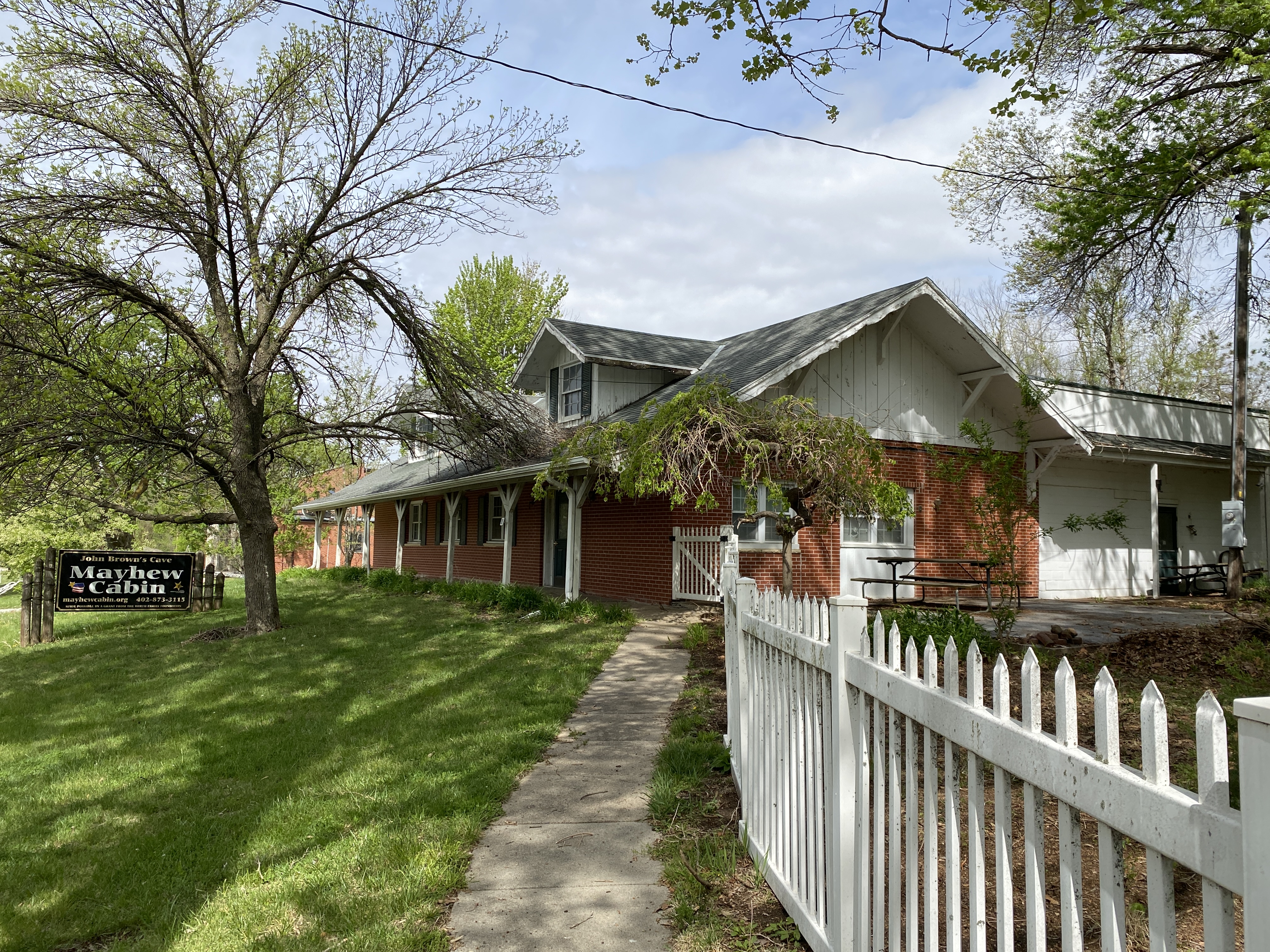
Arbor Lodge’s mansion is commonly described as fifty-two rooms. Grounds run year-round; mansion hours in winter have been Saturday and Sunday eleven to five, closed weekdays, on NGPC materials this pass opened, recheck outdoornebraska.gov before you put hours in a listing. That winter schedule is climate and operations context for theshouldercalendar. It is not an occupancy table. Kimmel Orchard and Vineyard at 5995 G Road is another named day. Mayhew Cabin and downtown historic districts are caption territory if the house can support them. None of those attractions is your ADR.
Who this bid fits, and who should walk
This bid fits a buyer who wants one door next to a modest seasonal orchard identity: Arbor Day Farm, Arbor Lodge, Kimmel, and two Apple Jack weekends that tourism calendars place in mid-to-late September, not a metro portfolio play. It fits someone who will fund listing craft that names the mansion, the lodge overflow night, and the orchard weekend as different products. Thehow-to-marketpost is that craft. Thepersonapost is the split. The Apple Jack ratespost is the dated weekend, not a year-round ADR law.
It does not fit someone who needs Omaha-scale nights, five doors under one name for debt service, or a verified yield on day one. A town of 7,222 does not manufacture inventory because a DSCR model needs a second and third door next year. A buyer who will not call the clerk, will not recheck Otoe’s lodging rate, and will not change a summer hero in January should buy a different asset class. Distance owners fail small orchard towns for hospitality reasons. Budget a human who can reach the lockbox, or do not underwrite short-term income.
Healthcare and agricultural travel can sit as possible midweek desk use if the house actually holds a call and heat in January. A hospital in town is a possible desk source. Theremotepost is the product only when the house has a measured connection and a quiet night that is not an Apple Jack party. Do not add that product to the bid as free upside.
What stays out of the underwriting file
We will not invent annual revenue. We will not invent a listing census. We will not invent a town visitor-spend dollar. No official Nebraska City visitor-spend figure turned up in this pass. Visit Nebraska statewide figures stay state. Otoe’s two percent lodging collections on the 2019 sheet are tax remittances, not a trailing twelve of room nights. Do not divide any of those lines into an ADR and call it science.
Do not use Omaha metro spend as Nebraska City income. Do not paste Lincoln occupation tax. Do not import Maine, Texas, or Nevada ordinance packets. Do not treat Arbor Lodge “most-visited” tourism language as an NGPC rank unless you hold the rank. Hedge marketing copy. Insurance written as short-term lodging, winter heat, a cleaner who can turn a house after a festival weekend, and a local phone are carry costs. Get quotes. Put them in the file before you waive a contingency. A carrier that refuses short-term use pauses the thesis whether or not the orchard photo is beautiful.
Thevisitor guideis what guests search after they book. It is not a rent roll. A model that only works when Apple Jack fills every September Saturday for ten years is a model that already assumed a festival ADR you do not have. Price the house as a house. Treat short-term income as an option you earn after the clerk, the tax accounts, and the first honest listing are in place.
Season is orchard identity, not Omaha weather marketing
Southeast Nebraska is humid continental. Weather Spark-style normals put July’s average high near 87°F and January’s average low near 19°F, label the source, and confirm a NOAA station if you open one for the memo. Summer is warm and bookable. Winter is cold and outdoor leisure thins. It is not a Phoenix trough and not a law that the town closes from December through February. Arbor Lodge mansion still publishes winter weekend hours on the materials this pass used. Recheck them.
Apple Jack, on Nebraska City tourism and Arbor Day Farm materials for 2026, is two mid-to-late September weekends. September 18-20 and 26-27 on those calendars, with Kimmel listing September 19-20 as the orchard’s 58th Annual. Labor Day 2026 is September 7. Do not write Apple Jack as Labor Day weekend. Arbor Day Festival on the city calendar is April 24-26, 2026. Those are dated products. They are not a twelve-month occupancy curve. The shoulder post writes the calendar. This paragraph stops you from underwriting one festival as a year.
A seven-night summer minimum on a forty-to-forty-five-minute drive market is a choice you earn with your own nights. A two-night weekend from Omaha is a real product in seasons you can photograph. Do not annualize July and ignore January heat. Do not annualize Apple Jack and ignore the rest of the year. Season here is orchard weekends, mansion pilgrims, lodge overflow, and quiet midweeks you may or may not fill, not a metro brochure.
Distance, neighbors, and operations are carry
US-75 is the access, not a brand. Typical language is forty to forty-five minutes from Omaha. Write the minutes you drove. A guest who thought they booked Omaha and woke up in a 7,222-person county seat will review the listing, not the interstate. Quiet hours, parking that matches the cars you allow, and a real local contact are investment facts in a town that reviews faster than a city block. Complaints about noise after orchard weekends are how workable tax regimes become harder paper.
If you cannot be here when a pipe freezes near a 19°F January night, budget a human who can. Heat is not optional copy. It is the difference between a winter night and a refund. Lied Lodge will still sell conference rooms whether or not your independent house is online. Your house is kitchen, privacy, and overflow, or it is a quieter night than a lodge corridor. It is not the lodge’s occupancy. Name Lied as a neighbor. Price the house you can legally operate.
Crest & Cove work on this corridor is listing and search craft around the facts you can defend. Permits and occupation tax are clerk questions. Yield is a primary pull you buy for this town, not a number this page will invent. Confirm the pin is Nebraska City before you pay any Omaha cashier. Confirm zoning. Then decide whether one modest door is enough.
What a good offer looks like in a town of 7,222
The offer names the APN, Nebraska City versus unincorporated Otoe, bedroom count, parking, and whether any seller lodging or sales accounts transfer. It asks the clerk whether short-term use is allowed on that parcel and whether any city occupation tax applies now. It still works if the first February is quiet and the first Apple Jack is only one strong weekend. It does not need a fake ADR times 233 nights. It does not need Omaha visitor spend. It does not need a municipal ban scare that §18-1758 already limits.
Walk the lot at the hour a guest would arrive in July heat and in January cold. Drive US-75 both ways. If you will not do that, you are buying a photograph of orchards and a mansion. Lied Lodge at and Arbor Day Farm materials at arbordayfarm.org are public lodging context. Nebraska City Tourism at nebraskacity.com is the calendar source to recheck. NGPC’s Arbor Lodge page is the mansion-hours source to recheck. None of those pages is your trailing twelve.
A state no-ban statute, no city STR ordinance found this pass, a citeable tax stack of one percent state lodging plus 5.5 percent sales plus Otoe two percent on a 2019 sheet, unconfirmed city occupation tax, Lied Lodge as demand without ADR, and a 7,222-person seasonal identity is the whole case. It is modest. It is realer than a blank map. It is not Omaha scale. If that sentence is enough, keep reading the market report and shoulder posts. If you needed an invented yield to feel brave, stop. Confirm the clerk, recheck the tax pages, buy a primary pull for this town, then decide. That is the only honest investment sequence this bluff will support.
Frequently Asked Questions
Is Nebraska City a realistic STR investment?
On investment realistic nebraska city: It can be if you want one door next to Arbor Day Farm, Arbor Lodge, and modest seasonal orchard demand in a town of 7,222. Lied Lodge proves overnight demand exists. This research did not lock listing count, occupancy, or ADR. Confirm the clerk before you model the use. This bid fits a buyer who wants one door next to a modest seasonal orchard identity: Arbor Day Farm, Arbor Lodge, Kimmel, and two Apple Jack weekends that tourism calendars place in mid-to-late September, not a metro portfolio play.
Can Nebraska City ban short-term rentals?
§18-1758 says a municipality shall not adopt or enforce an ordinance that expressly or effectively prohibits STRs. Cities may still regulate for health and safety and may tax if otherwise allowed. No Nebraska City-specific STR ordinance turned up this pass. Confirm with the city clerk and zoning. Nebraska Revised Statute §18-1758 says a municipality shall not adopt or enforce an ordinance that expressly or effectively prohibits short-term rentals.
What lodging taxes apply?
State lodging tax is 1 percent in addition to county lodging tax. State sales tax is 5.5 percent. A 2019 Visit Nebraska lodging-tax sheet lists Otoe County at 2 percent. City occupation or hotel tax was not confirmed this pass, ask the clerk. Do not lock 4 percent from older news. A state no-ban statute, no city STR ordinance found this pass, a citeable tax stack of one percent state lodging plus 5.5 percent sales plus Otoe two percent on a 2019 sheet, unconfirmed city occupation tax, Lied Lodge as demand without ADR, and a 7,222-person seasonal identity is the whole case.
Do you have an ADR or listing count?
This cluster has no locked listing census, occupancy series, or average daily rate. Competition is Lied Lodge plus independents, not a counted institutional field. Buy a primary pull for Nebraska City if a lender needs trailing nights. We have no locked listing count, no occupancy series, and no average daily rate for Nebraska City short-term rentals.
Is Lied Lodge competition or proof of demand?
Conference and leisure lodging already operates at Arbor Day Farm. That is demand you can name. It is not your ADR and not a rent roll you can underwrite as an independent house. Price the house you can operate. Name the lodge as a neighbor, not as your comps table. Lied Lodge at Arbor Day Farm is conference and leisure lodging that already sells nights.
How far is Omaha?
Typical language is about 40 to 45 minutes south via US-75. That is access, not a product and not a promise. Nebraska City is not Omaha, Lincoln, or Council Bluffs. Do not underwrite metro spend as town income. Nebraska City is a 7,222-person Otoe County seat on Missouri River bluffs, about forty to forty-five minutes south of Omaha on US-75 in typical traffic, measure the week you bid.
Who is this bid for?
A buyer who wants modest seasonal orchard identity, mansion pilgrims, lodge overflow, dated Apple Jack weekends, and will fund honest listing craft. Not someone who needs five doors, Omaha-scale nights, or a verified yield on day one. Healthcare or ag travel may be a desk only if the house holds a quiet call. It does not fit someone who needs Omaha-scale nights, five doors under one name for debt service, or a verified yield on day one.
What should I confirm before closing?
On confirm closing before: City clerk and zoning for the APN, whether any city occupation tax applies, DOR lodging and sales licensing, Otoe’s current lodging rate, and insurance written as short-term lodging. Platforms may remit some pieces. You remain responsible for what they do not. Attach answers to the financing file. It asks the clerk whether short-term use is allowed on that parcel and whether any city occupation tax applies now.
the Crest & Cove intro·local SEO keywords that actually book·the five elements of a converting hero·how to compare STR marketing agencies·Asheville paddling spots worth the drive·this cluster on named-town facts·Destin against AirROI, not leftover year·OTA fees without leftover occupancy lifts.
Related Reading
Keep reading in the Nebraska City market spine and nearby towns in the same region: same-cluster pages hosts can use without costume-corridor copy.
Nebraska City, NE Short-Term Rental Market Report: What Arbor Day's
What It Actually Costs to Start a Short-Term Rental in Nebraska City,
DIY vs. Hire: Is Professional Marketing Worth It for a Nebraska City
How to Attract Remote Workers to a Nebraska City Short-Term Rental
Nebraska City Vacation Rental Off-Season Strategy: Spring, Apple Jack
Nebraska City Tourism Data: Visitor Spending and What It Means for
How to Market a Nebraska City Short-Term Rental Around Apple Jack and
Apple Jack Festival Weekend Pricing: What a Nebraska City Host Should
Who Books a Nebraska City Rental: Arbor Day Pilgrims, Lied Lodge
How to Finance a Short-Term Rental Purchase in Nebraska City, NE
Smithville vs Weston vs Liberty: Reservoir, Distillery, Seat
Cloudland Canyon West Rim Overlooks: Main Overlook, Overlook 2, and the Loop
This Market Host Guide: What Guests Actually Ask for Independent Hosts
Cloudland Waterfalls and Sitton's Gulch: A Different Trailhead Than the West Rim
Work with Crest & Cove Creative
A Is a Nebraska City Short-Term Rental a Realistic I listing fails when the about block sells a costume overnight the driveway cannot keep. Guests who find this listing deserve compliance details and a photo gallery that match the tax map.
We help Is a Nebraska City Short-Term Rental a Realistic I hosts with listing and marketing copy so 2600 Arbor Avenue stays on the hall that owns the parcel, with neighbor mix-ups left off the first paragraph. If the about block still could sit on the wrong town, we rewrite it until arrival weekend matches the gallery.
Reach out at crestcove.co or (256) 998-7502.


Comments