
North & South Carolina STR Marketing for Independent Hosts

Updated: Aug 28
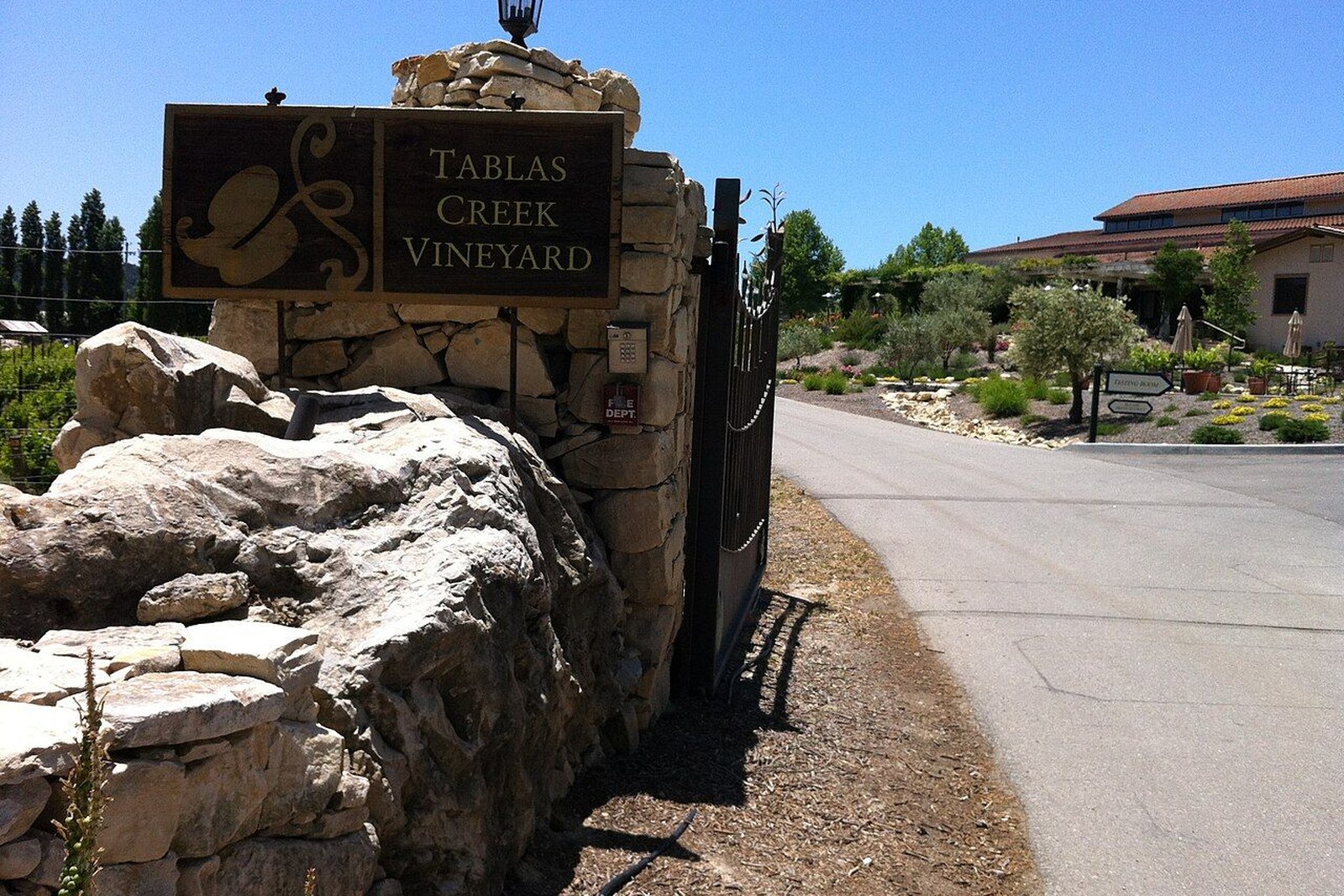
There is a version of Carolinas marketing copy that could sit on almost any listing from Edenton to Charleston to the Blue Ridge foothills. It leans on words like charm, southern hospitality, and coastal breeze, and it never actually tells a guest what they're booking. That copy isn't wrong so much as it's empty — it describes a region instead of a property, and a region is not what a guest types into a search bar the night before they book.
The failure mode worth naming directly: North and South Carolina hosts should market the coastal, inland, or event access a guest can actually verify, not a soft regional slogan that could describe a dozen other towns. A guest booking a coastal stay is thinking about flood paths and how far the water sits from the driveway. A guest booking an inland stay is thinking about quiet hours and how far the nearest town square is. A guest booking a stay for a specific event weekend is thinking about parking, and whether they'll be able to find a spot within walking distance of the venue. None of those questions get answered by a sentence about Carolina charm.
This page stays on marketing copy discipline, not on any single town's market data. For labeled, sourced Carolinas figures, open the live Edenton report or another Carolinas hub page on this site — this page isn't the place to cite a revenue or occupancy number, and it won't guess at one. What follows is a working method for rewriting Carolinas listing and marketing copy so it answers the questions guests are actually asking, one auditable change at a time. This is not legal advice.
Name the Lane Your House Actually Sits In
Before touching a single line of copy, a host needs to answer one question honestly: which lane does this property sit in? Coastal properties carry flood-path and storm-prep questions that inland properties simply don't have. Inland properties carry quiet-hour and neighborhood-noise questions that a beachfront condo rarely faces. And any property near a recurring event, a festival weekend, a college game day, a boat show, carries a parking and access question that has nothing to do with either the coast or the mountains.
A listing that tries to be all three at once, or that defaults to a generic regional caption instead of picking a lane, ends up answering none of the questions a specific guest actually has. The fix isn't complicated, but it is specific: write the lane the property is actually in, and let that lane drive every other decision about what goes into the listing copy.
What Guests Actually Message About Before They Book
Ask any host who's run a Carolinas coastal listing through a storm season what the pre-booking messages look like, and the pattern is consistent: guests ask about docks, about stairs, about how the house handled the last named storm, well before they ask anything about a porch swing or a sunset view. Guests message about the practical, verifiable facts of arrival and safety before they message about atmosphere.
That means listing copy built around charm-first language is answering the wrong question first. A useful exercise is to pull the last month of guest inquiry threads and write down the first substantive question in each one. In a coastal market, that list will skew heavily toward access, storm prep, and parking. In an inland market, it will skew toward quiet hours, distance to a town center, and whatever amenity the house is actually known for. Rewrite one listing line based on that list this week, and the copy starts closing the gap between what guests are asking and what the listing is telling them before they even ask.
Keep Neighbor-Town Figures on Their Own Line
When a host does reach for market data, whether from a live Carolinas hub page or another source, the discipline that matters most is refusing to blend one town's numbers into another's. A Carolinas coast runs dozens of small, distinct markets along it, and two towns twenty minutes apart can have meaningfully different occupancy, seasonality, and guest mix. If a lift, a fee, a date, or a ranking weight isn't sourced to the specific town the listing is in, leave it out of the copy entirely rather than borrowing a number from somewhere nearby that sounds close enough.
This applies just as much to event-driven markets. A host near a recurring festival or game-day weekend should cite that specific event's actual dates and actual parking rules, not a generalized description of what event weekends are usually like in the region. Guests searching for a specific weekend can tell the difference between a listing that knows the event and a listing that's guessing.
Date Every Edit Tied to a Season or Ordinance Change
Hurricane season and local ordinance changes are two of the most common reasons a Carolinas listing's copy needs updating mid-year, and both deserve a dated edit rather than a silent change. When storm season shifts what a listing should say about access, parking, or evacuation routes, date that edit. When a local ordinance changes a quiet-hour rule or a permitting requirement, date that edit too.
Dating changes isn't just good record-keeping. It gives a host a clean way to trace, later, whether a guest question reflects an outdated listing line or a genuinely new issue that needs its own fix. A host who can point to "I updated the storm-prep section on this date" is in a far better position to diagnose a guest complaint than a host whose listing copy has drifted for months without anyone tracking what changed and when.
Five Anti-Patterns That Waste a Host's Marketing Hour
Five recurring mistakes show up across Carolinas listings, and any one of them is recoverable on its own — but stacking several together compounds the damage fast. First: leading with a regional charm slogan before fixing the operable access details a guest actually needs. Second: blending a neighboring town's figures into this property's marketing without labeling where each number came from. Third: pausing guest-inbox replies to spend hours building a marketing deck or template instead of answering the messages already sitting there. Fourth: measuring success only by nightly search rank, while ignoring whether guests are actually complaining about accuracy after arrival. Fifth: copying a neighbor's porch photos or listing language verbatim instead of photographing and describing this specific house.
A host chasing a marketing slogan while the parking and access copy underneath it still misleads guests is optimizing the wrong layer entirely. The nightly-rank chart can move up while trust with actual guests falls, and those two metrics tracking in opposite directions is exactly the signal that something in the copy still doesn't match what a guest finds on arrival.
Prefer One Auditable Change Over a Wider Soft Rewrite
The temptation, once a host recognizes the problem, is to rewrite everything at once: a new tagline, a new About section, a new set of photos, all in the same week. That's a lot of surface area to change at once, and it makes it hard to know afterward which specific edit actually moved anything. A narrower, auditable change, one listing line, tied to one verified fact, dated on the day it was made, is easier to test and easier to walk back if it doesn't work.
One-house hosts in particular should aim to finish one public, verifiable listing change this week before expanding scope to a second or third edit. That single change should be something a guest can already read and already verify on arrival — not a private note in a spreadsheet that never makes it into the actual listing.
Checking Whether the Change Actually Worked
At the thirty-day mark, confirm that each marketing change you made maps to a specific listing or channel edit you can name. If a change can't be tied to something concrete, that's a sign it may have been process for its own sake rather than something that actually reached the guest-facing copy. At the ninety-day mark, drop any task that still hasn't changed what you prioritize rewriting — ongoing busywork that never touches the listing isn't worth carrying forward.
The real audit isn't a chart. It's the next three guest inquiries. If those inquiries reference accurate photos and accurate house rules, and if repeat guests are returning without needing a coupon or a discount to bring them back, the copy is doing its job. If accuracy complaints are still showing up even as a nightly-rank number improves, that's the signal to go back and fix the underlying listing line before adding anything else on top of it.
What This Page Won't Do
This page will not guess at a revenue lift, an ADR move, or a fee schedule tied to a Carolinas marketing change. Any number like that needs to come from a host's own labeled export, not from a generalized promise about what better copy is worth. For tax and privacy questions, confirm with a qualified professional rather than treating marketing copy guidance as a substitute for that advice.
Independent hosts should treat the public listing as the primary object to fix before expanding into a wider Carolinas marketing campaign. Soft process, decks, templates, strategy documents, without a corresponding public edit leaves the actual Saturday-arrival surprises exactly where they were. Correct the listing first, keep only the marketing work that changes what a host actually rewrites this week, and stop early when the listing is already honest and the guest inbox is caught up.
Related Reading
More Carolinas reading on honest regional copy and labeled live town context.
Frequently Asked Questions
What should Carolinas host listings prioritize over regional charm language?
Specific, verifiable details guests can check before they book — coastal flood-path access, inland quiet-hour rules, and event-week parking — rather than generic regional charm copy. Each situation needs its own listing line, since a blended "Carolina charm" description hides which lane, coastal, inland, or event-adjacent, a guest actually booked into. Naming the lane a property sits in should drive every other copy decision that follows.
What do guests actually ask about before booking a Carolinas coastal or inland stay?
Guests message about docks, stairs, and storm prep well before they ask about a porch swing or other charm details. Pulling a month of guest inquiry threads and noting the first substantive question in each one usually confirms this pattern directly. Listing copy should answer those practical access and safety questions up front rather than leading with regional atmosphere language, since leading with charm first leaves the exact question a guest is most likely to ask still unanswered when they land on the page.
Should listing edits be dated around hurricane season or local ordinance changes?
Yes. Local ordinances and storm-season conditions can change what a listing should say about access, parking, and safety, so any edit tied to hurricane season or a rule change should be dated when it's made. That dating makes it far easier to trace later whether a guest question reflects an outdated listing line or a genuinely new issue. A host who can point to a specific dated edit is in a much stronger position to diagnose a complaint than one whose copy has drifted quietly for months.
Should figures from a neighboring Carolinas town be blended into this market's numbers?
No. Neighbor-town figures should stay on their own clearly labeled line rather than being averaged or blended into this market's reporting. Two Carolinas towns twenty minutes apart can carry meaningfully different occupancy and seasonality, so confirm which town a given figure actually describes before citing it in marketing copy. Averaging in an unlabeled neighbor figure risks setting a rate or an expectation off a number that never actually described this property's own market.
What common anti-patterns should Carolinas hosts avoid?
Five recurring mistakes: leading with regional charm slogans before fixing access details, blending figures from neighboring towns without labeling them, pausing guest-inbox replies to build marketing decks instead of answering messages, measuring success only by nightly search rank, and copying a neighbor's porch photos or listing language rather than the host's own. Any single one of these is recoverable on its own, but stacking several at once compounds the problem and can move a rank chart up while guest trust is actually falling.
Where should a host find actual labeled Carolinas market data, since this page doesn't carry its own figures?
Open the live Edenton report or another Carolinas hub page on this site when a marketing claim needs a labeled, sourced number behind it, rather than assuming this general marketing-guidance page carries its own town-level figures. This page stays focused on marketing-copy discipline, coastal versus inland versus event-week distinctions, not on serving as the data source for any specific town's revenue or occupancy numbers.
How often should a host check whether a Carolinas marketing-copy change actually worked?
At the thirty-day mark, confirm each change maps to a specific listing or channel edit you can name — if it doesn't map to something concrete, it may have been process without a real result. At the ninety-day mark, drop any task that still hasn't changed your rewrite priorities. The real audit is the next three guest inquiries: if they cite accurate photos and house rules and repeat guests return without needing a discount, the change is working.
Does this page estimate a specific revenue lift or fee change from updating Carolinas marketing copy?
No. This page will not guess revenue lifts, ADR moves, or fee schedules tied to a Carolinas marketing update; any figure like that should come from a host's own labeled export rather than a general promise made here. Confirm tax and privacy questions with a qualified professional rather than treating marketing-copy guidance as a substitute for that advice, and keep any neighbor-town figure you do cite elsewhere on its own clearly labeled line.
Why prefer one small, auditable listing change over a full marketing rewrite?
A single change tied to one verified fact and dated on the day it's made is far easier to test, and far easier to walk back if it doesn't help, than a sweeping rewrite of tagline, About section, and photos all at once. One-house hosts in particular should finish one public, guest-verifiable change this week before expanding scope, because a change that never actually reaches the live listing copy, staying instead in a private note or spreadsheet, does nothing for the guest reading the page.
What should a host do if a nightly-rank chart is improving but guest accuracy complaints are rising too?
Treat that combination as a warning sign, not a win. A rank number moving up while accuracy complaints from actual guests increase means the underlying listing copy still doesn't match what guests find on arrival, even if search visibility is improving. Go back and fix the specific listing line causing the complaints before adding any further marketing work on top of it — a prettier chart doesn't fix a Saturday surprise a guest is still walking into.
Work with Crest & Cove Creative
Carolinas listings that lean on charm slogans instead of verifiable access, storm-prep, and parking details lose the exact guests who read closely enough to ask. Name the failure mode the guest can check on the listing.
Crest & Cove rewrites Carolinas listing and marketing pages so guests get operable facts instead of soft regional slogans — send your live draft and the numbers you can actually cite to crestcove.co or call (256) 998-7502 and we'll pressure-test what stays before publish. Name the failure mode the guest can check on the listing.
Reach out at crestcove.co or (256) 998-7502.


Comments