
A Prep Worksheet to Run Through Before Your Next Listing Photoshoot

Updated: Aug 27
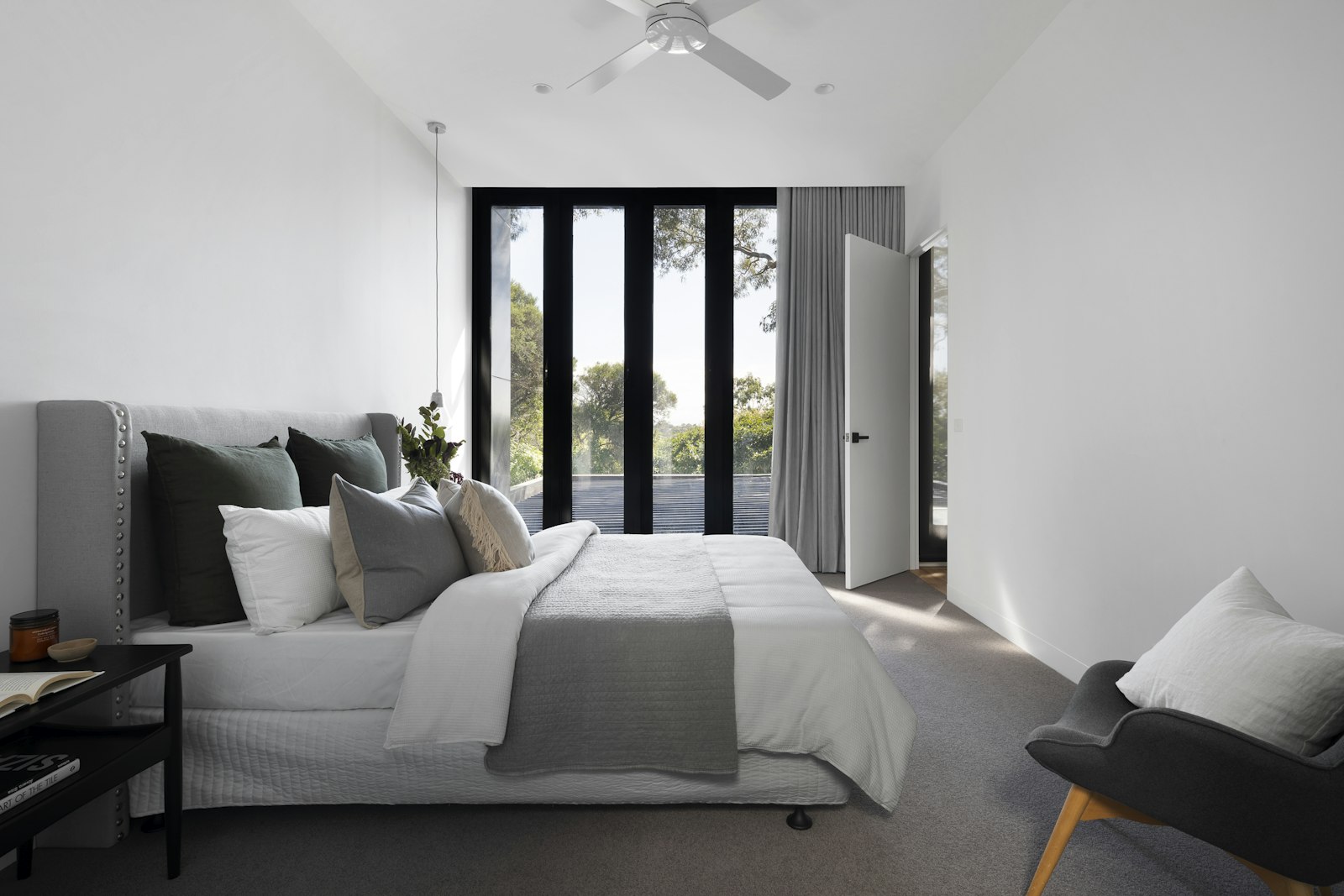
The single biggest factor in whether a listing photoshoot turns out well isn't the photographer's skill — it's how ready the property actually is when they show up. A great photographer working around clutter, bad lighting decisions, and last-minute scrambling produces worse photos than an average photographer working in a property that's genuinely prepped, because no amount of editing after the fact recovers a shot that was set up wrong in the room itself.
Most hosts know this in theory and still end up doing prep the morning of the shoot, rushed and incomplete, because prep has no natural deadline until the photographer's car is in the driveway. A short worksheet, worked through over the days before rather than the hours before, changes that. This isn't a styling guide about trends or staging aesthetics — it's a practical, timed checklist for making sure the property is actually ready to be photographed well, regardless of whatever style choices a host ultimately makes. This is not legal advice.
A Week Before: Fix What a Photo Won't Forgive
A week out is the point to fix anything visibly broken or worn that a photo would capture — a chipped baseboard, a stained cushion, a burnt-out bulb in a fixture that will be in frame. These take longer to actually fix than they take to notice, which is exactly why a week's lead time matters: a stained cushion cover can be replaced or laundered in time, but not if it's discovered the morning of the shoot when the photographer is already unpacking equipment.
This is also the point to confirm weather-dependent shots — exterior, outdoor living space, any view-dependent room — against the actual forecast for shoot day, with a backup date already in mind if outdoor shots are a priority and the forecast looks unreliable. A property with a strong deck or view shot loses real marketing value if that shot gets skipped entirely because nobody checked the forecast until the morning of, by which point rescheduling means restarting the whole prep cycle.
The last week-before task is the one hosts skip most often because it takes actual time rather than a quick glance: walking the property at the time of day the shoot is scheduled for, and watching how light actually falls in each room at that hour. A room that photographs beautifully at 10 a.m., with soft east-facing light across a kitchen island, can photograph flat or harshly shadowed at 4 p.m. in the same space. Knowing that a week ahead means there's still time to move the shoot time, adjust which rooms get priority at which hour, or bring in supplemental lighting — knowing it the moment the photographer arrives means living with whatever the light happens to be doing that day.
Two Days Before: Decluttering Is a Sightline Problem, Not a Cleaning Problem
A two-days-before pass is different from a cleaning pass, and treating it as the same task is why clutter reappears in finished photos even from hosts who genuinely cleaned beforehand. The goal isn't a spotless house — it's clearing countertops, surfaces, and visible storage of anything that isn't part of the intended photo: mail piles, cleaning supplies left under a sink with the cabinet ajar, personal toiletries in a shared bathroom. A house can be clean and still photograph cluttered if ordinary daily-use items are sitting in the frame.
Personal photos and highly specific personal items deserve a pass at the same time, removed or minimized throughout the space, because they work against a guest's ability to picture themselves staying there — a wall of family photos in the living room is a small detail that quietly undermines the exact thing the listing photos are supposed to accomplish. Closets and storage that might appear in a wide shot need a check too, since an open closet door stuffed with off-season clothing in the background of a bedroom photo is one of the most common and most avoidable misses in an otherwise well-composed shot — easy to miss while standing in the room, obvious the moment it shows up in a finished photo on a listing page.
The Day Before: Deciding What Actually Belongs in Frame
The day before is when staging decisions need to be made deliberately rather than assembled on the spot, room by room: fresh towels, a made bed with specific linens, a set table, whatever small touches a host actually wants in frame. Gathering those items the day before, so they're ready rather than being hunted down the morning of, is the difference between a calm final pass and a scramble that eats into the photographer's actual shooting time.
Every light bulb in every fixture that will be photographed needs a check at this point too, with anything out, dim, or a mismatched color temperature replaced before the shoot rather than noticed in it. A single warm-white bulb in a fixture surrounded by cool-white bulbs reads as an obvious inconsistency in a photo in a way it never does to the naked eye walking through the room casually — cameras pick up color-temperature mismatches that a person moving through a space simply doesn't register.
A full walk-through as if arriving as a guest for the first time closes out the day-before pass — noting anything that would need fixing before a guest actually saw it, on the theory that the same standard should apply before a camera sees it. A host who's lived in or managed a property for months stops seeing the things a first-time guest would notice immediately; deliberately adopting that outside perspective for one walk-through catches details that familiarity has made invisible.
Morning Of: The Final Pass That Actually Prevents Reshoots
Blinds and curtains should be opened to their intended shoot-day position early enough that natural light has settled into the room, rather than adjusted right as the photographer arrives — light needs time to fill a space evenly, and a curtain opened five minutes before the first shot still shows uneven light pooling near the window in early frames.
A final surface check in every room that will be photographed catches what snuck back onto a counter since the two-days-before pass: dishes from breakfast, a stray piece of laundry, pet items that reappeared the moment the pet did. Households in use for two more days after a decluttering pass will always re-accumulate some amount of ordinary daily clutter, which is exactly why the morning-of check is a separate step rather than a redundant one.
Having a short list ready for the photographer of which shots matter most — a particular view, a specific renovated feature, an amenity the host is especially proud of — closes out the morning pass, because a photographer working from a general brief has no way to know which three or four shots a specific host considers non-negotiable unless it's said out loud before the shoot starts, not discovered afterward when reviewing a gallery that missed the one shot that mattered most.
What Hosts Consistently Forget
Outdoor spaces get less prep attention than interiors in most routines, even though exterior and outdoor-living photos often carry real weight in a guest's decision — a deck, patio, or yard is frequently the deciding photo for a group trying to picture an evening together outside, and it deserves the same level of prep attention as the living room rather than an afterthought glance on the way out the door.
Mirrors and reflective surfaces that will catch the photographer or their equipment in frame are an easy miss until the actual photos come back and a tripod leg or a camera strap shows up in a bathroom mirror or a glossy cabinet front — worth a specific, deliberate check during the walk-through rather than trusting it'll be caught in the moment while everyone's focused on composing the shot itself.
Seasonal decor left up past its season is the subtlest miss on this list, because the photos themselves can be technically excellent and still read as dated the moment they're viewed outside that season — holiday decorations still visible in a February listing photo, or a summer wreath still on the door in a photo used through winter, quietly signal to a guest that the listing photos, and maybe the listing itself, haven't been looked at in a while.
A Worked Example: Two Hosts, Two Shoot Days
Consider two hosts booking the same photographer for a comparable property, purely as an illustration of how much the outcome depends on prep rather than the photographer's own skill. Host A treats the shoot date as the deadline for everything — the chipped baseboard gets noticed for the first time when the photographer's assistant sets up a light stand next to it, the closet door in the guest room is left ajar with winter coats visible, and the yard hasn't been prepped at all because the shot list was never discussed. The photographer works around all of it as best they can, but the finished gallery includes a handful of unusable shots and a few that needed to be reshot or heavily edited to hide problems that fifteen minutes of prep the week before would have solved for free.
Host B runs the same worksheet across the week before: the stained cushion cover gets swapped out on day one, the light-at-4 p.m. walk-through on day two reveals that the primary bedroom photographs far better in the morning and the shoot gets scheduled around that, the two-days-before declutter pass clears the kitchen counters and closes every closet door in frame, and the morning-of pass catches a stray coffee mug that reappeared after breakfast. The photographer arrives to a property that's already doing half the work, and spends the actual shoot time composing strong shots instead of troubleshooting a room. Both hosts paid the same rate for the same photographer's time. Only one of them got a gallery that reflects what they actually paid for.
After the Shoot: The Worksheet Isn't Finished When the Camera Leaves
Reviewing the photos within a day or two of receiving them, while the shoot is still fresh enough to notice anything that doesn't match what was intended, catches problems while there's still a reasonable chance of a quick reshoot or edit — waiting weeks to open the gallery means any issue found at that point is a much harder conversation to have with a photographer who has since moved on to other clients.
Updating the listing with the new photos promptly, rather than holding them for some future refresh that never quite happens, is what actually converts a paid shoot into value; photos that sit unused in a folder after a paid shoot are a wasted investment regardless of how good they turned out. And noting anything from this shoot's prep process that should change next time — while it's still fresh rather than reconstructed from memory before the next shoot — is what turns this worksheet into something that actually improves each time a host uses it, instead of starting from zero on every future shoot.
Turning This Into a Worksheet You Actually Reuse
A checklist that lives only in a blog post read once tends to get followed loosely the first time and abandoned by the third shoot. Turning the timeline above into an actual reusable document — a simple week-before, two-days-before, day-before, and morning-of set of columns, even in a plain notes app or a printed page taped inside a cabinet — makes it something that gets pulled out and followed rather than vaguely remembered. The specific format matters less than the habit of checking off each stage in order rather than trying to remember all of it in one pass the morning of the shoot.
For a host managing more than one property, or working with more than one photographer over time, a written worksheet also becomes a way to hand off prep to a co-host, a cleaner, or a property manager without losing the reasoning behind each step. A cleaner told simply to "get the place ready for photos" will clean; a cleaner handed the actual worksheet — check for closet doors left open in rooms being shot, confirm no seasonal decor is out of season, clear countertops of anything not staged on purpose — has something concrete to execute against, and the gap between those two instructions is exactly the gap between a good shoot and a shoot that needed reshoots.
Related Reading
More independent-host scorecard and worksheet reading already live on Crest & Cove.
Frequently Asked Questions
Why does photoshoot prep matter more than the photographer's skill?
A skilled photographer working around clutter, poor lighting decisions, and last-minute scrambling still produces weaker photos than an average photographer working in a property that's genuinely ready. Prep sets the ceiling on what the photos can achieve, and no amount of editing afterward fully recovers a shot that was set up wrong in the room.
What should be checked a week before a photoshoot?
Anything visibly broken or worn that a photo would capture, the weather forecast for weather-dependent shots, and how natural light actually falls in each room at the scheduled shoot time — a room can look very different at 10 a.m. than it does at 4 p.m. in the same space.
What's the most common thing hosts forget to prep?
Outdoor spaces, which often get less attention than interiors even though exterior and outdoor-living photos carry real weight in a guest's decision. The yard, deck, or patio deserves the same prep attention as the living room, not an afterthought glance on the way out the door.
How close to the shoot should decluttering happen?
Run a real decluttering pass about two days before, then do a separate final surface check the morning of, since ordinary items have a way of reappearing on counters and in closets between the two-days-before pass and the actual shoot day.
Should a host give the photographer specific shot priorities?
Yes — a short list of which shots matter most, like a particular view or a specific renovated feature, helps a photographer working from a general brief capture what actually matters most to that host, instead of the priority shot only surfacing as a miss once the gallery comes back.
What should happen right after receiving the photos?
Review them within a day or two while the shoot is still fresh, so anything that doesn't match what was intended can be flagged quickly and addressed with the photographer while there's still time, and update the listing promptly rather than letting new photos sit unused.
Does seasonal decor affect how photos age?
Yes — decor left up past its season, like holiday decorations still visible in a February photo, can make photos look dated the moment they're viewed outside that season, even when the photography itself was technically well shot.
What's a good final check the morning of the shoot?
Open blinds and curtains early enough for natural light to settle before shooting begins, do one more surface check for anything that reappeared since the two-days-before pass, and confirm the priority-shot list is ready to hand to the photographer before they start.
Why does the time of day matter for a walk-through, not just the day itself?
Light changes character throughout the day in ways that can flip a room from a strong shot to a flat or shadowed one. Walking the property at the actual scheduled shoot time — not just checking it in passing earlier in the day — reveals whether a specific room's light will cooperate, with enough lead time to adjust the schedule or bring in supplemental lighting if it won't.
What's the difference between cleaning a property and prepping it for photos?
Cleaning targets dirt and mess; prepping targets sightlines and what will actually appear in frame. A house can be genuinely clean and still photograph cluttered if ordinary daily-use items — mail, toiletries, an open closet door — are sitting where the camera will see them. Prep is a separate, more deliberate pass than a regular cleaning routine.
Work with Crest & Cove Creative
Hire the best photographer in your market and hand them a cluttered counter, and you'll still get mediocre photos. Prep sets the ceiling before the camera ever comes out of the bag.
Crest & Cove Creative helps independent hosts prep properly before a shoot so the photos actually reflect the property at its best. Tell us when your next shoot is and we'll walk through the worksheet with you — reach us at crestcove.co or (256) 998-7502.
Reach out at crestcove.co or (256) 998-7502.


Comments