
How to Prepare a Short-Term Rental for a Photoshoot

Updated: Aug 28
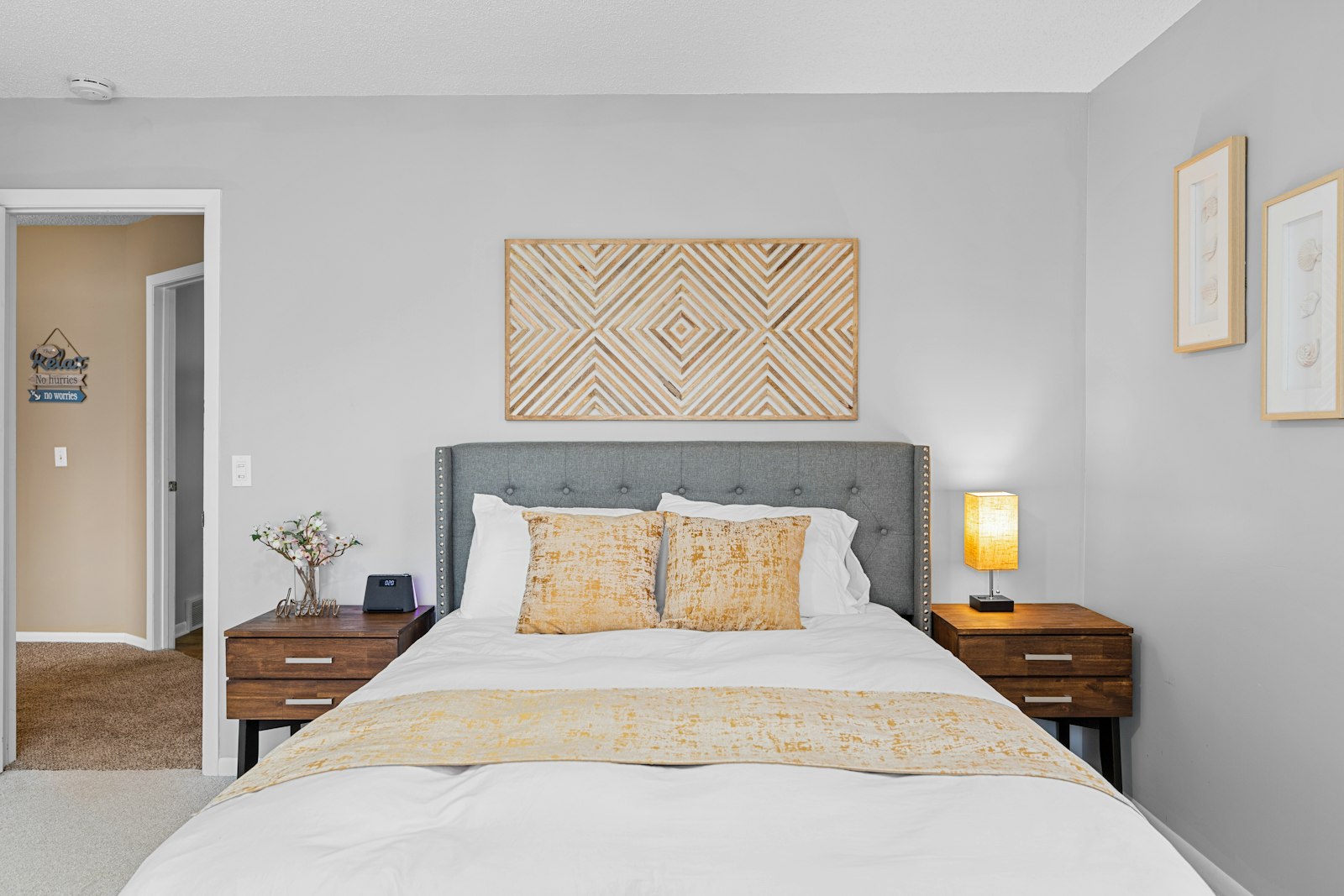
Prep decides whether the set tells the truth. A photographer can only shoot the house that exists on the morning they arrive. If the drive is full of bins, the stair is hidden by a drying rack, and the lake is a rumor behind closed blinds, the files will be a prettier version of a lie. Hosts treat prep as housework. Guests treat the files as the stay. Those are the same object on different days. Staging a showhouse the guest will not get is how a careful camera earns a review that teaches the next shopper the stairs.
This essay is the week before the day, not a lighting catalog. Crest & Cove will not invent a lift from a styled sofa. We will not print occupancy because the pillows matched. We will talk about what to stage, what to hide, and what to leave honest. We will talk about access, light, and the constraint a night arrival will meet. If the listing audit already said the frames you have cannot tell the truth, you are in this file. If the house should not be listed, stop and read when not to market.
The engagement flagship is the sequence around this week. The photography essay is the craft of the set itself. What follows is prep: why it is marketing, what to touch, who owns the morning, a labeled composite of a remote owner and a dusk kitchen, what not to invent on the day, and what happens after the files land in a folder you still own on Tuesday.
Prep is marketing because it decides the set
The set is the listing a stranger will believe. Every object you leave in the frame becomes a promise. Every object you remove becomes a promise that the guest will not trip on it. Prep is the last chance to choose those promises on purpose. A camera will not edit a recycling pile into a lake. A retoucher should not invent a railing the stair does not have. The week before the day is when you decide whether the files will match Saturday. That match is conversion. The mismatch is a future review.
Hosts delay prep because the house is bookable and the calendar is tight. Some delay is honest: do not shoot a room you are about to gut. Most delay is fear dressed as logistics. The house that is bookable this month is the house you should photograph this month. Guests book the stay that exists. A future sofa is not a listing. If the bones are true and the mess is removable, prep the mess and shoot. If the bones are a problem, that is a capital job, not a reason to keep last year’s dusk online while you shop for throws.
Prep also decides whether the shoot can even happen. Keys, codes, a neighbor who will move a truck, a cleaner who can finish before the light, a dog that will not be in every frame. Those are access facts. They belong on the kickoff questionnaire before anyone drives. A remote owner who cannot name who opens the door is not ready for a call sheet. The day will then default to whatever is in the house, which is how dusk kitchens get reborn. Write the access. Then write the rooms in the order a guest unpacks.
Treat every prep decision as a guest-facing sentence. “A guest would notice that we finally showed the stairs.” “A guest would notice that the lake is a walk, not a lawn.” Those are real. “A guest would notice that we hired a stylist” is not. The set is there to make the stay recognizable. If you cannot say what will be recognizable after the morning, you are buying a vibe. Vibe is how owners get a pretty house that is not their house. Recognizable is how the next stranger survives the click.
What to stage, hide, and leave honest
Stage the stay, not a showhouse. Beds made the way a guest will find them, not the way a catalog folds a towel animal. One table set if people actually eat there, not six unused place settings. Chairs that match the headcount you sell. A coffee station that exists on Saturday, not a borrowed espresso machine that leaves with the owner. The test is whether the cleaner can reproduce the frame without a secret closet of props. If they cannot, you styled a different product.
Hide the owner’s life that is not the stay. Mail, medication, family photos a guest should not have to live with, the overflowing bin, the broken fan you meant to replace, the laundry on the stair. Hide the things that make the house look abandoned between bookings. Do not hide the things that make the house true. A stair is not clutter. A steep drive is not clutter. An one-car pad is not clutter. Cropping those out of the set is how the audit failed before you hired anyone. Prep is your chance to show them in good light, not your chance to erase them.
Leave honest the constraint the guest will meet. If the second bedroom is a bunk, make the bunk and photograph the bunk. If the walk to the water is a hill, open the blinds on the hill. If the shower is a tub, do not style it as a spa the tile cannot support. Honesty here is not a confession. It is a filter. Shoppers who wanted a suite will leave earlier. Shoppers who wanted this house will stop asking whether the water is in the yard. Bookings quality is the metric. A styled lie is a refund thread with a contact sheet attached.
Personal objects that actually belong can stay if they teach the house. A map of the lake. A stack of local field guides. A grill that works. A workspace that is a real table with an outlet, not a laptop on a bed. One true amenity frame beats three borrowed objects. Details are proof they exist, not a catalog of icons. If you have to rent a canoe for the morning, you do not have a canoe. Leave it out. The review will not mention the canoe you returned to the shop.
Access, light, and the constraint the guest will meet
Access is who can open the door, move the truck, and turn off the alarm. Write the names. Write the backup. A photographer who waits in a driveway for a code that changed last month will shoot whatever light is left, which is how a house becomes a dusk kitchen again. Remote owners fail this more than local ones. Distance is not a character flaw. It is a constraint that has to be staffed for one morning. If you cannot staff it, you do not have a shoot. You have a hope.
Light is the other access problem. Interiors need the hour the rooms can actually carry. A north kitchen at noon is a different house than the same kitchen at 7 p.m. with every lamp on. The photography file will talk about hero, rooms, proof, and amenities. Prep’s job is to make those rooms available in the light they deserve. Open the blinds. Replace the dead bulbs. Move the car that shadows the porch. Do not ask the camera to invent evening warmth in a room that books as a morning house.
The constraint the guest will meet should be shot in the light a guest will meet it. A stair after dark needs a dusk frame if night arrivals are real. A dock with no lamp needs the dark enough that a shopper understands the walk. A driveway that ices should not be photographed only in July if winter is the year. You do not need every season in one morning. You need the season you are selling not to be a lie. If winter is the year and you only have a July set, the later maintenance essay is the reminder that launch is not a year.
Write the constraint into the call sheet so nobody “saves it for later.” Later is how proof lands in frame twenty, which is how the audit failed last time. Arrival, gathering, sleep, then the stair, the pad, the walk. If the day runs short, cut a closet, not the proof. A stranger stops scrolling rooms when they understand where they would sit and sleep. They do not stop needing the hill. Prep that protects the pretty rooms and starves the constraint is prep for a showhouse. Stop. Reorder the morning.
Who owns the day
The owner owns the house and the truth of the stay. You decide what may be moved, what must stay, and what must not be invented. You decide whether a room is finished enough to photograph. You decide who holds the keys. You do not need to be on site if you have named a person who can answer those questions in the room. You do need to be reachable. A photographer should not have to guess whether the bunk can be un-styled into a suite. That guess is how files drift from the listing you meant to keep.
The photographer owns the set, not the lock. They decide order, light, and when a frame is done. They should refuse a hero that is the wrong room. They should not be asked to retouch a railing into existence. They should not leave with the only copies. The later handoff file is who can still publish. On the day, the rule is simpler: originals go to a folder the owner keeps. A partner may hold a working set they can lose on a Tuesday. They do not get to become the archive.
The cleaner or local contact owns the reset. The house has to be the stay by the time the camera comes out, and it has to be the stay again before the next guest. That is labor, not creative direction. If the only person who can make the beds is three hours away, the day will slip into whatever mess the last checkout left. Name the local. Pay them for the morning. Do not ask a photographer to fold towels so the kitchen can be shot at 4 p.m. That is how you buy a dusk kitchen you already knew you did not want.
A marketing partner, if you have one, owns the brief, not the lockbox. They can walk the audit findings into the call sheet. They can say the hero should be the porch, not the faucet. They cannot authorize a crop that hides the stair unless you say so, and you should not say so. The owner-control essay exists so this sentence is not a surprise. If two people think they own the hero, the day will produce two houses. Write one owner for the truth. Write one owner for the set.
A composite: a remote owner and a dusk kitchen
This section is a composite, not a named client and not a case study with invented bookings. Imagine a two-bedroom house near a lake, owned by a couple who live four hours away. They book a photographer for a Thursday because the calendar had a gap. Nobody local is named. The cleaner finished the Tuesday turn and left. By Thursday morning the bins are at the curb, a neighbor’s truck sits in the hero angle, and the only lamps that work are in the kitchen. The photographer waits on a code. The code is last season’s code. When they get in, the light is gone. They shoot the kitchen because it is the only room that still has warmth.
What happens next is predictable without a percentage. The new hero is another dusk kitchen. The lake stays in the late gallery. The stair never gets a clean frame because the drying rack never moved. The owners, looking at a contact sheet on a laptop, feel they finally hired a professional. The listing still fails the scroll the audit already described. A later guest writes the walk. The leftover feeling is that photography does not work. Photography worked. Prep did not. Distance was the constraint, and nobody staffed it.
The useful lesson is not that remote owners cannot shoot. The lesson is that remote is a staffing problem for one morning, not a reason to skip names. This composite needed a local with keys, a truck that would move, bulbs that worked, and a call sheet that protected the porch and the stair before the kitchen. It needed the day to start when the rooms could carry the light. It did not need a stylist. It did not need a drone. It needed access written down before anyone drove.
If you recognize the Thursday gap and the kitchen lamps, stop the next booking until the names exist. Write who opens the door. Write who moves the truck. Write which frame is the hero so a tired afternoon cannot invent one. Read the engagement sequence if you still think a kickoff call replaces a key. Then come back to prep as a week, not as a morning hope. A remote owner can keep a true set. They cannot keep a true set by accident.
What not to invent on shoot day
Do not invent a view. A longer lens that pulls the lake into the porch is a different product if the walk is still a hill. A drone still that implies lawn-to-water is the same invention from above. Context is allowed when it is labeled by the rest of the set. Invention is a future review. If you need the camera to make the water closer, you need a different search noun, not a different focal length. The compliance framework treats accuracy as trust. Shoot day is where that trust is either kept or spent.
Do not invent a room. Pushing two beds together for a “suite” the listing does not sell, hiding a bunk under a quilt, or borrowing a dining table the closet cannot store are all second products. Guests unpack the first product. The review unpacks the second. Staging can clarify scale. It cannot add square footage. If the gathering room holds six in real life, do not set eight. The headcount in the frame should match the headcount in the rules. That match is the whole ethics of the morning.
Do not invent hardware. A rented espresso machine, a canoe on a rack, a crib, a workspace monitor, a fire pit that belongs to the neighbor: if it leaves at noon, it is not in the stay. Amenities are proof they exist. Proof that leaves is a lie with a receipt. The same rule applies to people. Do not put models in the lake unless the listing is selling a crowd you will actually host. Empty rooms that look lived in are enough. A stranger is trying to imagine their own people, not yours.
Do not invent safety. A retouched rail, a cropped drop, a path lit by a light you plugged in for an hour: those frames become night arrivals. If the bulb is not there on Saturday, do not put it in the file. If the stair is steep, show the stair. If a camera records a public area, that is a copy job after the day, not a reason to hide the device or to pretend the house is unwatched. Inventing comfort is how pretty files become distrust. The set can be warm and still true. Warm and false is the dusk kitchen again.
After the files land
The files are not the listing until someone sequences them. Hero, gathering, sleep, proof, amenities. The audit already named that walk. Do not dump eighty images in the order they were shot. Do not lead with the kitchen because it is the sharpest file. Put the stay in slot one. Put the constraint where a tired thumb will find it before they pay. Recrop if the bones are true and the rectangle is wrong. Reshoot only if the morning missed the object.
Copy has to catch up in the same week. The title should match the new hero. The rules should match the new proof. A sentence about the walk belongs next to the hill, not in a guidebook the guest sees after they book. Hosts who treat the gallery as a full rebuild and then leave the old poetry in the title have replaced only the pictures. Finish the words. Then stop. The measurement essay is the thirty-day and ninety-day clock. Inquiry questions and review language are the instruments. Impressions are not.
Keep the originals. A working set can live with a partner. The archive lives with you. The handoff checklist is the later file. After this day, the rule is already in force: if the photographer’s drive is the only copy, you do not own the set. Download. Label. Store. Revoke a share you do not need. A launch week that loses the files is how next year’s dusk kitchen comes back, because nobody can recrop a morning they no longer have.
Do not restart ads the afternoon the gallery goes live. Let the existing grid vote. Thirty days of questions and fit will tell you whether the hero did the job. Ninety days will tell you whether bookings quality steadied and whether you still type the driveway paragraph. Attribution will stay incomplete. That is expected. Fake precision is not. If you need a partner to keep the year after the day, that is maintenance, not another shoot. The files landed. The house is the house. Wait before you buy a louder week.
Stop doing these five things
Stop treating prep as optional housework the photographer will handle on arrival. The camera will shoot the bins, the truck, and the dead bulbs, or it will hide in the only room that still has lamps. That room is usually the kitchen after dark. Name who opens the door. Name who moves the car. Replace the bulbs before the morning. Write the hero so a tired afternoon cannot invent one. Prep is the last chance to choose the promises the files will make. Housework is how those promises stay true on Saturday.
Stop staging a showhouse the cleaner cannot reproduce. Borrowed espresso machines, extra place settings, and a canoe that goes back at noon are a second product. Guests unpack the first product. Reviews unpack the second. Stage the stay at the headcount you sell, with the objects that still live in the closet after the owner leaves. If the reset cannot make the frame, the frame is a lie. Pretty that cannot be staffed is not marketing. It is a contact sheet you will spend Tuesday explaining.
Stop hiding the stair, the pad, and the walk so the hero can stay unbothered. Those frames are the constraint the guest will meet. Good light makes them usable. Erasing them makes them a review. Put proof on the call sheet before the closets. If the day runs short, cut a pantry, not the hill. Shoppers who see the constraint and still book are the bookings you wanted. Shoppers who do not see it will write it for the next stranger.
Stop inventing a view, a room, a rented amenity, or a rail the house does not have. A longer lens, a bunk under a quilt, a neighbor’s fire pit, a bulb you plugged in for an hour: those are second products. Accuracy is the trust the set either keeps or spends. The listing has to survive Saturday, not only the contact sheet. If you need the camera to move the lake, you need a different noun in the title, not a different crop.
If this section is still a general lecture, we will tie how to Prepare a Short-Term Rental for a Photoshoot to the listing you actually run — not a template from another house. Reach out at crestcove.co or call (256) 998-7502. Shoppers who wanted this house will stop asking whether the water is in the yard. Do not put models in the lake unless the listing is selling a crowd you will actually host.
Frequently Asked Questions
Why is photoshoot prep part of short-term rental marketing?
Because the camera can only shoot the house that exists that morning. Every object you leave in the frame becomes a promise. Every object you remove becomes a promise that the guest will not trip on it. Bins at the curb, a truck in the hero angle, and dead bulbs will either be photographed or will force the set into the only room that still has lamps. That room is often the kitchen after dark. Prep is the last chance to choose whether the files match Saturday. The mismatch is a future review.
What should I stage or hide before a vacation rental photoshoot?
Stage the stay the cleaner can reproduce: beds as a guest will find them, chairs at the headcount you sell, amenities that still live in the house after noon. Hide mail, medication, broken fans, and laundry on the stair. Do not hide the stair, the one-car pad, or the walk to the water. Those are constraints, not clutter. Borrowed espresso machines and a canoe that returns to the shop are a second product. Guests unpack the first one.
What access and light facts should I write before shoot day?
Who opens the door, who holds the current code, who moves the truck, and who replaces dead bulbs. Remote owners need a named local, not a hope. Interiors need the hour the rooms can actually carry. Make the porch available before late afternoon invents a kitchen hero. Shoot the constraint in the light a guest will meet it, including a dusk stair if night arrivals are real. Put arrival, gathering, sleep, and proof on the call sheet. If the day runs short, cut a closet, not the hill.
Who should own what on a short-term rental photoshoot day?
The owner owns the house and the truth of the stay, even if they are not on site. The photographer owns the set: order, light, and when a frame is done, not the lock and not the only copies. A cleaner or local contact owns the reset before the camera and before the next guest. A marketing partner owns the brief from the audit, not the lockbox. Write one name for the truth and one name for the set. If two people think they own the hero, the day will produce two houses.
What goes wrong when a remote host books a shoot without a local contact?
The morning defaults to whatever is in the house. The photographer shoots the kitchen because it still has lamps. The new hero is another dusk kitchen, the lake stays late in the gallery, and the stair never gets a clean frame. Owners feel they hired a professional. The listing still fails the scroll. Distance is a staffing problem for one morning. Write the names before anyone drives. A remote owner can keep a true set. They cannot keep one by accident.
What should I not invent during a vacation rental photoshoot?
Do not invent a view with a longer lens or a drone that implies lawn-to-water you do not have. Do not invent a room by hiding a bunk or setting eight chairs in a space that holds six. Do not invent hardware that leaves at noon: a rented machine, a neighbor’s fire pit, a crib, a monitor. Do not invent safety by retouching a rail or plugging in a bulb that will not be there on Saturday. It cannot add square footage, a lake, or a railing. Warm and false is still a lie.
What should I do after vacation rental photoshoot files come back?
Sequence the walk: hero, gathering, sleep, proof, amenities. Do not lead with the sharpest kitchen. Match the title and the rules to the new frames in the same week. Download the originals into a folder you own. A partner may hold a working set you can revoke. Do not restart ads the afternoon the gallery goes live. Watch thirty days of inquiry questions and ninety days of bookings quality and time. Attribution will stay incomplete. Fake precision is not a reason to buy a louder week.
How should I brief an assistant before I prepare my rental for photos?
Give the assistant the live listing, the last three reviews, and the audit notes on the first three frames. Ask for a call sheet that lists arrival, gathering, sleep, and the constraint to protect if the day runs short. Ask who must be named for keys, parking, and reset. Tell it not to suggest borrowed props, a rented canoe, or a retouched rail. Then walk the house yourself. An assistant can draft the list. It cannot move the truck, replace the bulbs, or tell you whether the cleaner can reproduce the frame on Saturday.
Related Reading
Keep reading on same-cluster Crest & Cove pages that stay on labeled local lines without costume-corridor copy.
DIY vs. Hire in Many, LA: Why Independent Hosts Still Run Most Listings
DIY or Hire in Depoe Bay: What the Numbers Say for STR hosts
DIY vs Hire in Seattle: Independents Still Write Most Listings
Financing a Springfield, MA Rental Without a Neighbor City Year
Financing a Grove, OK Rental: What a DSCR Underwriter Actually Wants
What It Actually Costs to Start a Grove OK STR: The One Published Fee
How to Underwrite an Akron, Ohio Rental With Its Own Numbers
What It Actually Costs to Register a Short-Term Rental in Akron
Work with Crest & Cove Creative
Stop publishing copy a guest cannot verify on this listing.
Bring the current listing and the page that is supposed to do this job. We will rewrite how to Prepare a Short-Term Rental for a Photoshoot so it matches what is actually true on the tile. Reach out at crestcove.co or (256) 998-7502.


Comments