
STR Listing Audit: What Good Looks Like Before You Spend

Updated: Aug 28
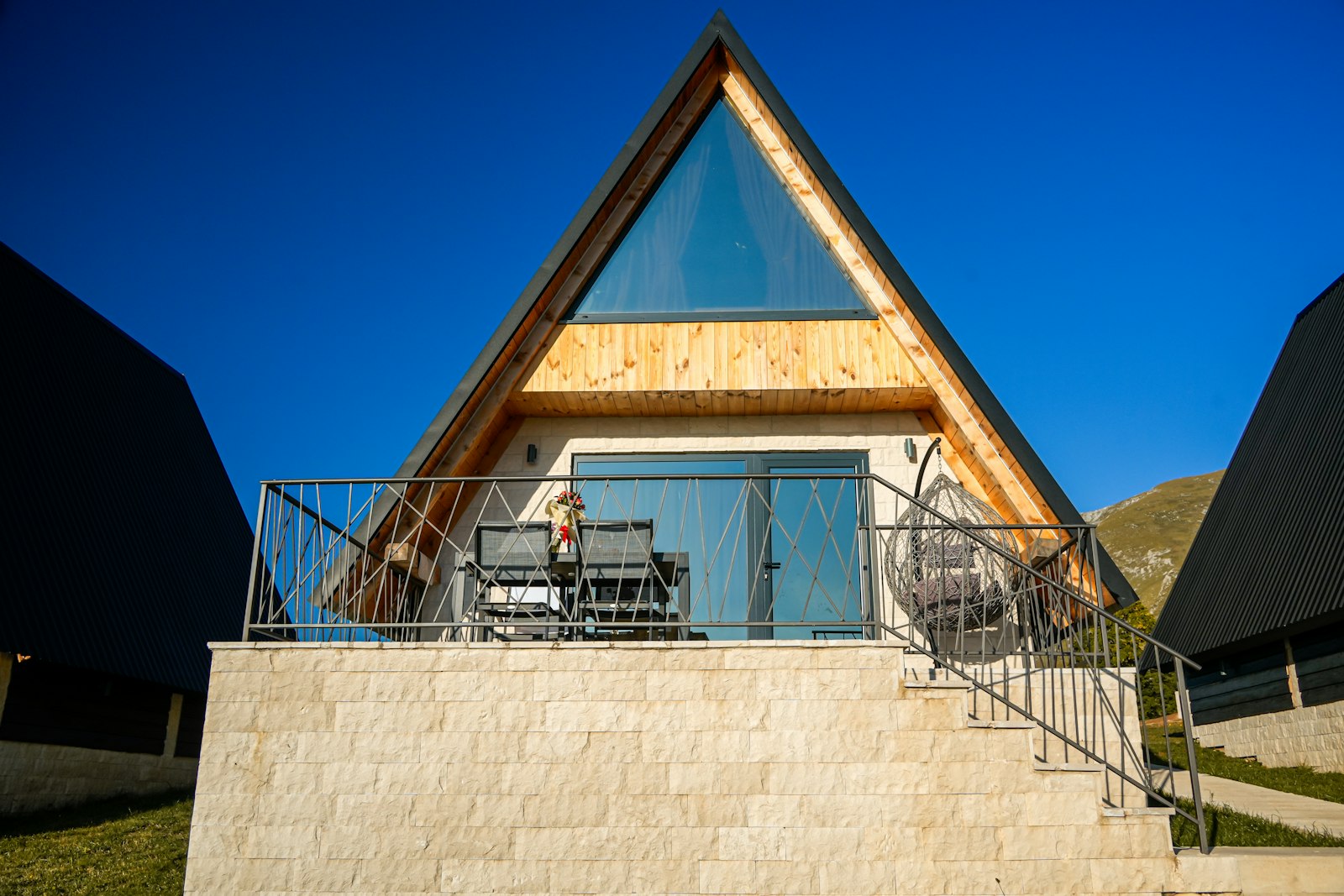
A pretty house can still fail the scroll. A stranger in an OTA grid is not doing a brand problem. They are deciding whether the first three frames look like a stay they can already imagine. That decision happens before anyone buys attention, before anyone opens an ads account, and before anyone books a kickoff. Hosts who start with spend are usually asking whether they can skip the page. They cannot. An audit is the pass that names what the page is doing. It is not a spreadsheet.
This essay is the audit file, not a campaign brief. Crest & Cove will not invent a lift from a checklist. We will not print occupancy. We will talk about the hero, the two frames that follow, the title a thumb can finish, and the rules that filter a Saturday. If the honest answer after a quiet week is “our first image is still a kitchen at night,” you belong here. If the house itself should not be listed, stop and read when not to market. The engagement flagship is the sequence around this pass.
Read this when you already have a live listing and you are about to buy attention, hire a photographer, or argue with a co-owner about whether marketing works. What follows is the job: audit before spend, the first three frames plus title and rules, what good looks like on one house, what this pass cannot fix, the thirty-day and ninety-day watch, a labeled composite, and when to stop auditing and shoot. Open the page on a phone first.
Audit the listing before you buy attention
Paid attention inherits the page you already have. If the hero hides the drive, the second frame contradicts the first, and the title is poetry the house cannot prove, an ad buys more of that bounce. The grid already offers you to people who typed a town and a date. Those people land or they do not. Buying more landings is a megaphone, not an audit. The marketing-math essay already refused a percentage. This file refuses the same number from the listing side: a true page can change how the existing click behaves without a causal story.
Hosts feel the opposite in their bodies. A quiet calendar feels like an audience problem. A quiet calendar with a weak hero is usually a belief problem. The people who did land already voted with the back button. Paying for more landings multiplies the vote. That is why this cluster puts the audit before spend and before a shoot day you have not prepped. The photoshoot prep essay is the next object when the frames you have cannot tell the truth. Until you know that, a camera day is a guess with a call sheet.
Treat the audit as one sitting on one house. Open the listing on a phone, not a laptop. Pick a date a real guest would pick. Pick a headcount the beds can actually hold. Write down what you believe after the first three frames, after the title, and after the first screen of rules. Write down the first question you still have to ask. That question is the brief. If you cannot finish the sitting because the page has forty amenities and no driveway, that is a finding. It is not a reason to open a spreadsheet with forty tabs.
An audit is also a refuse tool. If the page cannot be made true without a remodel, a permit, or a turn you do not have, the adult next step may be to wait. Waiting is still an audit result. Buying attention while you wait is how leftover campaigns get born. If a partner wants to skip this sitting and start with a login, they are selling a tour. Keep the owner-control file nearby. The listing is the object. The login is not.
First three frames, title, and rules
The first frame is the stay in one rectangle. Not the prettiest corner. Not a dusk kitchen that flattered the owner. The hero should answer the search the guest typed: the porch that is the point, the living room that holds the headcount, the water you can actually reach. It has to survive as a thumbnail. If it only works on a large screen, it is not a hero. If it could be anyone’s house, it is not a hero. If it requires a caption to explain the lie, it is not a hero. The audit writes that down in a sentence a co-owner can disagree with.
The second and third frames finish the handshake. One should be the gathering room at the real headcount. One should be the constraint a review will write if you hide it: the stair, the parking pad, the walk, the road. Hosts treat those frames as click killers. They are stay savers. A shopper who sees the hill and still books is a better booking than a shopper who arrives surprised. If frames two and three are more interiors of the same sofa, the audit has found a sequence problem, not a furniture problem. Rearranging is cheaper than a new day and cheaper than another season of the same bounce.
The title is a scan, not a poem. Town, setting, a true noun, a true constraint if the constraint is the stay. “Lake cabin, two cars, stairs to the water” is a title shape. “Luxury retreat steps from paradise” is a title the first honest review will rewrite. The SEO file is search craft when the town can carry it. Here the only point is honesty a thumb can finish. If the title needs a second line to walk back the first, the first line is the finding.
Rules are the filter the Saturday cannot do alone. Headcount the beds can hold. Cars the pad can hold. Quiet hours you actually keep. Pets, fires, docks, and the stair a night arrival will meet. Rules that live only in a guidebook the guest sees after they pay are not rules. They are a later argument. The audit asks whether a stranger could decline themselves before they book. If every hard fact is buried, the listing is recruiting the wrong stay. That is a quality problem, not a traffic problem. Write the missing rule as a sentence, not as a threat.
What good looks like on an independent house
Good on one independent house is a walk a stranger can finish. The first eight frames unpack arrival, gathering, sleep, and the reason the guest typed the search. The title matches the hero. The rules match the photos. A review in the last season names a fact the page already admitted. Inquiry questions are about dates and a dog, not about whether the water is in the yard. That is the bar. It is not a brand. It is not a drone Saturday. It is not a content calendar. Most one-door listings can reach that bar without a stack.
Good is also small enough to keep. The owner can open the page on a Monday and still recognize it. The cleaner can make Saturday look like the hero. The reply to a review sounds like a person who has walked the driveway. Nothing on the page requires a second brain to stay true. If good requires a weekly design meeting, it is a portfolio ritual pasted onto one door. The engagement flagship already said an one-listing host cannot run a department. This file says the audit should not invent one.
Good is not the prettiest house on the street. A careful two-bedroom with an honest stair and a true lake walk will beat a prettier house that crops the hill. Bookings quality is the metric, not a design prize. Guests who can live in what they clicked leave reviews that help the next stranger. Guests who cannot live in what they clicked teach the next stranger the crop. The audit scores recognizability, not taste. If you cannot say what a guest would recognize after the pass, you are still decorating.
Good also leaves room to wait. After the frames, the title, and the rules are true, you may still choose to do nothing extra this season. That is allowed. Photography is the next craft when the frames you have cannot tell the truth. Search work and ads sit later, and only if the page can survive a click. An independent house that looks finished because it is true is finished enough. An independent house that looks finished because it is styled is the composite later in this file.
What the audit cannot fix
The audit cannot fix a house that does not match the search. If the guest typed walk-to-water and you have a hill and a car, no checklist will make the walk true. You can show the hill and keep the people who will still come. You cannot crop the hill and then argue with the review. Accuracy is the job this pass can name. Invention is the job this pass should refuse. Creative that hides a constraint is not marketing. It is a future one-star with a photograph attached.
The audit cannot fix a turn that fails. A beautiful kitchen photographed on a styled Tuesday will be photographed again by a guest on a Sunday if the cleaner could not make the same kitchen. That is labor, not a listing-copy problem. If reviews already mention grit, hair, or a leftover smell, you have a Saturday problem first. Hire the turn. Then come back to the page if the old set now lies about a house you have actually improved. A new gallery on a dirty Saturday is how pretty pictures earn distrust.
The audit cannot fix a price you will not explain. A luxury crop on a house with a mid stay and a loud cleaning note trains the shopper to feel tricked. A bargain crop on a careful house trains the wrong headcount. The photo job and the title job are to make the stay recognizable at the number you are willing to stand behind. If you need the pictures to look like a different product so the number feels fair, the number and the house are the argument. The checklist is the witness. We will not invent a return to dress that argument up.
The audit cannot fix silence. A page that works still needs reviews that keep arriving and replies that sound like a person. A listing with strong frames and a six-month review gap looks abandoned. Do not ask a checklist to do a host’s week. Do not ask a rearranged gallery to replace a note you could have written yesterday. If the last three reviews taught a fact the page still hides, that is an audit finding. If the last three reviews are missing, that is a hosting finding. Separate those objects before you buy a camera day you have not earned.
A 30-day and 90-day watch after the pass
Thirty days after you change a frame, a title, or a rule, watch the questions people ask and how long they stay on the listing before they write. You will not get a clean attribution. You may get fewer “is there really a lake” notes and more date notes. You may get a review that mentions a frame you finally included. You may get a quieter inquiry volume and a better fit. That last one feels like a loss if you are still counting nights as the only score. It can be a quality win. Write down the questions and the declines. That is the thirty-day file. Impressions alone are not.
Ninety days can show whether bookings quality steadied and whether you are still paying time to explain what the page should have shown. If you are still typing the same driveway paragraph to every guest, the pass is incomplete or the photos never caught up. If the driveway now appears and the paragraph has shortened, the audit did a job. Reviews over a quarter will either stop teaching the hidden fact or they will keep teaching it. If they keep teaching it, you cropped it out again or the stay changed. A reshoot is not automatic. Honesty is. The 30/60/90 essay is the longer clock.
What will not show, in either window, is a trustworthy percentage. Season moves. A local weekend moves. A competitor reshoots. The marketplace moves a shelf. Anyone who draws a straight line from a checklist to occupancy is doing the calculator theater the math essay already refused. Watch the three host-real metrics: bookings quality, review language, time cost. If the pass reduced time spent correcting the page, that is a result. If it did not, look at sequence before you look at another vendor. The hero may still be the wrong room.
Keep the watch small enough that one listing can keep it. Thirty minutes after a change. Thirty minutes a week later. A monthly half hour to read the last reviews as a guest would. The measurement essay exists so this watch does not become a dashboard hobby. If nothing guest-facing moved, you were right to wait. If something moved, you now have a fact instead of a vibe. Then leave the leftover ad account closed until the page can survive a click you did not buy.
A composite: a pretty house that failed the scroll
This section is a composite, not a named client and not a case study with invented bookings. Imagine a renovated three-bedroom near a lake, owned by people who care about the sofa more than the driveway. The first image is a styled kitchen at dusk. Frame two is a bedroom that photographs like a suite and sleeps like a bunk. Frame three is another interior. The lake appears in frame fourteen, cropped so the hill disappears. The title uses luxury twice. Rules mention a good time. Reviews mention the walk and the stairs. Inquiries ask whether the water is in the yard. A leftover ad invoice sits in a drawer.
What happens next is predictable without a percentage. Shoppers who want lawn-to-water click and bounce. Shoppers who wanted a real lake house never see the lake in time. The ads, when they run, buy more of that bounce. One guest arrives, walks the hill, and writes the crop into the next shopper’s homework. The owners conclude the house is pretty and the market is broken. The house is pretty. The scroll failed because the first three frames did a different job than the stay. Pretty is not conversion. Recognizable is conversion. The audit would have written that in one sitting.
The useful lesson is not that dusk kitchens are illegal. The lesson is that the first slot has a job, and the old hero was doing a different job: making the owners feel the renovation worked. The composite house still has to photograph the hill, write the walk into the title, and put the stair where a tired thumb will find it. The audit does not finish the listing. It stops the listing from lying in the first second. If your own first image is a room no guest would choose as the point of the stay, you are in this composite. Relabel the feeling. Then change the object.
If you recognize the drawer with the invoice, do not add a reel to compensate. A short video cannot repair a gallery that hides the stair. Finish the still sequence. Put the proof where a stranger will see it before they pay. Then wait thirty days with the measurement clock before you decide the pass “did nothing.” Doing nothing extra is allowed. Doing something louder because you are impatient is how composites turn into leftover invoices. The pretty house did not need a brand. It needed a true first three frames.
When to stop the audit and shoot
Stop auditing when you already know the frames you have cannot tell the truth. A rearranged dusk kitchen is still a dusk kitchen. A title pass cannot invent a porch hero you never photographed. A rule cannot show the stair. When the bones of the stay are missing from the gallery, the next object is a shoot, not another Monday sitting. Book it for the house that exists, not the house you will have after a future sofa. The prep essay is the week before that day. The photography file is the craft of the set.
Do not shoot because you are bored or because a competitor just posted a flyer. Boredom is not a guest. If the interiors still match the stay and the reviews have stopped teaching surprises, leave the set. Recrop. Change the title. Write the missing rule. Hosts who shoot for novelty train themselves to treat creative as content. Content is how you get a fourth version of the same sofa and a confused shopper. Stability is a conversion feature. Guests like to recognize the house they already wanted.
Do not shoot on the same afternoon you restart ads. Sequence is still the work. Let the new first three frames work on the audience you already have. Thirty days of questions and fit will tell you more than a weekend of paid clicks pointed at a gallery that has not settled. If the kickoff questionnaire is sitting in your inbox, fill the house, guest, and constraint questions first. Do not fill a password field so a partner can “launch” a set you have not prepped.
When in doubt, walk the listing as a stranger on a phone one last time. If you can unpack the stay in the first eight frames and the only lie is a crop, recrop and stop. If you still cannot find the second bedroom, the bath, or the reason a review mentioned stairs, you need frames you do not have. That is a shoot. Stop the audit. Start the prep. Keep the leftover campaign closed until the new hero is live and honest. The pass did its job when it named the missing object. Repeating the pass is how people avoid the day.
Stop doing these five things
Stop buying attention for a listing you have not opened as a stranger this month. The grid already sends people. Those people vote with the back button if the first three frames lie. A campaign pointed at a dusk kitchen is not research. It is a louder version of the same bounce, plus a Tuesday you will spend explaining a leftover invoice to a co-owner. Open the page on a phone. Write the first question you still have. That sentence is cheaper than an ads account and more honest than a market story you borrowed from another town.
Stop turning the audit into a forty-tab spreadsheet. One house needs one sitting: hero, next two frames, title, rules, and the first question a guest would still have to ask. Extra tabs are how the pass becomes a hobby and never becomes a change. If you cannot finish the sitting, the finding is already on the page. Write it down. Pick the next object. A photographer, a title, a rule, or a wait. Not a new workbook. Not a dashboard that cannot name a guest-facing sentence.
Stop scoring the house on prettiness. A renovation that photographs like a magazine and hides the hill will lose to a plainer house that shows the walk. Bookings quality is whether the people who clicked can live there. Reviews will publish the crop you refused. Time cost will show up as the driveway paragraph you type every afternoon. The audit is a recognizability pass. If you cannot say what a guest would recognize, you are still decorating. Decorating is not an engagement object.
Stop asking the checklist to fix a failed turn, a missing permit path, or a price you will not explain. Those are other objects. Labor is labor. A house that should not be listed belongs in when not to market, not in a caption. A number you will not stand behind will not become fair because the sofa looks expensive. Name the object that is actually broken. Then stop pretending a rearranged gallery is a year.
If this section is still a general lecture, we will tie sTR Listing Audit to the listing you actually run — not a template from another house. Reach out at crestcove.co or call (256) 998-7502. What follows is the job: audit before spend, the first three frames plus title and rules, what good looks like on one house, what this pass cannot fix, the thirty-day and ninety-day watch, a labeled composite, and when to stop auditing and shoot.
Frequently Asked Questions
What should I audit on my Airbnb listing before I spend on ads?
Open the live listing on a phone as a stranger with a date and a headcount. Write down what the first three frames, the title, and the rules actually do, plus the first question you still have to ask. If the hero hides the drive or contradicts the next photo, paid attention will buy more of that bounce. Ads amplify the page you already have. Finish the sitting in one pass on one house. A forty-tab spreadsheet is not an audit. A true first three frames are.
What do the first three photos on a vacation rental listing need to show?
The first frame should be the stay a guest would choose as the point of the house, not the prettiest corner and not a dusk kitchen that flattered the owner. The second and third frames should finish the handshake: the gathering room at the real headcount, and the constraint a review will write if you hide it, such as the stair, the pad, or the walk. A hero that only works on a large screen is not a hero. Proof frames save the stay even when they feel like they will lose the click.
What does a good listing audit look like on one independent house?
A walk a stranger can finish. The first eight frames unpack arrival, gathering, sleep, and the reason the guest searched. A recent review names a fact the page already admitted. Inquiry questions are about dates, not about whether the water is in the yard. Good is small enough to keep on a Monday without a second brain. It is not a brand, a drone Saturday, or a design prize. Recognizability beats prettiness.
What can a short-term rental listing audit not fix?
It cannot make a hill into a walk-to-water search. It cannot clean a Saturday the turn already failed. It cannot make a nightly number feel fair if the crop is selling a different product. It cannot replace reviews that have gone quiet. Accuracy, labor, price honesty, and hosting are separate objects. The audit can name those gaps. It cannot close them with a rearranged sofa photo. If reviews mention grit, hire the turn before you hire a camera. If the house should not be listed, wait.
How long should I wait after a listing audit before I judge it?
Thirty days can show a change in the questions people ask and whether they stay long enough to write. Ninety days can show whether bookings quality steadied and whether you still type the same driveway paragraph to every guest. Neither window will give you a trustworthy percentage. Watch quality, review language, and time cost. Impressions alone are not a result. If nothing guest-facing moved, you were right to wait. If something moved, you now have a fact.
Why would a pretty vacation rental still fail the Airbnb scroll?
Because the first three frames did a different job than the stay. A styled dusk kitchen, a suite crop on a bunk room, and a lake that appears in frame fourteen will lose people who needed the hill and the water in the handshake. Shoppers who wanted lawn-to-water bounce. Shoppers who wanted a real lake house never see the lake in time. The next review writes the crop. An audit would have named that in one sitting without a leftover ad invoice.
When should I stop auditing my listing and book a photoshoot?
When the frames you have cannot tell the truth. A rearranged dusk kitchen is still a dusk kitchen. A title cannot invent a porch you never photographed. A rule cannot show the stair. Book the day for the house that exists, not the future sofa. Do not shoot because you are bored or because a neighbor posted a flyer. Do not restart ads the same afternoon. Recrop first if the bones are true and only the order is wrong. Stop the pass when it has named the missing object.
How do I ask an assistant to audit my short-term rental listing?
Give the assistant the live listing URL and ask for a stranger pass on a phone: first three frames, title, and rules, plus the first question a guest would still have. Tell it not to invent occupancy, a return, or a rewrite of the whole brand. Ask it to separate a crop you can fix this week from frames you do not have. Ask whether paid attention would only amplify a bounce. Then do the sitting yourself. An assistant can draft the notes. It cannot stand in the driveway or keep Saturday true.
Related Reading
Keep reading on same-cluster Crest & Cove pages that stay on labeled local lines without costume-corridor copy.
Miami, FL STR Market Report 2026: What Hosts Should Underwrite
Thomasville, GA Short-Term Rental Market Report: Inside the ~200-Listing Fragmented-Pre…
The Quiet Side Cabin Market: Walland TN Short-Term Rental Report 2026
239 Listings, $36,762 a Year: Fairhope, AL STR Market Report 2026
Harvey Cedars NJ Short-Term Rental Market Profile: LBI's Smallest, Quietest, Highest-AD…
Work with Crest & Cove Creative
Stop letting sTR Listing Audit stay vague on the live listing.
Bring the current listing and the page that is supposed to do this job. We will rewrite sTR Listing Audit so it matches what is actually true on the tile. Reach out at crestcove.co or (256) 998-7502.


Comments