
Quiet Corner, CT Remote-Worker Stays: Keep the Desk, Not a Cut

Updated: Aug 27
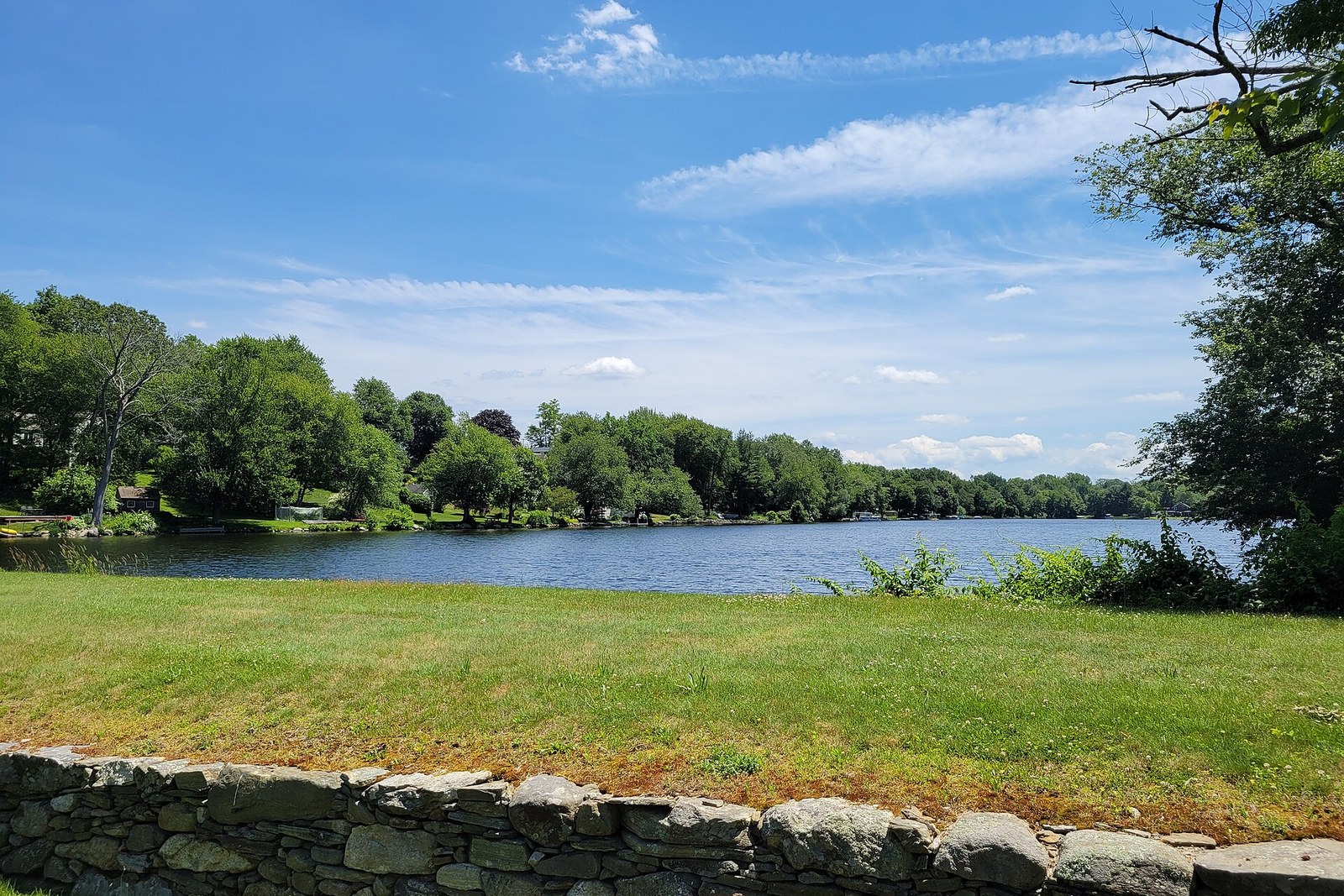
Connecticut's Quiet Corner - Woodstock, Pomfret, and Putnam - has real remote-worker demand potential, and a meaningful share of the market already reflects it: 35 percent of Woodstock listings already set a 30-plus-night minimum on their calendar. That's a real signal about where this market's long-stay product already lives, not a hypothetical opportunity.
But a 30-night setting on a Woodstock listing's calendar is not the same thing as a filled January. Setting a long minimum stay is a calendar configuration, not proof of actual bookings during the market's slower months - and a host building a remote-worker product needs to be honest about that distinction rather than treating the minimum-stay setting itself as evidence of demand.
Woodstock's own AirROI data, covering June 2025 through May 2026, prints a typical year of $38,291, an ADR of $382, occupancy at 40.9 percent, and RevPAR of $137, based on a sample of 20 listings. Those are the real numbers a remote-worker product should be priced against - not an guessed discount rate designed to make the offer sound more aggressive than the underlying numbers support. This is not legal advice.
A Desk and Wi-Fi Are the Product, Not a Bonus Feature
For a remote-worker guest, the actual product being sold is a real desk and reliable internet - not a scenic add-on layered onto a standard leisure listing. Listing copy for this segment should lead with those two things specifically, described in concrete terms: where the desk is, what it looks like to sit at it, and what internet speed the property actually delivers.
Keep the upload speed number that's actually been measured at the property, not a general synonym for "fast" or a marketing-friendly round number. A remote worker planning a 30-night stay around video calls and file uploads will notice quickly if the stated speed doesn't hold up in practice, and a mismatch here costs more trust than almost any other listing inaccuracy.
This matters because the guest evaluating this listing cares about a specific, practical failure mode: a Tuesday-morning meeting that drops or lags because the connection couldn't handle it. Speed that holds up consistently through a real work day, not just in a one-time speed test, is the actual product being sold here.
Thirty-Five Percent Already Gate Thirty Nights - Read That Correctly
The fact that 35 percent of Woodstock listings already set a 30-plus-night minimum tells a host that the long-stay lane is an established part of this market, not a speculative idea worth testing cautiously. That's useful, real signal for anyone considering building toward this segment.
It's just as important to read what that figure doesn't tell you: a minimum-stay setting reflects a host's calendar configuration, not confirmed occupancy during the market's actual slow months. A property gated at 30 nights in January isn't automatically booked in January - the setting only means a shorter stay isn't available, not that a longer one has actually been sold.
A host building a genuine remote-worker product should track actual booking performance during the slow months specifically, rather than assuming that setting the minimum stay alone solves the seasonal occupancy problem it's meant to address.
Quiet Farm Days After October Are a Real Seasonal Pattern
The Quiet Corner's rural, farm-country character means the area genuinely quiets down after October - fewer visitors, a slower pace, and a landscape that shifts from active harvest-season tourism to a genuinely quiet stretch heading into winter. That's worth naming honestly in remote-worker-facing copy, since it's actually a selling point for this specific guest type, not a weakness to downplay.
A remote worker choosing a 30-night stay is often specifically seeking that quiet, slower pace rather than the more active leisure-tourism energy of peak season - framing the post-October period as ideal for focused work, rather than apologizing for the area being less busy, matches what this guest actually wants.
This seasonal framing also gives a host a legitimate way to fill months that would otherwise sit soft: positioning the property honestly as a quiet farm-country work retreat for the exact months when leisure demand naturally drops.
Leave Out an Unverified Monthly Discount Figure
A generic "40% off for monthly stays" type claim shouldn't appear in listing copy unless it reflects a real, calculated discount the host is actually offering on that specific property. guessing or rounding up a discount percentage to sound more competitive is a fabrication that a guest comparing actual nightly math will catch quickly.
The more honest and effective approach: state the actual monthly rate plainly, let the guest do their own comparison math against a nightly rate if they want to, and avoid a percentage figure that implies a specific calculation the host hasn't actually run.
This discipline matters more for a 30-night booking than a weekend one, simply because the guest has more time and more financial stake in getting the math right - a discrepancy discovered on night three of thirty is a much bigger problem than one discovered on night one of two.
Name a Real Coffee Counter If You Have One
Small, specific, real details - a genuine coffee counter or workspace setup, a specific chair, a real second monitor if one's provided - do more for a remote-worker listing than broad claims about the property being "work-friendly." If a specific amenity exists, name it plainly; if it doesn't, don't imply it does with vague language.
This kind of specificity works particularly well for the Quiet Corner's remote-worker segment because this guest type is comparing listings carefully and reading detail closely - they're planning weeks around this space, not a single weekend, and specific, verifiable detail reads as more trustworthy than general enthusiasm.
I-84 running through the region makes a hybrid work week genuinely feasible for a guest who needs an occasional in-office day - worth mentioning specifically for a guest weighing whether a 30-night Quiet Corner stay is compatible with a job that isn't fully remote.
Keep the Stay Compared Against a Hartford Hotel Alternative
For a remote worker considering options, the realistic comparison isn't a resort or a luxury cabin - it's an extended-stay hotel in Hartford or a similar nearby city. Framing a Quiet Corner property against that specific alternative, rather than against unrelated vacation-rental competitors, speaks directly to what this guest is actually weighing.
A genuine desk, real kitchen access, more space, and a quieter setting are all real advantages over an extended-stay hotel room - advantages worth naming specifically in listing copy rather than assuming the guest will infer them on their own.
Keeping this comparison specific and honest - this property against a Hartford hotel stay, not against an idealized competitor - keeps the pitch grounded in what a remote-worker guest is genuinely deciding between.
What to Put in the Listing Before Considering Any Discount
Before adding any discount or long-stay incentive, a listing should already state the verified internet speed, the specific desk or workspace setup, the actual kitchen and laundry access relevant to a multi-week stay, and an honest seasonal framing of what the Quiet Corner looks and feels like in the specific months being marketed.
Keeping the stay's positioning grounded in the actual house and the actual town it sits in - rather than a generic remote-worker template applied without adjustment - is the difference between a listing that reads as built for this guest and one that reads as a leisure listing with a long-stay checkbox added on.
Once those specifics are in place, a monthly rate can be stated honestly on its own terms, without needing an inflated discount percentage to make the offer sound more compelling than the actual product already is.
Related Reading
More Quiet Corner , Woodstock, Pomfret, and Putnam, Connecticut reading already live on Crest & Cove.
Frequently Asked Questions
What percentage of Woodstock listings already offer long-term stays?
35% of Woodstock listings already set a 30-plus-night minimum on their calendar, showing the long-stay lane is an established part of this market rather than a speculative idea.
Does a 30-night minimum setting mean a property is actually booked through slow months like January?
No — a minimum-stay setting reflects calendar configuration, not confirmed occupancy. A host should track actual booking performance during slow months rather than assuming the setting alone solves seasonal occupancy.
What does Woodstock's market data show for a typical year?
Woodstock's AirROI data for June 2025 through May 2026 shows a typical year of $38,291, an ADR of $382, occupancy at 40.9 percent, and RevPAR of $137, based on a sample of 20 listings.
Should a listing state a specific discount percentage for monthly stays?
Only if it reflects an actual calculated discount for that property. A guessed or rounded discount figure that doesn't match real nightly-versus-monthly math will be caught by a guest doing their own comparison.
What matters most in listing copy for a remote-worker guest?
A real desk and a verified internet speed, stated specifically rather than with vague 'work-friendly' language. Specific, verifiable detail builds more trust with a guest planning weeks around the space.
What's a realistic alternative a Quiet Corner remote-worker listing competes against?
An extended-stay hotel in Hartford or a similar nearby city is the realistic comparison for this guest, not a resort or luxury cabin. A genuine desk, kitchen access, and quiet setting are real advantages worth naming against that specific alternative.
Why does the post-October period matter for Quiet Corner remote-worker positioning?
The area genuinely quiets down after October, which suits a remote worker seeking a slower pace rather than peak-season leisure energy — a legitimate way to frame and fill months that would otherwise sit soft.
Does I-84 access matter for this type of guest?
Yes — I-84 running through the region makes an occasional in-office day feasible, which matters for a guest whose job isn't fully remote and who's weighing whether a 30-night Quiet Corner stay fits that need.
Work with Crest & Cove Creative
A 30-night minimum on a Woodstock calendar isn't the same thing as a filled January - it's a setting, not a booking. Quiet Corner remote-worker positioning has to be built on a verified desk and a real internet speed, not.
We help Quiet Corner hosts build remote-worker listing copy around real, verified details instead of a discount percentage that doesn't match the actual math. Reach out at crestcove.co or (256) 998-7502. Send the live listing draft and the facts you can actually cite.
Reach out at crestcove.co or (256) 998-7502.


Comments